













Southern England has a long tradition of distinctive regional baking, with recipes that reflect local ingredients and centuries of culinary history.
From gently spiced breads enriched with saffron to fruit-filled cakes and traditional puddings, many of these bakes remain closely tied to the counties where they first became popular.
Each treat offers a glimpse into the region’s heritage and shows how varied British baking can be when you look beyond the classics.
This content is for general information only. Availability and preparation methods may vary by location. Always check ingredients and adapt recipes to suit personal preferences or dietary needs. Photos are for illustrative purposes only, and actual results may differ.
1. Saffron Buns
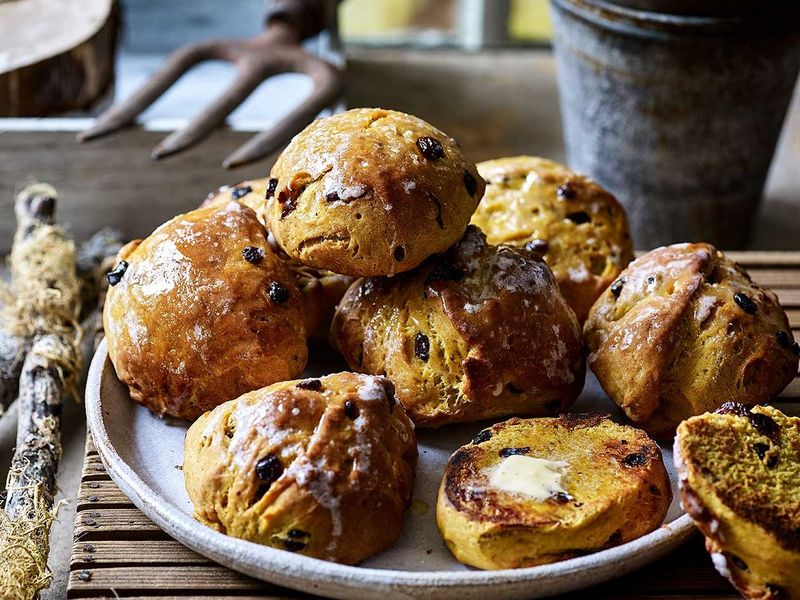
Before turmeric lattes became trendy, Cornwall was already obsessed with golden spice. Saffron buns are soft, lightly sweetened bread rolls that get their sunshine colour from actual saffron threads, making them one of Britain's priciest everyday bakes.
Cornish bakers have been making these beauties since the Middle Ages, when Phoenician traders brought saffron to the county's shores. The spice gives a subtle floral flavour that's hard to pin down but absolutely lovely with a smear of clotted cream.
You'll find them in proper Cornish bakeries year-round, though they're especially popular around Easter and Christmas.
2. Cornish Hevva Cake
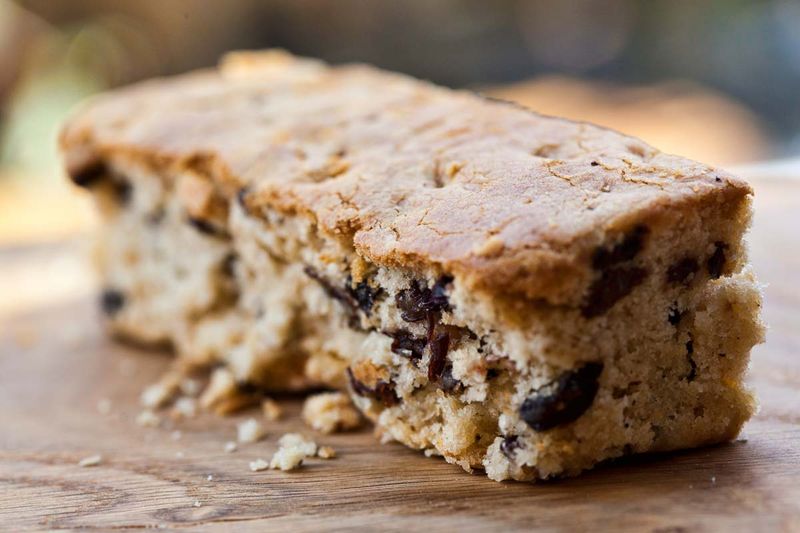
Fishermen's wives used to bake this when they spotted shoals of pilchards approaching the coast – the scored pattern on top supposedly represents fishing nets. Hevva cake is essentially a thick, buttery pastry loaded with currants, lard, and sugar, then marked with a criss-cross design before baking.
It's denser than your average cake, sitting somewhere between shortbread and a fruit scone in texture. The name comes from the Cornish cry of "Hevva!" which alerted communities to incoming fish.
Grab a slice with your afternoon brew for proper Cornish vibes.
3. Bath Buns
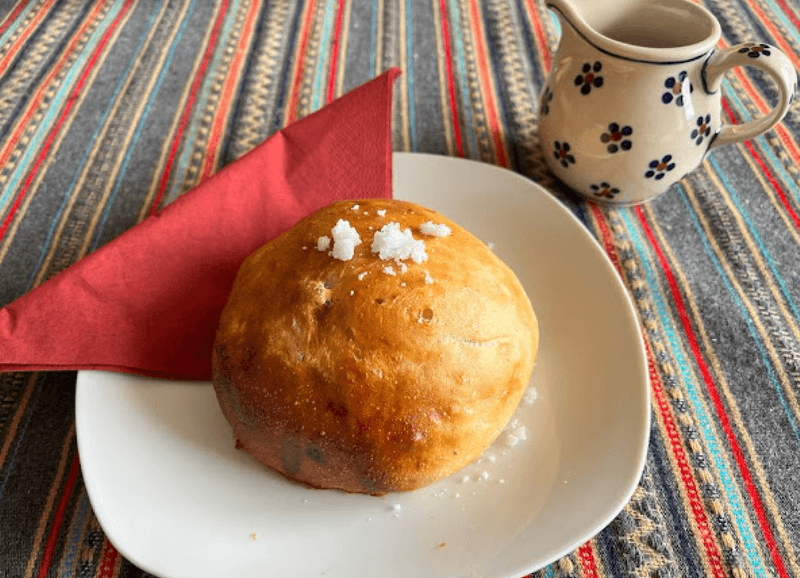
Not to be confused with their Chelsea cousins, Bath buns are sticky, sweet, and absolutely covered in crunchy sugar nibs. Legend has it they were created in the 18th century at Bath's famous Sally Lunn's tearoom, though that claim's a bit disputed.
These enriched yeast buns contain lemon peel, sultanas, and sometimes caraway seeds, all topped with a sugar glaze and those distinctive crushed sugar lumps. Jane Austen probably nibbled on these whilst taking the waters in Bath.
They're richer and more indulgent than your standard bun.
4. Maids Of Honour Tarts
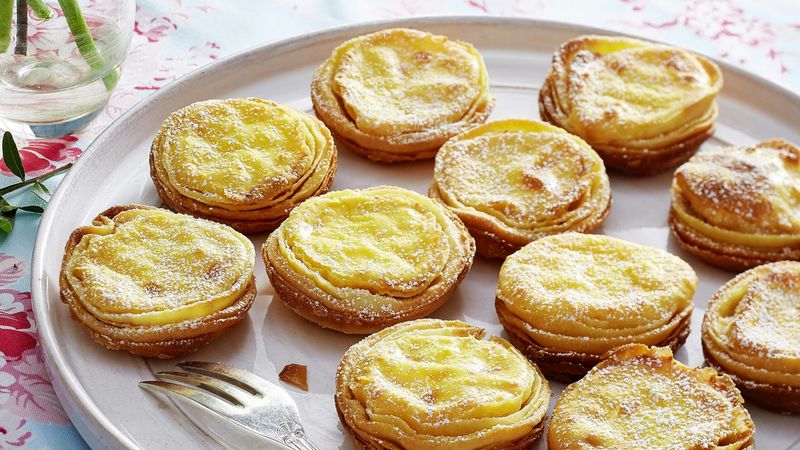
Henry VIII supposedly named these delicate little tarts after catching Anne Boleyn and her maids scoffing them at Richmond Palace. The recipe was so jealously guarded that it remained a secret for centuries, kept locked in an iron box.
These days, you can find them filled with a sweet almond curd mixture in crisp puff pastry cases. The Original Maids of Honour shop in Kew still claims to use the authentic Tudor recipe, passed down through generations.
They're dainty, buttery, and steeped in proper royal scandal.
5. Dorset Apple Cake
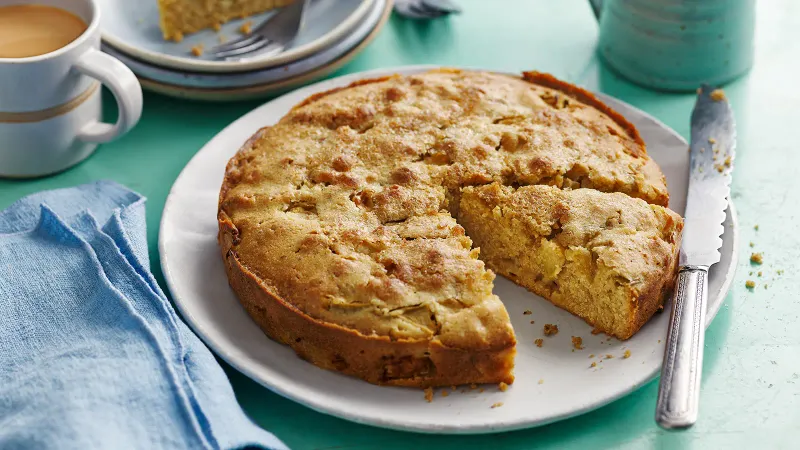
Every Dorset grandmother has her own version of this cake, and they'll all insist theirs is the only proper way to make it. Apple cake is a moist, spiced sponge absolutely packed with chunks of Bramley apples, sometimes topped with demerara sugar for a sweet crunch.
It's the sort of cake that improves after a day or two, getting stickier and more flavourful as the apples work their magic. Dorset orchards have been producing cider apples for centuries, so it makes sense they'd bake them into everything.
Serve it warm with custard for peak comfort.
6. Sussex Pond Pudding
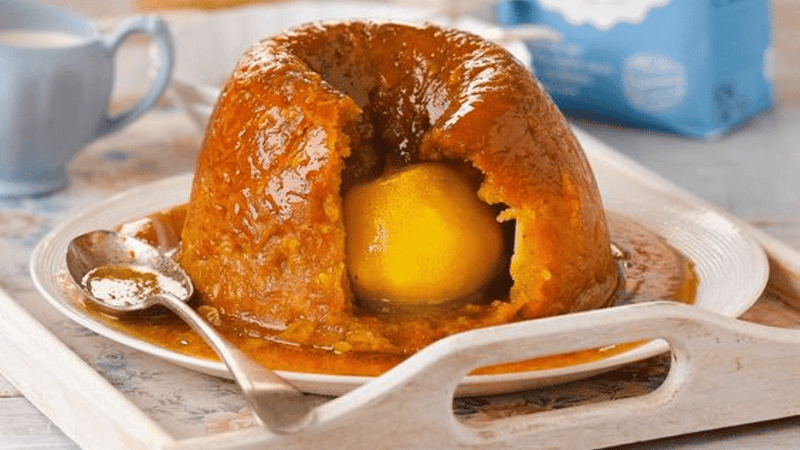
This is possibly the most dramatic pudding in British baking – a whole lemon encased in butter and sugar, wrapped in suet pastry, then steamed for hours. When you cut it open, buttery lemony sauce floods out like a pond, hence the brilliant name.
It's ridiculously rich, properly old-fashioned, and absolutely not for the faint-hearted. The lemon softens completely during cooking, so you eat skin and all, which adds a gorgeous bitter edge to all that sweetness.
It's Sussex's answer to sticky toffee pudding, but weirder and better.
7. Lardy Cake
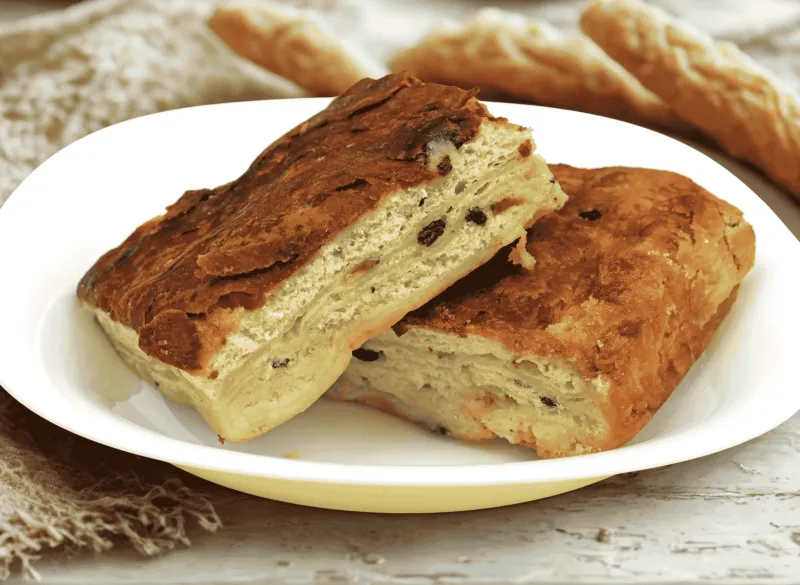
Pig farmers in Wiltshire knew what they were doing when they invented this absolute beast of a bake. Lardy cake is enriched bread dough layered with lard, sugar, and dried fruit, then folded like puff pastry and baked until the bottom caramelises into sticky, sweet heaven.
It's outrageously calorific, unapologetically old-school, and genuinely delicious if you can get past the name. The lard keeps it moist for days and gives a flavour that butter just can't match.
Best eaten warm, ideally after manual labour or a long country walk.
8. Isle Of Wight Doughnuts
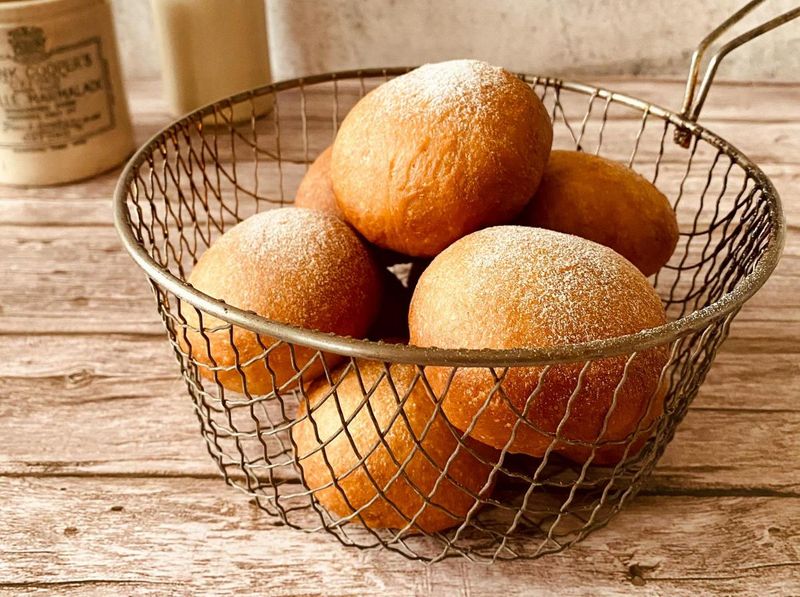
Forget your perfectly round Krispy Kremes – Isle of Wight doughnuts are wonky, handmade, and fried to order at seaside stalls across the island. They're made from a simple yeasted dough, deep-fried until golden, then rolled in caster sugar whilst still piping hot.
The texture is lighter and less greasy than commercial doughnuts, with a proper homemade feel. They've been a beach holiday staple for generations of island visitors, best eaten whilst dodging seagulls on the promenade.
No fancy fillings needed – just pure, sugary, seaside nostalgia.



