













Sugar has a sneaky way of creeping into everyday food, even when you think you’re making sensible choices. A few gentle tweaks can quietly reset your taste buds and make snacks and drinks feel satisfying without the constant sweet hit.
It’s often the small habits that bring the most noticeable shifts, sometimes faster than expected.
This information is provided for general educational purposes and does not replace personalised dietary advice. Individual needs and health conditions may influence suitable changes, and professional guidance may be helpful when making significant adjustments.
1. Simple Ways To Reduce Sugar
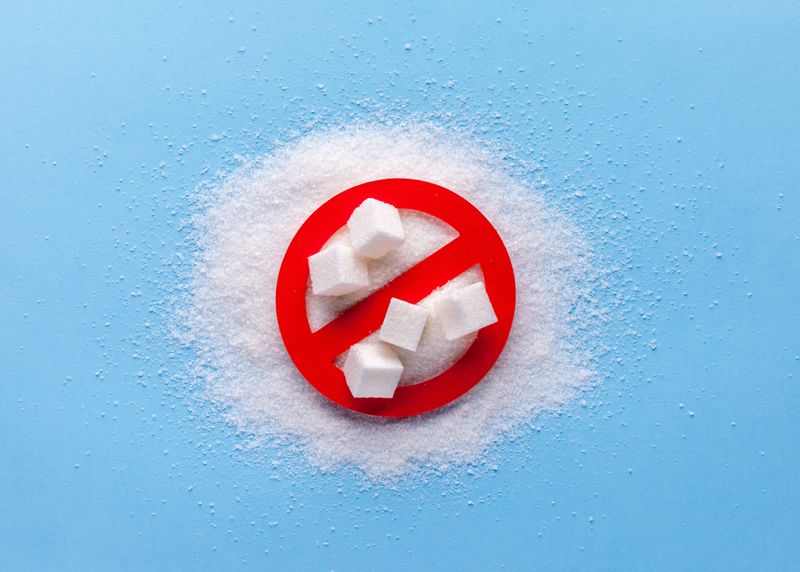
Sugar has a sneaky way of slipping into everyday food, even when you think you’re making sensible choices. A few small tweaks can quietly reset your taste buds and make snacks and drinks feel far more satisfying.
The next ten slides will show simple ways to reduce sugar without making your routine feel restrictive or boring.
2. Swap Sugary Drinks For Water Or Sparkling Water
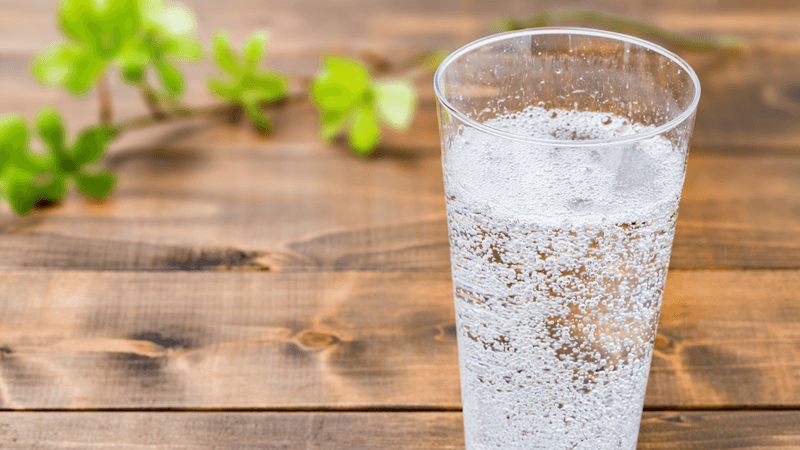
Sugary drinks can sneak a surprising amount of sugar into your day without you really noticing. Many fizzy drinks and sweetened beverages contain several teaspoons of added sugar in a single serving.
Swapping them for water or sparkling water instantly cuts that hidden intake. Adding a slice of lemon, lime, or berries keeps things refreshing without relying on sweetness.
Your taste buds usually adjust quickly, making plain drinks feel far more satisfying than expected.
3. Choose Plain Yoghurt And Add Fresh Fruit
Flavoured yoghurts often contain added sugars that aren’t always obvious at first glance. Reading the label can be eye-opening when you start comparing brands side by side.
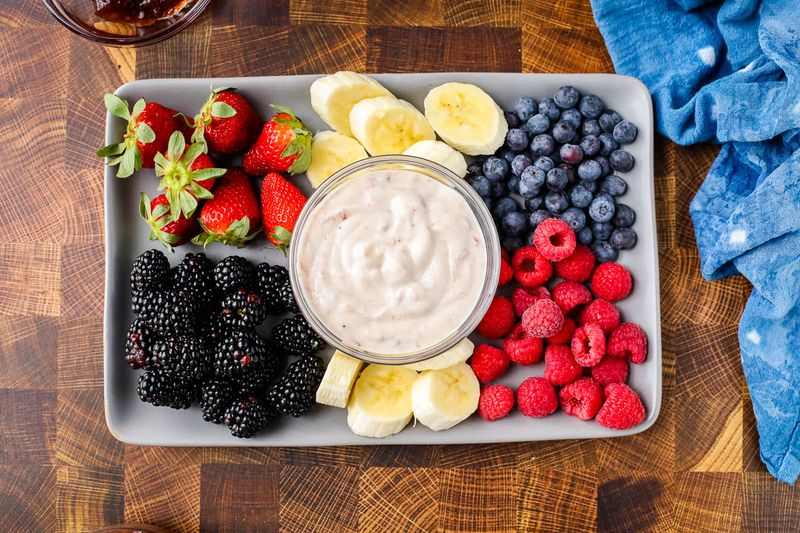
Plain yoghurt gives you full control over how sweet your bowl becomes. Fresh fruit adds natural flavour, colour, and texture without needing anything extra.
It feels like a small change, but it quickly becomes a habit that tastes genuinely good.
4. Read Food Labels For Added Sugars
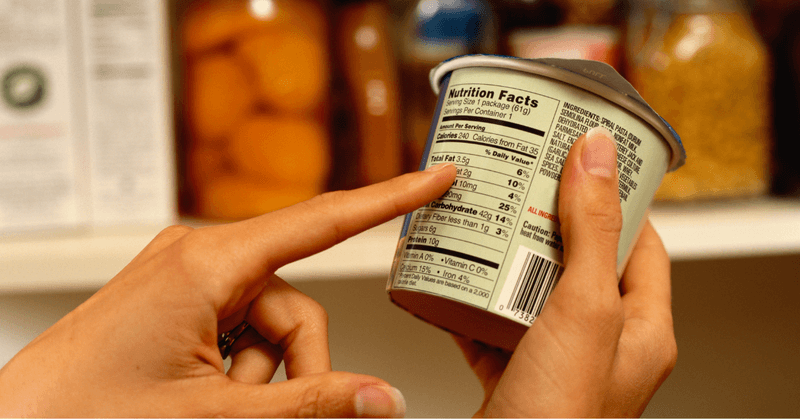
Sugar hides behind many different ingredient names, which can make labels tricky to decode at first. Syrups, nectars, and words ending in “ose” often signal added sugars.
Ingredients are listed in order of quantity, so higher placement usually means more of that ingredient is present. Spending a few extra seconds scanning the label builds confidence fast.
Over time, spotting added sugar becomes second nature while shopping.
5. Cut Back On Sweets And Biscuits

We all love a treat now and then, but sweets and biscuits can quickly become daily habits. They're designed to be moreish, so one biscuit often leads to five.
Try saving them for special occasions or weekends instead of every day. Replace your afternoon biscuit with a handful of nuts or a piece of dark chocolate with at least seventy per cent cocoa.
6. Cook More Meals At Home

Restaurant meals and takeaways often contain hidden sugars in sauces, dressings, and marinades. Even savoury dishes can be surprisingly sweet to boost flavour and keep you coming back.
Cooking at home lets you control every ingredient. You'll know exactly what goes into your food, and you can adjust recipes to suit your taste.
Plus, home cooking saves money and often tastes better than shop-bought versions anyway.
7. Use Spices Instead Of Sugar For Flavour

Cinnamon, vanilla, nutmeg, and ginger add warmth and sweetness without any actual sugar. These spices trick your taste buds into thinking something is sweeter than it really is.
Sprinkle cinnamon on porridge or add vanilla extract to smoothies for a naturally sweet flavour boost. Experimenting with spices opens up a whole new world of taste, and your morning coffee or tea becomes more interesting too.
8. Pick Whole Fruit Over Fruit Juice

Fruit juice may sound wholesome, but it usually lacks the fibre found in whole fruit. Fibre helps slow how quickly natural sugars are absorbed.
Whole fruit also keeps you fuller for longer and encourages mindful eating. Chewing adds satisfaction that sipping simply doesn’t provide.
Choosing fruit instead of juice often feels more filling and balanced throughout the day.
9. Limit Sweetened Breakfast Cereals

Some breakfast cereals contain more added sugar than many people expect. Even options marketed as wholesome can include syrups, honey, or sweet coatings.
Starting the day with a heavily sweetened bowl can set up cravings later on. Plain oats, shredded wheat, or unsweetened muesli keep breakfast simple and steady.
Adding your own fruit lets you control sweetness without losing flavour.
10. Choose Unsweetened Snacks
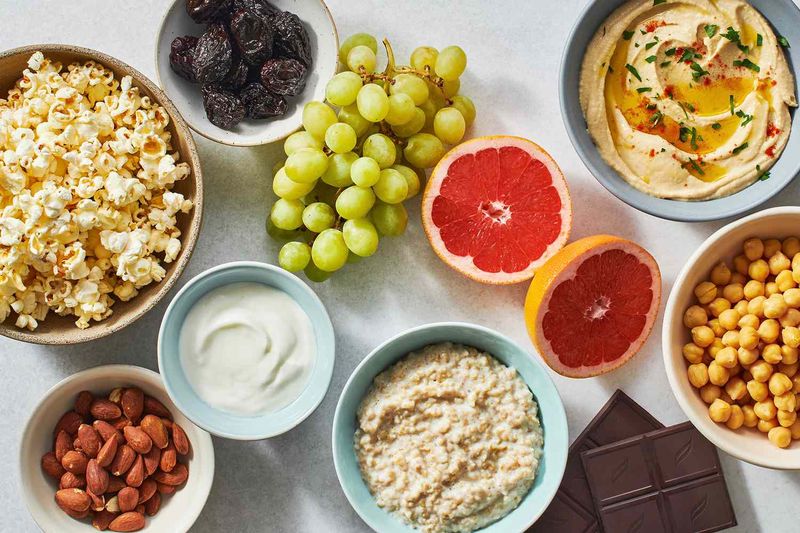
Snack foods like cereal bars, flavoured crisps, and trail mixes often contain added sugars to boost taste. What seems like a healthy snack can actually be a sugar bomb in disguise.
Go for unsalted nuts, plain popcorn, veggie sticks with hummus, or cheese cubes instead. These options keep you satisfied without the sugar spike.
Preparing snacks ahead of time makes it easier to grab something healthy when hunger strikes.
11. Reduce Sauces And Condiments With Added Sugar
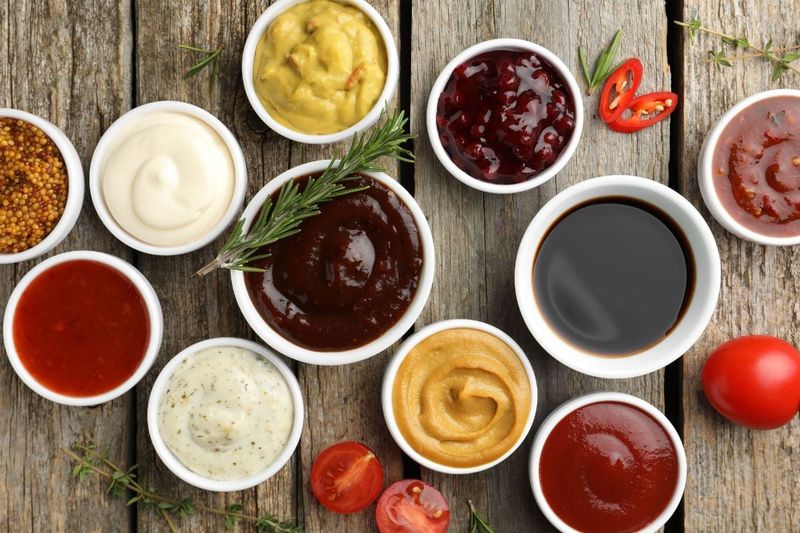
Ketchup, barbecue sauce, and sweet chilli sauce are sneaky sugar sources. Just two tablespoons of ketchup can contain two teaspoons of sugar, which adds up quickly over meals.
Check labels and choose low-sugar or no-added-sugar versions, or make your own at home. Mustard, salsa, and plain vinegar are flavourful alternatives without the sugar.
Your savoury dishes don't need sweetness to taste amazing.
12. Changes You'll Notice Quickly

Cutting back on sugar often brings small shifts that you start to notice sooner than expected. Energy levels, cravings, and even how food tastes can begin to change in subtle but encouraging ways.
The next slides will show five changes you’ll notice quickly as your habits start to settle into something more balanced.
13. More Stable Energy Levels

Sugar sends your blood glucose soaring, then crashing down hard. That rollercoaster leaves you tired, irritable, and reaching for more sugar to feel better again.
Cutting back balances your energy throughout the day. You'll feel more alert and productive without the wild ups and downs.
Steady energy means you can focus better at school, work, or whatever you're doing without needing constant snacks.
14. Fewer Sugar Cravings

Eating a lot of sweet foods can reinforce the habit of reaching for more sweetness. The brain naturally enjoys sweet flavours and remembers them easily.
When sugar intake drops, those constant urges often start to soften. Fruit and naturally sweet foods begin to taste more satisfying again.
The change feels gradual, but it becomes easier to maintain with time.
15. Improved Taste Sensitivity

When sugar is everywhere in the diet, milder flavours can fade into the background. Reducing sweetness helps bring out natural tastes in everyday food.
Vegetables, fruit, and dairy often start tasting richer and more balanced. Meals feel more interesting without needing extra sweeteners.
It’s a quiet shift that makes eating more enjoyable overall.
16. Reduced Afternoon Slumps

Energy dips in the afternoon can happen for many different reasons. Heavy or highly sweet lunches sometimes leave people feeling sluggish later on.
Keeping meals more balanced can support steadier energy levels. Fewer spikes and drops often mean better focus and less yawning at the desk.
Small changes at lunchtime can make afternoons feel far more comfortable.
17. Better Appetite Control

Highly sweet foods can make it easy to eat quickly without feeling satisfied for long. Balanced meals tend to keep hunger steadier between eating times.
Cutting back on added sugar often supports more consistent fullness. You may notice fewer random snack urges throughout the day.
Eating starts to feel more intuitive and easier to manage.



