













Losing weight doesn't mean you have to starve yourself or feel miserable all day long. Small changes to your daily eating habits can help you cut hundreds of calories without ever feeling hungry. These simple tricks work with your body, not against it, making healthy eating feel natural and satisfying.
This article is for general informational purposes only. It is not a substitute for professional medical or dietary advice. Individual nutritional needs and results may vary. Always consult a qualified healthcare provider before making significant dietary changes.
1. Drink Water Before Meals

Starting each meal with a full glass of water is one of the easiest tricks for eating less. Your stomach sends fullness signals to your brain, and water helps trigger this response early.
Many people confuse thirst with hunger, leading to unnecessary snacking throughout the day. Drinking water first helps you figure out if you're truly hungry.
2. Use Smaller Plates

Your eyes can play tricks on your brain when it comes to portion sizes. A smaller plate makes the same amount of food look more generous and satisfying.
The visual trick helps your mind feel content with appropriate portions. Try switching to salad plates for your main meals and watch your calorie intake drop without effort.
3. Eat Slowly
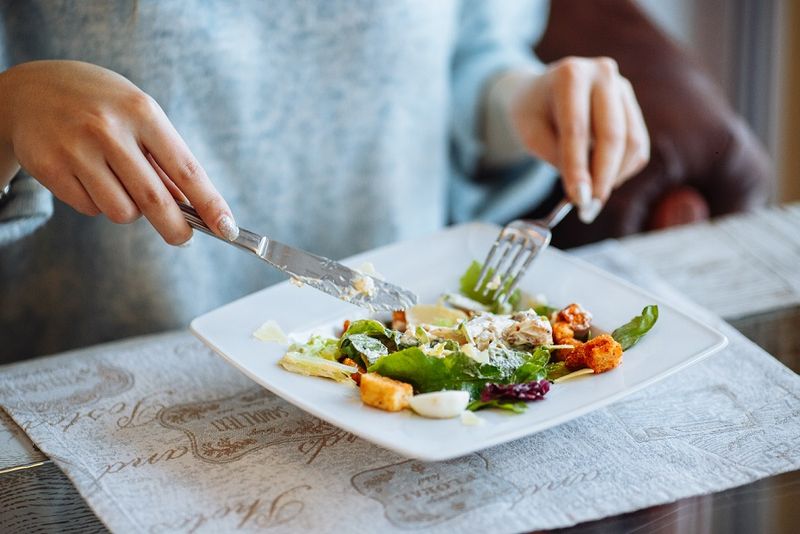
Racing through meals prevents your body from recognising when it's had enough. Your stomach needs about twenty minutes to signal your brain that you're satisfied.
Putting your fork down between bites and chewing thoroughly gives your digestive system time to work properly. Slower eating also helps you enjoy flavours more fully.
4. Fill Half Your Plate With Veggies
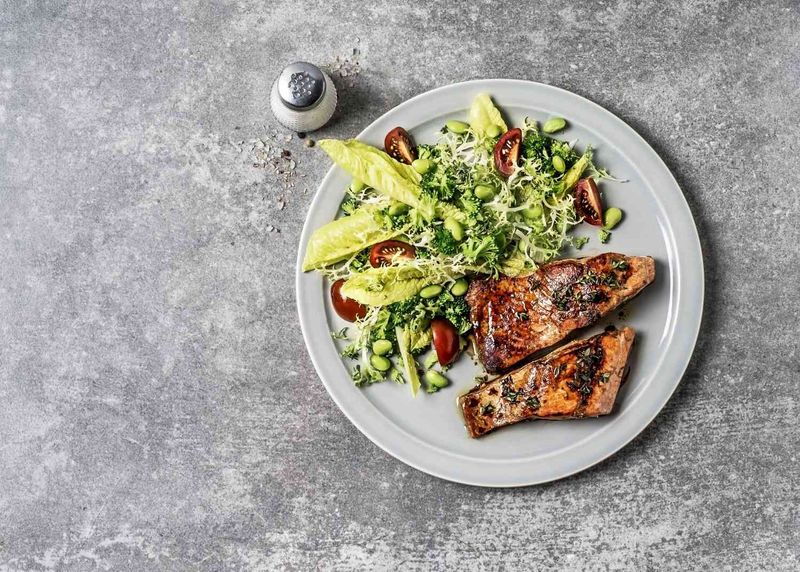
Vegetables pack loads of nutrients and fibre whilst being naturally low in calories. Making them the star of your plate means you'll feel satisfied without overdoing it.
The fibre in vegetables keeps you feeling full for hours after eating. Colourful veggies also make meals more interesting and appealing to look at.
This simple visual guideline works for lunch and dinner, helping you automatically balance your portions.
5. Swap Sugary Drinks For Water Or Tea

Fizzy drinks and juice boxes contain shocking amounts of hidden sugar and empty calories. A single can of fizzy drink can have ten teaspoons of sugar with zero nutritional benefit.
Switching to water or unsweetened tea saves hundreds of calories daily without leaving you hungry. Liquid calories are easier to overconsume since they don’t fill you up as much as solid foods.
6. Choose Wholegrains
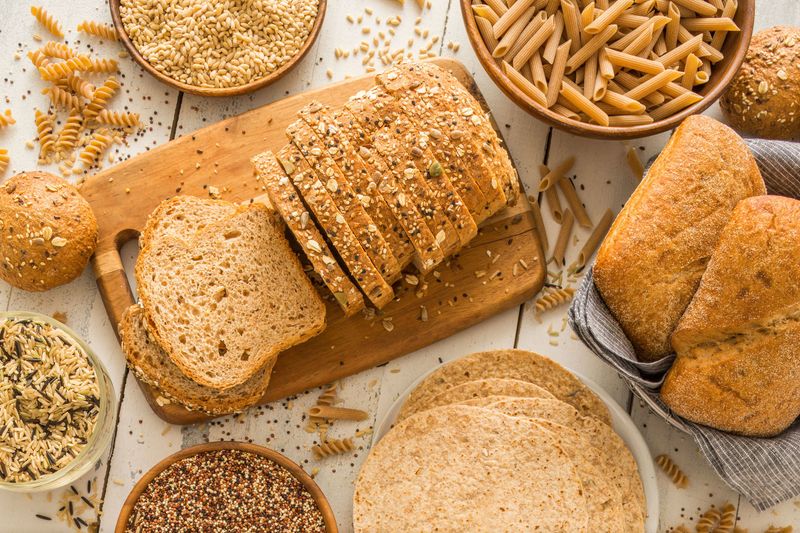
Wholegrain versions of bread, pasta, and rice contain more fibre than their white counterparts. Fibre slows digestion, keeping you satisfied for much longer between meals.
White refined grains cause blood sugar spikes that lead to energy crashes and cravings. Wholegrains provide steady energy throughout the day without those uncomfortable dips.
7. Add More Protein
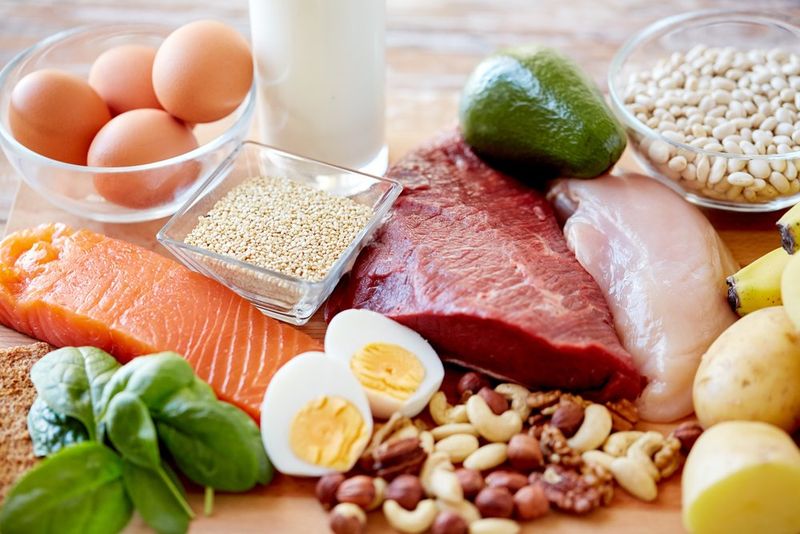
Protein is the most filling nutrient you can eat, helping you feel satisfied with fewer total calories. Your body also burns more energy digesting protein compared to carbohydrates or fats.
Including protein with every meal and snack prevents those mid-morning or afternoon energy slumps. Lean meats, fish, eggs, beans, and Greek yoghurt are excellent choices.
8. Snack On Fruit Instead Of Sweets
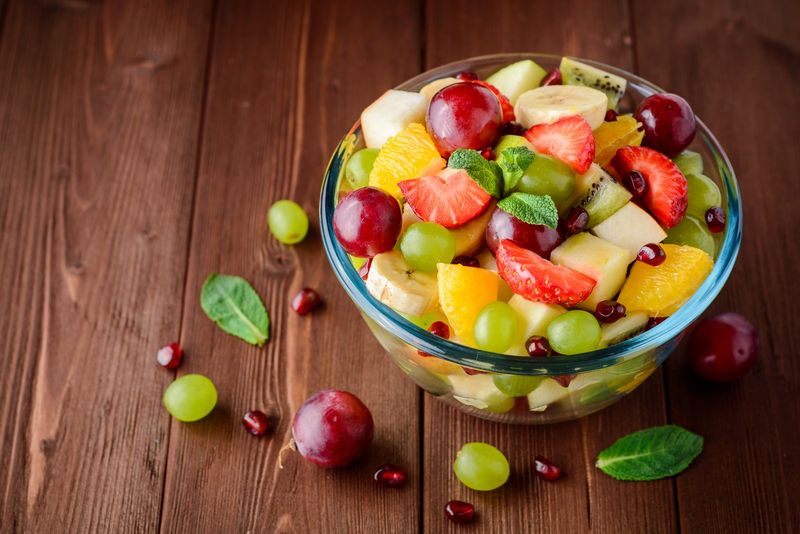
Fresh fruit satisfies sweet cravings whilst providing vitamins, minerals, and fibre that sweets simply don't offer. The natural sugars in fruit come packaged with nutrients that benefit your body.
An apple or banana fills you up far better than a chocolate bar with similar calories. The fibre in whole fruit slows sugar absorption, preventing energy crashes.
9. Cook At Home More Often

Restaurant and takeaway meals typically contain far more calories, salt, and fat than home-cooked versions. Chefs often add extra butter, oil, and sugar to make food taste richer.
Cooking at home gives you complete control over ingredients and portion sizes. You'll know exactly what goes into your meals and can make healthier substitutions easily.
10. Go Easy On Sauces And Dressings
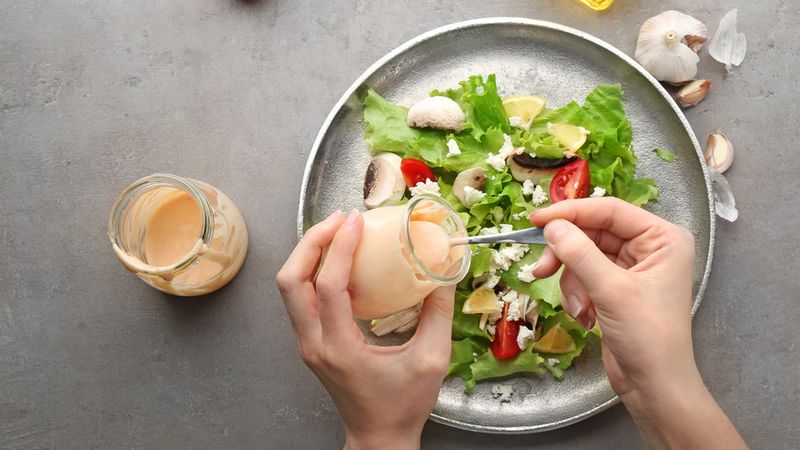
Creamy dressings and rich sauces can transform a healthy meal into a calorie bomb without you realising it. Just two tablespoons of some dressings contain over two hundred calories.
Using measuring spoons instead of pouring freely helps you enjoy flavour without overdoing it. Vinegar-based dressings or lemon juice offer tasty alternatives with minimal calories.
11. Avoid Eating From The Package
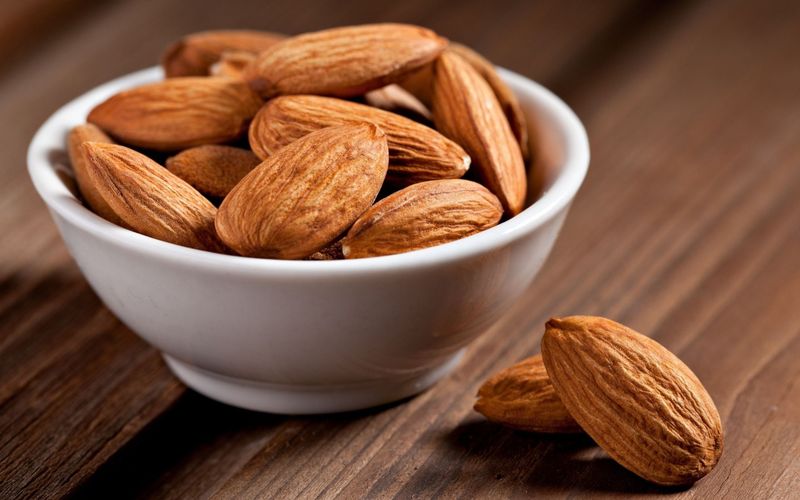
Munching directly from a large bag or box makes it impossible to track how much you've actually eaten. Before you know it, you've consumed far more than you intended.
Portioning snacks into a small bowl beforehand creates a natural stopping point. Seeing the amount you plan to eat helps your brain prepare for satisfaction.
12. Plan Your Meals Ahead

Having a plan prevents those desperate moments when hunger strikes and you grab whatever's quickest. Meal planning means healthy ingredients are always available when you need them.
Preparing meals in advance saves time during busy weekdays and reduces reliance on high-calorie convenience foods. You'll make better choices when you're not starving and stressed.



