











Everyday meals often lean on familiar ingredients that feel quick, reliable, and easy to prepare. Adding more vegetables does not always require new recipes or major changes in routine.
Small adjustments in preparation, portions, and pairings can gently increase variety without disrupting the meals people already enjoy. These simple shifts reflect how everyday cooking habits can evolve in practical, manageable ways.
All information is provided for general interest only. Taste, appearance, and availability may vary.
Photos are for illustrative purposes only.
1. Add Extra Veg To Pasta Sauces
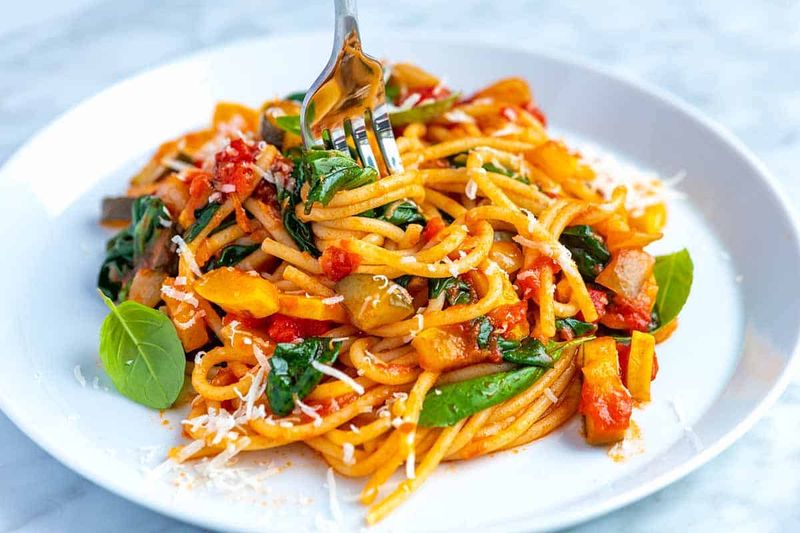
Pasta night just got a nutritious upgrade. Chop up some bell peppers, courgettes, or mushrooms and toss them into your tomato sauce while it simmers.
They soften beautifully and blend right in, adding texture and sweetness without overpowering the flavour.
If you want to go stealth mode, blitz cooked carrots or spinach into the sauce with a hand blender. Nobody will spot the difference, but everyone benefits from the extra vitamins.
It's a brilliant way to use up odds and ends from the fridge too.
2. Stir Spinach Or Peas Into Rice Dishes
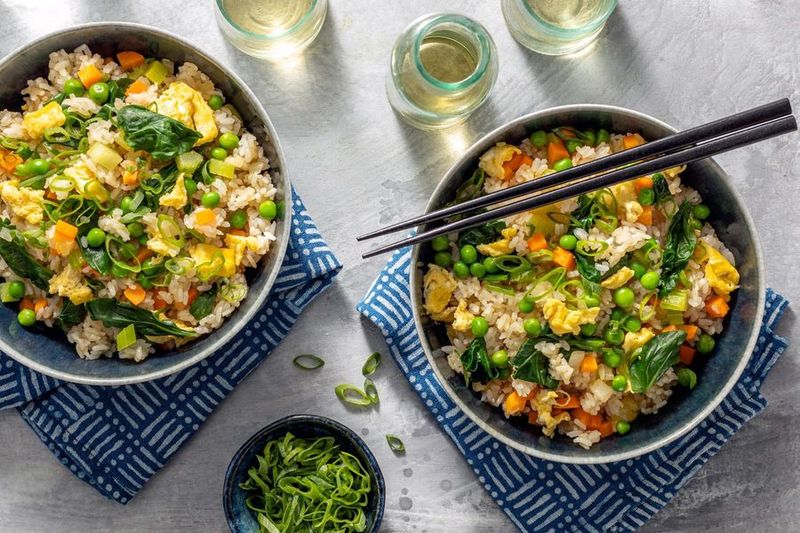
Rice is the ultimate blank canvas, so why not paint it green? A handful of frozen peas or a few big handfuls of spinach stirred through at the end adds colour, flavour, and a nice little nutritional boost.
Spinach wilts down in seconds, so you barely need to think about it.
This trick works brilliantly with pilaf, fried rice, or even a simple side of basmati. The veg absorbs all the lovely seasonings you've used, making every mouthful more interesting and wholesome.
3. Top Toast With Mushrooms Or Tomatoes

Forget plain butter and jam for a moment. Sautéed mushrooms or roasted tomatoes on toast make for a proper breakfast that feels indulgent but is actually packed with goodness.
Cook your mushrooms in a little olive oil with garlic and thyme, then pile them high on sourdough or wholemeal.
Tomatoes work just as well, especially when roasted until they're sweet and jammy. Add a sprinkle of salt and black pepper, and you've got a savoury start to the day that keeps you satisfied for hours.
4. Bulk Out Mince With Grated Carrot Or Courgette
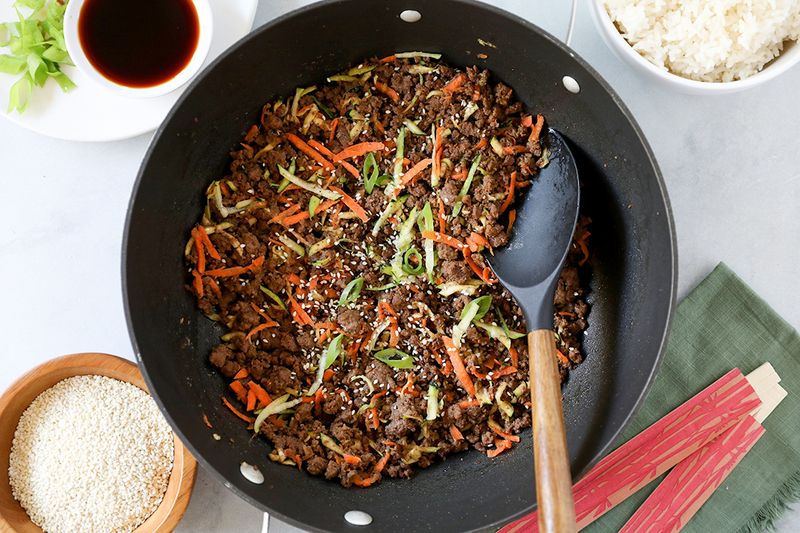
Stretching your mince with grated veg is an old trick that deserves more love. Grate a carrot or courgette into your bolognese, chilli, or shepherd's pie filling and watch it disappear into the mix.
It adds moisture, cuts down on grease, and makes the dish go further without anyone being the wiser.
Kids especially won't notice the difference, and you'll feel quietly smug knowing they're getting extra fibre and vitamins. Plus, it's kinder on the wallet when you're feeding a crowd.
5. Keep Frozen Veg Ready For Quick Additions
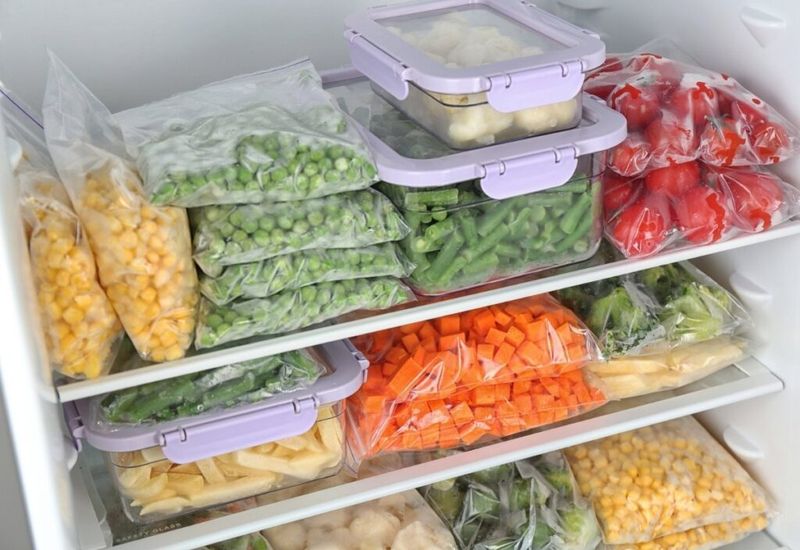
Your freezer is your secret weapon when it comes to eating more veg. Stock up on frozen peas, sweetcorn, green beans, or mixed veg and you'll always have something to hand.
They're already prepped, last for ages, and cook in minutes straight from the bag.
Chuck a handful into curries, stir fries, or even scrambled eggs for an instant upgrade. Frozen veg is just as nutritious as fresh, so there's no compromise on quality.
It's meal planning made ridiculously easy.
6. Add Side Salads To Familiar Dinners
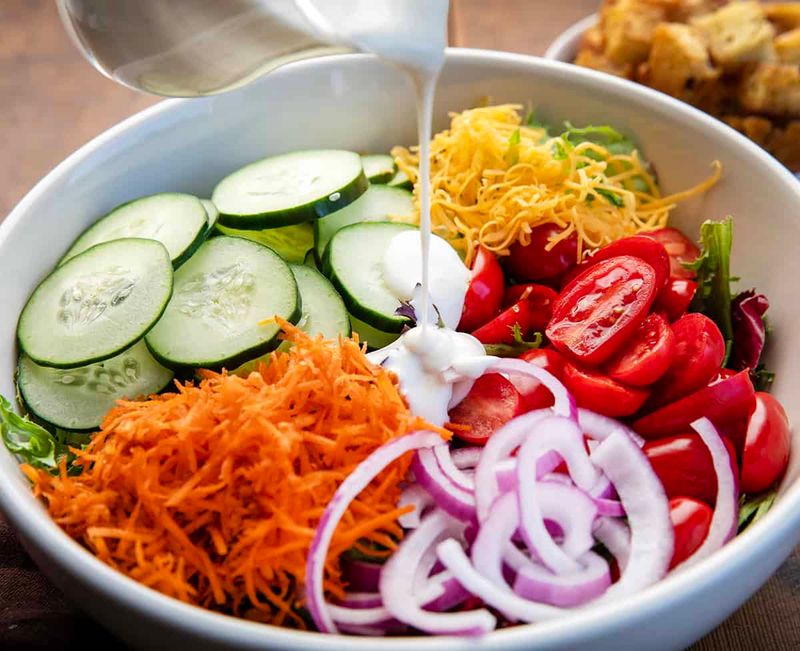
Sometimes the simplest solutions are the best. Throwing together a quick side salad takes barely five minutes and instantly makes any meal feel more balanced.
A handful of mixed leaves, some sliced cucumber, cherry tomatoes, and a drizzle of olive oil is all you need.
Serve it alongside your usual sausages and mash, fish and chips, or pizza, and you've added a fresh, crunchy element that cuts through richer flavours. It's an easy win that doesn't require any cooking at all.
7. Roast A Mixed Tray Of Vegetables At The Start Of The Week
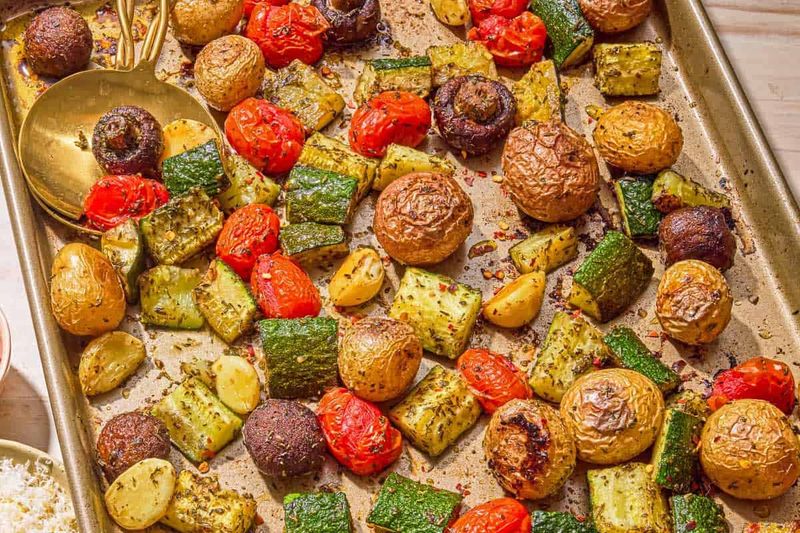
Meal prep doesn't have to mean cooking entire dinners in advance. Roast a big tray of mixed veg on Sunday evening and you've got a ready made stash to add to lunches and dinners all week.
Think peppers, courgettes, red onions, and cherry tomatoes tossed in olive oil and roasted until caramelised.
They taste brilliant stirred into pasta, piled onto jacket potatoes, or eaten cold in a wrap. Having them already cooked removes all the effort and makes healthy eating feel effortless.
8. Add Beans Or Lentils To Soups And Stews
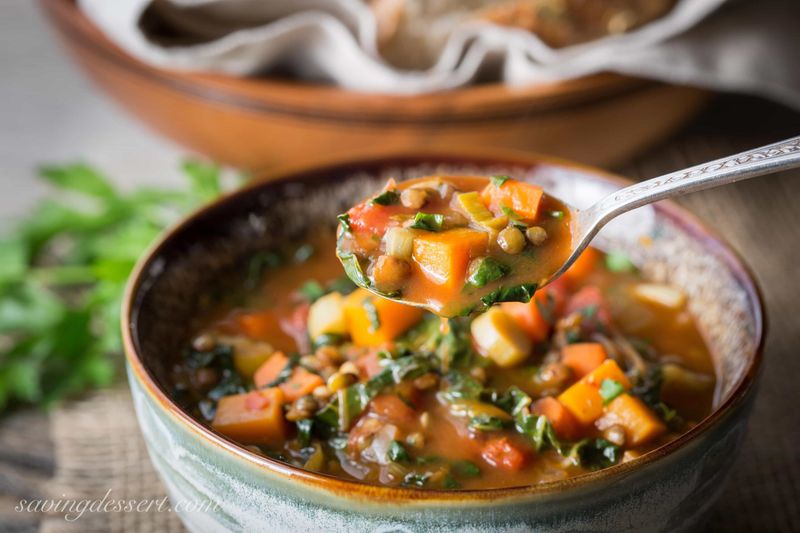
Beans and lentils might not be vegetables in the strictest sense, but they absolutely count towards your daily intake and bring loads of fibre and protein to the table. Stir a tin of butter beans, chickpeas, or cannellini beans into your next stew or soup for extra heartiness.
Lentils work brilliantly too, especially red or green ones that break down and thicken the broth. They soak up all the flavours and make the whole dish more filling without adding much effort or cost.
9. Swap Part Of The Rice Or Pasta For Veg Ribbons
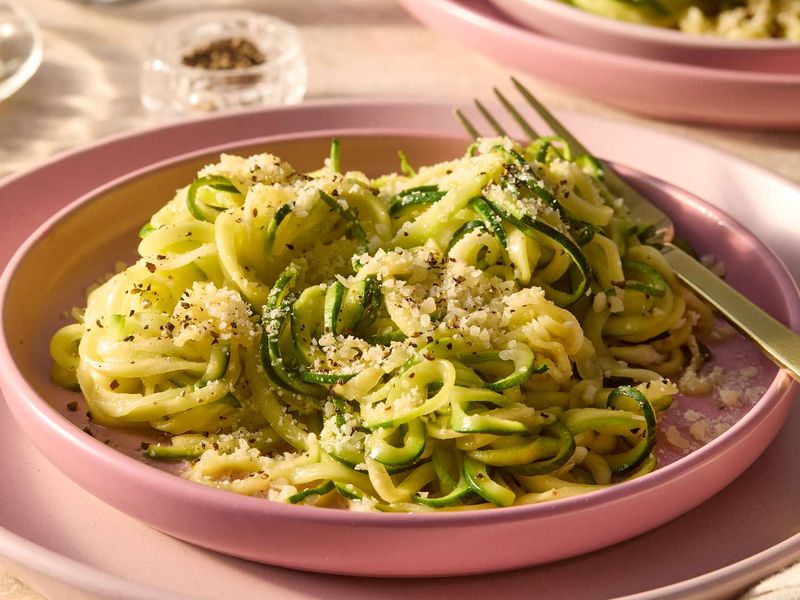
Courgette ribbons, carrot noodles, or spiralised butternut squash can stand in for some of your usual pasta or rice, lightening the dish without leaving you hungry. Use a vegetable peeler or spiraliser to create long, noodle like strips, then toss them with your sauce or stir fry.
You don't have to go fully veggie; mixing half and half gives you the best of both worlds. The veg ribbons add freshness and crunch, and you'll hardly miss the extra carbs.
10. Snack On Raw Veg With Simple Dips
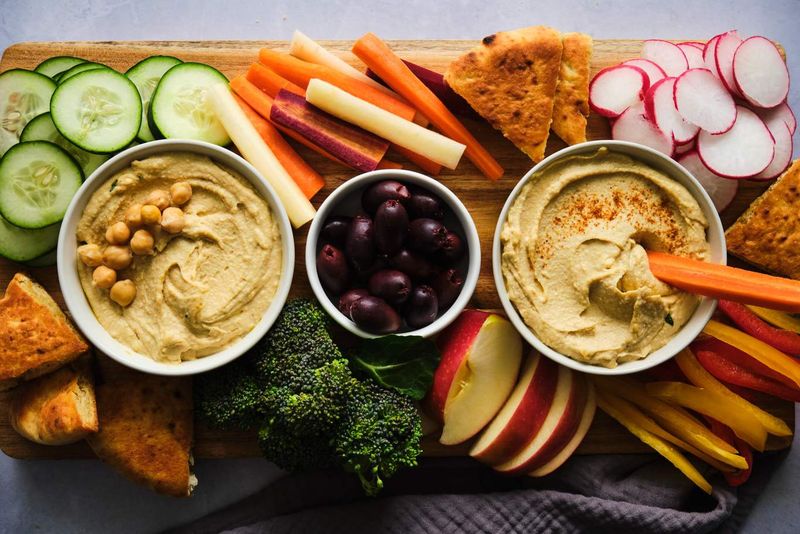
When hunger strikes between meals, reaching for carrot sticks, cucumber slices, or bell pepper strips with a tasty dip is a game changer. Hummus, tzatziki, or even a bit of cream cheese mixed with herbs makes raw veg feel like a proper treat rather than a chore.
Keep a container of prepped veg in the fridge so it's as easy to grab as a packet of crisps. It's crunchy, satisfying, and gives you an energy boost without the sugar crash that comes from biscuits or sweets.