













Evenings often bring a familiar routine of reaching into cupboards or opening the fridge without much thought. Tiredness, habit, or boredom can make snacks feel appealing long after dinner has finished.
Many people become curious about how small daily changes might influence these evening cravings. Finding practical ways to manage hunger later in the day can help create more mindful eating habits.
Have you ever noticed how certain routines quietly encourage late-night nibbling?
This information is provided for general educational purposes only and does not replace professional medical advice, diagnosis, or treatment. Individual dietary needs and health responses vary. Readers should consult a qualified healthcare professional before making significant dietary or lifestyle changes, particularly if they have existing conditions or take medication.
1. Eat Balanced Meals During The Day

Eating regularly during the day can help many people feel more satisfied by evening. Meals that include a mix of protein, fats, and fibre often help maintain steady energy.
Some people prefer three meals, while others feel better with different eating patterns. Paying attention to how meals affect hunger can guide better choices later in the day.
Finding a rhythm that suits personal routines usually makes evening cravings easier to manage.
2. Keep A Consistent Dinner Time

Having a predictable evening meal can help create a comfortable daily rhythm. Regular mealtimes often make it easier to recognise natural hunger and fullness patterns.
Some people find that spacing meals evenly supports steadier appetite cues. The exact timing varies depending on work schedules, family life, and sleep habits.
Choosing a dinner time that fits naturally into daily routines often feels more sustainable..
3. Drink Water Or Herbal Tea First

Taking a moment to drink something can help people pause before reaching for food. Warm herbal teas or a glass of water can feel comforting during quiet evening hours.
The simple act of sipping slowly gives time to notice whether hunger is genuine or linked to routine. Many people enjoy the calming ritual of preparing a hot drink before deciding to snack.
Small pauses like this can encourage more mindful evening habits.
4. Remove Tempting Snacks From Easy Reach
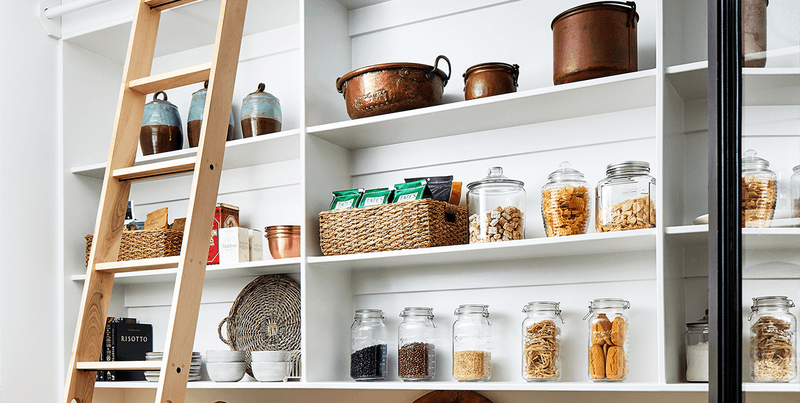
Out of sight really does mean out of mind when it comes to snacking. If crisps, chocolate, and biscuits are sitting right there on the counter, you'll think about them constantly.
Store these foods in high cupboards, opaque containers, or even in the garage if you have one. Make yourself work for them.
The extra effort required often gives you time to reconsider whether you truly want that snack or if it's just habit calling.
5. Choose Filling Foods With Protein And Fibre
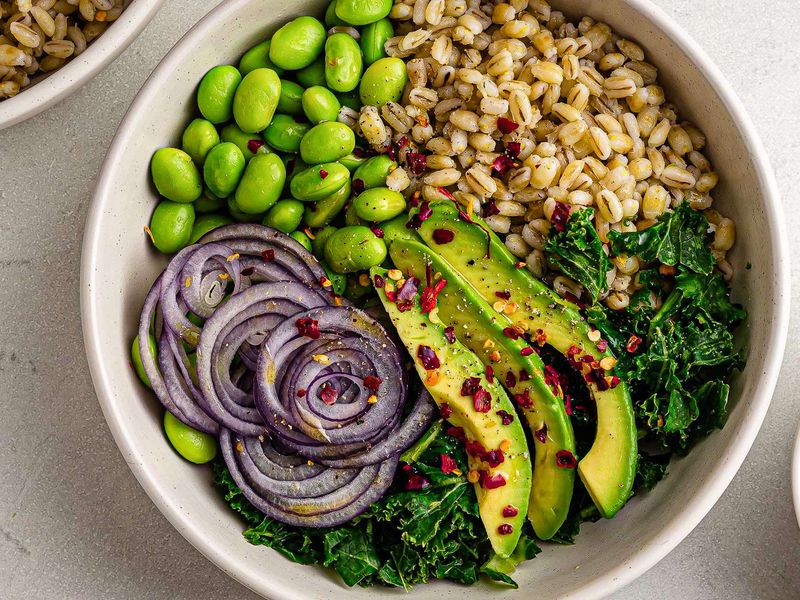
Not all foods satisfy hunger equally. Protein and fibre are the champions at keeping you full for hours after eating, whilst sugary or processed foods leave you hungry again quickly.
Include foods like chicken, fish, beans, lentils, whole grains, and plenty of vegetables at dinner. These take longer to digest and help maintain steady energy levels.
When your evening meal is truly satisfying, the urge to snack later naturally decreases.
6. Brush Your Teeth Earlier In The Evening

There's something psychological about brushing your teeth that signals your eating is done for the day. The fresh, minty taste makes other foods less appealing, and you're less likely to want to brush again.
Make this part of your evening routine around 8 PM. It creates a clear boundary between dinner time and bedtime, and most people find they're less tempted to eat once their mouth feels clean and fresh.
7. Set A Kitchen Closing Time
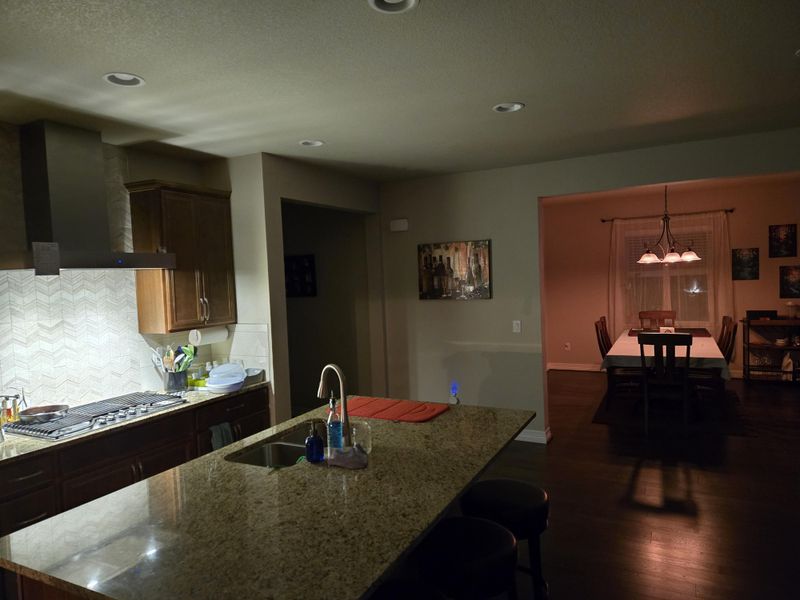
Establishing a specific time when the kitchen officially closes can be surprisingly effective. Choose a time that works for your schedule, perhaps 8 or 9 PM, and commit to it.
After that time, the kitchen is off-limits except for water. Tell your family about this rule so they can support you.
Having a clear boundary removes the constant decision-making about whether to snack, which makes it easier to stick with your goal.
8. Avoid Eating Directly From Large Packages

Eating straight from a family-sized bag of crisps or a tub of ice cream is a recipe for overeating. Without visual cues about how much you've consumed, it's incredibly easy to polish off far more than you intended.
If you do decide to have a snack, always portion it into a small bowl first. This simple act helps you see exactly how much you're eating and makes you more mindful about whether you want more.
9. Plan A Satisfying Evening Meal

When dinner feels like an afterthought or leaves you unsatisfied, you're setting yourself up for snacking later. Take time to plan meals that you genuinely look forward to eating and that fill you up properly.
Include foods you enjoy, not just what you think you should eat. A satisfying dinner that hits the spot makes you feel content and reduces the likelihood you'll be rummaging through cupboards an hour later looking for something more.
10. Get Enough Sleep Each Night

Sleep plays an important role in overall wellbeing, including how people experience hunger and energy. Feeling well rested often makes daily routines feel more manageable.
Tiredness can sometimes influence food choices or eating patterns for some individuals. Establishing relaxing bedtime habits can support better rest and evening routines.
Improving sleep gradually often supports healthier daily rhythms overall.
11. Manage Stress With Relaxing Activities

Stress is one of the biggest triggers for nighttime eating. When you're anxious or overwhelmed, food becomes a comfort mechanism rather than fuel your body needs.
Find healthy ways to decompress in the evening that don't involve eating. Try reading, taking a warm bath, doing gentle stretches, listening to music, or practicing meditation.
These activities calm your nervous system and address the real issue - stress - rather than masking it with food.
12. Keep Hands Busy With Hobbies

Boredom is a massive trigger for mindless snacking. When your hands are idle whilst watching television, they naturally reach for food even when you're not hungry.
Take up hobbies that keep your hands occupied - knitting, drawing, puzzles, playing an instrument, or even fidget toys. When your hands are busy doing something enjoyable, they can't simultaneously be digging into a packet of biscuits.
The distraction also helps time pass more quickly until bedtime.
13. Avoid Screen Time While Snacking
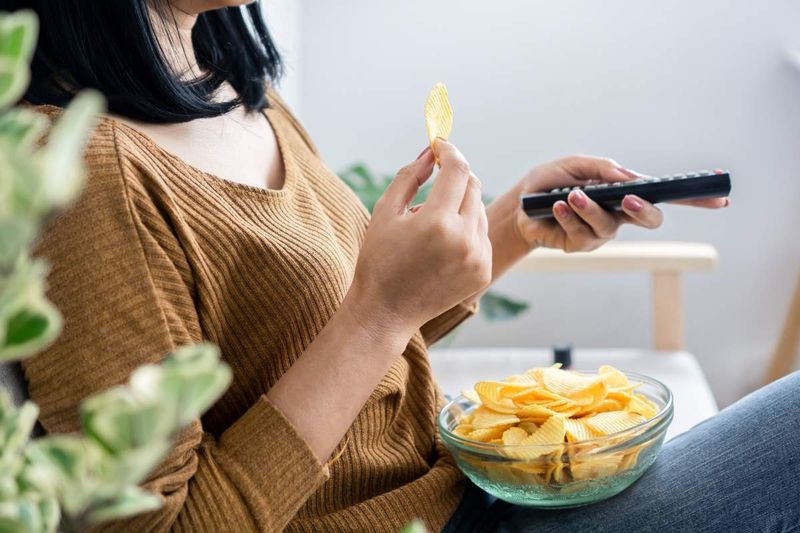
Eating whilst staring at screens is the definition of mindless eating. You're not paying attention to what or how much you're consuming, which means you miss your body's fullness signals entirely.
If you must snack, sit at the table without distractions and eat slowly. Better yet, separate eating from entertainment completely.
When you're truly present with your food, you eat less and enjoy it more, which naturally reduces the urge to keep eating.
14. Keep Healthy Snacks Prepared If Hunger Hits

Sometimes genuine hunger strikes in the evening, and fighting it can backfire. Instead of white-knuckling through it, have healthy options ready that won't derail your efforts.
Prepare snacks ahead of time: cut vegetables with hummus, fruit portions, plain yogurt, or a small handful of nuts. These provide nutrition without excessive calories.
Having healthy choices readily available means you're less likely to grab whatever's easiest, which is usually less healthy.
15. Pay Attention To Emotional Eating Triggers

Understanding the reasons behind evening snacking can offer helpful insight into daily habits. Sometimes hunger appears alongside stress, boredom, or routine rather than physical need.
Keeping simple notes about mood and timing can reveal patterns that might otherwise go unnoticed. Recognising these moments allows people to respond with activities that feel comforting or distracting.
Exploring these patterns calmly can help build more balanced and flexible eating routines.



