











British comfort food is a national treasure – hearty, nostalgic, and full of flavour.
But some of our best-loved dishes aren’t exactly known for being light.
The good news is that you don’t have to give up your Sunday roast or favourite pub classics to eat a bit smarter.
With a few simple swaps and tweaks, you can keep all the flavour and satisfaction while cutting down on the heavier stuff.
This article is for general informational purposes only.
Ingredient choices, nutritional values, and results may vary depending on preparation methods and personal preferences.
Swap Creamy Sauces For Greek Yoghurt

Cream-based sauces are a staple in British cooking, from coronation chicken to stroganoff.
But all that double cream adds up quickly in calories and saturated fat.
Greek yoghurt offers the same rich, creamy texture with far less fat and a decent protein boost to keep you fuller for longer.
It works brilliantly in both hot and cold dishes. Stir it through pasta, dollop it on jacket potatoes, or mix it into curries for that silky finish.
The tangy flavour adds a pleasant sharpness that balances out heavier ingredients beautifully.
Use Sweet Potatoes Instead Of Regular Chips

Regular white potatoes are fine, but sweet potatoes bring something extra to the table.
They're packed with beta-carotene, which your body converts into vitamin A, and they have a lower glycaemic index, meaning they won't spike your blood sugar as quickly.
That's a win if you're trying to keep energy levels steady throughout the day.
Slice them into wedges, toss with a little olive oil, and bake until crispy.
They pair beautifully with everything from Sunday roasts to homemade burgers, and the natural sweetness is surprisingly moreish.
Choose Lean Mince Over Full-Fat Beef
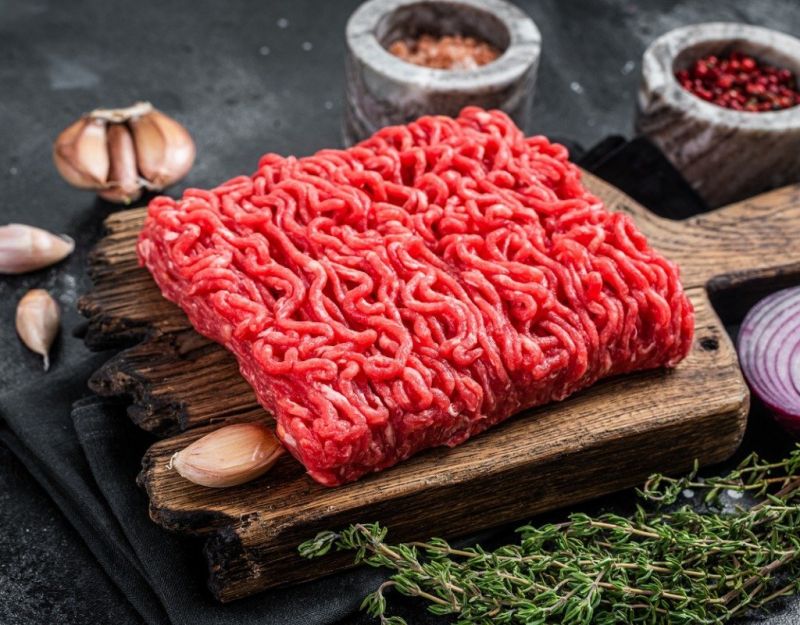
A proper spag bol or cottage pie just isn't the same without mince, but the fatty stuff can leave you feeling sluggish.
Lean mince – usually labelled as 5% fat or less – cuts down on saturated fat while still delivering all that meaty flavour you crave.
You won't even notice the difference once it's cooked down with onions, garlic, and a rich tomato sauce.
If you're feeling adventurous, turkey or chicken mince are brilliant alternatives too.
Both are lower in fat and work beautifully in traditional British dishes like shepherd's pie or meatballs.
Replace White Bread With Wholegrain
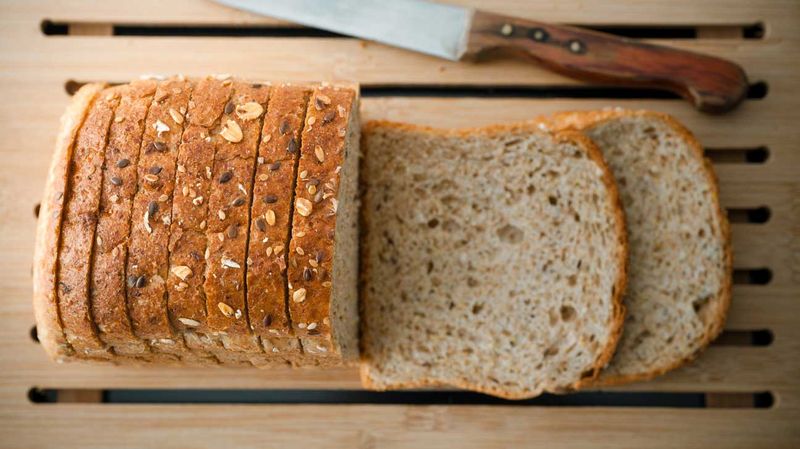
White bread is a British staple, whether it's for toast, sandwiches, or mopping up the last bits of a fry-up.
But it's low in fibre and nutrients, leaving you hungry again before you know it.
Wholegrain bread, on the other hand, is loaded with fibre, B vitamins, and minerals that support digestion and keep you satisfied longer.
Look for loaves with visible grains and seeds for maximum benefit.
Seeded batch bread or granary rolls are perfect for chip butties, bacon sarnies, or simply slathered with butter and Marmite.
Bake Or Grill Instead Of Frying
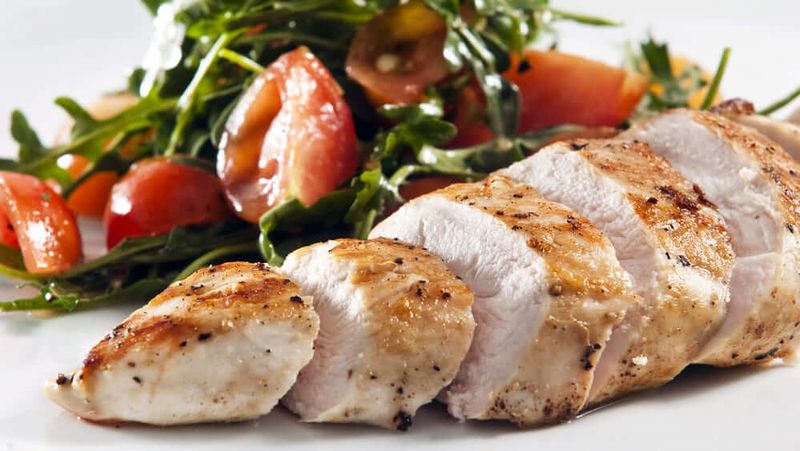
Frying is quick and tasty, but it also soaks your food in oil and unnecessary calories.
Baking or grilling achieves that same golden, crispy finish without all the extra fat.
Sausages, bacon, fish, and even breaded chicken come out beautifully when cooked this way, and cleanup is usually easier too.
For best results, use a wire rack over a baking tray so air circulates around the food.
A light brush of oil is all you need. Your full English will still taste incredible, just with a fraction of the grease.
Add Extra Vegetables To Classic Dishes
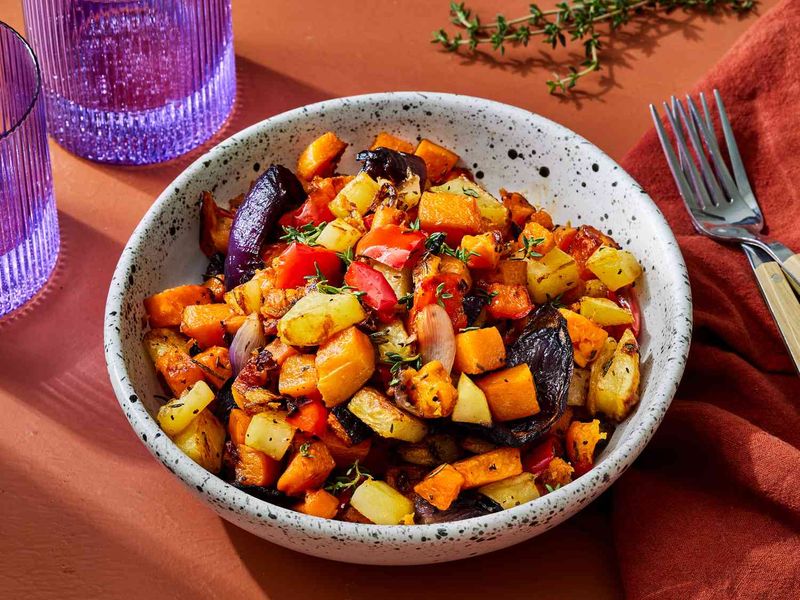
British classics like stews, pies, and casseroles are perfect vehicles for sneaking in more veg.
Carrots, peas, mushrooms, and leeks add bulk, flavour, and a serious nutrient boost without changing the essence of the dish.
Plus, they help stretch your meal further, which is always handy when you're feeding a crowd or meal prepping for the week.
Grate courgette or carrot into bolognese, stir spinach into curries, or layer roasted veg into lasagne.
You'll barely notice the difference, but your body definitely will.