











Rising food prices have made many households pay closer attention to how they shop each week. Small changes in planning, timing, and decision-making can quietly reduce spending without affecting variety or enjoyment at mealtimes.
Building a few consistent habits makes it easier to keep grocery costs predictable while still shopping in a practical, flexible way.
All information is provided for general interest only. Prices, offers, availability, and savings may vary by retailer, location, and individual shopping habits. Photos are for illustrative purposes only.
Plan A Loose Weekly Menu Before Shopping

Mapping out meals for the week ahead might sound like extra work, but it actually saves time and money in the long run. You don't need rigid recipes for every single meal; just a rough idea of what you'll cook stops you wandering the aisles aimlessly.
When you know Monday's pasta night and Thursday's a stir fry, you buy only what's needed. No more sad, forgotten vegetables wilting at the back of the fridge.
Plus, planning lets you use ingredients across multiple meals, stretching your budget further without repeating the same dish.
Shop With A Written List And Stick To It
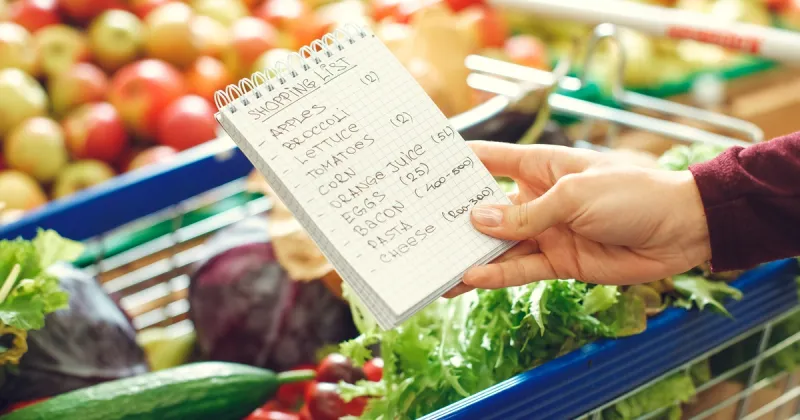
Walking into a supermarket without a list is like setting off on a road trip without a map. You'll probably get somewhere, but it won't be efficient or cheap.
A written list keeps you focused and dramatically cuts down on impulse buys. Those "just one more thing" moments add up faster than you'd think, often padding your bill by several pounds.
Stick to what you've written down, and you'll breeze through the shop with your wallet intact. It's a small habit that delivers surprisingly big results every single week.
Compare Price Per Unit On Shelf Labels
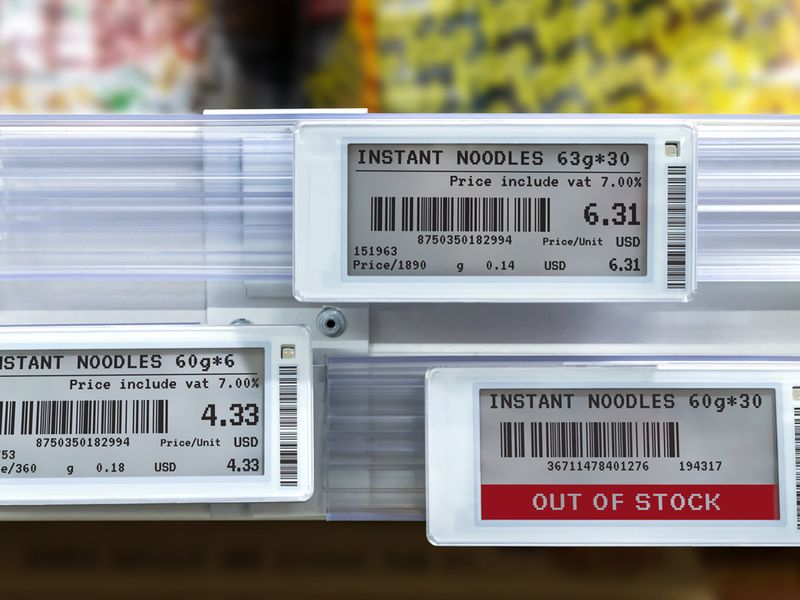
Bigger isn't always better when it comes to value. Supermarkets often display the price per 100g or per litre on shelf labels, and this little detail is your secret weapon for smart shopping.
Sometimes a smaller pack works out cheaper per unit than the family size. Checking these numbers takes seconds but can save you a surprising amount over time, especially on staples you buy regularly.
Once you get into the habit, comparing becomes second nature. You'll spot genuine bargains and avoid sneaky pricing tricks that make you think you're saving when you're not.
Choose Own-Brand Staples Where Suitable
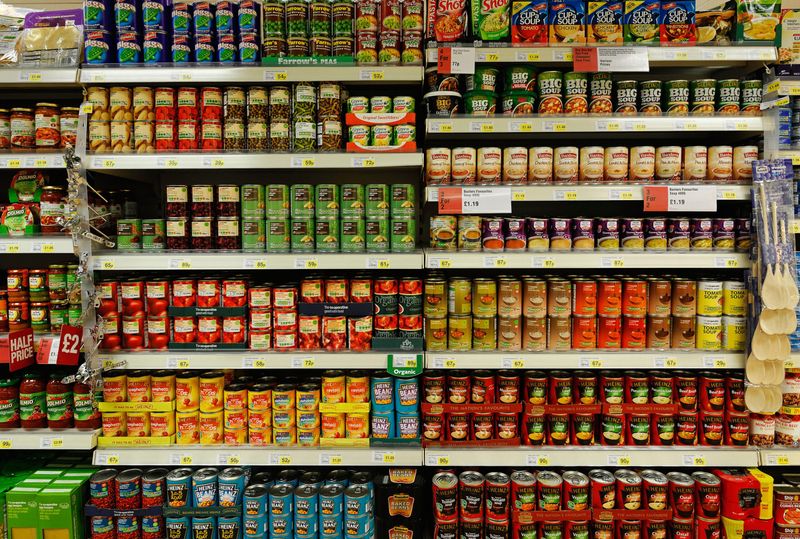
Own-brand products have come a long way from their bland reputation of decades past. Many supermarket staples like flour, pasta, rice, and tinned tomatoes are virtually identical to their branded cousins, just without the fancy packaging and advertising markup.
Swapping even a handful of items to own-brand versions can shave pounds off your weekly shop without anyone at the dinner table noticing a difference. Save the branded splurges for things where taste really matters to you, and let the own-brand workhorses carry the rest of your shopping basket.
Buy Seasonal Fruit And Vegetables
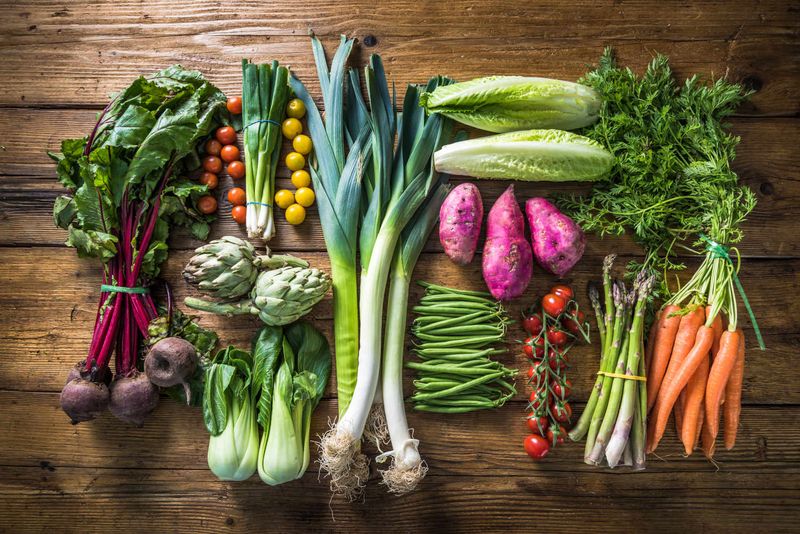
Strawberries in December might sound tempting, but they'll cost you a small fortune and taste like disappointment. Seasonal produce is cheaper because it's abundant and doesn't need to travel halfway round the world to reach your plate.
Spring brings asparagus and new potatoes, summer offers berries and courgettes, autumn delivers squash and apples, whilst winter means root veg and brassicas.
Following the seasons not only saves money but also guarantees better flavour and freshness. Your taste buds and your bank account will both thank you for it.
Avoid Shopping When Hungry Or Rushed
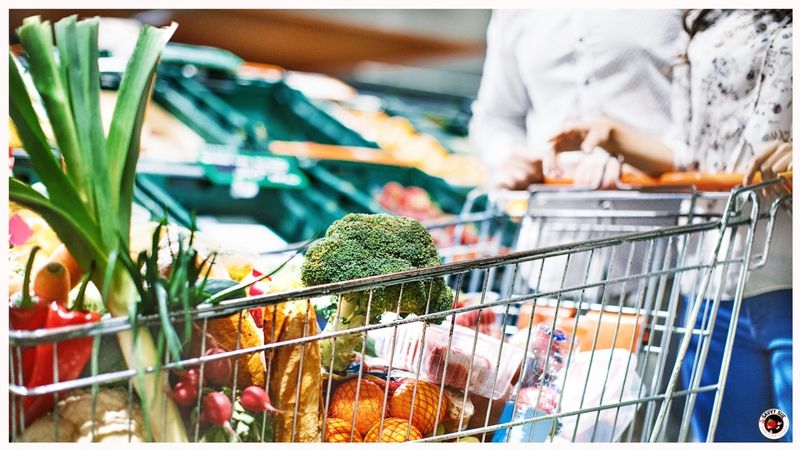
Shopping on an empty stomach is a recipe for disaster. Everything looks appealing when you're starving, and suddenly that family-size bag of crisps and three types of biscuits seem absolutely essential.
Being rushed is just as dangerous because you grab things without thinking, skip comparing prices, and make hasty decisions you'll regret at the checkout. Plan your shopping trip for when you're fed, calm, and have a bit of time.
You'll make smarter choices, stick to your list better, and avoid those expensive "what was I thinking?" purchases.
Use The Freezer For Bread, Meat, And Leftovers
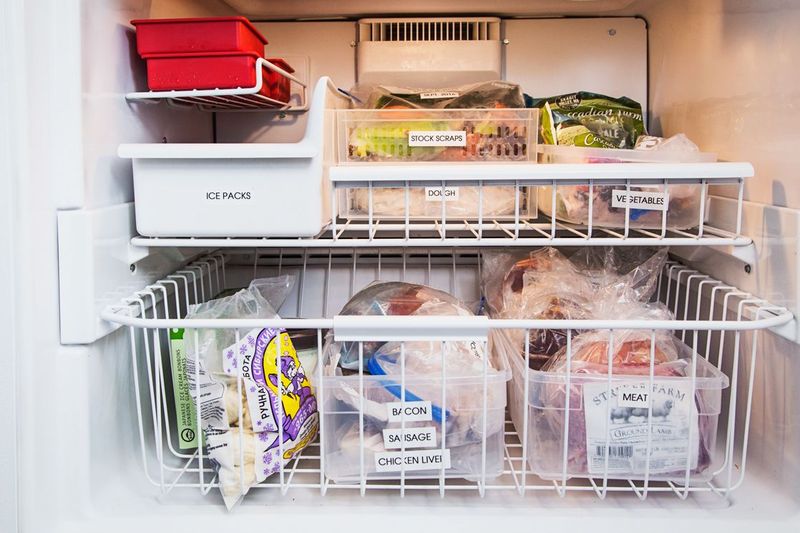
Your freezer is basically a money-saving machine that most people underuse. Bread freezes beautifully and defrosts in minutes, meaning you can buy reduced loaves without worrying they'll go stale.
Meat near its use-by date but on offer? Pop it straight in the freezer.
Cooked too much for dinner? Freeze portions for lazy nights when cooking feels impossible.
Treating your freezer as an extension of your pantry rather than a forgotten ice cave prevents waste and lets you take advantage of bargains whenever they appear.
Check Reduced Sections For Same-Day Use
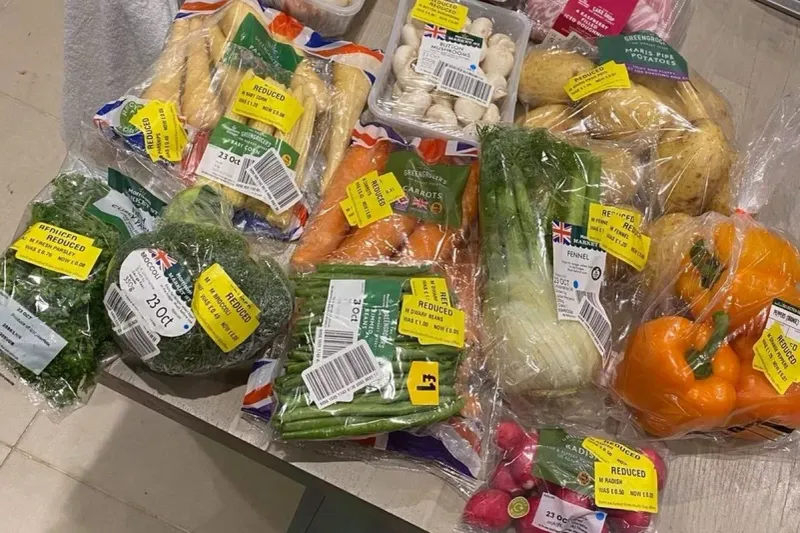
The reduced section is where savvy shoppers strike gold. Items nearing their use-by date get slashed in price, sometimes by 50% or more, and they're perfectly fine if you're using them that day or freezing them immediately.
Timing matters though. Early evening is prime hunting time in most supermarkets, when staff mark down fresh items that won't sell before closing.
You might not always find what you need, but when you do, it's like winning a tiny lottery. Build these bargains into your meal planning and watch your savings grow.
Limit Multi-Buy Offers To Items You Actually Use
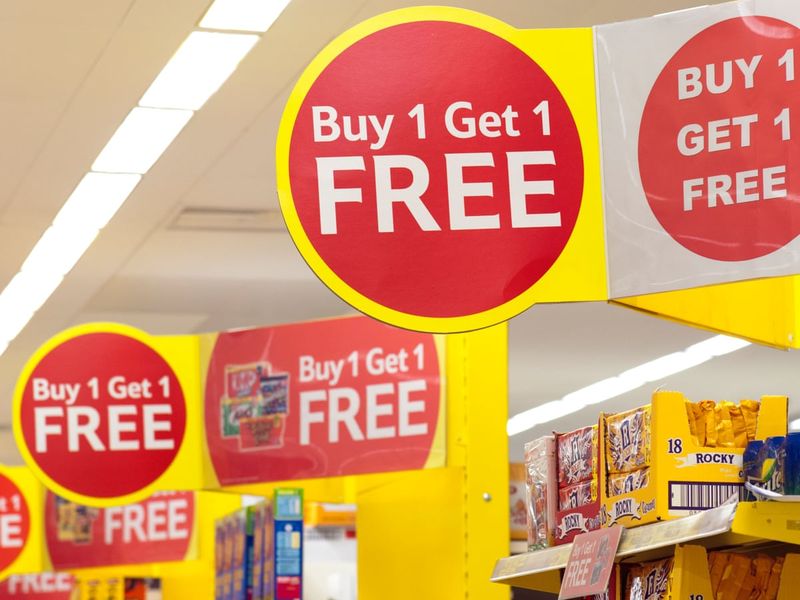
Multi-buy deals can be brilliant or a complete trap depending on whether you actually need three jars of pasta sauce this month. Supermarkets know these offers are irresistible, which is exactly why they use them to shift stock.
Before grabbing that three-for-two, ask yourself honestly: will I use all of this before it goes off? If the answer's no, you're not saving money; you're wasting it.
Stick to multi-buys on non-perishables you genuinely go through regularly, and you'll enjoy real savings rather than a cupboard full of regret.
Keep Track Of What's Already In The Cupboard

How many times have you bought something only to discover you already had two at home? Keeping a loose inventory of your cupboard staples prevents this frustrating and expensive mistake.
You don't need a spreadsheet or fancy app. A quick glance before making your shopping list is usually enough to know what's running low and what's still abundant.
This simple habit stops you buying duplicates, helps you use what you've got before it expires, and ensures nothing gets forgotten and wasted at the back of the cupboard gathering dust.