Soft cinnamon rolls have a way of disappearing faster than you expect. The difference between good and unforgettable often comes down to small details most people overlook.
Have you ever wondered why bakery rolls feel lighter and fluffier than homemade ones? A few quiet techniques can change everything.
This article is intended for general cooking inspiration. Results may vary depending on ingredients, equipment, and individual baking experience.
1. Use Bread Flour For Better Structure
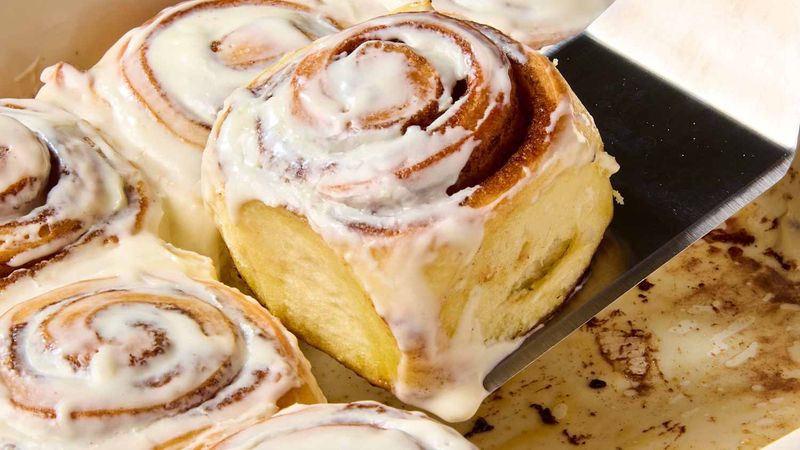
Bread flour contains more protein than regular all-purpose flour, which creates stronger gluten strands. These strands trap air bubbles better, giving your rolls that soft, chewy texture everyone loves.
The extra protein also helps the dough hold its shape during rising and baking. Your cinnamon rolls will be taller, fluffier, and less likely to collapse after coming out of the oven.
2. Warm The Milk Gently, Not Hot
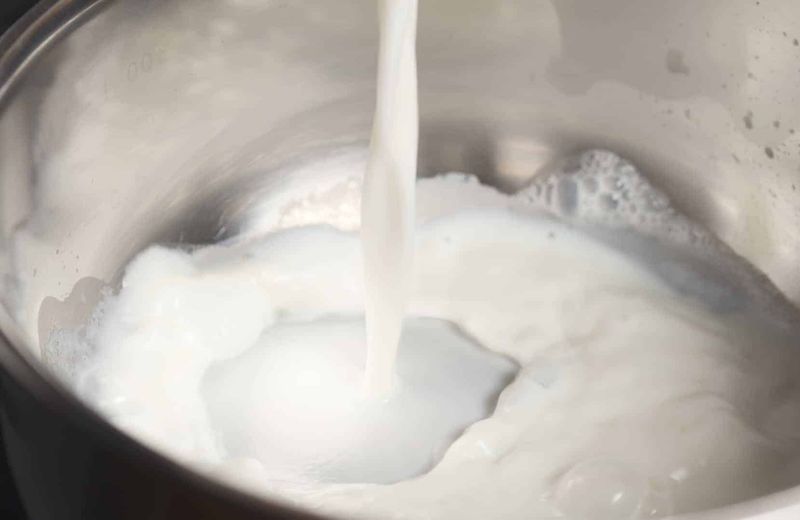
Warming the milk to about 43°C helps the yeast become active without harming it. Too hot, and you'll destroy the yeast before it has a chance to make your dough rise.
Think of it like giving your yeast a cosy bath, not a boiling one. The milk should feel warm to the touch but not uncomfortable, similar to bath water for a baby.
3. Let The Yeast Fully Activate
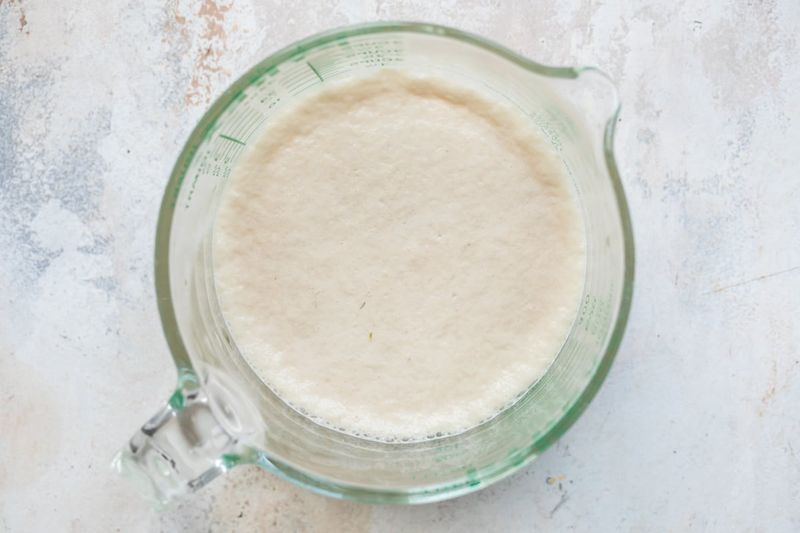
Patience pays off when you see that yeast mixture turn bubbly and frothy. This usually takes about five to ten minutes, and it's proof your yeast is alive and ready to work its magic.
Skipping this step or rushing through it means your dough won't rise properly. You'll end up with dense, flat rolls instead of those dreamy, airy spirals you're after.
4. Add Eggs At Room Temperature
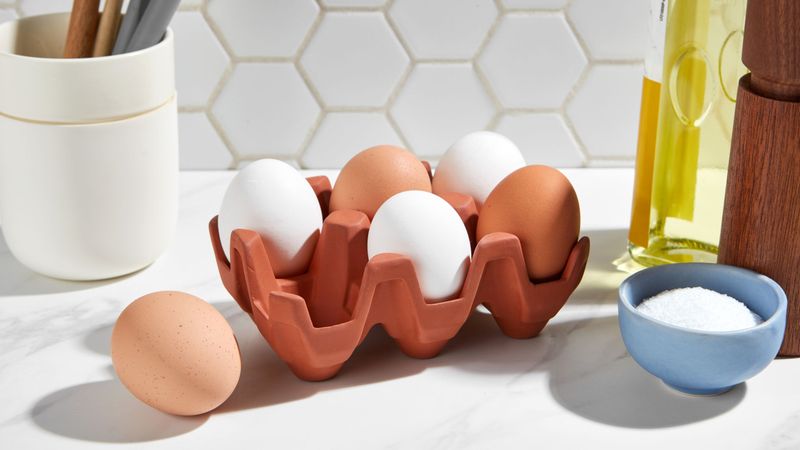
Cold eggs straight from the fridge can shock your dough and slow down the rising process. Room temperature eggs blend smoothly into the mixture, creating a uniform texture throughout.
Simply set your eggs out about thirty minutes before you start baking. They'll incorporate better with the other ingredients, helping create that tender crumb structure everyone raves about in perfect cinnamon rolls.
5. Knead Until The Dough Is Smooth And Elastic
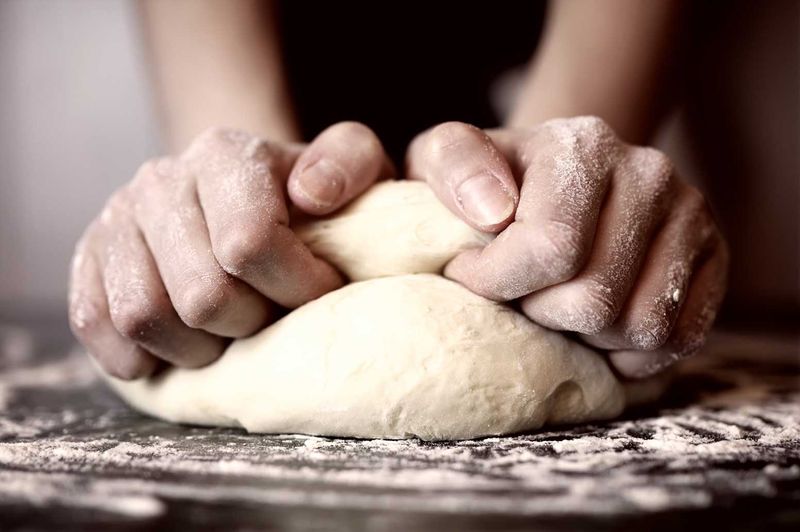
Proper kneading develops the gluten network that gives your rolls their springy, soft texture. You'll know it's ready when the dough bounces back after you poke it and feels silky smooth.
This usually takes eight to ten minutes by hand or about five minutes with a stand mixer. Don't rush this step - under-kneaded dough produces tough, dense rolls instead of pillowy soft ones.
6. Allow A Proper First Rise Without Rushing
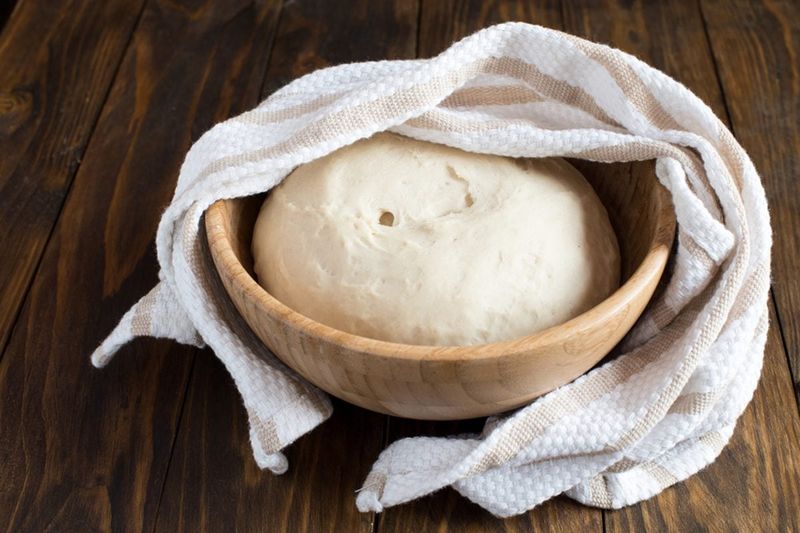
Your dough needs time to double in size, which typically takes one to two hours in a warm spot. During this rise, the yeast produces gases that create all those tiny air pockets for softness.
Rushing this stage by using too much heat or not waiting long enough results in rolls that taste yeasty and have a dense, heavy texture nobody wants.
7. Use Soft Butter In The Filling
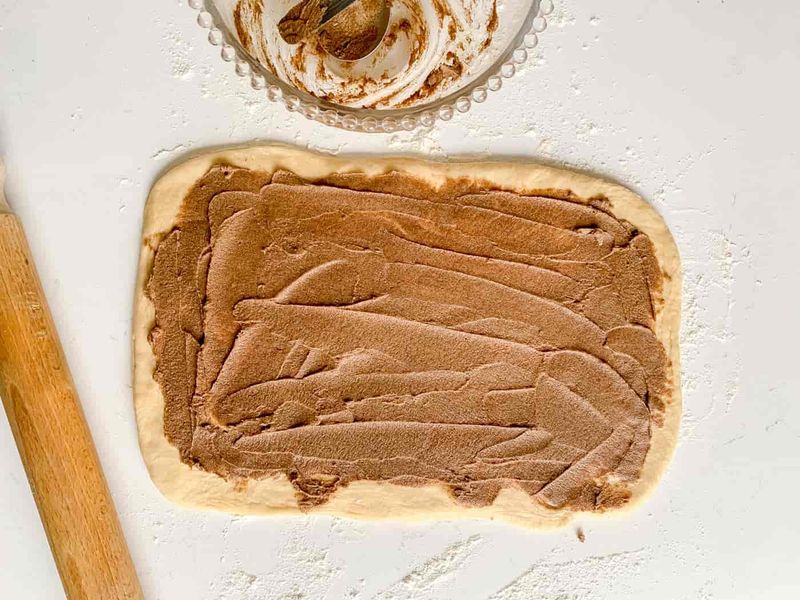
Soft butter spreads evenly across your dough without tearing it, ensuring every bite has that rich, buttery cinnamon flavour. Cold butter creates clumps and leaves bare spots that bake up dry and disappointing.
Leave your butter at room temperature for about an hour before you need it. It should be spreadable like thick cream, not melted or rock-hard from the fridge.
8. Roll The Dough Evenly To Avoid Dry Spots
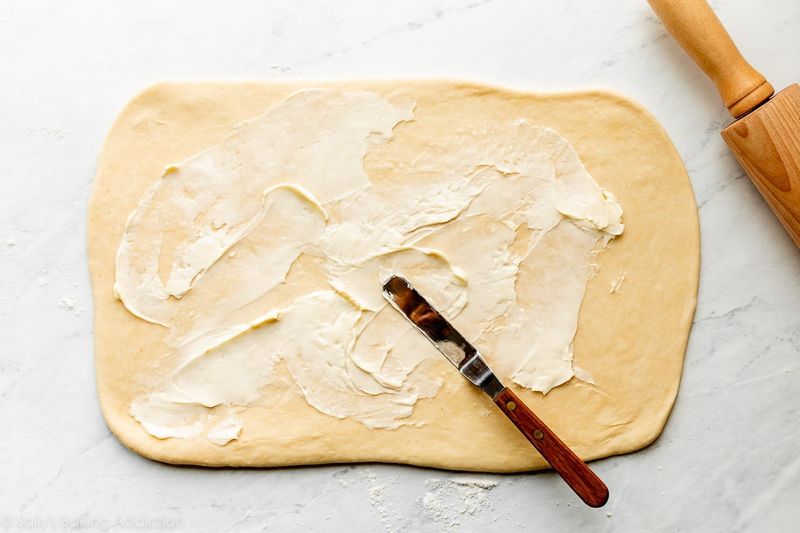
An evenly rolled dough means consistent thickness throughout, so every roll bakes at the same rate. Thick spots stay doughy whilst thin areas dry out and become tough, ruining your batch.
Aim for about half a centimetre thickness across the entire rectangle. Use a ruler if you need to - precision here makes a massive difference in the final texture of your rolls.
9. Let The Rolls Rise Again Before Baking
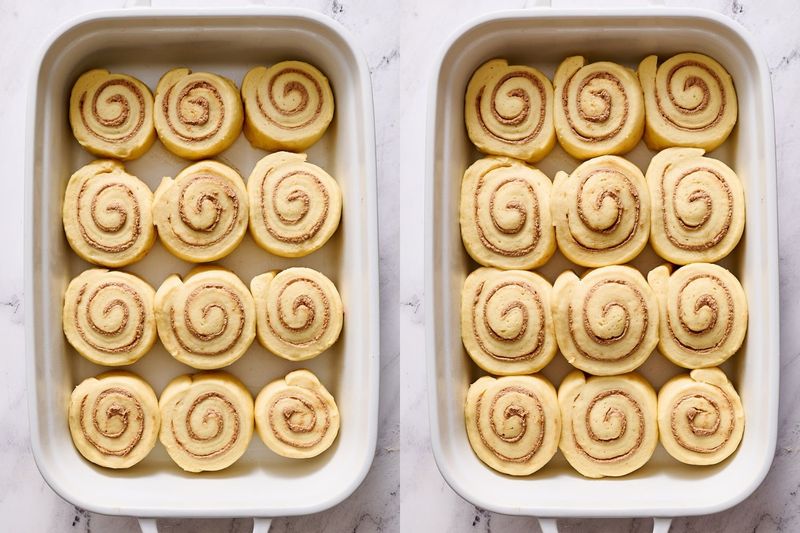
This second rise is absolutely crucial for achieving that bakery-style softness. The rolls should look puffy and nearly doubled, touching each other gently in the pan before they go into the oven.
This step usually takes thirty to forty-five minutes. Skipping it means your rolls will be dense and heavy instead of light and fluffy, no matter how perfect everything else was.
10. Avoid Overbaking To Keep Them Soft
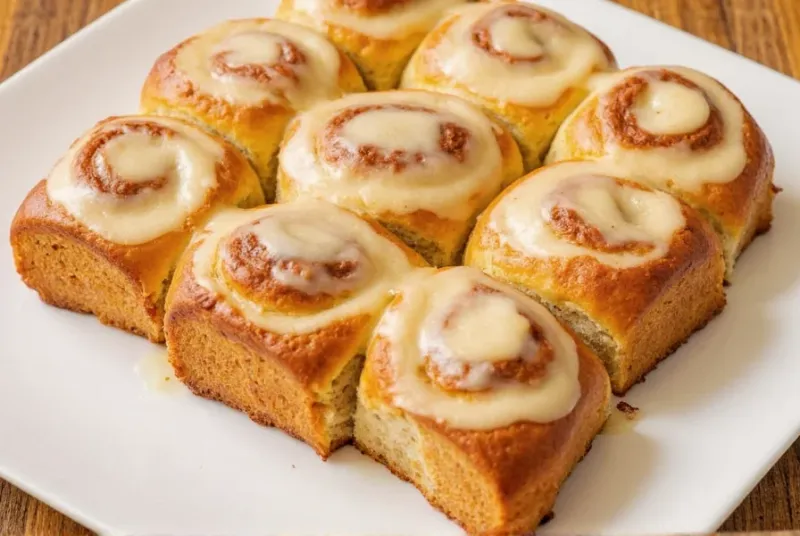
Pull your rolls out when they're just lightly golden on top, even if they look slightly underdone. They'll continue cooking from residual heat, and this prevents them from drying out.
Overbaked cinnamon rolls turn crusty and hard, losing that signature soft, gooey centre. Set a timer and check them a few minutes early rather than risk leaving them in too long.