













January can feel quiet after the festive period, but it remains an important month for seasonal British produce.
Cold weather crops continue to supply kitchens with reliable ingredients that suit winter cooking.
Root vegetables and hardy greens are widely available at this time of year, offering flavour and versatility for everyday meals.
Choosing what is in season also helps reflect how food naturally aligns with the UK growing calendar.
This article highlights UK ingredients that are typically at their best during January.
All information is provided for general interest only.
Seasonal availability, taste, and quality may vary by region, weather conditions, and supplier.
Photos are for illustrative purposes only.
1. Leeks
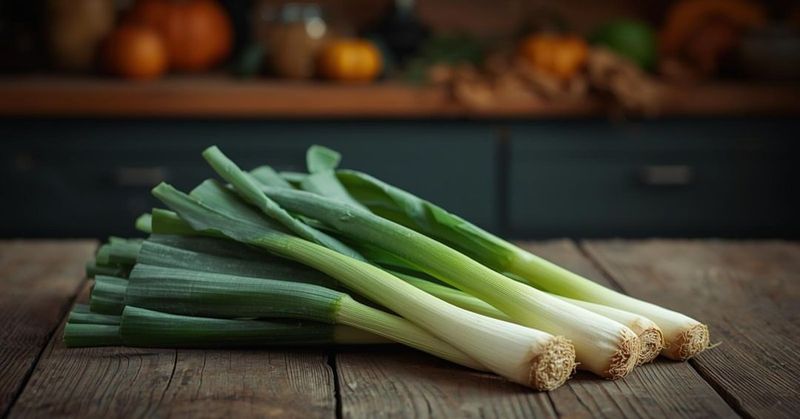
Long, elegant, and surprisingly sweet, leeks belong to the onion family but bring a gentler, more sophisticated flavour to your cooking.
Their mild taste makes them brilliant in soups, especially the classic leek and potato, or braised slowly until they melt in your mouth.
Farmers harvest them throughout winter, and the colder weather actually enhances their natural sugars.
Wash them thoroughly between the layers where soil loves to hide, then slice and sauté them in butter for a simple side dish that'll convert even the fussiest eaters.
2. Kale
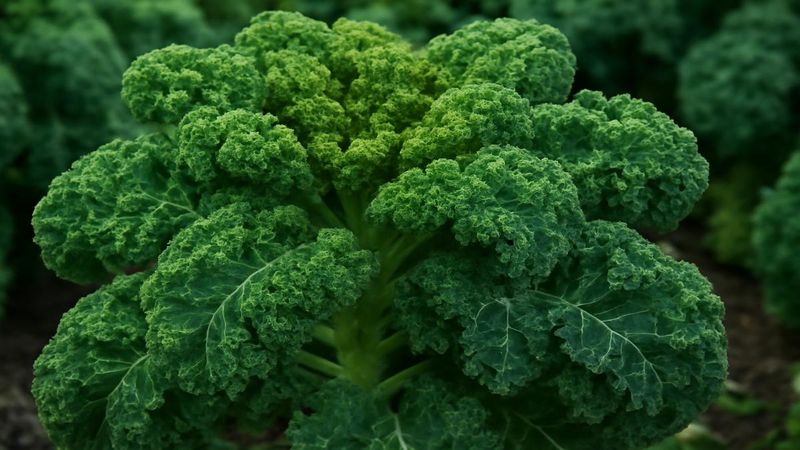
This tough little green laughs in the face of frost, which actually improves its flavour by converting starches into sugars.
Packed with vitamins A, C, and K, kale deserves its superfood status without being preachy about it.
Strip the leaves from their woody stems, then massage them with a bit of olive oil and lemon juice for salads, or toss into soups and stews during the last few minutes of cooking.
Roasted until crispy with a sprinkle of sea salt, it becomes an addictive snack that's shockingly moreish.
3. Parsnips
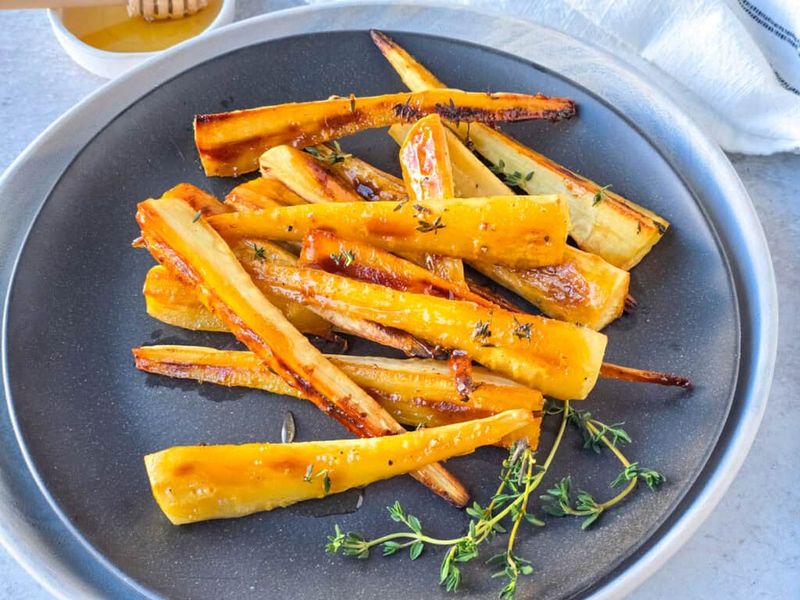
Did you know parsnips were the go-to sweetener before sugar became affordable?
That natural sweetness intensifies after the first frost, making January the perfect time to enjoy them.
Roast them alongside your Sunday joint until caramelized and golden, or mash them with butter and a hint of nutmeg for something comforting.
Their earthy, slightly nutty flavour pairs beautifully with honey or maple syrup if you're feeling fancy.
They're also brilliant in curries, adding unexpected depth and a touch of natural sweetness that balances spicy heat perfectly well indeed.
4. Swede
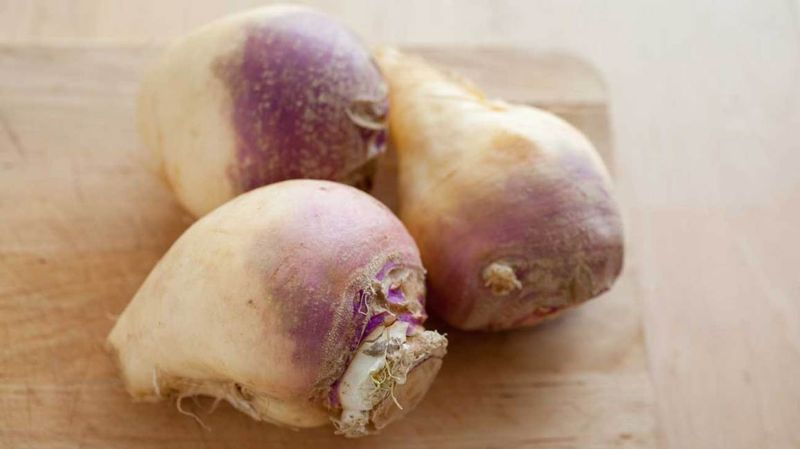
Often overlooked in favour of flashier veg, swede deserves far more respect than it gets.
This purple-topped root brings a subtle sweetness with earthy undertones that work brilliantly mashed with butter and black pepper, especially alongside haggis for a proper Burns Night celebration.
It's also fantastic in hearty stews and casseroles, where it soaks up rich flavours whilst holding its shape.
Rich in vitamin C and fibre, swede keeps well for weeks in a cool, dark spot, making it a thrifty choice when January budgets feel tight after the festive splurge.
5. Carrots
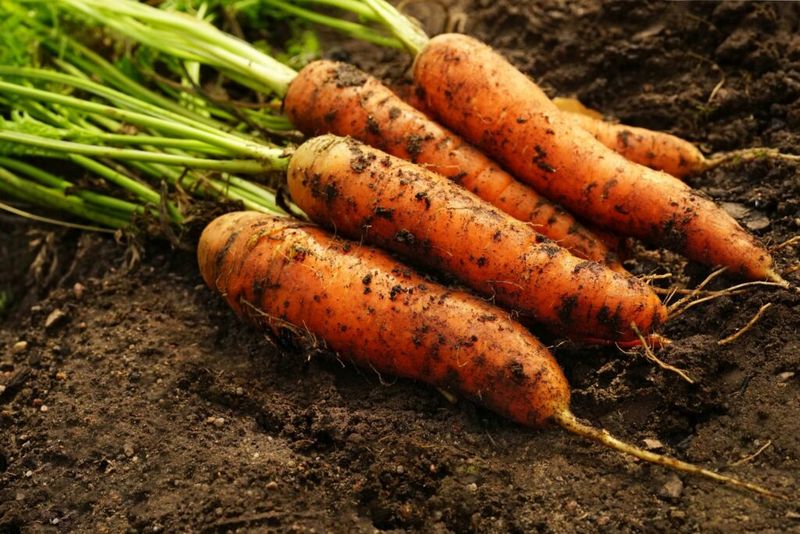
Carrots stored over winter develop a concentrated sweetness that makes them taste completely different from summer varieties.
British growers keep them in clamps or cold stores, preserving their crunch and flavour through the coldest months.
Roast them whole with cumin and coriander seeds for a Moroccan twist, or grate them raw into slaws and salads for a satisfying crunch.
Their beta-carotene content supports eye health and immune function, which is rather handy during cold and flu season when everyone around you seems to be sniffling constantly and miserably.
6. Cabbage
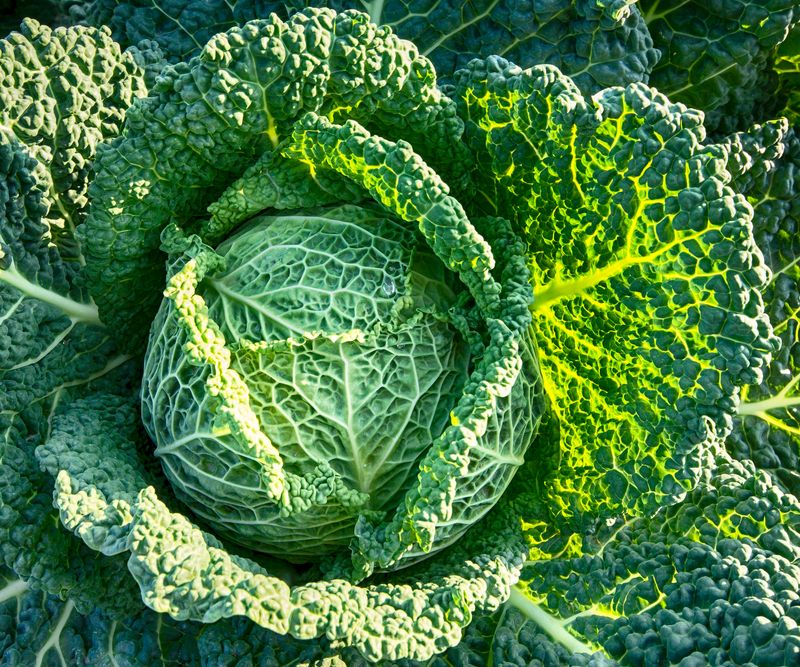
Humble cabbage might not win beauty contests, but it's an absolute workhorse in the kitchen throughout January.
From Savoy with its crinkled leaves to smooth white varieties perfect for coleslaw, cabbage offers incredible versatility at pocket-friendly prices.
Shred it finely and stir-fry with ginger and garlic for a quick side, or braise red cabbage slowly with apples and a splash of vinegar for something that tastes like a warm hug.
It's also brilliant fermented into sauerkraut, which supports gut health and adds tangy crunch to sandwiches and salads year-round.
7. Brussels Sprouts
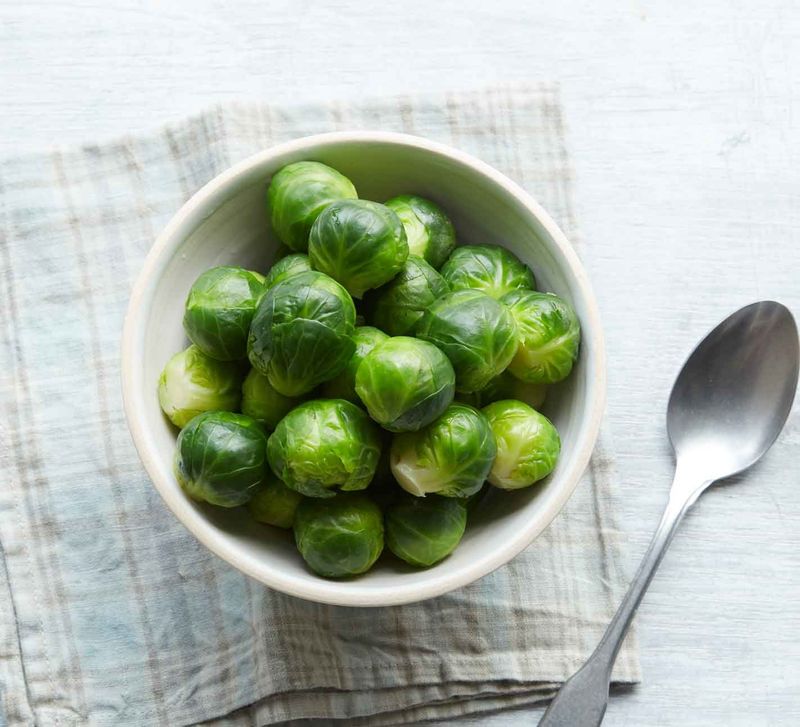
Brussels sprouts have had a proper glow-up in recent years, finally escaping their mushy, overcooked reputation.
Picked after frost, they taste sweeter and less bitter than earlier harvests, which explains why January sprouts are genuinely delicious.
Halve them and roast at high heat until the edges char and caramelize, or shred them raw into winter salads with nuts and dried fruit.
They're absolutely loaded with vitamin C and fibre, making them brilliant for keeping your immune system fighting fit when everyone's passing germs around like unwanted party favours at work.
8. Celeriac
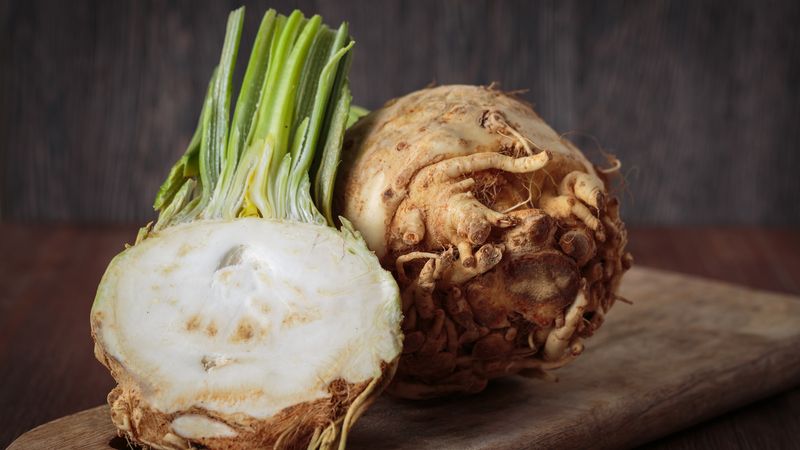
With a face only a mother could love, celeriac wins hearts through flavour rather than looks.
This gnarly root tastes like a sophisticated cross between celery and parsley, bringing subtle, aromatic notes to winter dishes.
Peel away its rough exterior to reveal creamy white flesh that's gorgeous mashed, roasted into chips, or grated raw into remoulade.
It makes a brilliant low-carb alternative to potatoes whilst adding far more interesting flavour to soups and gratins.
Don't let its ugly appearance put you off because underneath that warty skin lies proper culinary gold waiting patiently.
9. Stored Apples
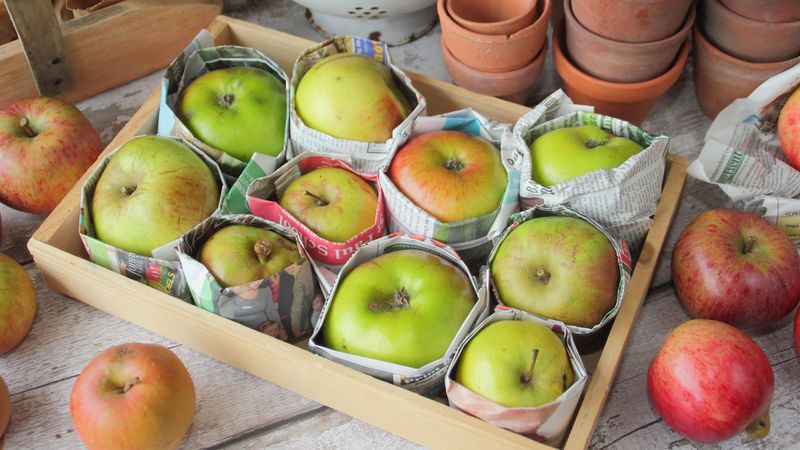
Modern storage techniques mean British apples remain crisp and flavourful well into January, long after harvest season ends.
Varieties like Bramley, Cox, and Braeburn keep particularly well, offering everything from sharp cooking apples to sweet eating varieties.
Bake them into crumbles and pies, stew them with pork, or simply crunch into one for a refreshing snack.
Stored apples contain plenty of fibre and vitamin C, supporting digestive health whilst satisfying sweet cravings naturally.
Buying British means fewer food miles and supporting local orchards that preserve traditional varieties you won't find in supermarkets abroad.
10. Stored Pears
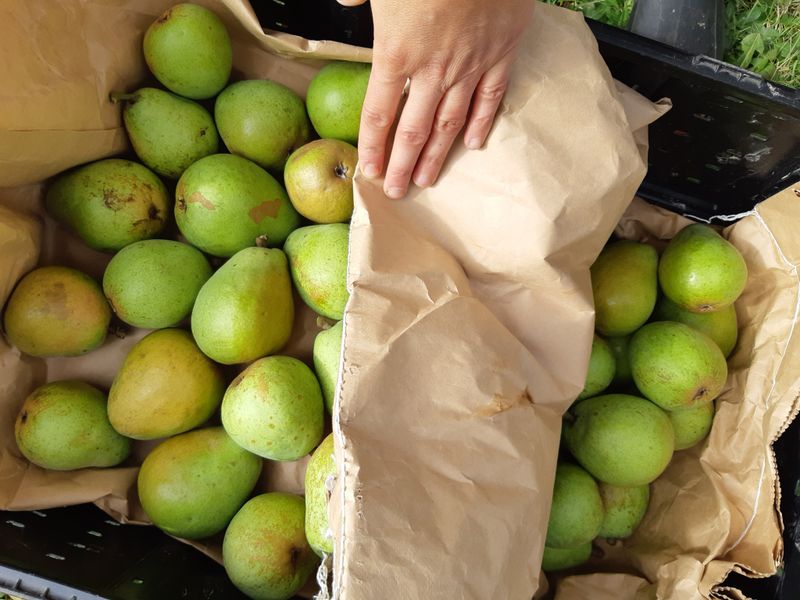
Pears picked in autumn continue ripening slowly in storage, reaching perfect juicy sweetness by January.
Conference pears are the classic British variety, with their elongated shape and russeted skin hiding incredibly sweet, grainy flesh inside.
They're gorgeous poached in spiced syrup, baked with blue cheese and walnuts, or simply sliced fresh into salads.
Unlike apples, pears ripen from the inside out, so check for gentle give near the stem rather than waiting for them to feel soft all over, otherwise you'll end up with mushy disappointment instead of perfectly yielding fruit.



