













Zinc might not be the most talked-about nutrient, but it's absolutely crucial for your wellbeing.
This mighty mineral powers everything from your immune system to your skin health, yet many people don't get enough.
Understanding why zinc matters and knowing which foods pack the biggest zinc punch can transform your health in ways you might never have imagined.
1. Supports Immune Function

Your body's defence system relies heavily on zinc to fight off invaders. Without enough zinc, your white blood cells can't perform properly, leaving you vulnerable to colds and infections.
Zinc activates T-cells that seek and destroy harmful bacteria and viruses. Even mild deficiencies can reduce your immune response by up to 30%.
2. Speeds Wound Healing

Cut yourself cooking? Zinc rushes to the rescue. This mineral is essential for cell membrane repair and collagen formation, helping your skin knit back together after injury.
Surgeons often recommend zinc supplements before operations because patients with higher zinc levels typically heal faster. The mineral also reduces inflammation at wound sites.
3. Reduces Inflammation And Oxidative Stress

Chronic inflammation drives numerous health problems, from heart disease to diabetes. Zinc acts as your body's natural firefighter, helping to douse these inflammatory flames.
The mineral works by inhibiting pro-inflammatory cytokines while boosting antioxidant enzymes. Studies show zinc supplementation can significantly lower C-reactive protein, a key marker of inflammation in the body.
4. Maintains Healthy Skin

Your skin contains about 5% of your body's zinc content for good reason. The mineral regulates oil production, helps clear acne-causing bacteria, and accelerates healing of skin blemishes.
For those with eczema or psoriasis, zinc can be particularly helpful. It calms irritation and supports the formation of new, healthy skin cells to replace damaged ones.
5. Supports Sensory Function

Ever noticed food tastes bland when you're ill? Zinc deficiency might be partly responsible. This mineral is crucial for your taste buds to function properly.
Your sense of smell also depends on adequate zinc levels. The mineral helps maintain the health of sensory neurons that detect odours. Many people report improved taste sensitivity after correcting zinc deficiencies.
6. Promotes Growth And Development

Children need zinc to grow tall and strong. The mineral plays a starring role in cell division and DNA synthesis, processes essential for proper development.
During pregnancy, zinc becomes even more critical as it supports the rapid cell growth of the developing baby. Studies show that adequate zinc during childhood can support proper height development and cognitive function.
7. Aids Eye Health

Your retina contains one of the highest concentrations of zinc in your body. The mineral helps vitamin A create melanin, a protective pigment in the eyes. Research suggests zinc supplements may slow the progression of age-related macular degeneration. Regular zinc intake supports the health of the macula, the part of your eye responsible for central vision and fine detail.
8. Enhances Wound Healing In Diabetic Ulcers

For people with diabetes, wounds can be dangerously slow to heal. Zinc accelerates this process by promoting cell division and reducing inflammation at wound sites.
Clinical studies show that both topical zinc preparations and oral supplements can significantly improve healing rates of diabetic foot ulcers. The mineral also helps fight infection in these vulnerable wounds.
9. Supports Hormone And Reproductive Health

Your hormonal orchestra needs zinc to stay in tune. Men require zinc for testosterone production, while women need it for estrogen and progesterone balance.
The mineral also supports fertility in both sexes. In men, zinc is essential for sperm development and motility. For women, adequate zinc levels help maintain regular ovulation and reproductive health.
10. Helps Mental Well-being

Feeling low? Your zinc levels might need attention. This mineral is vital for neurotransmitter function and helps regulate mood-related brain activity. Research links zinc deficiency to increased risk of depression and anxiety.
The mineral appears to influence how serotonin, the 'feel-good' chemical, works in your brain. Some studies suggest zinc supplements may enhance the effectiveness of antidepressant medications.
11. Prevents Growth Delays In Children

Children with zinc deficiency often face stunted growth and delayed development. The mineral is crucial for producing growth hormone and supporting bone formation.
In developing countries, zinc supplementation programs have successfully increased height and weight in previously zinc-deficient children. The mineral also supports cognitive development, helping children reach developmental milestones on schedule.
12. Boosts Metabolic Health

Zinc plays a surprising role in blood sugar regulation. The mineral helps your pancreas produce insulin and assists cells in responding to this important hormone.
Research shows that people with type 2 diabetes often have lower zinc levels than those without the condition. Some studies suggest zinc supplements may improve insulin sensitivity and help manage blood sugar levels in diabetic patients.
13. Improves Sleep Quality

Tossing and turning at night? Zinc might help you drift off. The mineral helps regulate the sleep-wake cycle by interacting with neurotransmitters that calm the brain. Studies show zinc-rich foods can increase both sleep duration and quality.
The mineral appears to enhance the production of melatonin, your body's natural sleep hormone, helping you fall asleep faster and wake less during the night.
14. Protects Against Age-Related Illnesses

As we age, our immune function naturally declines. Zinc helps counteract this by supporting immune cells that become less efficient over time.
Older adults with adequate zinc levels experience fewer respiratory infections and recover faster when they do get sick. Some research suggests zinc may even help protect against age-related cognitive decline by reducing oxidative stress in the brain.
15. Essential For Skeletal And Skin Health

Your bones rely on zinc for strength and renewal. The mineral works alongside calcium and vitamin D to maintain bone density and prevent fractures.
Beyond bones, zinc supports collagen production, keeping skin elastic and resilient. It also promotes hair follicle health and nail strength, which is why zinc deficiency often shows up as brittle nails or hair loss.
16. Oysters

These seafood delicacies are zinc superstars, containing more of this mineral than any other food on the planet. Just six medium oysters provide over 500% of your daily zinc needs.
The zinc in oysters is highly bioavailable, meaning your body can absorb and use it efficiently. Besides zinc, oysters deliver impressive amounts of vitamin B12, copper, and heart-healthy omega-3 fatty acids.
17. Red Meat
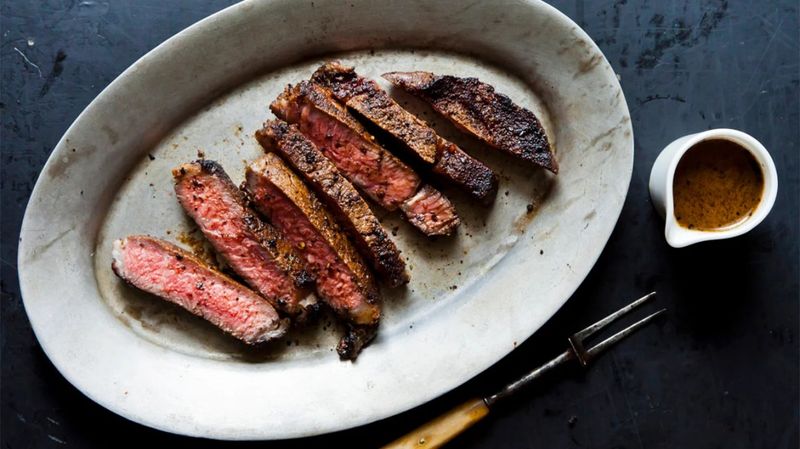
Beef and lamb rank among the most reliable zinc sources in the British diet. A modest 100g serving of lean beef provides about 50% of your daily zinc requirement.
The zinc in red meat comes with a bonus: it's attached to proteins that make it easier for your body to absorb. Grass-fed options typically contain higher mineral content than grain-fed alternatives.
18. Shellfish

Crab and lobster deliver impressive zinc amounts while keeping calories low. A 100g serving of crab meat provides about 40% of your daily zinc needs with just 97 calories.
Beyond zinc, shellfish offer copper, selenium, and vitamin B12—nutrients that work synergistically with zinc for immune function. The protein in shellfish is complete, containing all essential amino acids your body needs.
19. Poultry

Dark chicken meat contains significantly more zinc than breast meat. A chicken thigh provides about 20% of your daily zinc requirement, making it a practical everyday source.
Turkey follows closely behind in zinc content. Both birds offer complete protein alongside their mineral content. For maximum nutrition, keep the skin on during cooking but remove before eating to retain moisture without excess fat.
20. Pumpkin Seeds
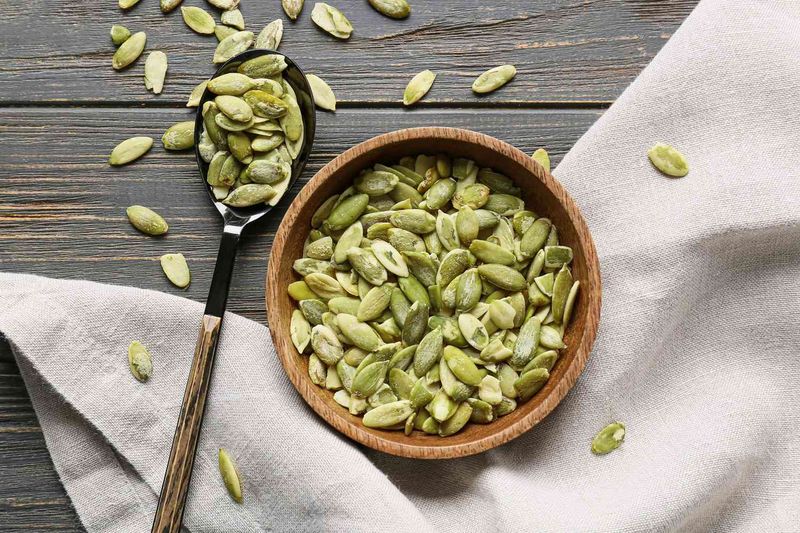
These little nutritional powerhouses pack a serious zinc punch. A handful (30g) delivers about 20% of your daily zinc needs alongside magnesium and heart-healthy fats.
Pumpkin seeds make perfect snacks or salad toppings. For maximum zinc absorption, try soaking them overnight - this reduces phytic acid, a compound that can inhibit mineral absorption. Lightly toasting enhances their nutty flavour.
21. Legumes
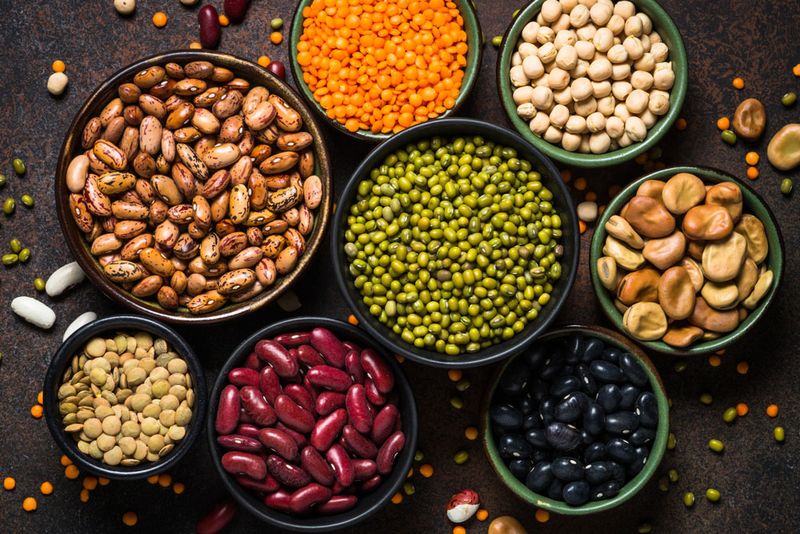
Chickpeas, lentils and beans provide plant-based zinc that's budget-friendly and versatile. A 200g serving of cooked lentils offers about 15% of your daily zinc requirement.
Sprout your legumes before cooking to increase zinc bioavailability. Pairing them with vitamin C-rich foods like tomatoes or bell peppers enhances zinc absorption. Legumes also provide fibre and plant protein for overall health.
22. Whole Grains
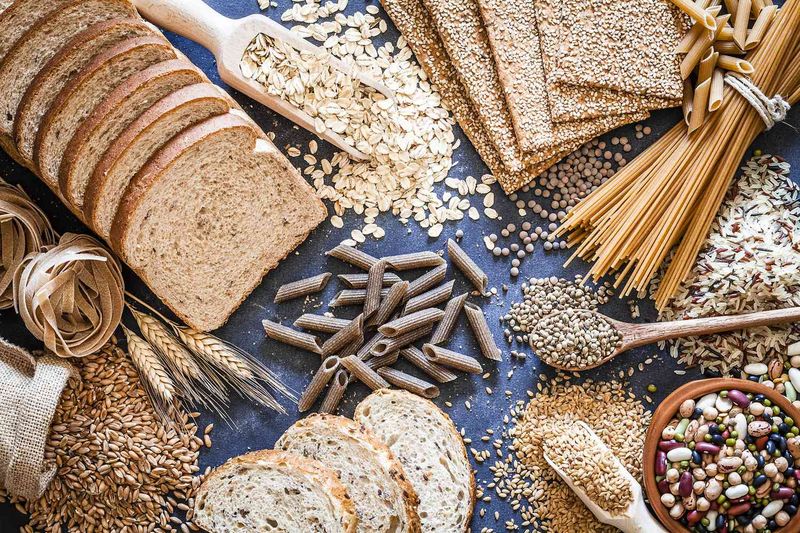
Oats, wheat germ and quinoa contain valuable zinc alongside fibre and B vitamins. A bowl of fortified breakfast cereal can provide up to 25% of your daily zinc needs. Sourdough fermentation increases zinc availability in whole grain bread.
Sprouted grains offer even better mineral absorption. When choosing cereals, look for minimally processed options with limited added sugar for maximum nutritional benefit.
23. Dairy Products
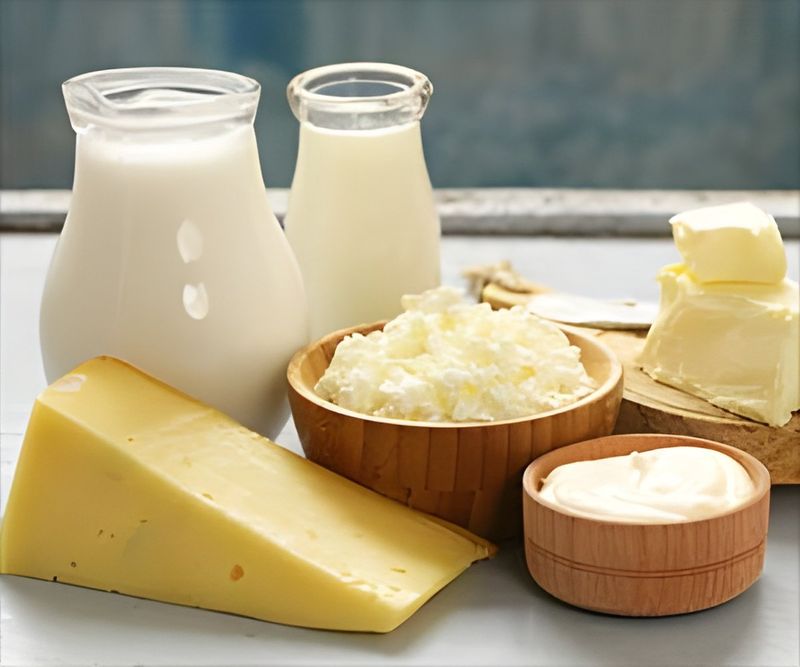
Cheese, yogurt and milk provide readily available zinc alongside calcium for bone health. A 50g serving of cheddar cheese delivers about 15% of your daily zinc requirement. Full-fat dairy contains more zinc than reduced-fat versions.
Greek yogurt offers particularly concentrated amounts due to its straining process. Fermented dairy products like yogurt and kefir may enhance zinc absorption through their probiotic content.
24. Nuts
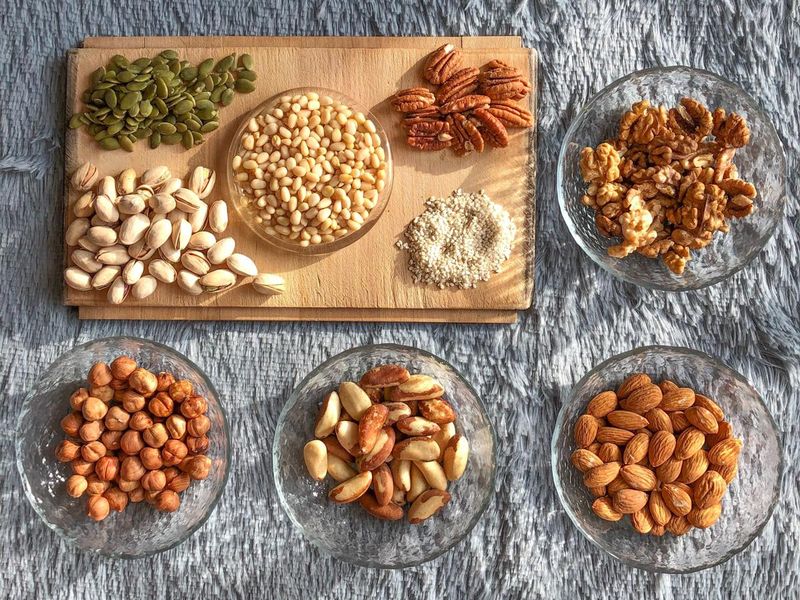
Cashews lead the nutty zinc parade, with almonds and peanuts following closely behind. A small handful provides about 10% of your daily zinc needs alongside heart-healthy fats.
Nuts make perfect portable snacks or recipe ingredients. Soaking nuts overnight can reduce phytates that inhibit zinc absorption. The protein and healthy fat content in nuts helps you feel satisfied longer after eating.
25. Tofu And Tempeh
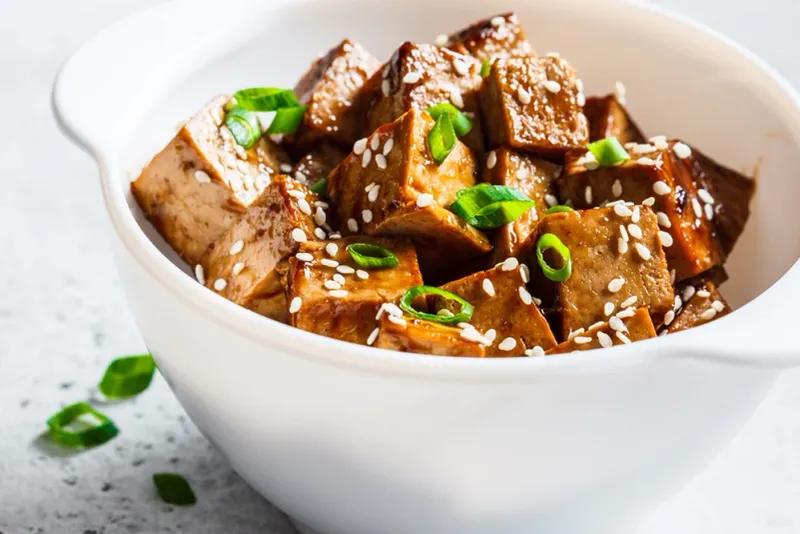
Plant-based eaters rejoice - these soya foods deliver respectable zinc amounts. A 100g serving of tempeh provides about 20% of your daily zinc requirement. Fermented options like tempeh offer better zinc absorption than unfermented tofu.
Both foods provide complete plant protein alongside their mineral content. Marinating tofu in citrus juices before cooking can enhance zinc bioavailability through vitamin C interaction.




Comments
No Comments