













Sunday evening rolls around and you’re staring at your fridge, wondering what to cook for the week.
Sound familiar? Weekly meal planning doesn’t have to feel like a complicated puzzle. With a few practical strategies, you can save time, reduce stress, and enjoy your meals throughout the week.
This article is for general information only and reflects practical approaches to meal planning.
1. Start Small With Three Days At A Time
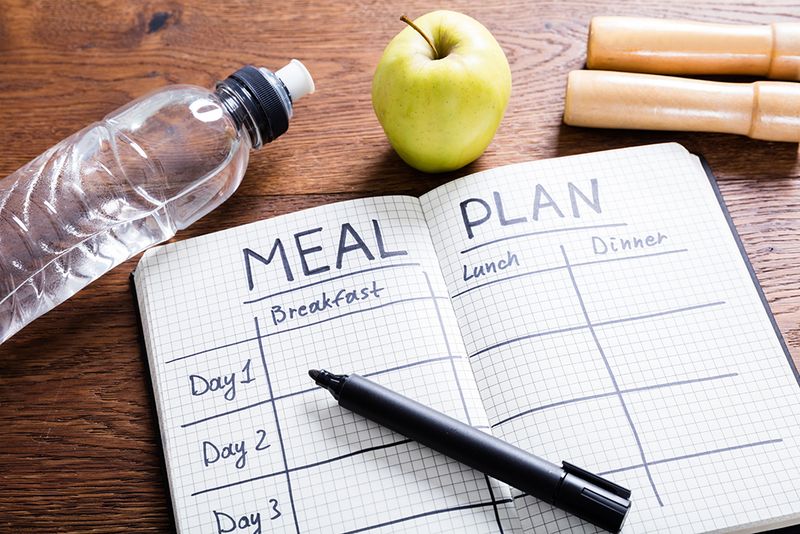
Planning a full week can feel overwhelming if you’re just beginning. Start by mapping out three days of meals instead. This makes the process more manageable and helps you understand what fits your schedule.
Once three-day planning becomes routine, gradually extend to five days and then a full week. Small successes build confidence and make weekly planning feel natural.
2. Keep A Running List Of Family Favourites

Every household has meals everyone enjoys. Keep a running list of these favourites, whether in a notebook, phone app, or on the fridge.
Include classics like spaghetti bolognese, chicken stir-fry, or fish and chips, as well as special family recipes. Regularly updating this list ensures you always have go-to options and eliminates decision fatigue.
3. Shop Your Pantry First Before Making Lists

Look through your cupboards, freezer, and fridge before writing a shopping list. You may be able to create several meals from ingredients you already have.
Plan dishes around items that need using up first, such as turning a tin of chickpeas into a curry or leftover roast chicken into sandwiches. This approach reduces waste and saves money while inspiring creative meal ideas.
4. Batch Cook One Component Each Weekend
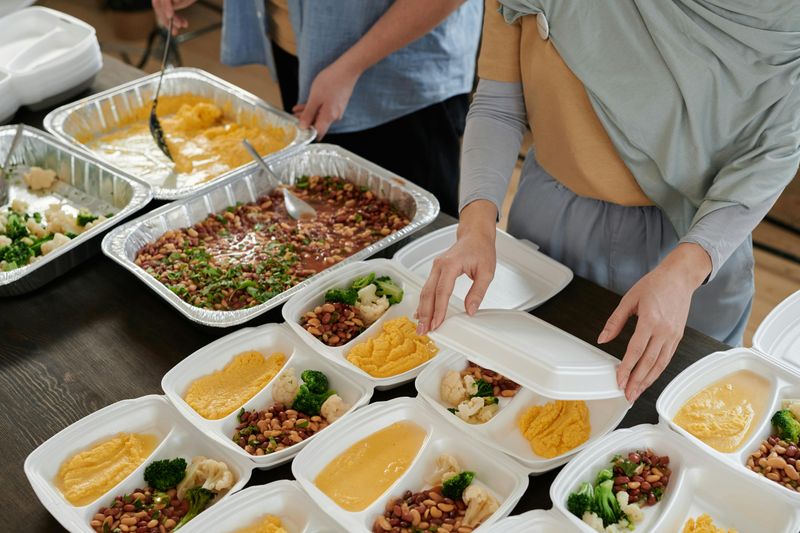
Set aside time at the weekend to prepare one element that will appear in multiple meals during the week. Cook a large batch of rice, roast chicken breasts, or chop vegetables.
Pre-prepared components save time on busy weeknights, whether for stir-fries, curries, or casseroles. Vary your batches each week to keep meals interesting.
5. Plan Around Your Actual Schedule

Consider your weekly commitments before planning meals. Busy nights may call for quick or make-ahead dishes like pasta, slow cooker meals, or leftovers, while quieter evenings are better suited for more involved recipes.
Matching meals to your actual schedule prevents frustration and keeps weeknight cooking manageable.
6. Embrace Theme Nights For Easy Decisions

Theme nights such as Meatless Monday, Taco Tuesday, or Fish Friday can make meal planning easier. Themes provide structure and remove the stress of choosing from unlimited options.
Adapt themes to suit your household, for example, a midweek comfort food night or Sunday roast variations. Children often enjoy the predictability, and shopping becomes more focused.
7. Keep Backup Meals For Unexpected Changes
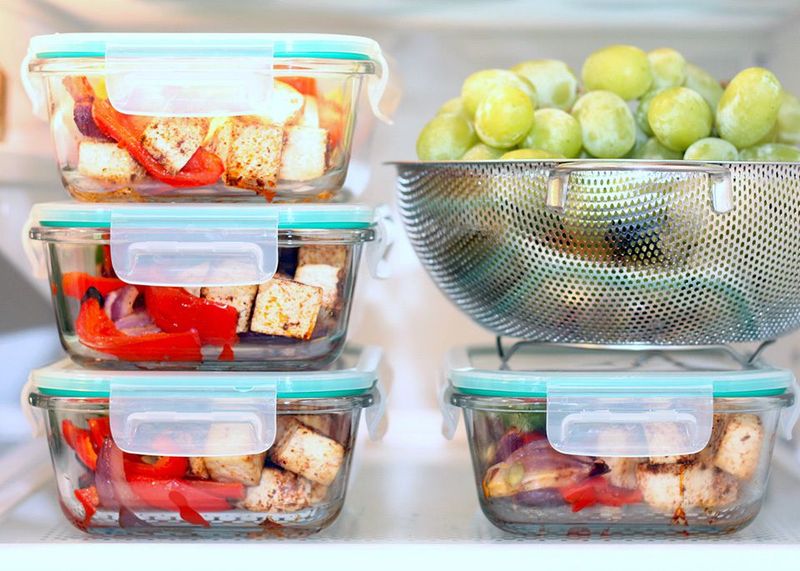
Even the best plans can change. Keep two or three quick, reliable meals on hand, such as frozen pizza, fish fingers, or pasta with tinned tomatoes and cheese.
These options act as a safety net, reducing stress and avoiding last-minute takeaways when plans change unexpectedly.



