













Ever wondered which diets deliver results and which ones are just passing fads? With countless eating plans promising dramatic weight loss and health benefits, it's hard to separate fact from fiction.
I've done the research so you don't have to! Here's my honest take on ten popular diets you should probably steer clear of, followed by five approaches that actually deliver on their promises.
1. The Keto Diet

The keto diet promises rapid weight loss by drastically cutting carbs and loading up on fats. Your body enters ketosis, burning fat for fuel instead of carbohydrates.
While some people see quick results, the long-term effects are concerning. Nutritionists worry about the diet's high saturated fat content and its impact on heart health. Many followers also report 'keto flu' symptoms like headaches, irritability, and fatigue.
Most people find it nearly impossible to maintain, leading to yo-yo dieting. Plus, cutting out entire food groups means missing vital nutrients found in fruits, whole grains, and certain vegetables.
2. The Cabbage Soup Diet

Fancy eating nothing but cabbage soup for a week straight? That's essentially what this crash diet demands. Proponents claim you can drop up to 10 pounds in just seven days.
The reality isn't quite so appealing. Any weight lost is mostly water, not fat, and returns quickly once normal eating resumes. The extremely low calorie intake leaves most people feeling weak, lightheaded, and irritable.
Nutritionally speaking, it's a disaster. The diet lacks protein, healthy fats, and various essential nutrients. Your body needs more than cabbage soup to function properly, and this restrictive approach can actually slow your metabolism.
3. The Master Cleanse

Beyoncé once made this liquid diet famous, but that doesn't make it sensible. The Master Cleanse consists of drinking a mixture of lemon juice, maple syrup, cayenne pepper, and water for 10 days straight – nothing else allowed!
Proponents claim it 'detoxifies' your body and melts away fat. However, your liver and kidneys already handle detoxification brilliantly without any special concoctions. The extreme calorie restriction does cause weight loss, but much of it is muscle and water.
Once you return to normal eating, the weight typically returns with interest. Meanwhile, you'll likely experience dizziness, fatigue, irritability, and difficulty concentrating.
4. The HCG Diet

This bizarre diet combines injections of human chorionic gonadotropin (a pregnancy hormone) with a severely restricted 500-calorie daily intake. Supporters claim the hormone helps mobilise fat stores while preventing hunger.
Medical professionals roundly condemn this approach. The FDA has warned that over-the-counter HCG products are illegal and fraudulent. Any diet restricting calories so severely will cause weight loss, but at a tremendous cost to your health.
Side effects include fatigue, depression, and malnutrition. Even worse, research shows the hormone itself has no effect on weight loss or hunger reduction. You're essentially starving yourself while wasting money on useless supplements.
5. The Alkaline Diet
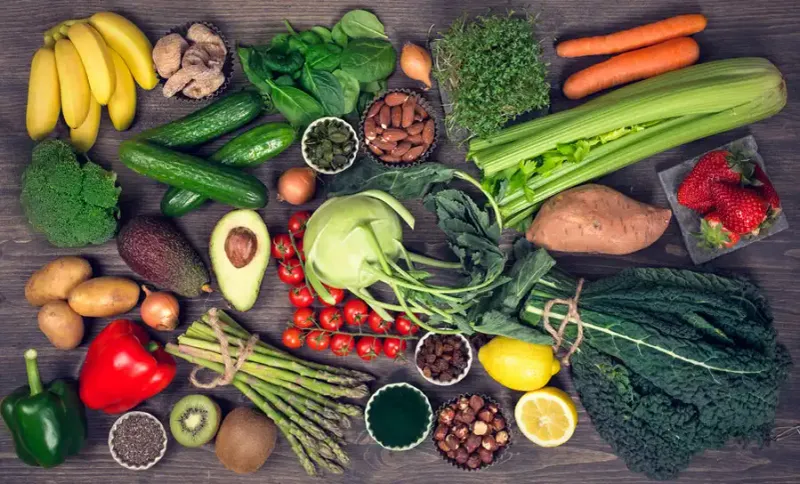
The alkaline diet is based on the unproven idea that certain foods can change your body's pH level. Followers avoid 'acid-forming' foods like meat, dairy, and grains while loading up on 'alkaline' fruits and vegetables.
Here's the problem: your body tightly regulates its pH regardless of what you eat. Your blood pH stays remarkably stable – if it didn't, you'd be seriously ill! The kidneys and lungs handle this job perfectly without dietary intervention.
While eating more fruits and veg is certainly healthy, the underlying theory simply doesn't hold water. Any weight loss comes from cutting processed foods and reducing calories, not from 'alkalising' your system.
6. The Raw Food Diet
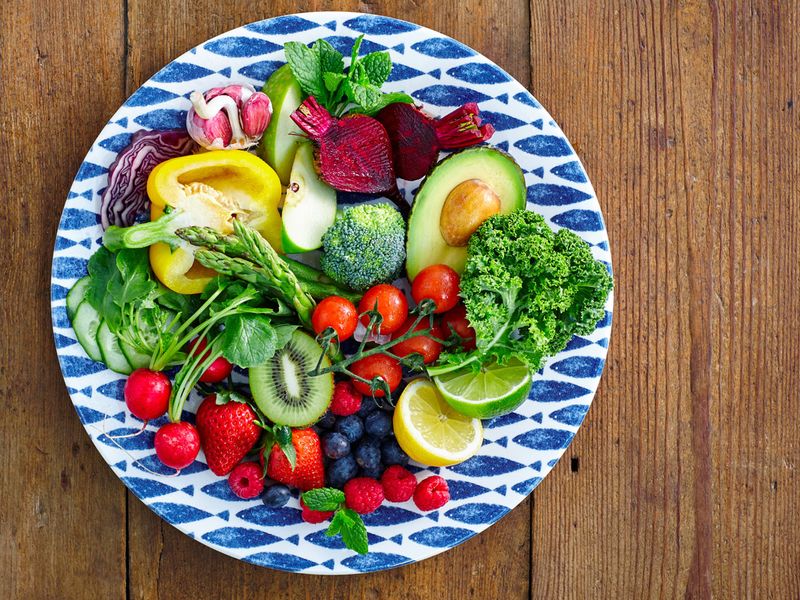
Raw foodists believe cooking destroys essential enzymes and nutrients. This diet consists mainly of uncooked fruits, vegetables, nuts, seeds, and sometimes raw dairy or meat. Everything must remain 'living' or unheated above 40-48°C.
While raw fruits and veg are certainly nutritious, this extreme approach creates serious challenges. Certain foods actually become more nutritious when cooked – tomatoes release more lycopene, and carrots more beta-carotene. Some foods are simply inedible or even dangerous when raw.
The diet is incredibly time-consuming and socially limiting. Many followers struggle with inadequate protein, calcium, iron, and vitamin B12 intake. Weight loss often occurs simply because the diet is so restrictive.
7. The Zone Diet
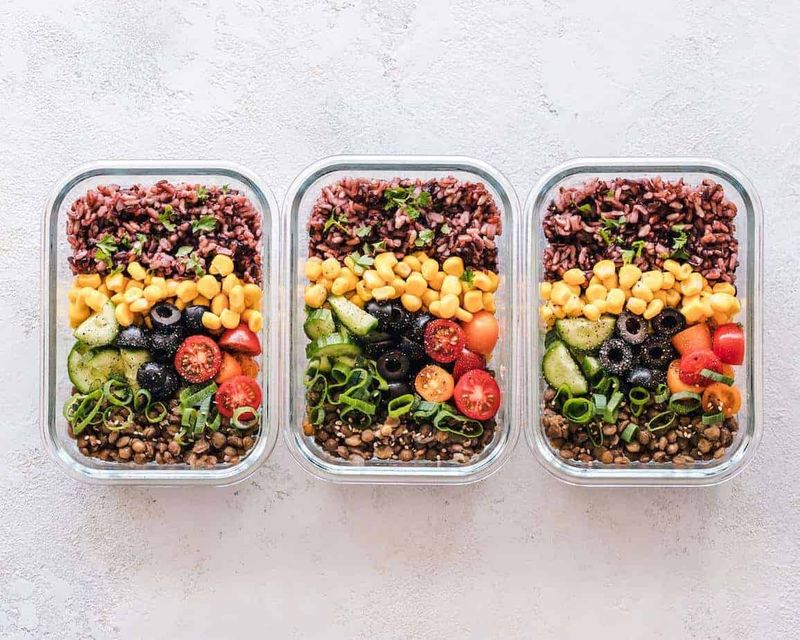
The Zone Diet prescribes a rigid ratio of 40% carbs, 30% protein and 30% fat at every meal. Followers must measure and weigh food precisely, creating perfectly 'balanced' plates to supposedly reduce inflammation and optimise hormone levels.
While not as extreme as some diets, the Zone's strict proportions make it impractical for most people to follow long-term. The scientific evidence supporting its specific ratios is rather thin. Most nutritionists agree that healthy eating doesn't require such precise calculations.
Any benefits likely come from reducing processed foods and controlling portions rather than from the exact macronutrient ratios. For most people, the Zone becomes too complicated and time-consuming to maintain beyond a few weeks.
8. The Grapefruit Diet

This quirky diet has been around since the 1930s, claiming that grapefruit contains special enzymes that burn fat. The traditional version involves eating half a grapefruit before every meal while severely restricting calories to about 800-1,000 daily.
While grapefruits are nutritious fruits packed with vitamin C and fibre, they don't possess magical fat-burning properties. Any weight loss comes from the extreme calorie restriction, not from the citrus fruit itself.
Beyond being nutritionally inadequate, this diet is particularly dangerous for anyone taking certain medications, as grapefruit can interfere with how they're metabolised. The extreme hunger and fatigue from such low calorie intake makes this diet virtually impossible to maintain.
9. The Fruititarian Diet

Even Steve Jobs experimented with this extreme approach where followers eat primarily fruits, with perhaps some nuts and seeds. The most devoted fruitarians eat only what falls naturally from plants without harming them.
Fruits are certainly healthy, but relying on them exclusively creates serious nutritional gaps. The diet is dangerously low in protein, essential fats, iron, calcium, zinc, vitamin D, and vitamin B12. The high sugar content can wreak havoc on blood glucose levels and dental health.
Medical professionals strongly caution against this restrictive regimen. Several high-profile cases of fruitarians developing serious health problems have made headlines. Our bodies simply aren't designed to thrive on fruit alone.
10. The Ice Cream Diet

Yes, this diet actually exists! The gimmick is eating ice cream daily (usually a small amount at a specific time) while keeping overall calories very low. Some versions recommend a specific brand or type of ice cream.
Unsurprisingly, nutrition experts give this approach a firm thumbs-down. Any diet that focuses on a single food – especially one high in sugar and fat – creates an unhealthy relationship with eating. The extreme calorie restriction surrounding the ice cream portion leaves followers hungry and nutritionally deprived.
The 'treat' element might seem psychologically appealing, but most people quickly tire of feeling hungry all day just to eat a small scoop of ice cream. Weight loss, if any occurs, comes from calorie restriction, not magical ice cream properties.
11. The Mediterranean Diet
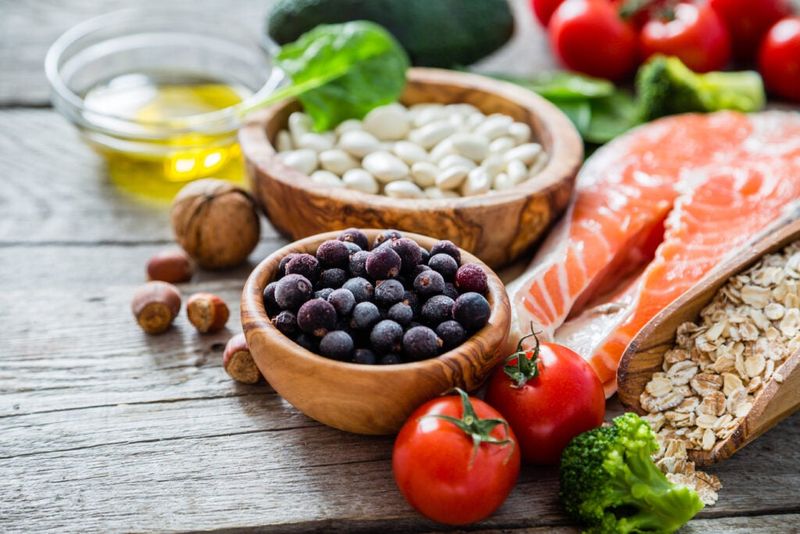
Finally, a sensible approach! The Mediterranean diet mimics the traditional eating patterns of countries bordering the Mediterranean Sea. Think plenty of vegetables, fruits, whole grains, legumes, nuts, olive oil, and moderate amounts of fish.
Unlike fad diets, this eating style has decades of research backing its health benefits. Studies consistently show it reduces heart disease risk, lowers inflammation, and helps maintain a healthy weight. Red meat and processed foods appear only occasionally, while physical activity and social meals are encouraged.
What makes this approach work is its sustainability. Nothing is strictly forbidden, portions aren't severely limited, and the foods are both satisfying and delicious. It's a lifestyle rather than a temporary quick-fix.
12. The DASH Diet (Dietary Approaches to Stop Hypertension)
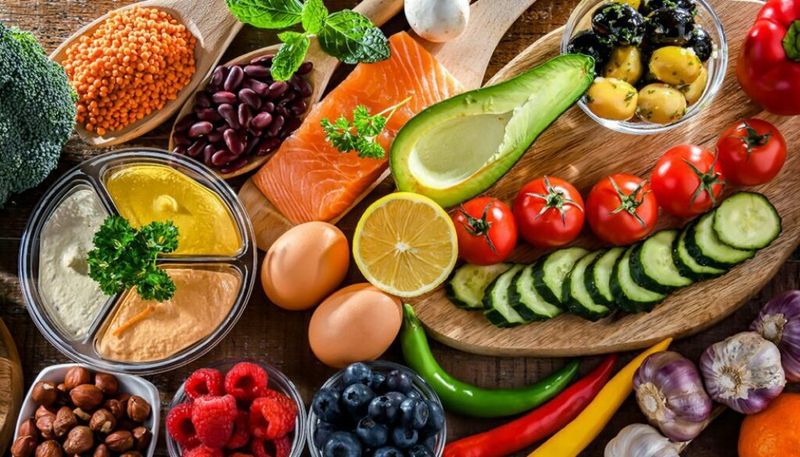
Originally developed to lower blood pressure, the DASH diet has proven effective for overall health and sustainable weight management. It emphasises fruits, vegetables, whole grains, lean proteins, and low-fat dairy while limiting sodium, red meat, and sweets.
Medical organisations worldwide endorse this evidence-based approach. Research shows it significantly reduces blood pressure, lowers cholesterol, and decreases the risk of several chronic diseases. Unlike trendy diets, DASH doesn't eliminate entire food groups or require exotic ingredients.
The focus on portion control rather than strict elimination makes DASH practical for long-term use. Many followers report feeling satisfied and energetic rather than deprived – a crucial factor in any successful eating plan.
13. The Whole30 Diet
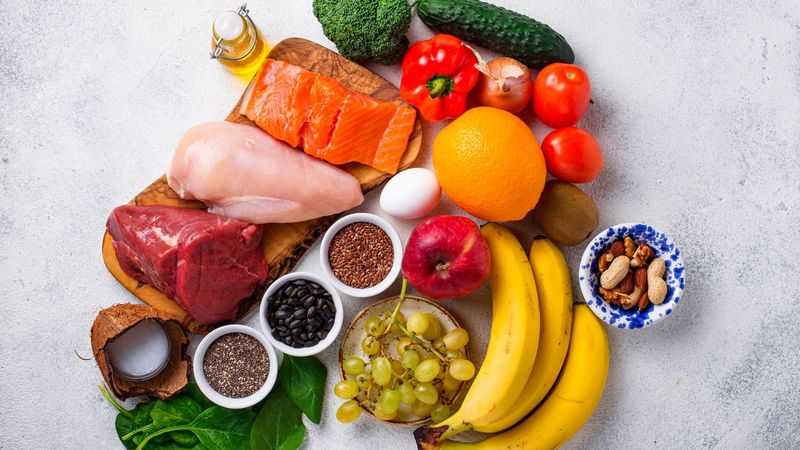
Whole30 is a 30-day elimination diet that cuts out sugar, alcohol, grains, legumes, dairy, and additives. After the month, you gradually reintroduce foods to identify potential sensitivities. Unlike many trendy diets, it's designed as a short-term reset rather than a permanent lifestyle.
For people with suspected food sensitivities, this structured elimination approach can provide valuable insights. The focus on whole, unprocessed foods is certainly beneficial. Many followers report improved energy, better sleep, and reduced cravings.
However, the strict rules make it challenging to follow, especially in social situations. Nutritionists worry about the elimination of healthy food groups like legumes and whole grains. Consider it a potential short-term tool, not a long-term solution.
14. The Flexitarian Diet
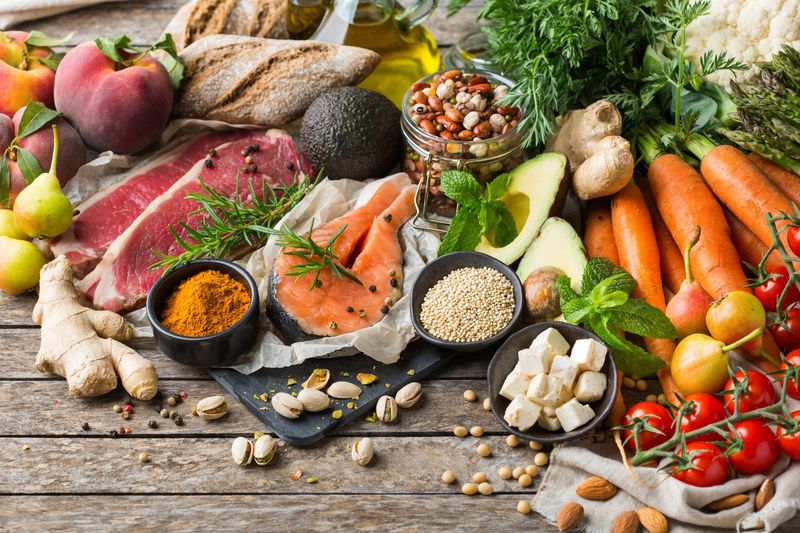
The name says it all – this is flexible vegetarianism. Flexitarians eat mostly plant-based foods but occasionally enjoy meat, fish, or poultry. There are no strict rules about how often or how much animal protein to consume.
This balanced approach offers the health benefits of plant-based eating without the all-or-nothing pressure. Research shows flexitarians typically weigh less and have lower rates of heart disease, diabetes, and cancer than regular meat-eaters. The planet benefits too, as reducing meat consumption lowers your carbon footprint.
What makes this diet work is its adaptability to real life. You can embrace plant-focused meals at home but still enjoy your mum's famous roast or a barbecue with friends without 'breaking' your diet.
15. Intermittent Fasting

Rather than dictating what to eat, intermittent fasting focuses on when to eat. Popular approaches include the 16:8 method (16 hours fasting, 8 hours eating), alternate-day fasting, or the 5:2 pattern (eating normally five days, restricting calories two days).
Research suggests this eating pattern may improve insulin sensitivity, cellular repair, and even longevity. Many people find it simpler than traditional diets since it involves fewer decisions – you're either in your eating window or you're not. The approach naturally reduces calorie intake without strict counting.
The flexibility of different fasting protocols makes this approach adaptable to various lifestyles. However, it's not suitable for everyone – pregnant women, those with certain medical conditions, or people with a history of disordered eating should avoid it.




Comments
No Comments