











Keeping your memory sharp can feel more important than ever as daily routines and priorities shift.
What you put on your plate plays a quiet but meaningful role in supporting brain health over time.
Curious which everyday foods are worth paying a little more attention to as the years go by?
All information is provided for general interest only and should not be considered medical or nutritional advice. Dietary needs and health conditions vary, and anyone making changes related to memory or overall health should seek guidance from a qualified healthcare professional.
1. Blueberries
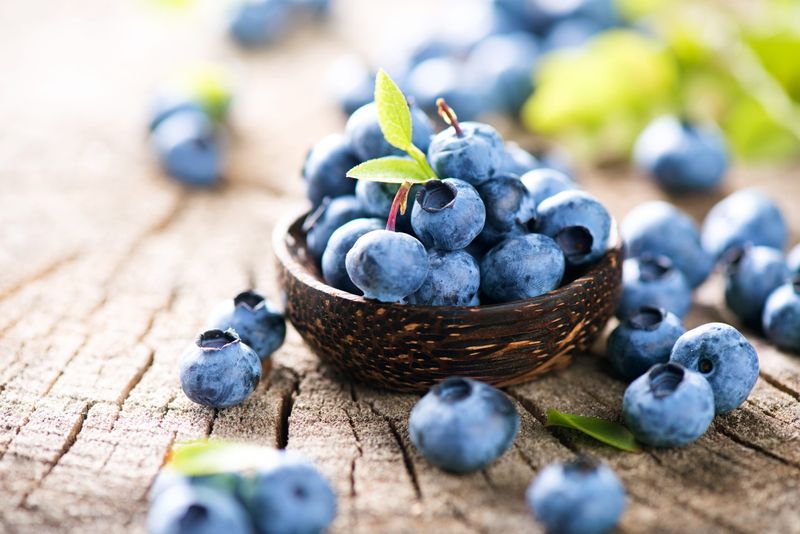
These tiny purple powerhouses pack an incredible punch when it comes to brain health.
Antioxidants called flavonoids give blueberries their rich colour and help protect brain cells from damage.
Studies show that eating them regularly may slow down memory decline.
Toss them into your morning porridge, blend them into smoothies, or simply enjoy a handful as a sweet snack.
2. Leafy Green Vegetables
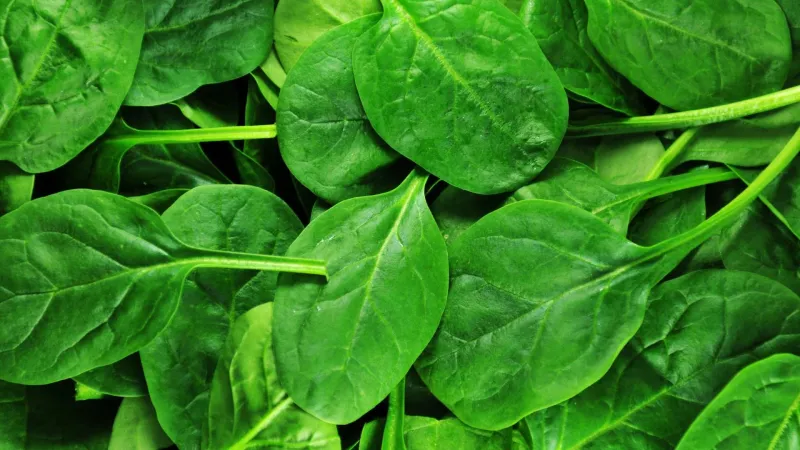
Leafy greens such as spinach, kale, and rocket are rich in nutrients that support overall brain health as part of a balanced diet.
They provide vitamin K, folate, and lutein, which are linked to normal cognitive function in later life.
Regularly eating leafy greens has been associated with slower age-related cognitive change in observational studies.
Adding them to meals is a simple way to increase nutrient intake without major changes to eating habits.
3. Fatty Fish

Salmon, mackerel, and sardines contain omega-3 fatty acids that your brain absolutely craves.
These essential fats build brain cell membranes and reduce inflammation throughout your nervous system.
Aim for two servings weekly to maintain optimal brain function.
Grill, bake, or poach these fish for delicious meals that protect against cognitive decline whilst treating your taste buds.
4. Walnuts
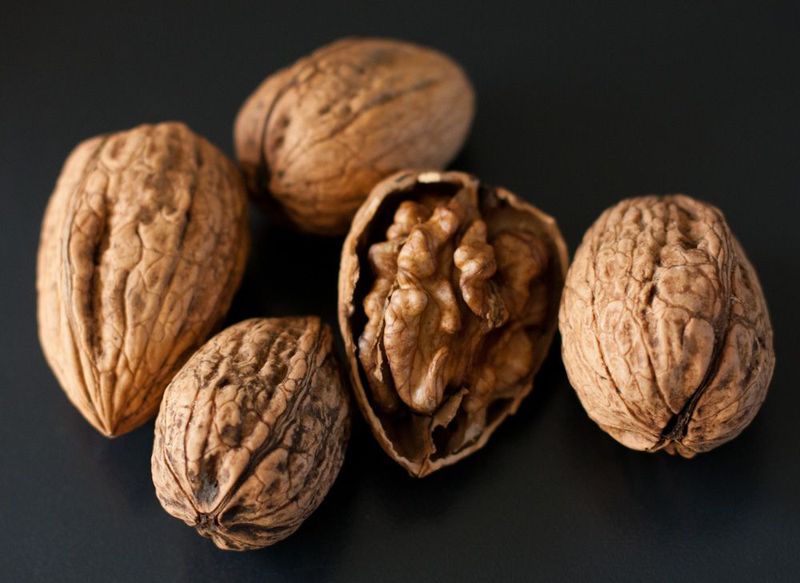
Ever noticed how walnuts look like tiny brains?
That's nature's hint about their cognitive benefits! Rich in alpha-linolenic acid and polyphenols, walnuts combat oxidative stress.
Just a handful daily can improve memory and processing speed.
Chop them over yoghurt, mix into baked goods, or munch them straight from the shell for a satisfying, brain-boosting crunch that delivers results.
5. Almonds
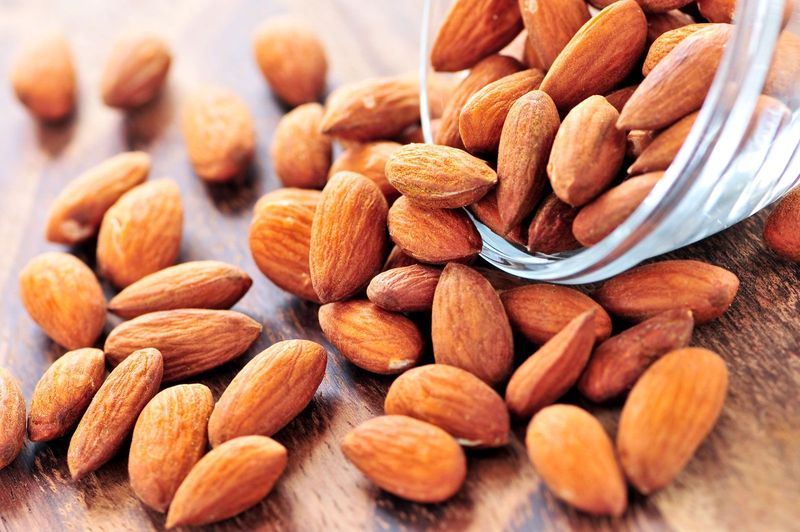
Vitamin E champions, almonds shield your brain cells from free radical damage as you age.
This powerful antioxidant slows cognitive decline and keeps neural pathways functioning smoothly.
Research indicates that adequate vitamin E intake correlates with better memory in older adults.
Enjoy 23 almonds daily as a portable snack, or slice them over salads for delightful texture and mental clarity.
6. Olive Oil

Extra virgin olive oil is a key part of the Mediterranean diet, which is linked to long-term brain health.
It contains monounsaturated fats that support healthy blood circulation, including blood flow to the brain.
Olive oil also provides natural plant compounds with antioxidant properties.
Using it regularly in cooking or dressings can help replace less healthy fats in everyday meals.
7. Wholegrains
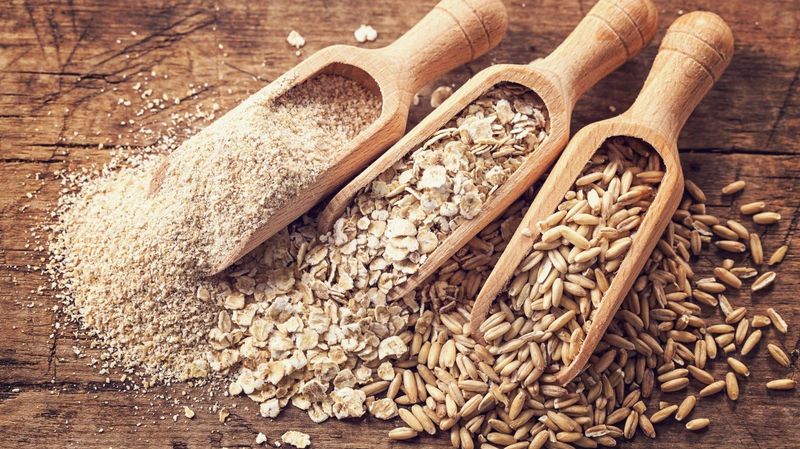
Brown rice, oats, and quinoa release glucose slowly, providing steady energy to your brain throughout the day.
Unlike refined grains, these keep blood sugar stable and mental fog at bay.
They're also packed with B vitamins essential for neurotransmitter production.
Start your morning with porridge or swap white rice for brown to fuel clear thinking consistently.
8. Eggs

Don't skip the yolk - that's where choline lives!
This essential nutrient produces acetylcholine, a neurotransmitter crucial for memory and mood regulation.
Studies link higher choline intake with better cognitive performance in older adults. Boiled, poached, or scrambled, eggs offer affordable brain nutrition.
Just one provides nearly half your daily choline needs whilst delivering high-quality protein for overall vitality.
9. Avocados
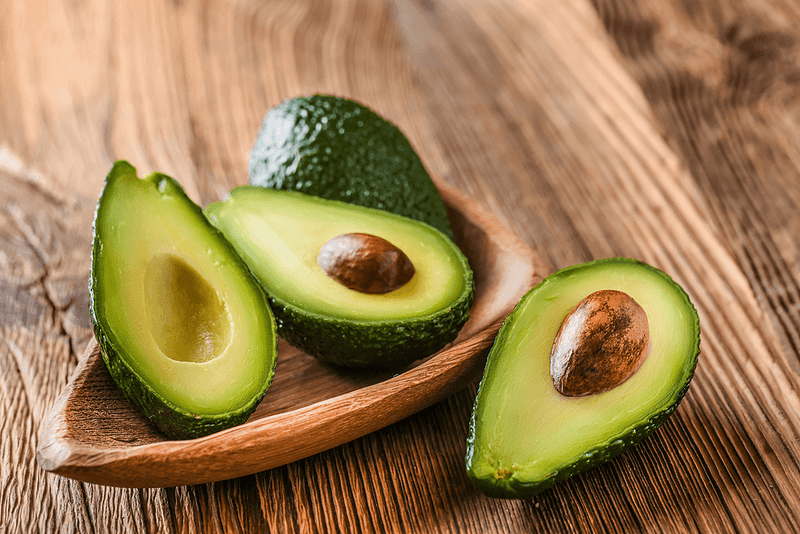
Creamy, versatile, and absolutely brilliant for your brain, avocados deliver monounsaturated fats that support healthy blood flow.
Better circulation means more oxygen and nutrients reaching your grey matter.
They're also loaded with vitamin E and potassium.
Mash onto toast, slice into salads, or blend into smoothies for a luxurious texture that keeps your mind sharp and focused.
10. Broccoli
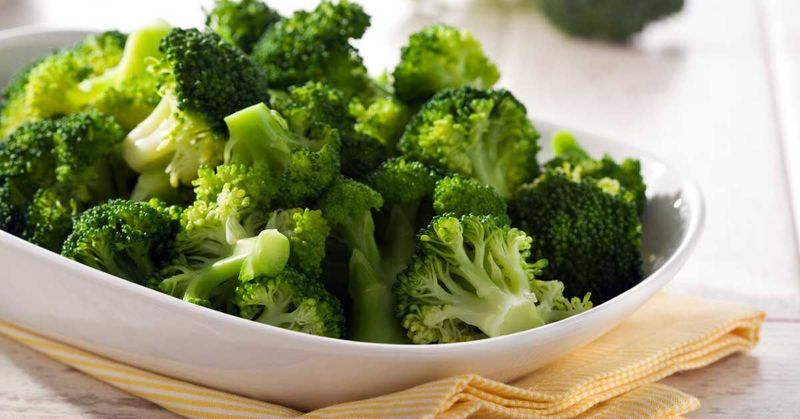
This green tree-shaped vegetable bursts with vitamin K and compounds called glucosinolates.
Together, they reduce inflammation and protect against oxidative damage in brain tissue.
One serving provides over 100% of your daily vitamin K requirement.
Steam until tender-crisp, roast with garlic, or add to stir-fries for a crunchy addition that safeguards your cognitive abilities beautifully.
11. Tomatoes

Lycopene gives tomatoes their brilliant red hue and remarkable neuroprotective properties.
This potent antioxidant fights free radical damage that contributes to dementia and memory loss.
Cooking tomatoes actually increases lycopene availability to your body.
Create rich pasta sauces, add to soups, or roast with herbs for Mediterranean-inspired dishes that taste wonderful whilst defending your mental sharpness.
12. Dark Chocolate
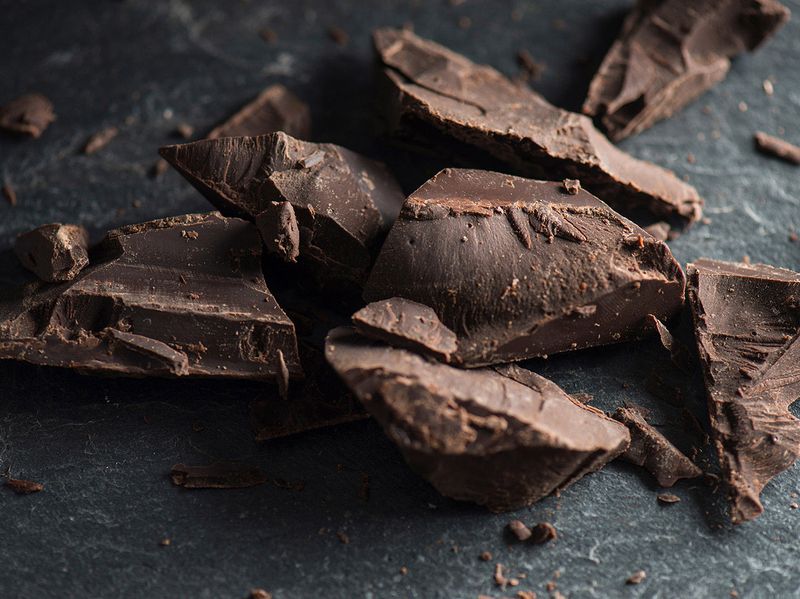
Dark chocolate contains flavonoids, which are plant compounds known for their antioxidant effects.
These flavonoids have been linked to improved blood flow, including circulation that supports brain function.
Dark chocolate also contains small amounts of minerals such as iron and magnesium.
Enjoyed in moderation, it can be part of a varied diet that supports overall cognitive health.
13. Pumpkin Seeds
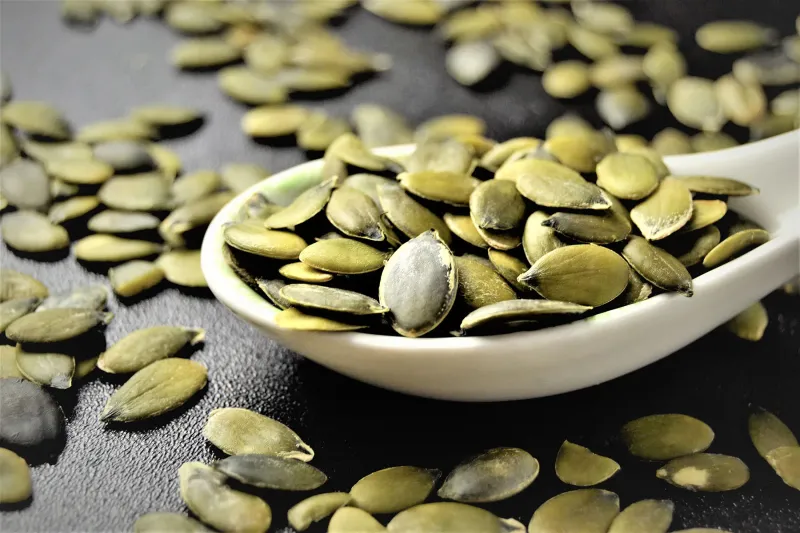
These unassuming seeds pack zinc, magnesium, iron, and copper - minerals vital for nerve signalling and cognitive function.
Zinc particularly supports memory formation and communication between neurons.
Magnesium helps with learning and stress management.
Sprinkle over salads, blend into pesto, or roast with spices for a crunchy snack that delivers impressive brain-boosting minerals in every satisfying bite.
14. Sunflower Seeds
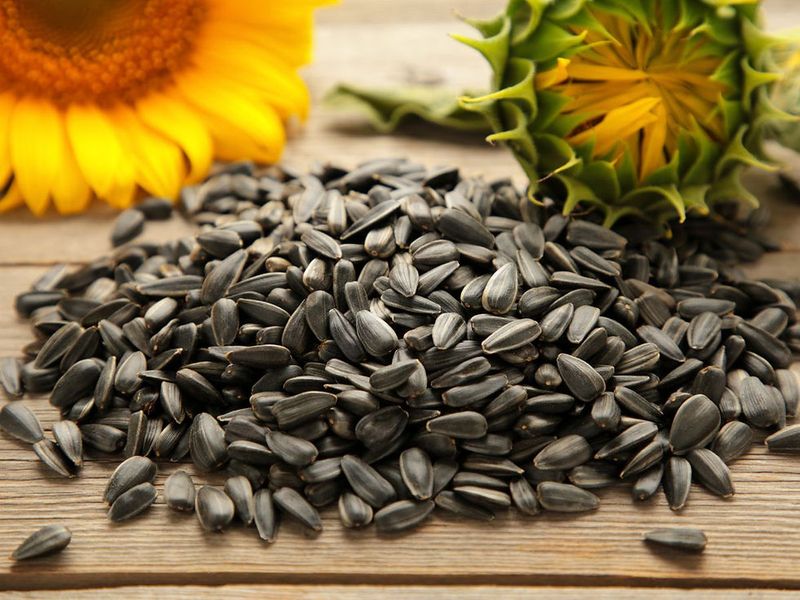
Vitamin E superstars, sunflower seeds protect brain cells from oxidative stress remarkably effectively.
Just one ounce provides 76% of your daily vitamin E requirement.
They also contain beneficial fats and B vitamins that support neurotransmitter production.
Keep a small container in your bag for convenient snacking, add to homemade granola, or sprinkle over soups for delightful crunch and cognitive protection.
15. Beans
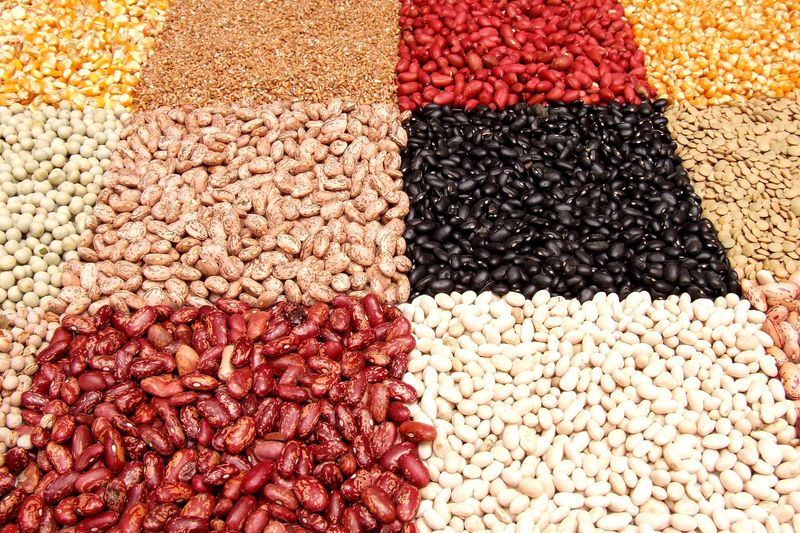
Kidney beans, black beans, and chickpeas offer steady glucose release that keeps your brain energised without spikes and crashes.
Their complex carbohydrates fuel mental performance throughout the day.
Rich in folate and iron, beans support neurotransmitter synthesis too.
Add to soups, make hearty stews, or mash into spreads for affordable, versatile brain food that satisfies hunger brilliantly.
16. Lentils
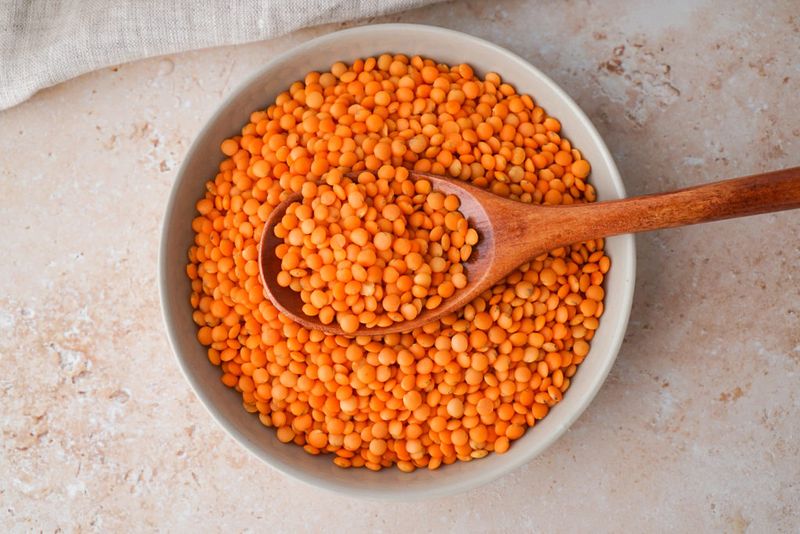
Folate powerhouses, lentils support neurotransmitter production and reduce homocysteine levels linked to cognitive decline.
These humble legumes cook quickly and absorb flavours beautifully.
They're also packed with iron, which carries oxygen to your brain cells.
Create warming curries, nutritious salads, or comforting soups that provide sustained mental energy whilst being gentle on your budget and digestion.
17. Yoghurt

Your gut and brain communicate constantly through what scientists call the gut-brain axis.
Probiotic-rich yoghurt supports beneficial bacteria that influence mood, memory, and cognitive function.
B vitamins in yoghurt also aid neurotransmitter production.
Choose natural varieties without added sugars, top with berries and nuts, and enjoy a creamy breakfast that nourishes both digestive and mental wellness.
18. Turmeric

Turmeric is a spice widely used in cooking and contains a natural compound called curcumin.
Curcumin has antioxidant and anti-inflammatory properties that are well documented in scientific research.
Including turmeric in meals adds flavour while contributing beneficial plant compounds to the diet.
It is commonly paired with black pepper in cooking, which helps the body absorb curcumin more effectively.
19. Green Tea

L-theanine and caffeine in green tea work synergistically to improve focus, alertness, and memory.
The catechins provide powerful antioxidant protection for brain cells.
Regular consumption associates with reduced cognitive decline risk.
Brew a fresh cup mid-morning or afternoon for a calming ritual that sharpens concentration whilst delivering neuroprotective compounds.
Skip the sugar to maximise benefits wonderfully.
20. Oranges
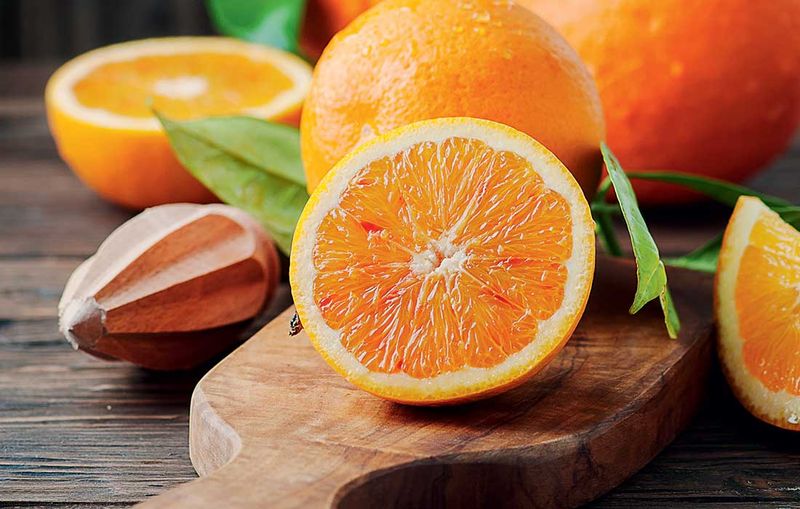
Oranges are a rich source of vitamin C, a nutrient important for normal brain function.
Vitamin C helps protect cells from oxidative stress as part of the body’s natural defence system.
Regular intake of vitamin C is associated with maintaining normal cognitive performance as people age.
Oranges are an easy, refreshing way to boost fruit intake while supporting overall nutritional balance.