










Spanish cuisine offers a tantalizing blend of flavours that have evolved over centuries of cultural influences. From coastal seafood delicacies to hearty inland stews, Spain's culinary landscape is as diverse as its geography.
These traditional dishes represent the heart and soul of Spanish cooking, each bringing unique regional character to your table.
This article is for general informational and cultural interest only. Availability, preparation, and taste of dishes may vary by region and restaurant.
1. Paella Valenciana

The crown jewel of Spanish cuisine hails from Valencia, where farmers combined rice with whatever ingredients were handy – typically rabbit, chicken, and local vegetables.
Authentic paella is cooked outdoors in wide, shallow pans, allowing the rice to form a caramelized crust called 'socarrat' on the bottom. This golden dish captures Spain's sunny spirit in every fragrant spoonful.
2. Tortilla Española (Spanish Omelette)

Found in nearly every Spanish home, this potato omelette represents comfort food at its finest. Thinly sliced potatoes slowly cooked in olive oil create a tender interior.
Debates rage across Spain about whether to include onions or serve it runny in the middle. Enjoyed hot or cold, at breakfast or midnight, the tortilla's simplicity belies its deeply satisfying nature.
3. Gazpacho

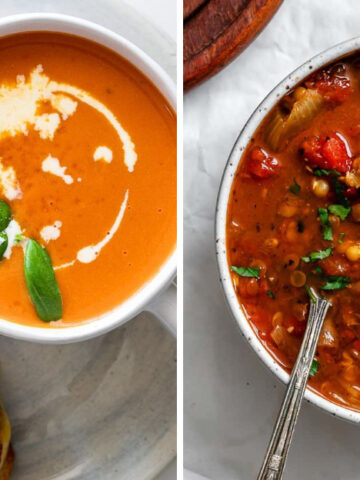
Summer's scorching heat in Andalusia birthed this refreshing cold soup centuries ago. Ripe tomatoes, peppers, cucumber, garlic and bread are blended with olive oil into silky perfection.
Farmers once prepared gazpacho as a midday energizer during harvests. Modern versions might be garnished with diced vegetables for texture contrast. Nothing cools a hot Spanish afternoon better than this vibrant, vitamin-packed bowl.
4. Salmorejo

Gazpacho's richer, creamier cousin comes from Córdoba, where the recipe has been perfected over generations. Fewer ingredients create more intensity – just tomatoes, bread, garlic and olive oil blended to velvety smoothness.
Traditionally topped with diced Spanish ham and hard-boiled egg. The thick texture makes it substantial enough for a light meal, especially during blistering southern Spanish summers when cooking feels impossible.
5. Pulpo A La Gallega (Galician Octopus)

Along Spain's rugged northwestern coast, octopus transforms from sea creature to culinary masterpiece through a deceptively simple preparation. Tender tentacles are boiled, sliced into rounds, drizzled with olive oil and dusted with paprika.
Traditionally served on wooden plates that absorb excess moisture. The contrasting textures – crisp exterior giving way to buttery flesh – explain why Galicians have celebrated this dish at fairs and festivals for centuries.
6. Fabada Asturiana

From the misty mountains of Asturias comes this hearty bean stew that has sustained generations through harsh northern winters. Large white beans slowly simmer until creamy inside yet intact.
Regional sausages like morcilla and chorizo infuse the broth with smoky depth. Mountainous regions developed this protein-rich dish as practical sustenance for shepherds and farmers working long days in challenging terrain.
7. Pimientos De Padrón

"Some are hot and some are not" – this Galician saying perfectly captures the Russian roulette nature of these small green peppers. Quick-fried in olive oil until blistered, then finished with sea salt flakes.
Originally grown by monks near the town of Padrón, these peppers became famous for their unpredictability. Eating them becomes a social experience as diners watch each other's reactions, never knowing who might bite into an unexpectedly spicy one.
8. Croquetas

Spanish grandmothers transformed humble leftovers into these crispy, creamy cylinders that now feature on menus from village bars to Michelin-starred restaurants. A thick béchamel sauce mixed with finely chopped ingredients is chilled, shaped, breaded and fried.
Ham varieties remain most popular, though mushroom, chicken, fish or cheese versions abound. The contrast between the golden crunchy exterior and molten interior makes these bite-sized morsels irresistible.
9. Patatas Bravas

Madrid's taverns made these "fierce potatoes" famous, though they've spread across Spain as essential tapas. Crisp-edged potato cubes arrive doused in two contrasting sauces – spicy tomato and creamy garlic aioli.
The secret lies in twice-cooking the potatoes. First boiled, then fried to create the perfect texture. Every bar claims their sauce recipe superior to competitors. Simple ingredients elevated through perfect execution make this dish beloved nationwide.
10. Churros Con Chocolate

Dawn breaks over Madrid with the scent of these ridged dough sticks frying to golden perfection. Spanish churros differ from their international cousins – crispier, less sweet, and uncoated with cinnamon sugar.
The accompanying chocolate isn't a drink but thick dipping sauce. Morning commuters and late-night revelers alike gather at churrerías for this timeless combination. Spanish breakfast tradition stretches back centuries, proving some pleasures never grow old.
11. Cochinillo Asado (Roast Suckling Pig)

Segovia's restaurants maintain centuries-old traditions with this celebration dish. Young pigs roasted in wood-fired ovens develop crackling skin while the meat remains impossibly tender.
Traditionally, chefs demonstrate the tenderness by cutting portions using only a plate's edge rather than a knife. Minimal seasoning – just salt and water – allows the quality to shine. Special occasions in central Spain have centered around this dish since medieval times.
12. Calamares A La Romana (Fried Squid Rings)

Madrid may be landlocked, but its love affair with these golden squid rings runs deep. Tender pieces coated in light batter fry to crisp perfection in minutes.
Usually served with lemon wedges and maybe aioli for dipping. The dish arrived with immigrants from coastal regions but found its spiritual home in Madrid's taverns. Now a national favourite, these addictive rings represent Spanish casual dining at its approachable best.