













Energy dips, muscle cramps, and general tiredness sometimes have simple nutritional explanations that are easy to overlook. Potassium plays an important role in helping muscles, nerves, and fluid balance work as they should.
Daily meals often focus on protein or carbohydrates, while this essential mineral quietly slips under the radar. Adding potassium-rich foods can be surprisingly straightforward and fits easily into familiar meals.
Small changes to everyday eating habits can make a noticeable difference over time.
This content is provided for general health awareness only and is not intended as medical or dietary advice. Nutritional needs vary between individuals, and professional healthcare guidance should be sought for personalised recommendations.
1. Bananas
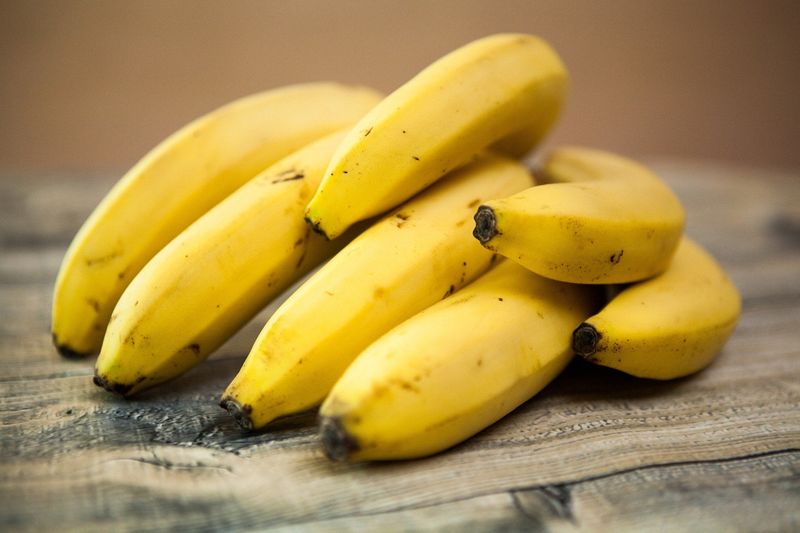
Grabbing a banana remains one of the easiest ways to boost potassium without much planning. A medium banana provides roughly 422 milligrams, making it a reliable everyday option for maintaining balanced nutrition.
Sliced pieces blend smoothly into porridge or smoothies, while whole bananas work perfectly as an on-the-go snack. Natural sweetness also helps satisfy cravings without extra preparation.
Convenient packaging courtesy of nature certainly adds to their everyday appeal.
2. Jacket Potatoes With Skin

A medium jacket potato with the skin left on contains around 926 milligrams of potassium - that's more than double what you'd find in a banana. The skin is where much of the goodness hides, so resist the urge to peel it away.
Top yours with baked beans, cheese, or tuna for a filling meal that delivers both comfort and nutrition. It's proper British fare that actually does your body good.
3. Sweet Potatoes
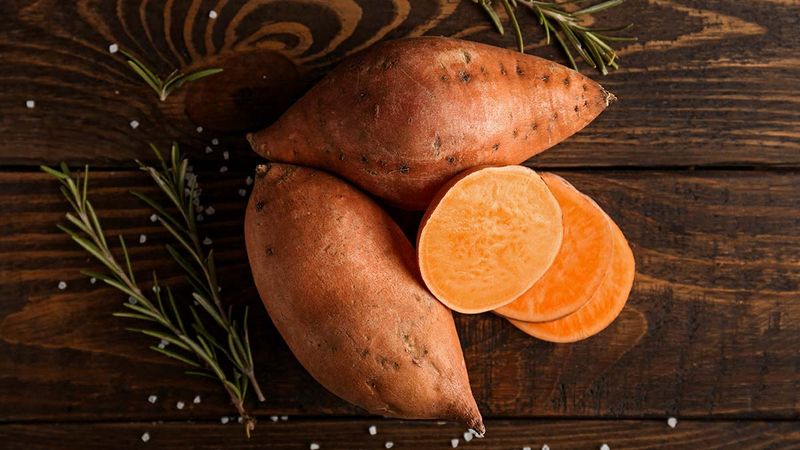
With their vibrant orange flesh and naturally sweet flavour, sweet potatoes pack about 542 milligrams of potassium per medium spud. They're also loaded with vitamin A, fibre, and antioxidants that support your immune system.
Roast them with a drizzle of olive oil until the edges go crispy, or mash them as a colourful alternative to regular mash. Either way, you're treating your taste buds and your health.
4. Spinach
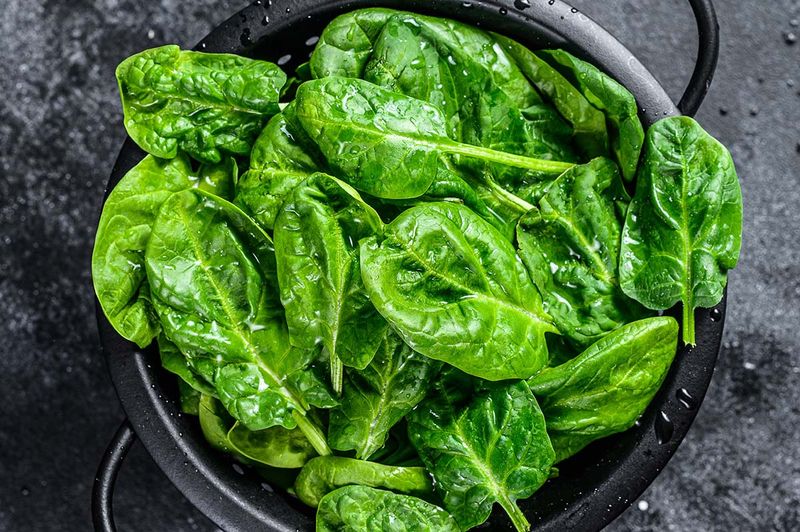
Popeye was onto something - cooked spinach delivers an impressive 839 milligrams of potassium per cup. When you cook spinach down, it concentrates the nutrients, making it easier to consume larger amounts than you'd manage with raw leaves.
Wilt it into pasta dishes, stir it through curries, or layer it into lasagne. The mild flavour means it blends seamlessly into countless recipes without overpowering other ingredients.
5. Avocados
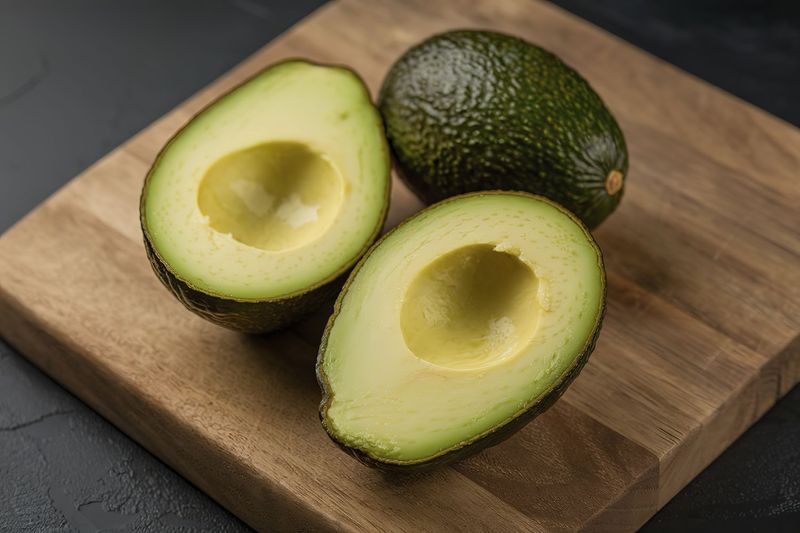
Smash avocado onto toast for a quick breakfast, dice it into salads for extra richness, or blend it into desserts like chocolate mousse for a surprisingly smooth finish. The creamy texture makes it easy to use in both savoury meals and sweeter treats.
Half an avocado provides roughly 487 milligrams of potassium, along with heart-friendly fats that help the body absorb certain vitamins more effectively. Adding it to everyday meals is a simple way to boost flavour while supporting balanced nutrition.
6. White Beans
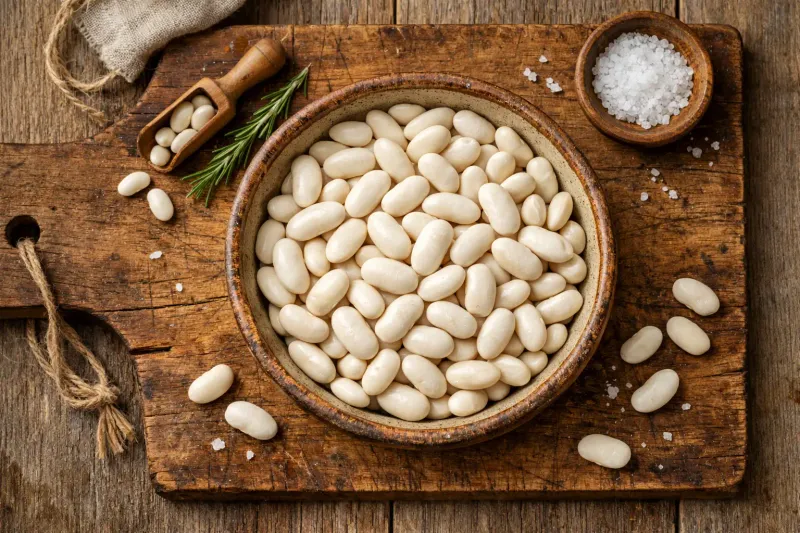
Few pantry staples deliver as much potassium in a single serving as cooked white beans. Varieties such as cannellini, butter beans, and haricot beans can provide around 1,189 milligrams per cup.
Adding them to soups or stews introduces a creamy texture that feels hearty and filling. Tossing them through salads or blending them into simple spreads keeps meals interesting and satisfying.
Affordable ingredients like these quietly support balanced meals while stretching the weekly food budget.
7. Lentils
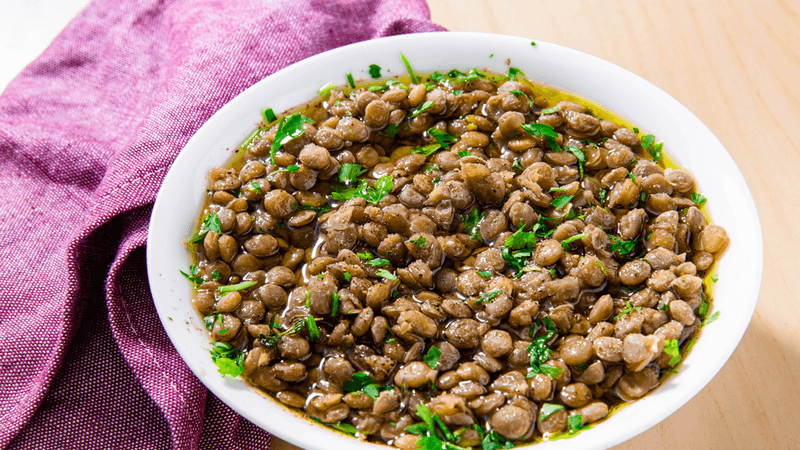
Stir red lentils into soups and stews when you want something thick and comforting, or use green lentils in salads and grain bowls where they hold their shape beautifully. They slot easily into everyday cooking without much effort.
A cooked cup delivers roughly 731 milligrams of potassium, along with fibre, protein, and iron. Hearty and dependable, lentils add substance to meals while quietly supporting balanced nutrition.
8. Salmon
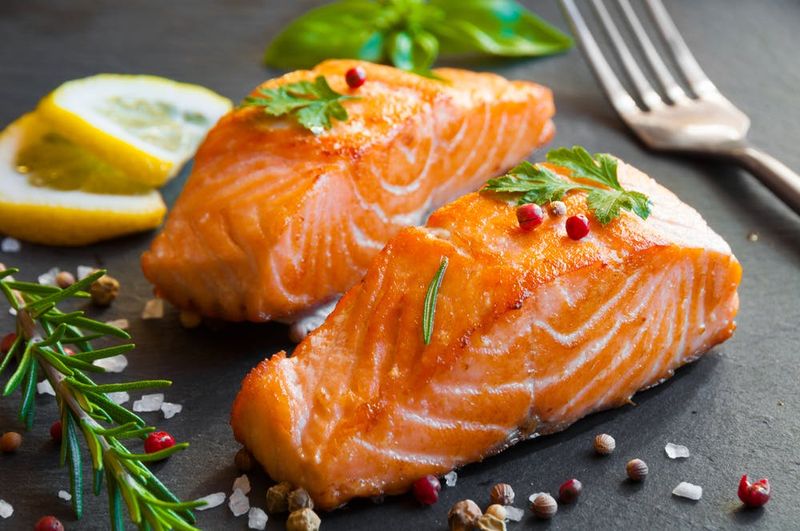
A 150-gram serving of cooked salmon delivers approximately 628 milligrams of potassium, plus omega-3 fatty acids that support brain and heart health. The combination makes salmon one of the most nutrient-dense proteins you can eat.
Grill it with herbs, bake it with a honey glaze, or poach it gently for salads. Fresh, frozen, or tinned varieties all provide excellent nutrition, so choose whatever fits your budget and schedule best.
9. Natural Yoghurt
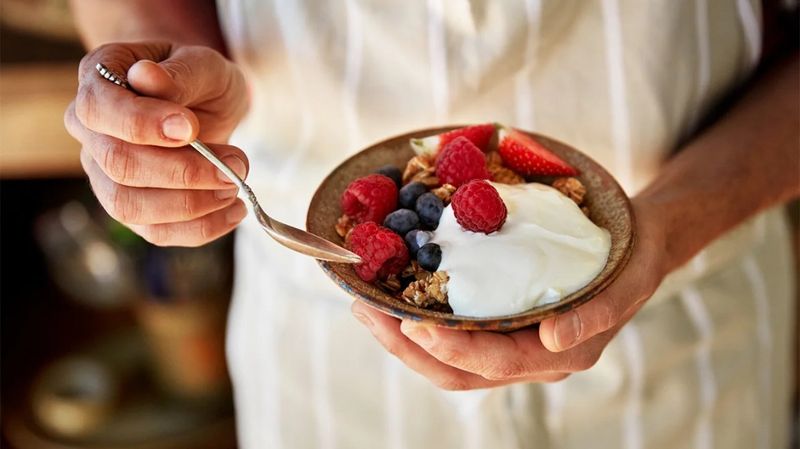
Natural yoghurt fits easily into everyday meals, whether spooned over fruit and granola in the morning or served alongside a warming curry for a cooling contrast. It also works surprisingly well in dressings and dips when you want something lighter than mayonnaise.
A 250-gram pot provides around 579 milligrams of potassium, along with probiotics that support digestive health and calcium that helps maintain strong bones. Choosing plain, unsweetened varieties keeps things balanced while still delivering plenty of flavour.
10. Dried Apricots
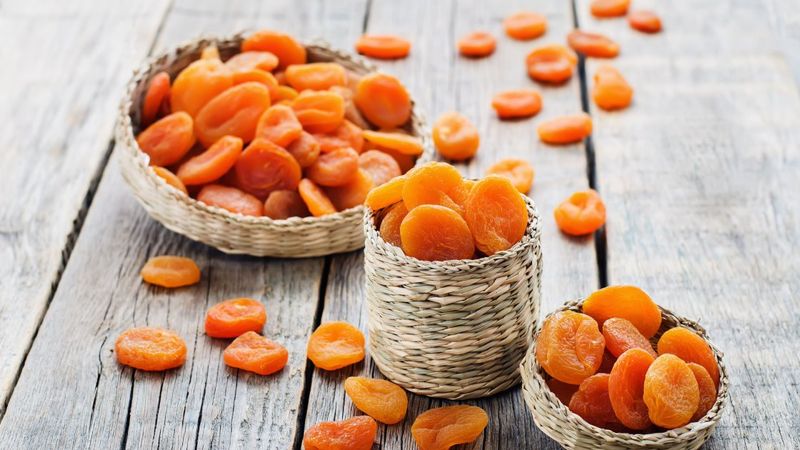
Dried apricots provide a surprisingly concentrated source of potassium in a small portion. Roughly six halves can deliver close to 488 milligrams, offering an easy snack option during busy days.
Chopped pieces add natural sweetness to cereals or yoghurt, while slow cooking them in savoury dishes introduces a gentle fruity depth. Their chewy texture also makes them satisfying between meals.
Compact portions make them easy to carry without sacrificing nutritional value.



