













More than 80% of adults in the UK do not meet the recommended three daily servings of wholegrains, and almost one in five eat none at all. Wholegrains play a role in digestion, heart health, and weight management, making them an important part of a balanced diet.
Increasing intake does not have to be difficult or involve unappetising foods. Simple swaps and incorporating everyday ingredients can make it easier to reach the recommended amounts.
Choosing wholegrain options can be straightforward, satisfying, and enjoyable while supporting overall nutrition.
All information is provided for general interest only. Consult a qualified healthcare professional for personal dietary advice. Taste, appearance, and availability may vary.
1. Porridge Oats
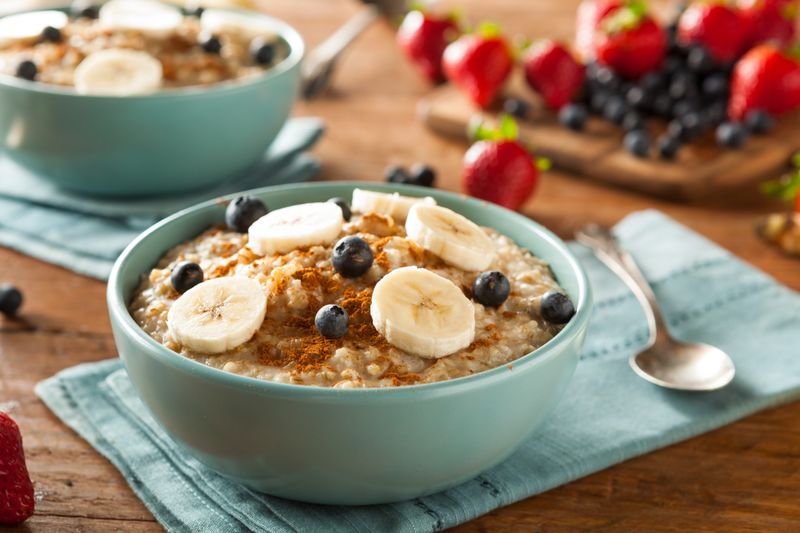
Picture a steaming bowl on a chilly morning, and you've got one of Britain's most beloved breakfast staples. Oats are brilliant because they're dead simple to prepare and surprisingly versatile beyond the basic bowl.
The soluble fibre in oats, particularly beta-glucan, does wonders for your cholesterol levels whilst keeping you satisfied until lunch. You can stir them into smoothies, bake them into flapjacks, or even use them as a coating for chicken.
They're also ridiculously affordable, making wholegrains accessible to everyone regardless of budget.
2. Wholemeal Bread
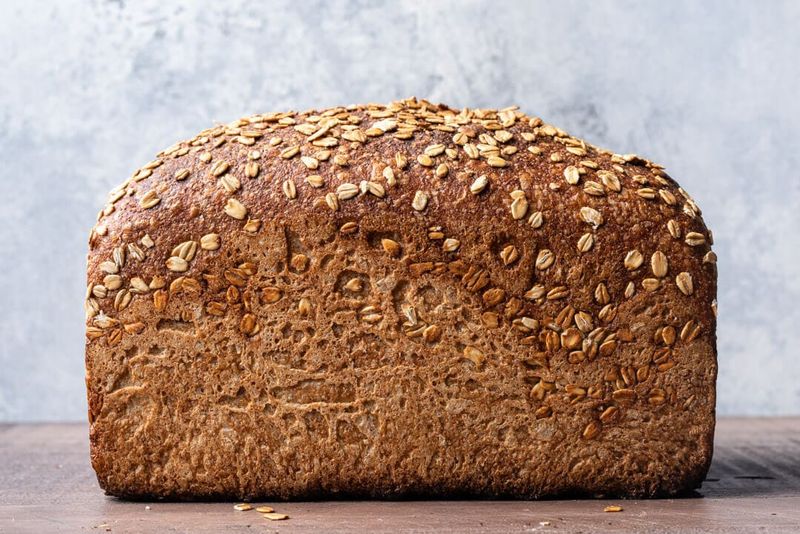
Swapping your standard white loaf for wholemeal is probably the easiest wholegrain switch you'll ever make. The nutty flavour actually tastes better once you've adjusted, and you're getting all that bran and germ that white bread strips away.
It keeps you fuller for longer too, which means fewer mid-morning snack attacks. Toast it, sandwich it, or dunk it in soup.
Look for labels that say "wholemeal" or "whole wheat" as the first ingredient, not just "brown bread," which can be white bread in disguise.
3. Brown Rice
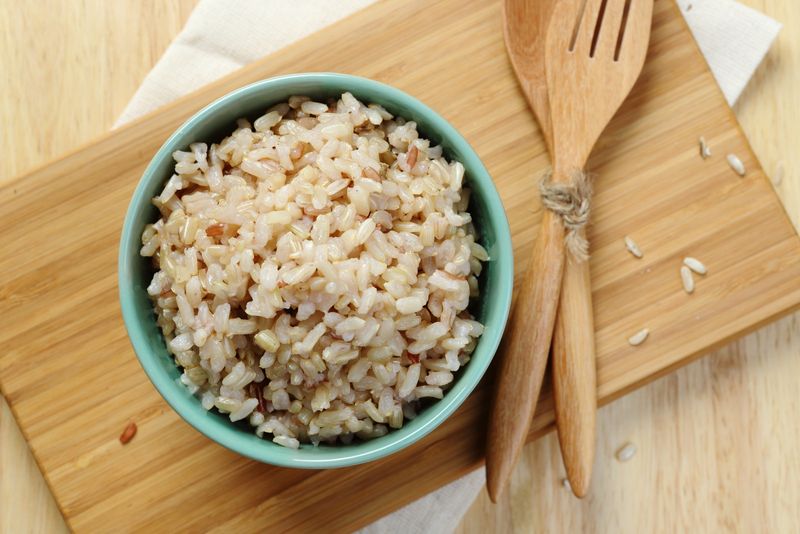
Brown rice gets a bad rap for taking longer to cook, but honestly, it's worth the extra fifteen minutes. Unlike its white counterpart, brown rice keeps its outer layers intact, delivering more fibre, magnesium, and B vitamins in every forkful.
The slightly chewy texture and earthy taste pair beautifully with curries, stir-fries, or even as a base for Buddha bowls. You can batch-cook it on Sunday and reheat portions throughout the week.
It's a straightforward upgrade that doesn't require learning new recipes.
4. Wholewheat Pasta
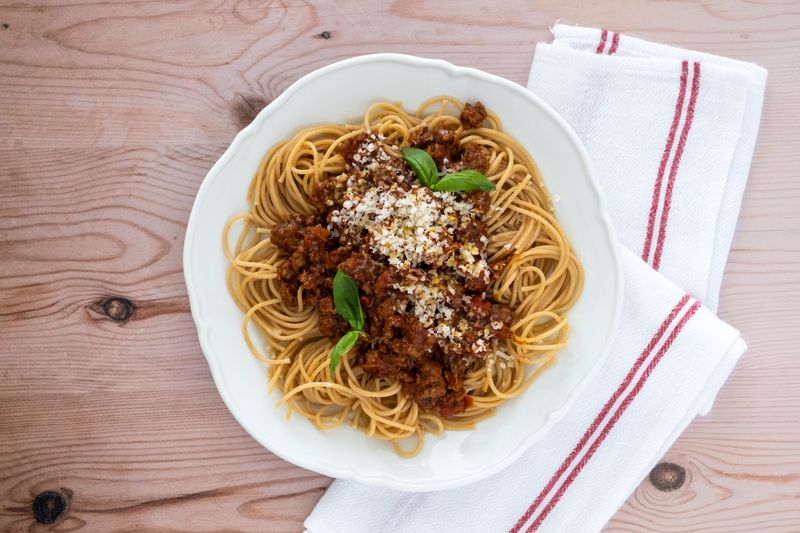
If you think wholewheat pasta tastes like soggy cardboard, you probably overcooked it or tried a dodgy brand years ago. Modern versions have come a long way, and when cooked al dente, they've got a lovely bite and nutty depth.
The extra fibre means your bolognese or carbonara will actually keep you satisfied rather than leaving you rummaging for biscuits an hour later. Start by mixing half regular and half wholewheat if you're nervous about the switch.
Your gut will thank you for the upgrade.
5. Weetabix
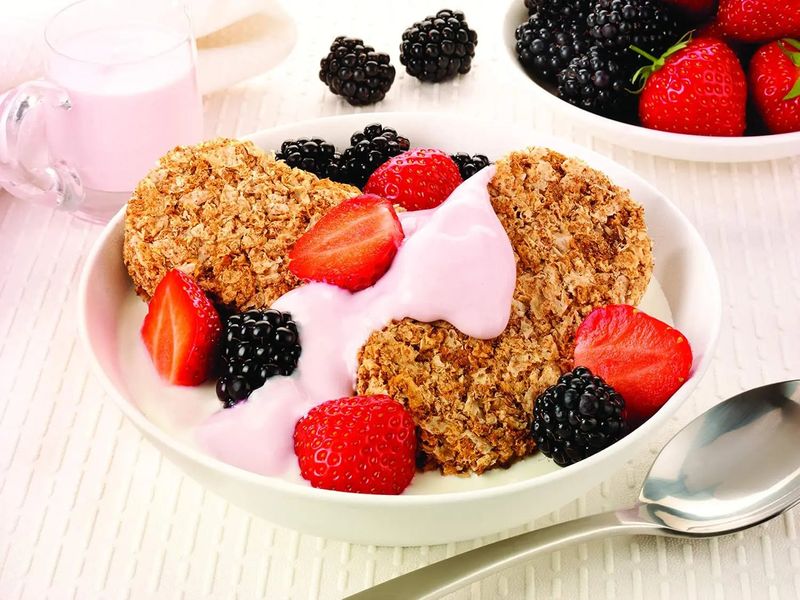
These iconic wheat biscuits have been fuelling British mornings since 1932, and there's a reason they've stuck around. Each biscuit is made from 95% wholegrain wheat, giving you a proper fibre boost before you've even left the house.
They're brilliant for people who can't be faffed with elaborate breakfasts but still want something nutritious. Crumble them over yoghurt, dunk them in tea (controversial but effective), or eat them the traditional way with cold milk.
Two biscuits count as one of your three daily wholegrain servings.
6. Shredded Wheat
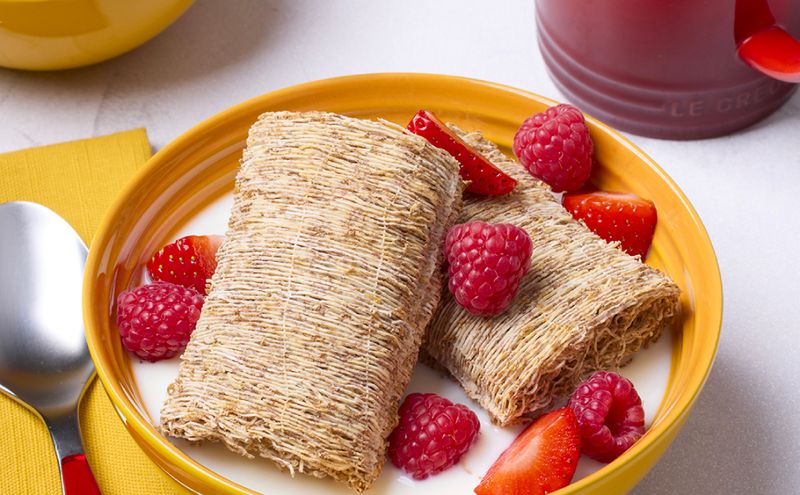
Nothing but 100% whole wheat goes into these woven biscuits, which makes them one of the cleanest breakfast cereals you'll find. No added sugar, no artificial nonsense, just straightforward wholegrain goodness that tastes pleasantly wheaty rather than bland.
The pillowy texture softens nicely in milk whilst still maintaining some structure, unlike cereals that turn to mush instantly. They're particularly good topped with sliced banana or berries for natural sweetness.
Kids and adults alike appreciate the mild flavour that doesn't assault your taste buds first thing.
7. Quinoa
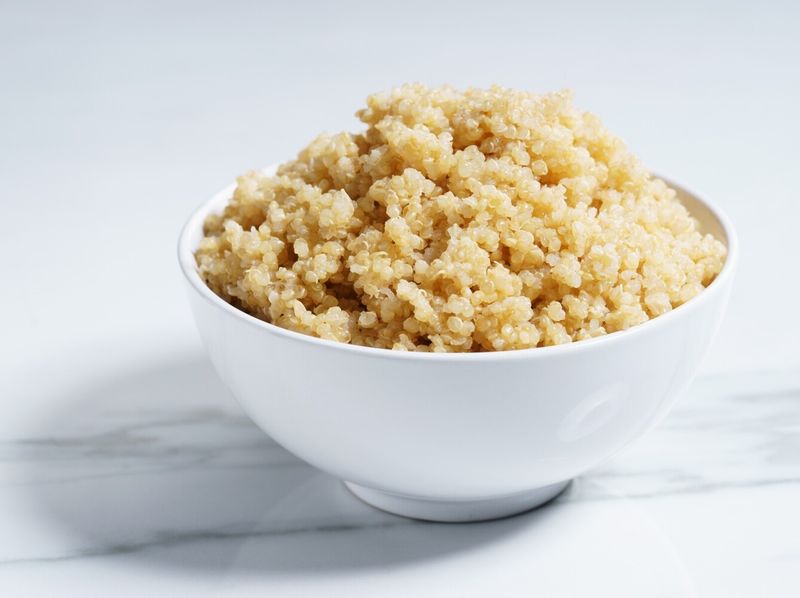
Technically a seed rather than a grain, quinoa still counts toward your wholegrain intake and brings something special to the table: it's a complete protein. That means it contains all nine essential amino acids, making it particularly valuable for vegetarians and vegans.
The slightly nutty taste and pleasant pop when you bite into it works brilliantly in salads, as a rice alternative, or even in porridge. It cooks in just fifteen minutes, which is faster than brown rice.
Rinse it first to remove any bitter coating.
8. Bulgur Wheat
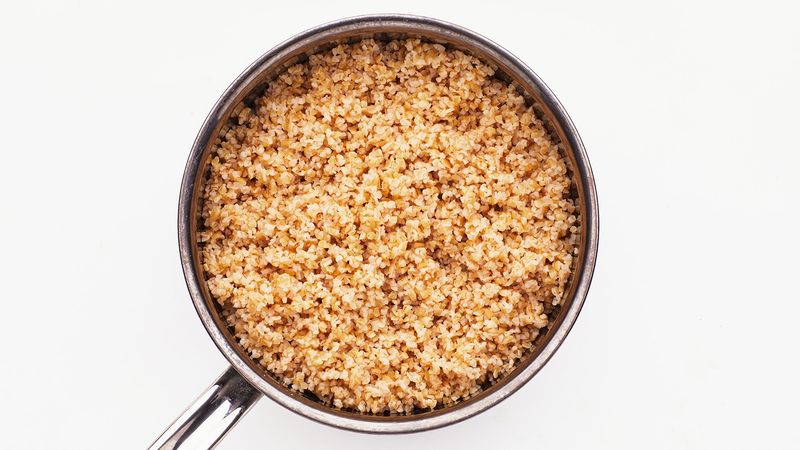
Popular in Middle Eastern cooking, bulgur wheat is parboiled and cracked, which means it cooks ridiculously fast compared to other wholegrains. You can literally just soak it in boiling water for ten minutes, and it's ready to eat.
The slightly chewy texture and mild wheaty flavour makes it perfect for tabbouleh, pilafs, or as a couscous substitute with more nutritional punch. It's got loads of fibre and keeps brilliantly in the cupboard for months.
Once you discover how easy it is, you'll wonder why you hadn't tried it sooner.
9. Rye Crispbreads

Scandinavians have been munching on these for centuries, and they're onto something brilliant. Rye crispbreads are dense, satisfying, and packed with fibre that keeps your digestive system running smoothly.
The hearty, slightly sour flavour pairs beautifully with both savoury toppings like cheese and smoked salmon or sweet options like nut butter and sliced apple. They're sturdy enough not to snap when you spread things on them, unlike some wimpy crackers.
Keep a pack in your desk drawer for a wholegrain snack that won't go stale.
10. Popcorn (Air-Popped)

Bet you didn't expect to see this on a health list, but plain popcorn is actually a whole grain snack that's brilliant for munching. The key is air-popping it rather than drowning it in butter and cinema-style toppings.
Three cups of air-popped popcorn gives you a satisfying snack with decent fibre for very few calories. Season it with nutritional yeast, paprika, or a tiny drizzle of olive oil for flavour without the guilt.
It's proof that eating more wholegrains doesn't mean sacrificing all the fun foods you enjoy.



