













Venison can be rich, tender and full of flavour - if you treat it right. But all too often, people make simple mistakes that leave this lean meat dry, gamey or just plain unpleasant.
Whether you've bought it from a trusted butcher or bagged it yourself, learning how to cook venison properly makes all the difference.
1. Leaving The Silver Skin Intact
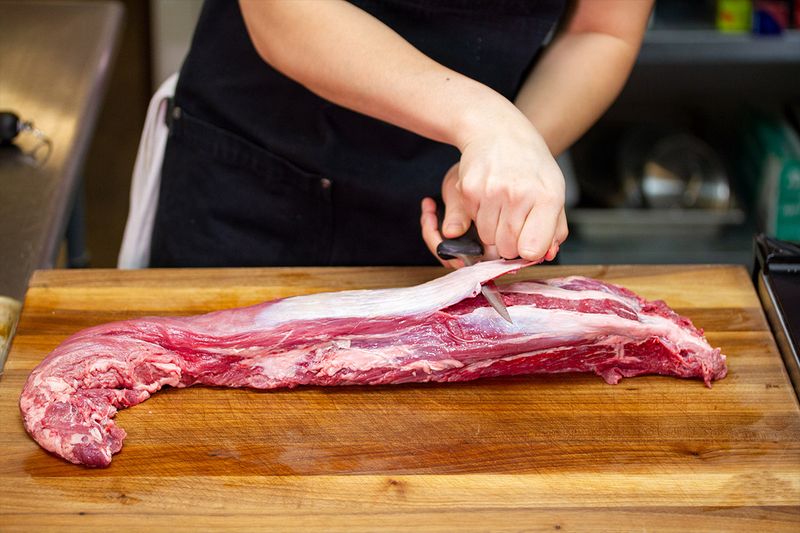
That silvery membrane might seem harmless, but it turns into a chewy nightmare when cooked.
Grab a sharp knife and carefully trim it away before preparing your venison. This thin layer doesn't break down during cooking and will ruin the texture of even perfectly cooked meat.
Your patience with this prep step pays off tremendously in the final dish.
2. Cooking Venison Well-Done
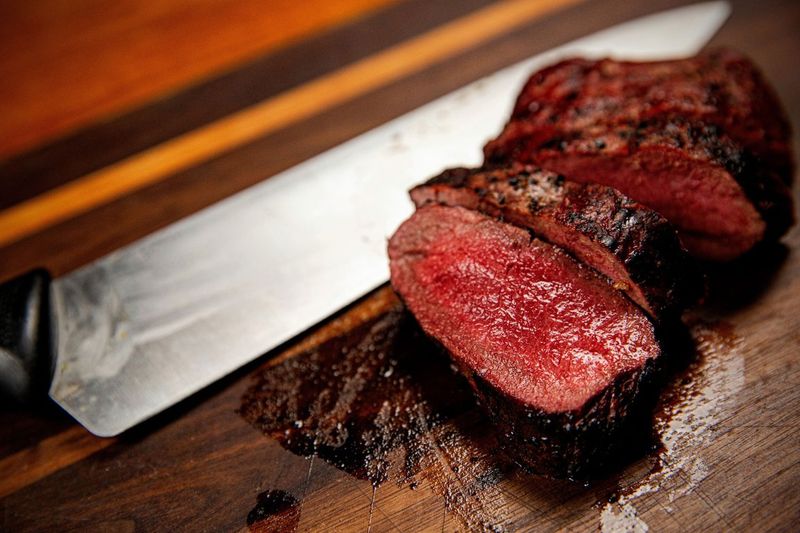
Medium-rare is your sweet spot with this lean meat.
Venison lacks the fat marbling of beef, making it incredibly prone to drying out when overcooked. A meat thermometer reading between 57-63°C gives you perfect, juicy results.
Remember that residual heat continues cooking the meat after removing it from heat, so pull it slightly before your target temperature.
3. Skipping The Marinade Stage
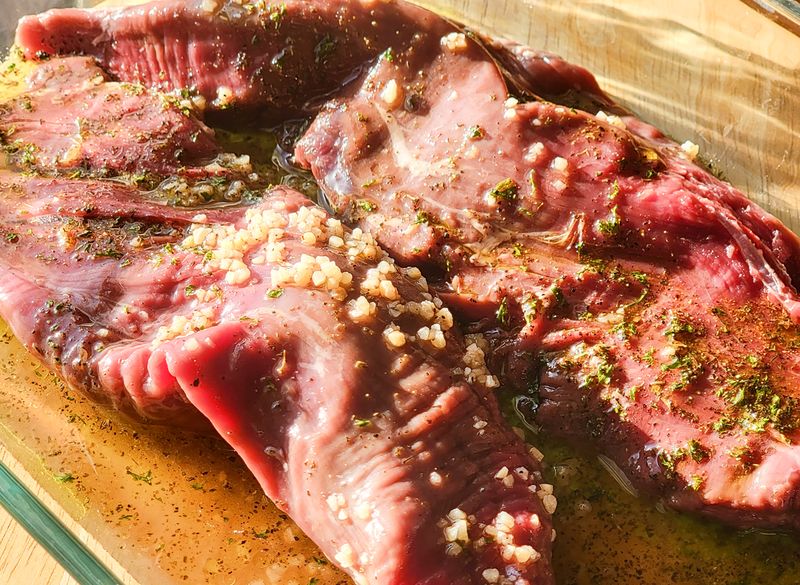
Venison's lean profile makes it the perfect candidate for a flavourful soak.
A good marinade with acidic elements like wine, vinegar or citrus helps tenderise the meat while reducing any gamey notes. Add oil, herbs and aromatics for depth.
Even a quick 2-hour marinade makes a difference, though overnight delivers remarkable results for tougher cuts.
4. Using Identical Cooking Methods For All Cuts
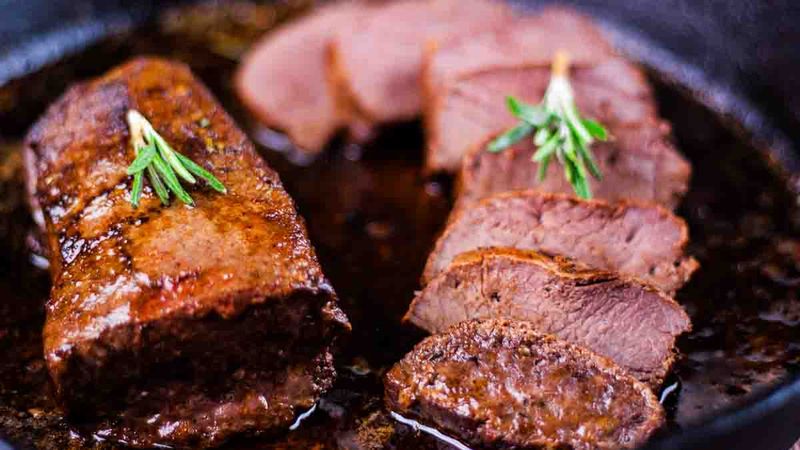
Backstrap deserves different treatment than shoulder or shank.
Prime cuts like loin and tenderloin shine with quick, hot cooking methods—pan-searing or grilling to medium-rare perfection. Tougher cuts from the shoulder, neck or leg transform magically with slow braising or stewing.
Match your method to the muscle group for consistently delicious results.
5. Cutting Into Venison Immediately After Cooking
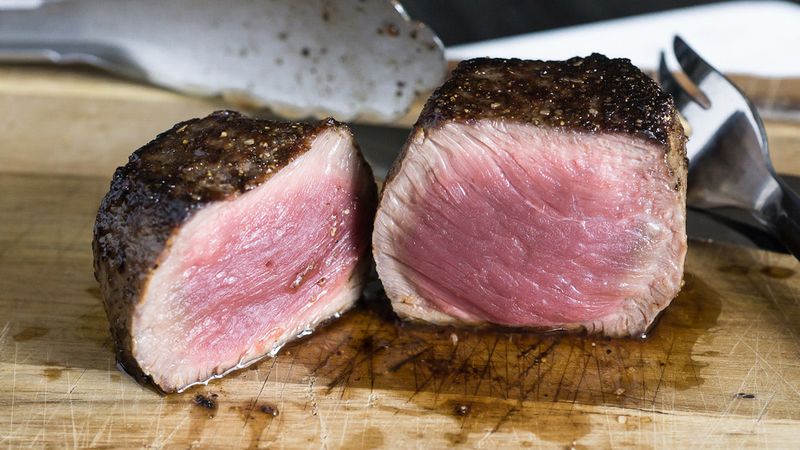
Patience yields juicier results with freshly cooked venison.
When meat comes off the heat, its juices are actively circulating. Slicing too soon allows these precious liquids to escape onto your cutting board instead of redistributing throughout the meat.
Simply tent with foil and rest for 5-10 minutes, depending on thickness, before serving.
6. Neglecting The Ageing Process
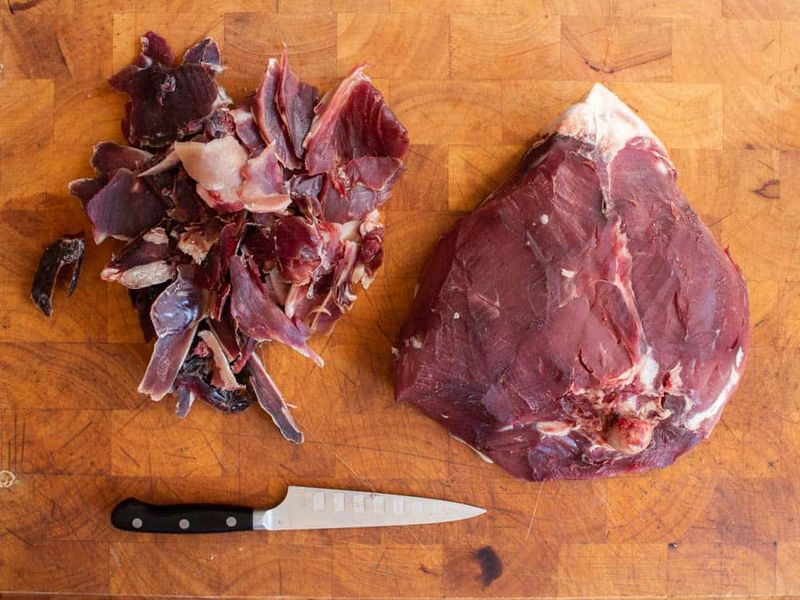
Fresh-killed venison often carries that distinctive 'wild' taste many find off-putting.
Properly aged meat allows natural enzymes to break down muscle fibres and develop complex flavours. Professional butchers typically hang venison in controlled environments for 7-14 days.
Home hunters can dry-age smaller cuts in the refrigerator, wrapped in cheesecloth, for 3-5 days with excellent results.
7. Drowning Venison In Heavy Spices
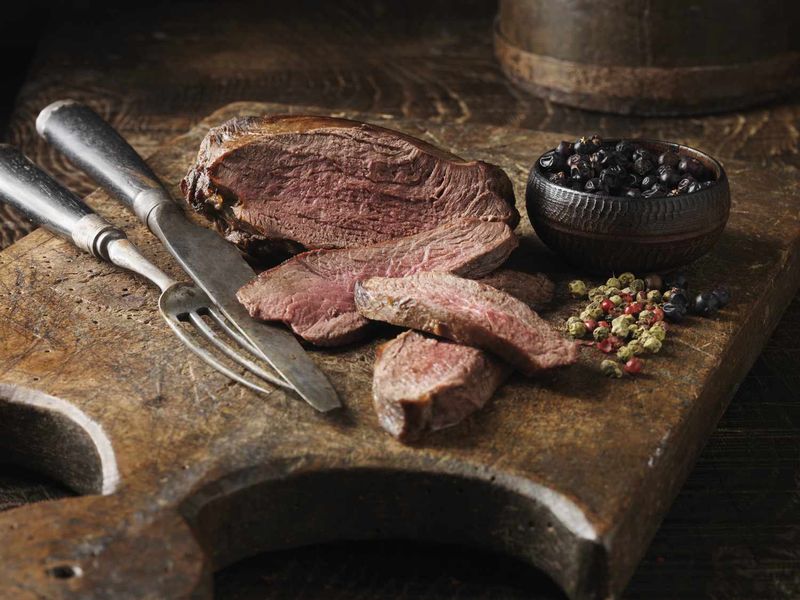
The natural earthy flavour of venison deserves respect, not burial under aggressive seasonings.
Simple salt and pepper often work beautifully, perhaps with subtle herbs like thyme or rosemary. Venison's unique taste profile stands on its own merits.
Let this special meat speak for itself rather than masking it with competing flavours that overwhelm its natural qualities.
8. Starting With Ice-Cold Meat
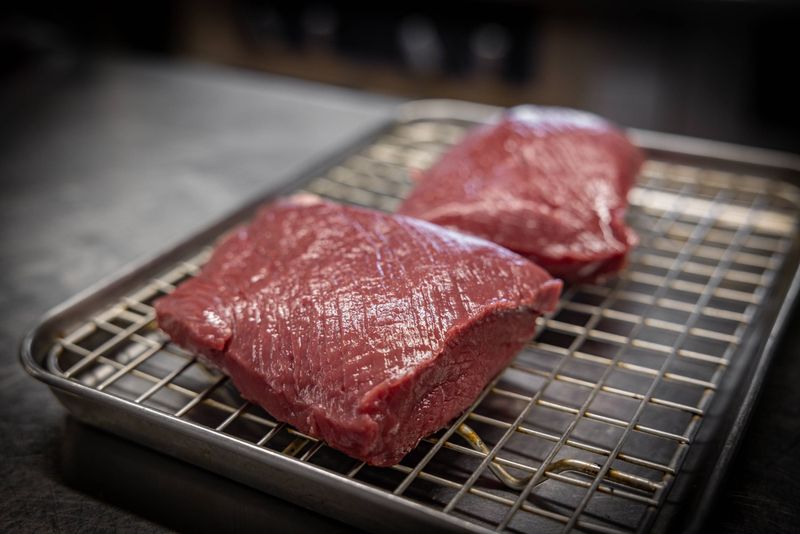
Straight-from-the-fridge venison leads to uneven cooking and disappointing results.
Cold meat hits a hot pan and seizes up, cooking unevenly from outside to centre. The exterior often overcooks before the middle reaches proper temperature.
Let your venison rest at room temperature for 30-45 minutes before cooking for more consistent doneness and better searing potential.
9. Rushing The Searing Process
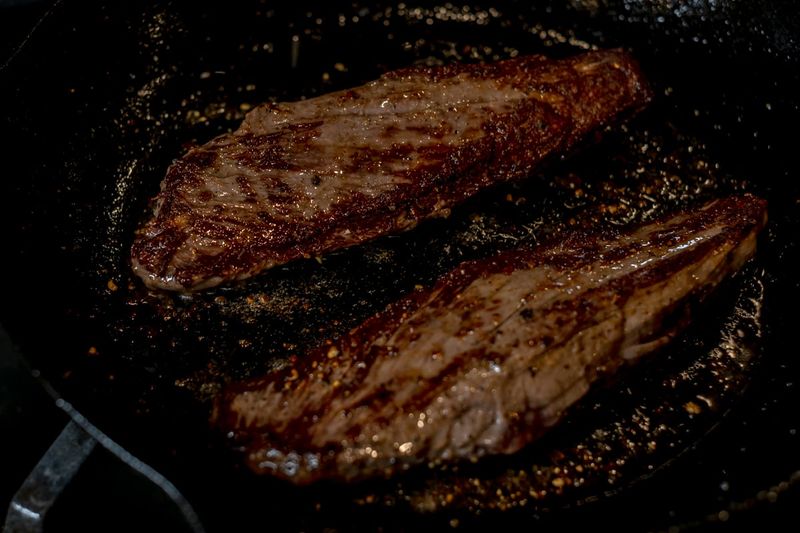
Proper browning requires patience and technique.
A beautiful sear develops when meat meets high heat without disturbance. Moving venison too frequently in the pan prevents that gorgeous crust from forming.
Heat your pan until it's properly hot, add a high smoke-point oil, and resist the urge to flip or move the meat until it releases naturally from the surface.
10. Cooking With Strongly Flavoured Oils
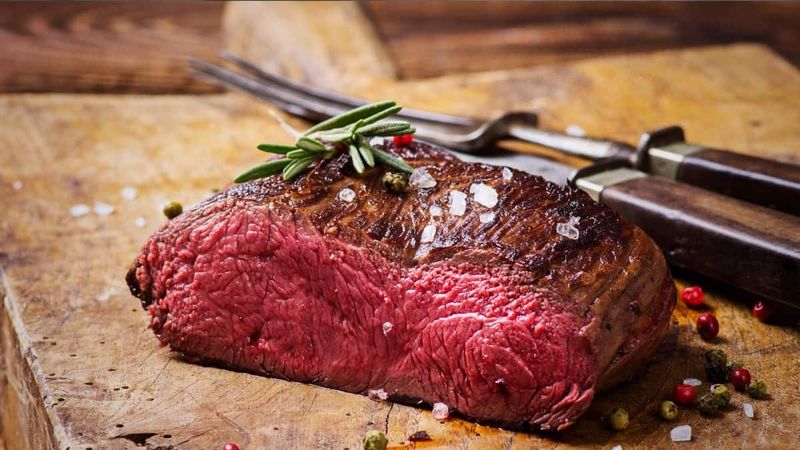
Extra virgin olive oil might be your kitchen staple, but it's not venison's best friend.
Strongly flavoured oils can burn at high temperatures needed for proper searing, introducing bitter notes. They may also compete with venison's delicate flavour profile.
Opt for neutral, high smoke-point options like grapeseed, sunflower or clarified butter when cooking this special meat.
11. Selecting Mismatched Flavour Companions
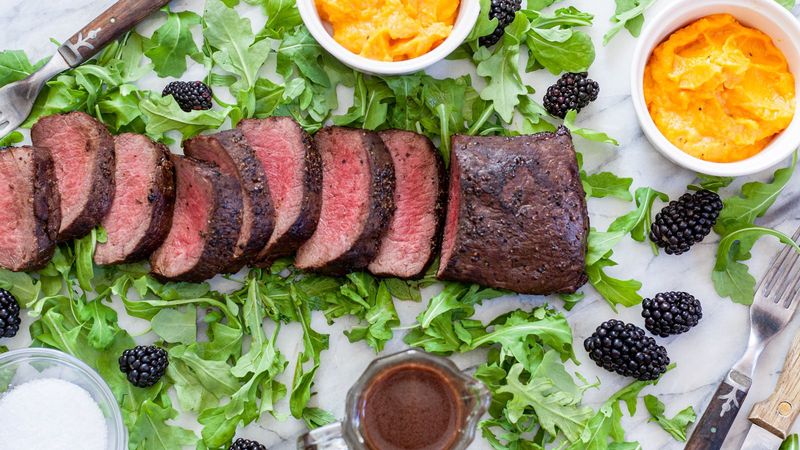
Venison has natural affinity for certain flavour profiles that enhance rather than fight its character.
Juniper berries, rosemary, thyme, mushrooms, red wine and fruit-based sauces (especially berries) complement venison beautifully. These elements bring out the meat's natural qualities.
Avoid heavy cream sauces or overly sweet glazes that might clash with its distinctive taste.
12. Treating Tough Cuts Like Prime Steaks
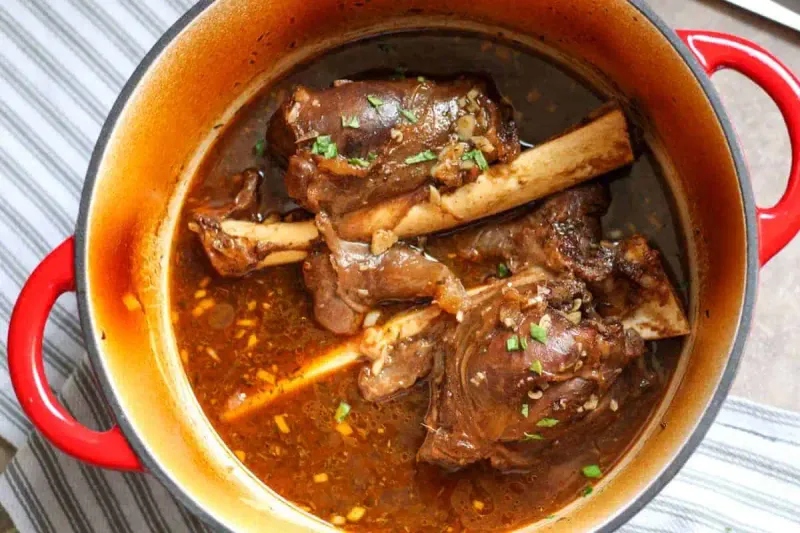
Neck, shoulder and leg muscles work hard during the deer's life, developing tough connective tissue.
These cuts transform magically with slow, moist cooking methods that break down collagen into rich gelatin. Think stews, braises and slow-roasting with liquid.
A tough cut cooked low and slow (80°C for several hours) will outshine a poorly cooked tenderloin every time.
13. Improper Freezing Techniques
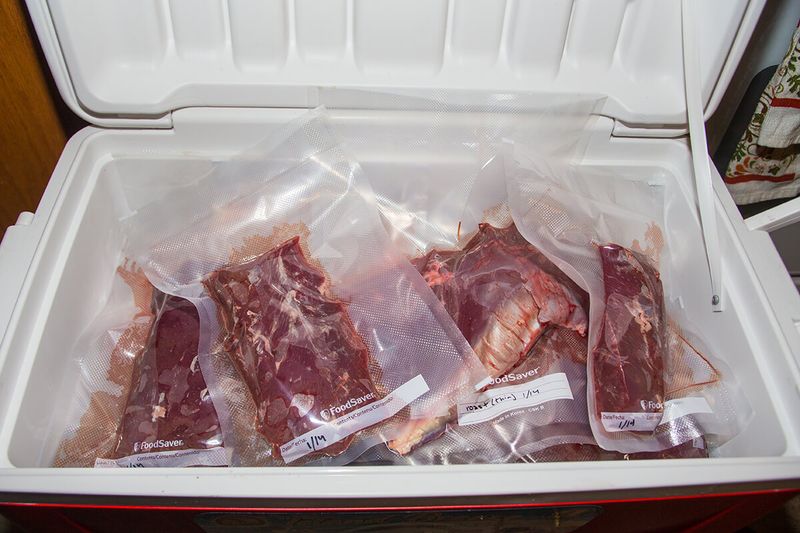
Wild game deserves proper storage to preserve its quality.
Freeze venison quickly after processing, wrapped tightly in freezer paper or vacuum-sealed to prevent air exposure. Label with cut and date clearly.
When it's time to cook, thaw slowly in the refrigerator rather than at room temperature or with warm water, which can damage texture and promote bacterial growth.



