













Bacon might seem easy to cook, but even the simplest breakfast favourite can go wrong with a few small missteps. Rushing the process or using too much heat often leads to chewy, uneven slices instead of that perfect crisp finish.
Knowing the common mistakes to avoid can make all the difference – and help you serve bacon that’s just right every time.
This content is for general information only. Taste, appearance, and cooking results may vary depending on method and equipment. Photos are for illustrative purposes only.
1. Starting With A Hot Pan
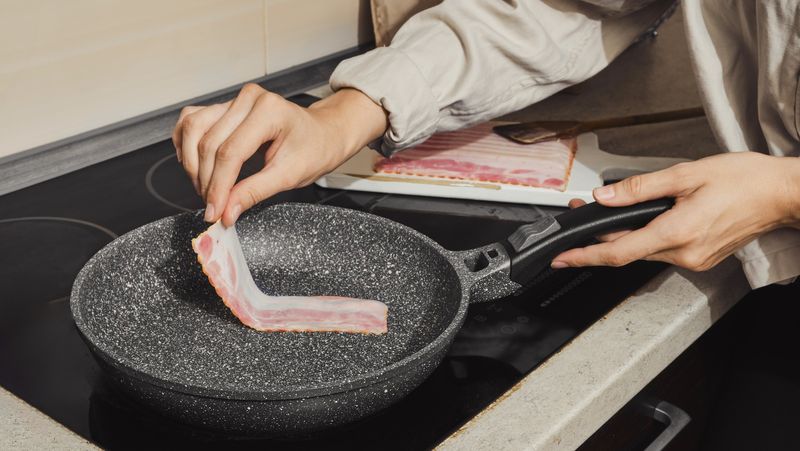
Most people think bacon needs a screaming hot pan to get crispy, but that's actually backwards. Cold bacon hitting a hot surface causes it to seize up, cooking unevenly and leaving you with burnt edges and undercooked centres.
Instead, lay your rashers in a cold pan and then turn on the heat. This gradual warming allows the fat to render slowly and evenly, resulting in perfectly crispy bacon without the burnt bits. The bacon essentially cooks in its own fat, which is exactly what you want for that restaurant-quality finish.
2. Overcrowding The Pan
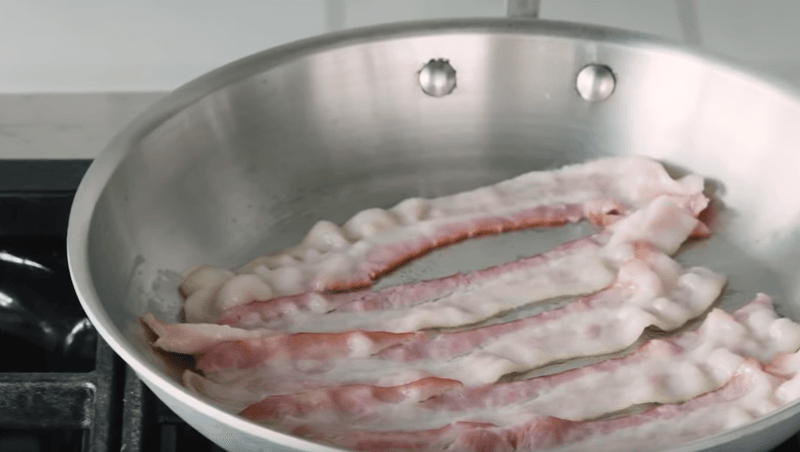
Ever tried to cram an entire pack of bacon into one pan because you're in a hurry? Big mistake. When rashers overlap, they steam rather than fry, leaving you with floppy, pale bacon that nobody wants on their plate.
Give each rasher its own space so the heat can circulate properly. If you're cooking for a crowd, work in batches or use two pans at once. Yes, it takes a bit longer, but the difference between sad, limp bacon and gloriously crispy strips is absolutely worth those extra few minutes.
3. Using High Heat From The Start
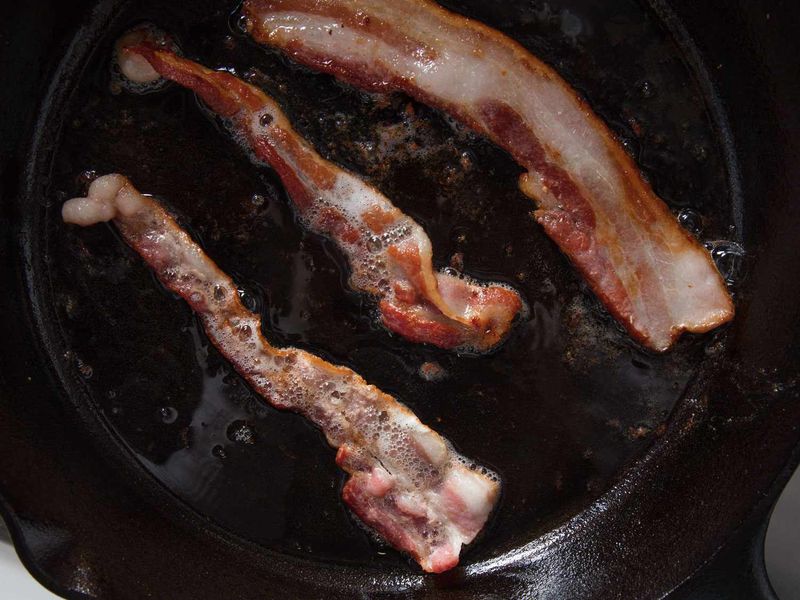
Cranking the hob to maximum might seem like a time-saver, but it's a recipe for disaster. High heat causes the outside to burn before the fat has a chance to render, leaving you with bacon that's simultaneously charred and chewy.
Medium to medium-low heat is your sweet spot. This slower approach lets the fat melt away gradually whilst the meat cooks through evenly. You'll end up with bacon that's crispy all over, not just at the edges, and you won't set off the smoke alarm either, which is always a bonus.
4. Not Draining Excess Grease
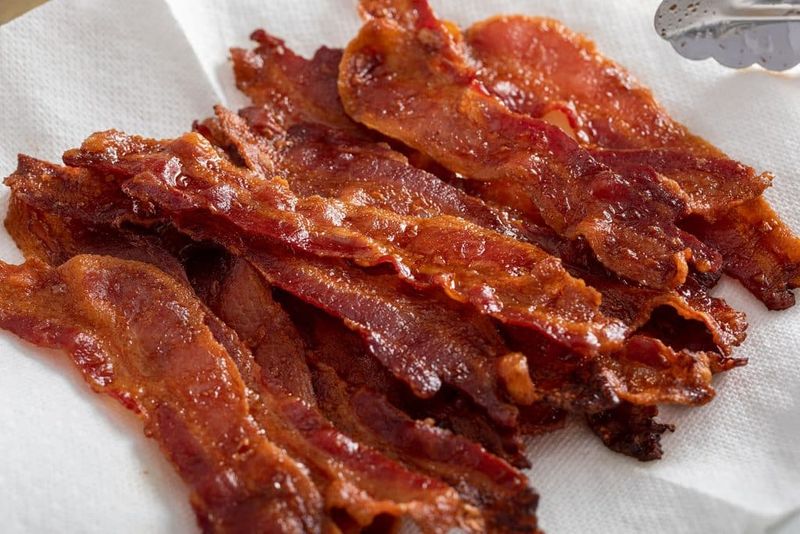
Leaving your cooked bacon sitting in its own grease pool might seem harmless, but it actually makes your bacon go soggy as it cools. All that rendered fat gets reabsorbed, undoing all your hard work towards achieving crispy perfection.
Transfer your cooked rashers to a plate lined with kitchen roll as soon as they're done. The paper absorbs excess grease whilst keeping the bacon crispy. Some people save that leftover bacon fat for cooking roast potatoes or frying eggs later, which is absolutely brilliant and very thrifty too.
5. Skipping The Oven Method
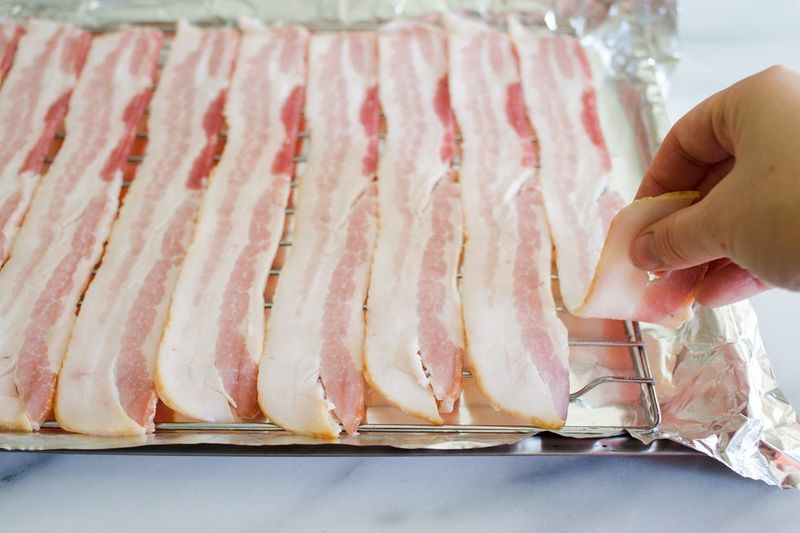
Plenty of people never consider baking bacon, assuming the frying pan is the only way. Truth is, the oven method is absolutely brilliant for cooking larger batches with minimal effort and almost no mess.
Line a baking tray with foil, arrange your rashers in a single layer, and pop them in a cold oven set to 200°C. They'll cook evenly in about 15 to 20 minutes with no flipping required. Perfect for a big breakfast when you've got a houseful of guests and can't be standing over the stove flipping rashers endlessly.
6. Forgetting To Let The Bacon Rest
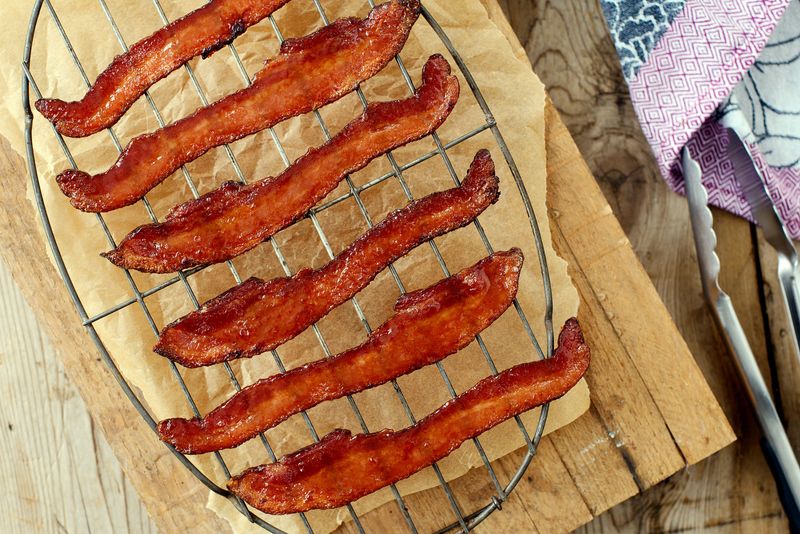
You might not think bacon needs resting like a steak does, but giving it a minute or two off the heat actually makes a real difference. Bacon straight from the pan is still cooking from residual heat and hasn't fully crisped up yet.
Let your rashers sit for a minute or two after cooking, and they'll firm up beautifully as they cool slightly. This brief pause also makes them easier to handle without breaking apart. Patience pays off with bacon that's crispy, sturdy, and absolutely perfect for your butty or full English.
7. Choosing The Wrong Cut
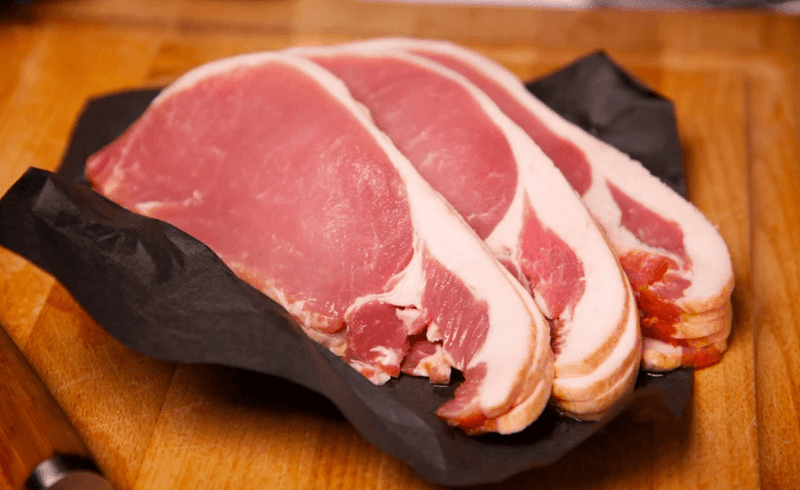
Not all bacon is created equal, and picking the wrong cut for your cooking method can lead to disappointing results. Back bacon and streaky bacon behave completely differently in the pan due to their varying fat-to-meat ratios.
Streaky bacon, with its ribbons of fat, crisps up beautifully but can shrink dramatically. Back bacon, leaner and meatier, stays more substantial but won't get quite as crunchy. Think about what you're making before you shop. A bacon sarnie might call for back bacon, whilst streaky works brilliantly crumbled over salads or baked into dishes.
8. Not Patting It Dry
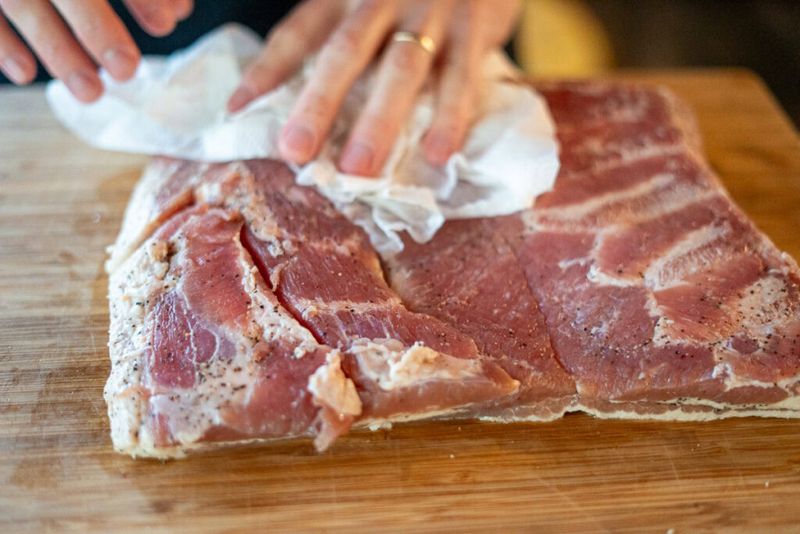
Bacon straight from the packet often has excess moisture clinging to it, especially if it's been vacuum-sealed. That extra liquid creates steam in the pan, which works against your goal of achieving crispy, golden rashers.
Before cooking, grab some kitchen roll and gently pat each rasher dry on both sides. This simple step removes surface moisture, allowing the bacon to brown properly rather than stew in its own juices. It only takes a few seconds but makes a noticeable difference to the final texture and colour of your bacon.



