













Most Britons keep a pint or two of milk in their fridge at all times – whether it’s for a proper cuppa, morning cereal, or baking experiments. Yet, how you store it could be secretly sabotaging its shelf life.
It turns out that where your milk lives in the fridge makes a big difference to freshness, taste, and that dreaded sour smell. By paying attention to temperature, placement, and sealing, you can make every pour a perfect one and save yourself from unexpected curdled disasters.
All information is provided for general interest only. Storage times and freshness may vary by brand and fridge type. Photos are for illustrative purposes only.
1. Why The Fridge Door Accelerates Milk Spoilage
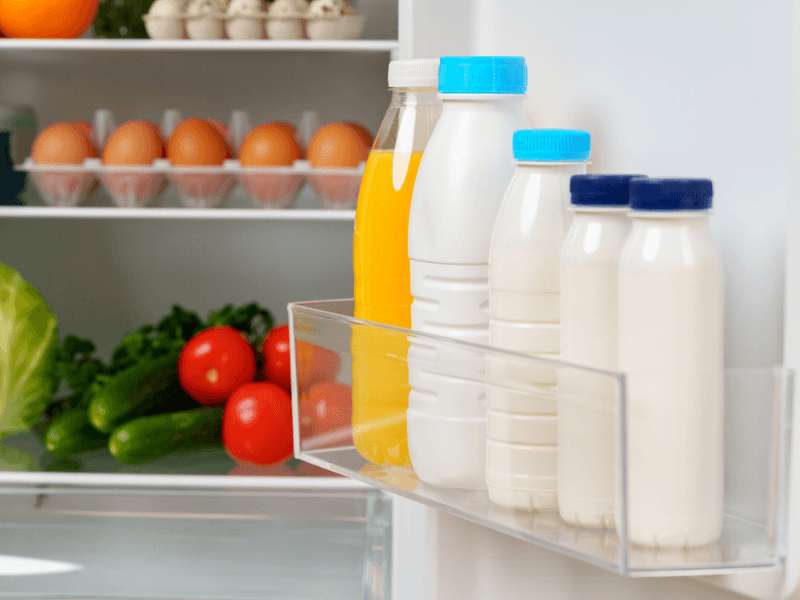
The fridge door might be convenient for grabbing milk quickly, but it’s the warmest part of the fridge and experiences constant temperature fluctuations. Each time the door swings open, the milk gets a brief heat shock, which encourages bacteria to multiply faster.
Even though it seems logical to store frequently used items in the door, that easy access comes at the cost of freshness – a quick shortcut to sour milk that no one wants to deal with mid-cereal.
2. Why Milk Develops That Sour Taste
Milk turns sour because bacteria, like lactobacillus and streptococcus thermophilus, feed on the natural sugar (lactose) in milk. As they metabolise it, they produce lactic acid, which lowers the milk’s pH.
This increased acidity causes milk proteins to clump together, creating that curdled texture and tangy, sour flavour we all recognise – a natural process that happens faster when milk isn’t stored in the coldest part of the fridge.
3. How Temperature And Placement Affect Milk Freshness
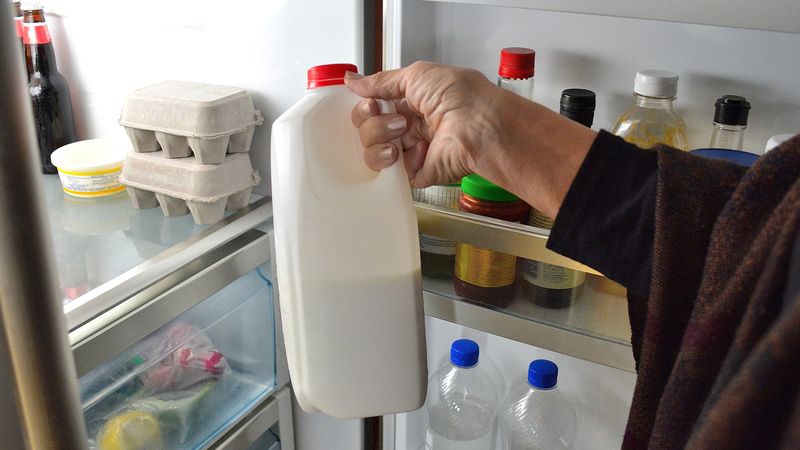
Experts recommend placing milk on the lower shelves, ideally at the back of the fridge. This area tends to be the coldest and most stable part, keeping the milk chilled evenly.
A steady cold temperature slows bacterial activity, preventing the lactic acid buildup that causes milk to curdle. Keeping milk here also protects it from odours, accidental spills, and other contaminants that could shorten its life – simple tweaks that make every carton last longer.



