













The Mediterranean diet isn't just delicious – it's packed with vegetables that can transform your health. For centuries, people living around the Mediterranean Sea have enjoyed longer lives and fewer health problems than many other populations worldwide.
Their secret? A colourful array of nutrient-rich vegetables that form the foundation of their daily meals. Ready to discover how these incredible veggies can boost your wellbeing?
1. Tomatoes
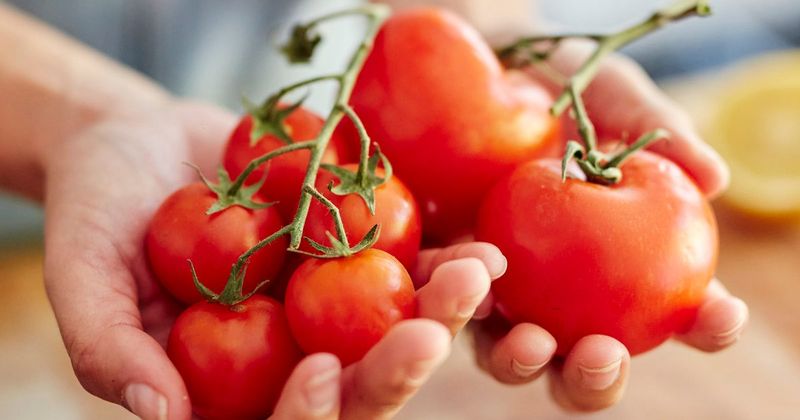
Bursting with lycopene, tomatoes act like little guardians for your heart. This powerful antioxidant helps reduce inflammation and lowers cholesterol, keeping your ticker in top form.
What makes Mediterranean tomatoes special is their sun-ripened sweetness. They develop more nutrients when allowed to ripen naturally under the warm Mediterranean sun rather than being harvested early.
Try adding them to salads, roasting them with a drizzle of olive oil, or cooking them down into a rich sauce. Your heart will thank you, and your taste buds will too!
2. Aubergines
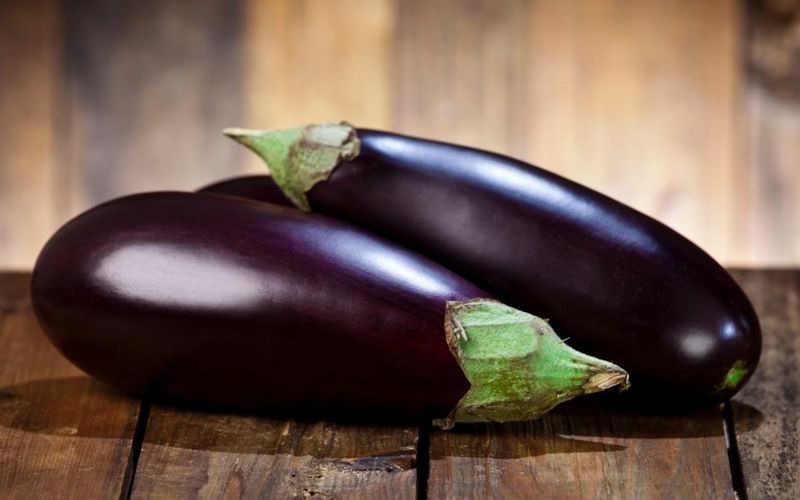
Ever noticed how aubergines soak up flavours like a sponge? They're equally brilliant at soaking up nasty free radicals in your body. The deep purple skin contains anthocyanins that protect brain cells from damage and may improve memory.
Popular across Greece, Turkey and Lebanon, these versatile veggies are low in calories but high in fibre. They keep you feeling full while supporting healthy digestion.
Grill them, stuff them, or whip up a batch of baba ganoush for a tasty brain boost. Just remember – their bitter compounds disappear when cooked properly!
3. Bell Peppers
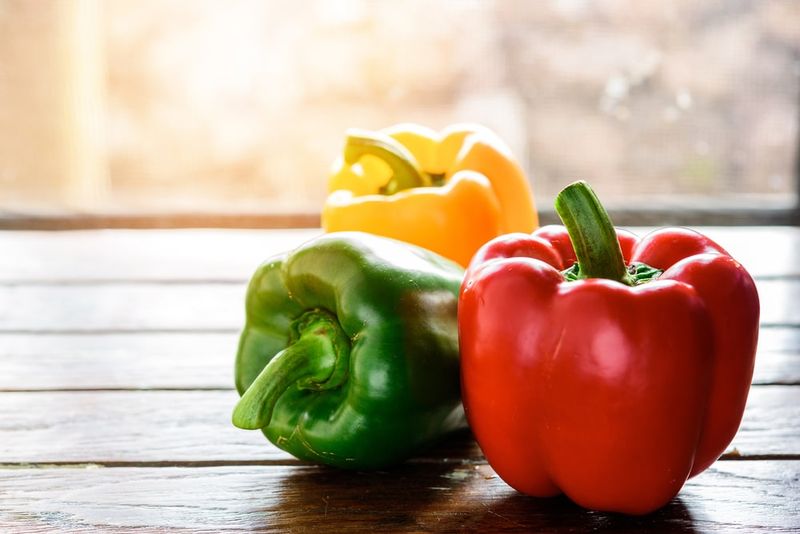
Sweet, crunchy and utterly vibrant, bell peppers are vitamin C champions. A single red pepper contains more vitamin C than an orange! This nutrient is crucial for collagen production – the protein that keeps your skin looking youthful and plump.
The Mediterranean climate produces peppers with incredible sweetness and a satisfying crunch. Yellow, orange, red or green – each colour offers slightly different nutrients, so mix them up for maximum benefits.
Fantastic raw in salads or roasted until their sugars caramelise, these versatile veggies fight inflammation while brightening up your plate and your health outlook.
4. Artichokes
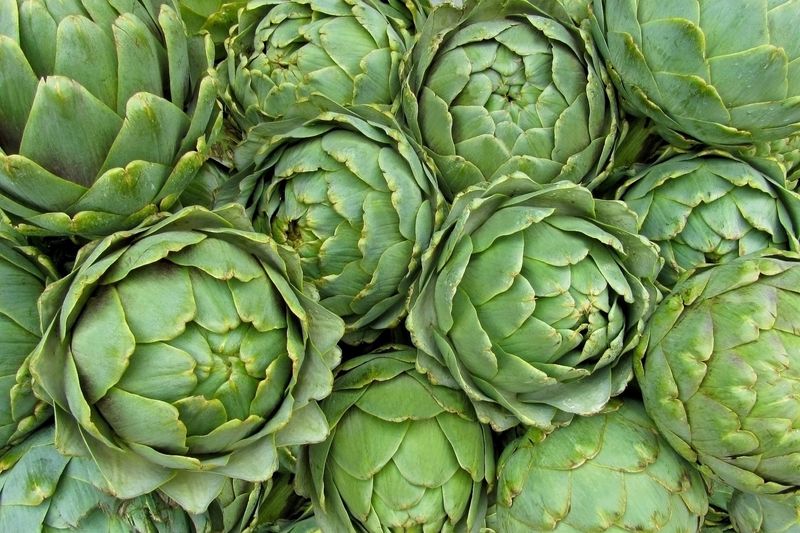
Romans and Greeks have treasured artichokes for centuries – and with good reason! These spiky wonders contain cynarin, a compound that boosts bile production and helps your liver detoxify your body more efficiently.
Growing wild along Mediterranean coastlines, artichokes have become a staple in Italian and Spanish cooking. Their high fibre content supports gut health while their antioxidants fight cellular damage.
Steam them whole and peel off the leaves one by one, dipping into olive oil for a traditional treat. Your liver will get a gentle cleanse, and you'll enjoy one of the Mediterranean's most distinctive flavours!
5. Leafy Greens
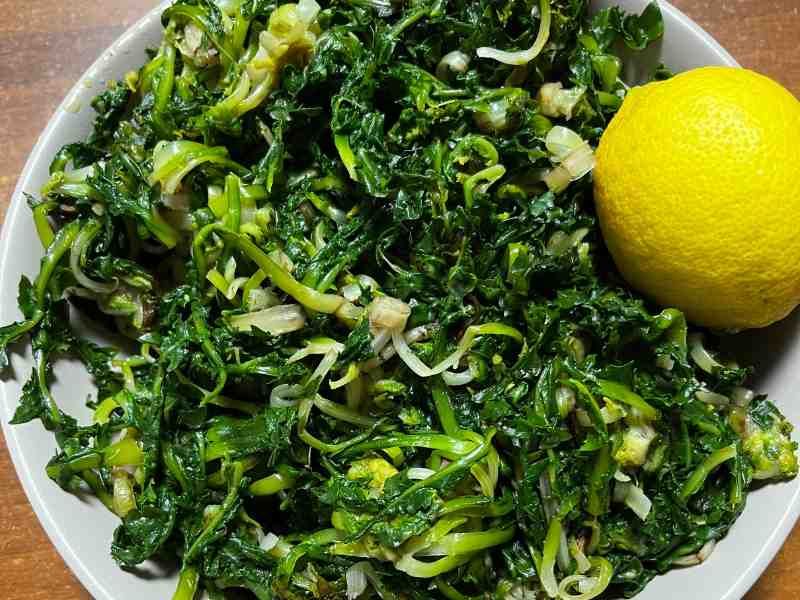
Wild greens or 'horta' as they're known in Greece aren't just side dishes – they're medicinal powerhouses! Varieties like dandelion greens, chicory, and wild spinach grow abundantly across Mediterranean hillsides and contain more calcium than dairy products.
Mediterranean grandmothers have long known that these bitter greens strengthen bones and teeth. Modern science confirms they're packed with vitamin K, which helps your body absorb calcium properly.
Simply boil them briefly and dress with lemon juice and olive oil. The slight bitterness is actually a sign of their powerful health-promoting compounds – embrace it for stronger bones!
6. Courgettes
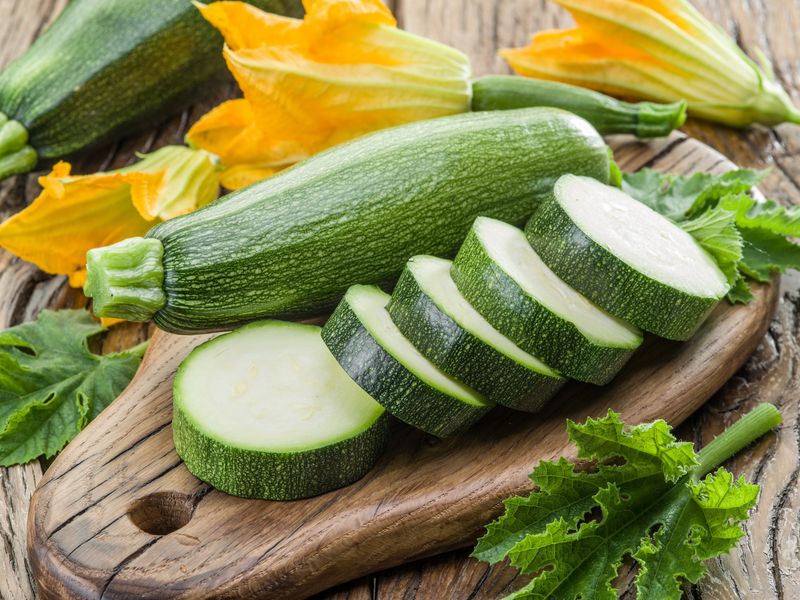
Summer gardens across Italy, Greece and Spain overflow with courgettes for good reason. These mild-mannered veggies contain special compounds that help your body respond better to insulin, keeping blood sugar levels steady throughout the day.
Unlike many starchy vegetables, courgettes are incredibly low in carbohydrates while being rich in potassium and vitamin B6. This makes them perfect for maintaining healthy blood pressure and energy levels.
Try them sliced thinly into ribbons as a pasta alternative, or stuff the flowers with soft cheese for a traditional Mediterranean delicacy. Your pancreas will appreciate the break!
7. Olives
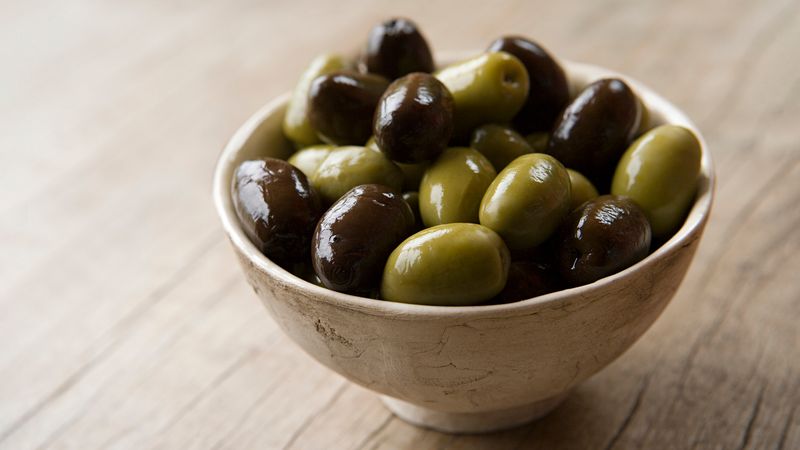
Technically a fruit but used as a vegetable, olives are the backbone of Mediterranean cuisine. These little flavour bombs contain oleocanthal, a natural compound with similar anti-inflammatory effects to ibuprofen, but without the side effects!
From the groves of Spain to the hillsides of Greece, different regions produce olives with distinctive flavours. Green or black, they all contain healthy monounsaturated fats that help reduce bad cholesterol while raising good cholesterol.
Snack on them whole, toss them into salads, or blend them into tapenade. Your joints and arteries will feel the difference with regular consumption!
8. Fennel
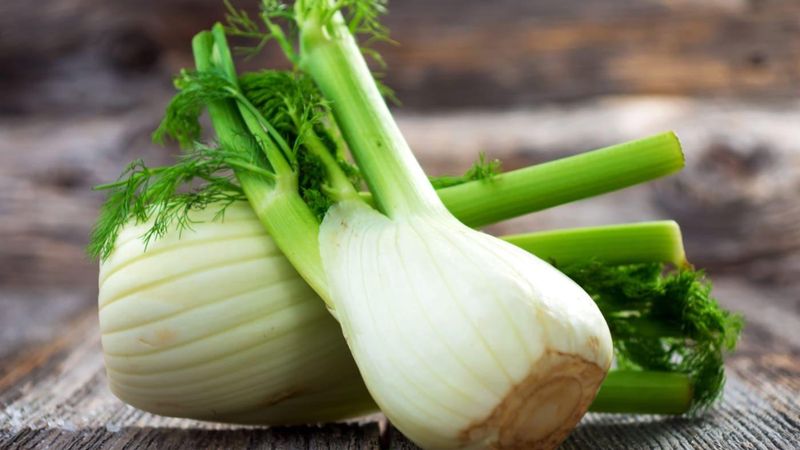
Crisp, aromatic fennel has been soothing upset tummies around the Mediterranean for centuries. Its natural compounds relax the digestive tract, reducing bloating and cramping while improving nutrient absorption.
Ancient Romans believed fennel gave strength and longevity. Modern science shows they weren't far off – fennel contains anethole, which reduces inflammation and supports healthy hormone balance, particularly in women.
Enjoy it raw in salads for a refreshing aniseed crunch, or roast it to bring out its natural sweetness. Either way, your digestive system will run more smoothly, and uncomfortable after-meal bloating may become a thing of the past!
9. Garlic
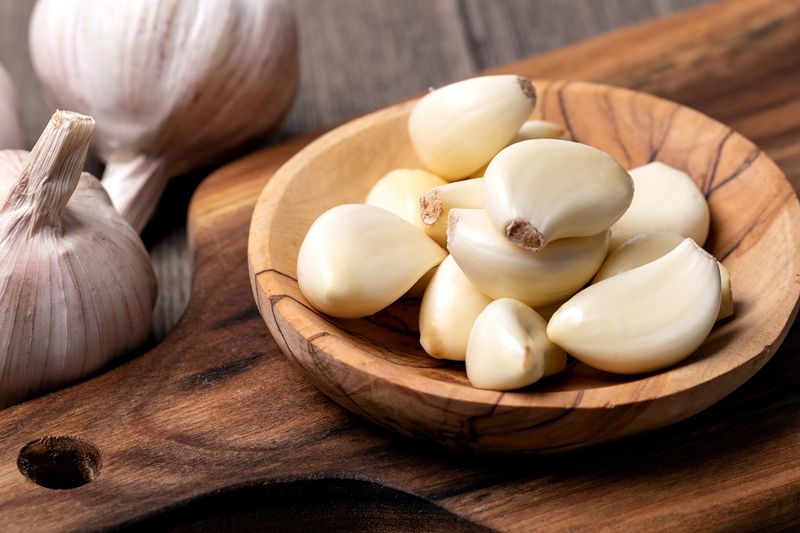
The humble garlic bulb might make your breath pongy, but it'll send cold viruses packing! Packed with allicin, garlic has natural antibacterial and antiviral properties that kick your immune system into high gear.
Mediterranean cooks rarely start a meal without it, and for good reason. Studies show that regular garlic consumption can reduce your chances of catching colds by up to 63%. It also helps lower blood pressure and improves cholesterol profiles.
For maximum benefits, crush or chop garlic and let it sit for 10 minutes before cooking. This allows the beneficial compounds to develop fully before heat can break them down.
10. Beetroot
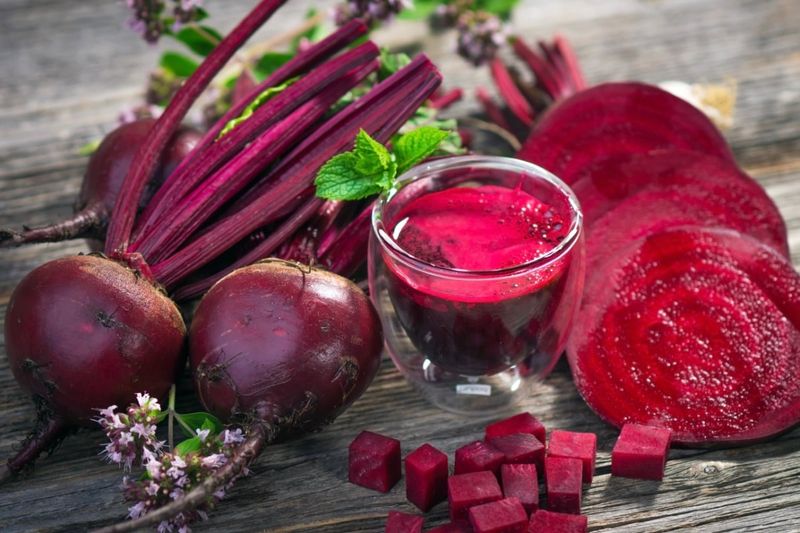
Ruby-red beetroot might stain your fingers, but it'll supercharge your stamina! The nitrates in beetroot convert to nitric oxide in your body, expanding blood vessels and increasing oxygen flow to muscles – perfect for anyone wanting to boost their physical performance.
Mediterranean countries like Turkey and Egypt have long valued beetroot for its earthy sweetness and vibrant colour. Modern athletes now drink beetroot juice before competitions to improve endurance and recovery times.
Grate it raw into salads, roast it to bring out its natural sugars, or pickle it for a tangy treat. Your muscles will thank you during your next workout!
11. Chickpeas
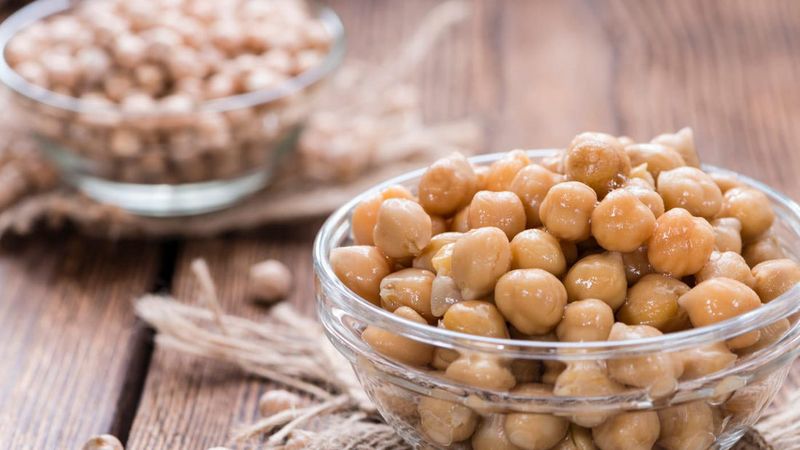
Strictly speaking, chickpeas are legumes rather than vegetables, but they're so central to Mediterranean cooking they deserve a mention! These nutty little powerhouses are packed with plant protein and soluble fibre that helps lower cholesterol and stabilise blood sugar.
From Spanish stews to Lebanese hummus, chickpeas form the backbone of countless Mediterranean dishes. Their high iron content makes them particularly valuable for women and anyone following a plant-based diet.
Roast them with spices for a crunchy snack, or simmer them in soups for a hearty meal. Either way, they'll keep hunger at bay while nourishing your body!




Comments
No Comments