











Many adults in the UK do not reach the NHS-recommended six to eight glasses of water a day, leaving hydration levels lower than ideal. Adequate fluid intake is important for digestion, energy, and overall wellbeing, yet drinking enough water can feel challenging for some.
Incorporating water-rich foods into meals is a simple way to boost hydration. Fruits and vegetables such as watermelon, cucumber, and oranges provide natural fluids while also supplying vitamins and minerals.
Including these 11 foods on a regular basis can support hydration in a tasty and convenient way.
All information is provided for general interest only. For personal hydration or health concerns, consult a qualified healthcare professional. Taste, appearance, and availability may vary.
1. Watermelon
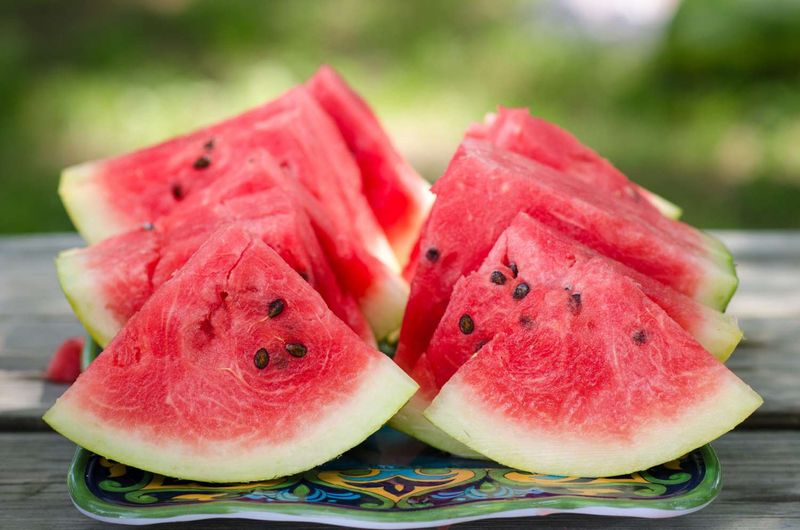
Biting into a cold wedge of watermelon on a warm day is practically a British summer ritual – and your body absolutely loves you for it. This juicy fruit is made up of roughly 92% water, making it one of the most hydrating things you can snack on.
It also delivers potassium and the antioxidant lycopene, which supports heart health.
Chuck a few cubes into a fruit salad or blend it into a chilled smoothie for an easy hydration boost.
2. Cucumber
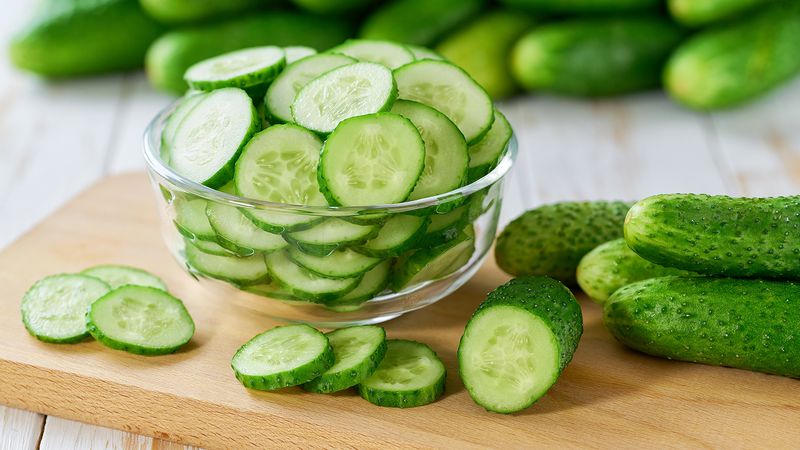
At around 96% water, cucumber is basically a drink you can crunch – and honestly, that's brilliant. It's one of the highest water-content vegetables around, making it a no-brainer addition to your lunchbox.
Beyond hydration, cucumbers offer a small but handy dose of vitamin K and magnesium.
Try adding thin slices to a jug of cold water with some mint for a refreshing twist, or pile them onto sandwiches for extra crunch and moisture.
3. Strawberries
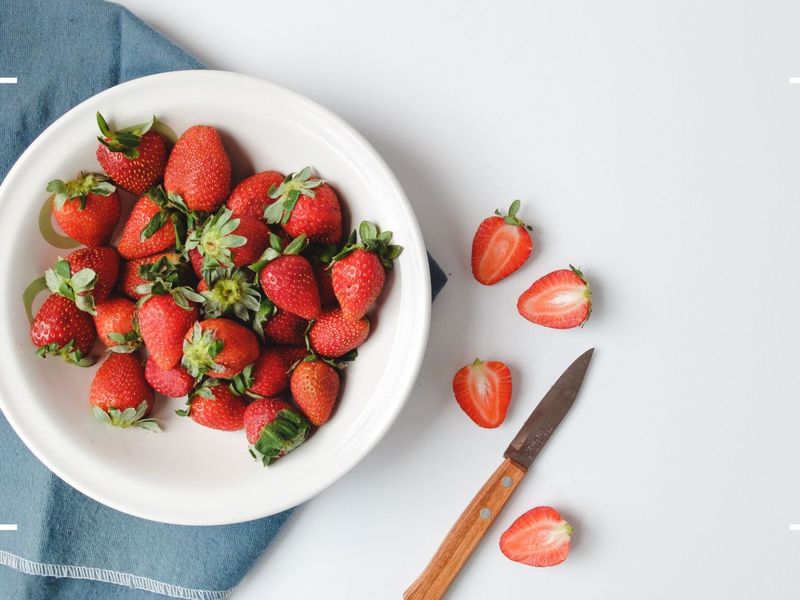
Strawberries are roughly 91% water, which means every sweet, slightly tart bite is quietly doing your hydration levels a favour. They're also rich in vitamin C, folate, and a range of antioxidants that help fight inflammation.
Grown widely across the UK, they're especially easy to get hold of in summer.
Toss them into porridge, layer them over yoghurt, or simply eat them straight from the punnet – no judgement whatsoever.
4. Oranges
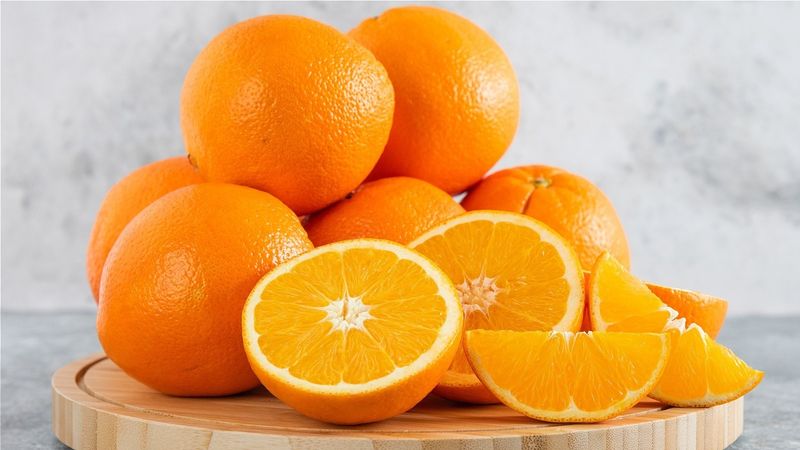
Oranges clock in at about 87% water and come wrapped in their own handy packaging – nature's most convenient snack, really. Beyond the water content, you're getting a solid hit of vitamin C, fibre, and natural sugars that give you a gentle energy lift.
They're a staple in most British households for good reason.
Peel one as an afternoon snack, squeeze fresh juice over a salad dressing, or segment them into a winter fruit bowl for a bright, zesty hit.
5. Pineapple
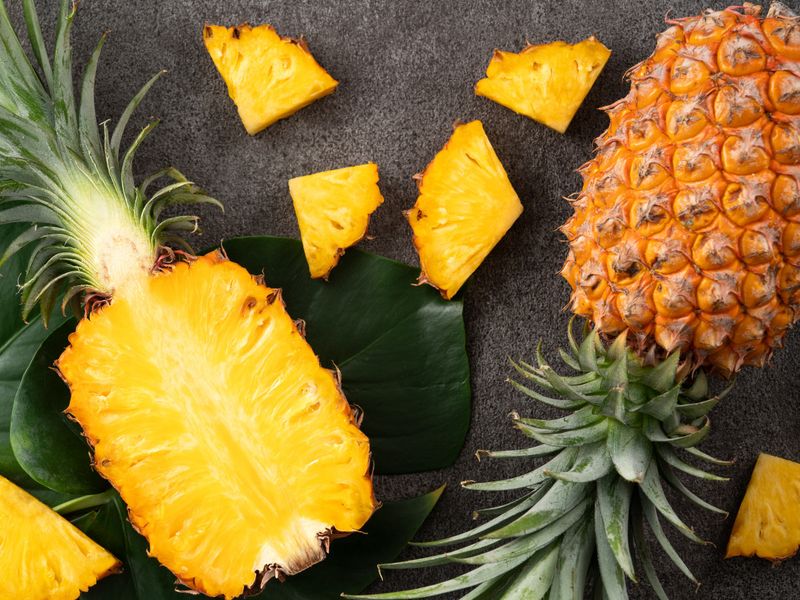
Pineapple sits at around 86% water and brings a proper tropical punch to your hydration efforts. It contains bromelain, an enzyme that supports digestion and may help reduce inflammation – a nice bonus on top of the fluid boost.
Fresh pineapple has a noticeably sharper, more complex flavour than the tinned variety.
Grill slices alongside chicken for a sweet-savoury dinner, or blitz frozen chunks into a smoothie when you fancy something a bit exotic on a grey Tuesday.
6. Lettuce
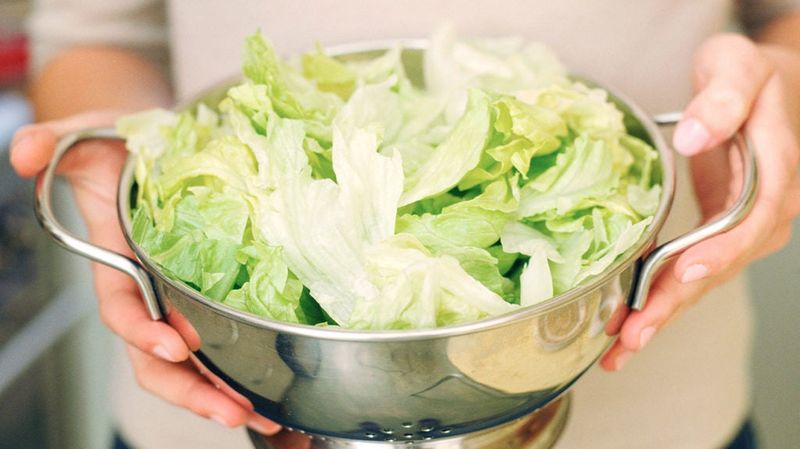
Lettuce might not be the most glamorous item on this list, but its water content – up to 96% in varieties like iceberg – is seriously impressive. It's one of the most hydrating foods per gram that you'll find in a typical supermarket.
Romaine varieties also offer vitamins A and C, plus a decent hit of folate.
Use big leaves as wraps instead of tortillas, or pile them generously into salads and sandwiches to quietly bump up your fluid intake throughout the day.
7. Celery
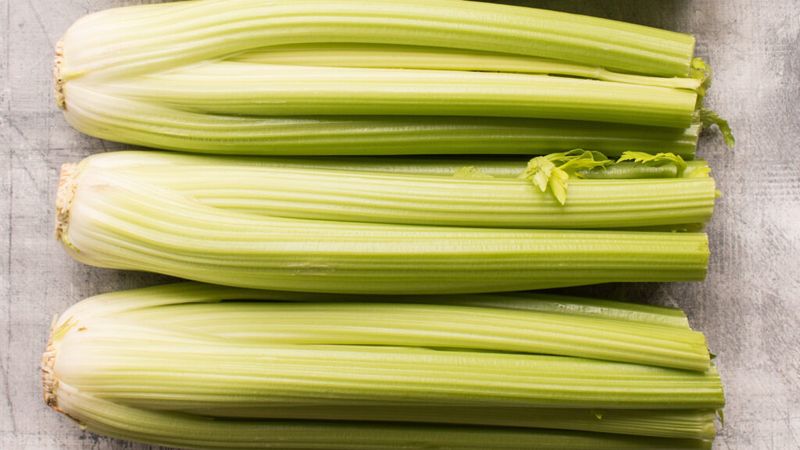
Celery has a bit of an unfair reputation as a sad diet food, but at 95% water it genuinely earns its place on this list. It also contains sodium, potassium, and magnesium – electrolytes that help your body hold onto fluids more effectively.
That satisfying crunch makes it weirdly good for stress-eating too.
Pair it with hummus or peanut butter for a quick snack, or chop it into soups and stews where it quietly adds flavour and moisture in equal measure.
8. Grapefruit
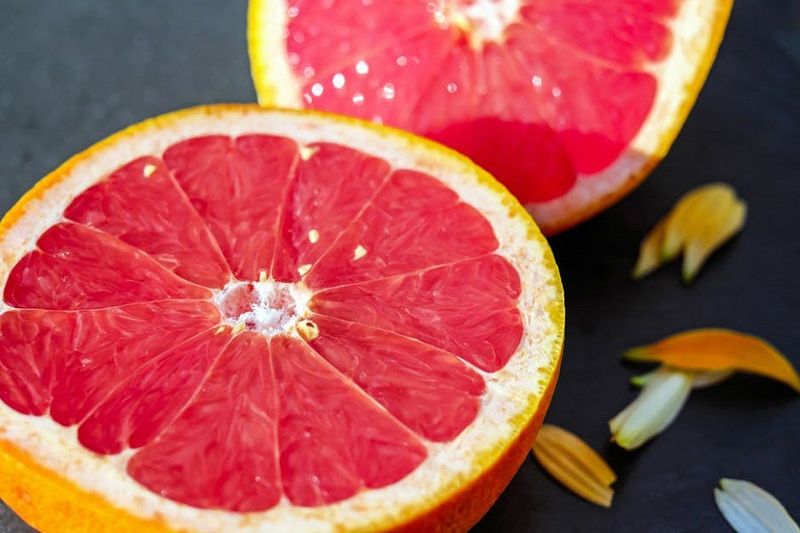
Sharp, slightly bitter, and brilliantly refreshing – grapefruit is about 88% water and pulls double duty as a hydration hero and a nutritional powerhouse. It's loaded with vitamin C and contains compounds that may support healthy blood sugar levels.
Pink and ruby varieties tend to be sweeter and are easier to enjoy without wincing.
Sprinkle half a grapefruit with a tiny bit of brown sugar and grill it briefly for a warm, caramelised breakfast that feels surprisingly fancy for a weekday morning.
9. Tomatoes
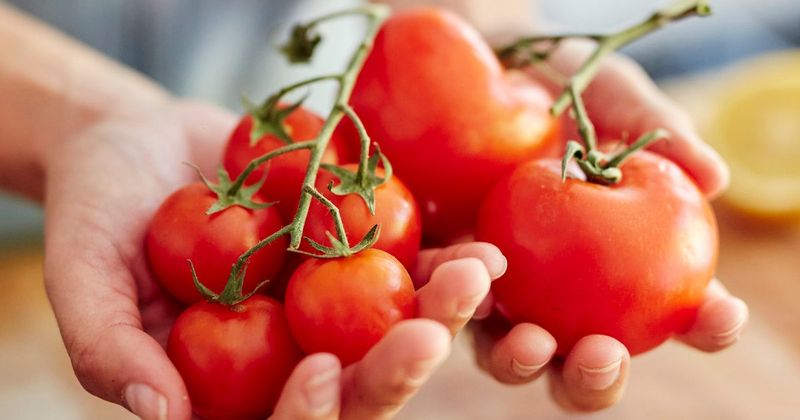
Tomatoes are 94% water and are quietly one of the most hydrating ingredients already sitting in your kitchen. They're also rich in lycopene, an antioxidant linked to reduced risk of cell damage and certain chronic conditions.
Cooking tomatoes actually increases lycopene availability, so your pasta sauce is doing more good than you might think.
Eat them raw in salads, roast them with olive oil and garlic, or blitz them into a vibrant homemade soup on a cold afternoon.
10. Zucchini
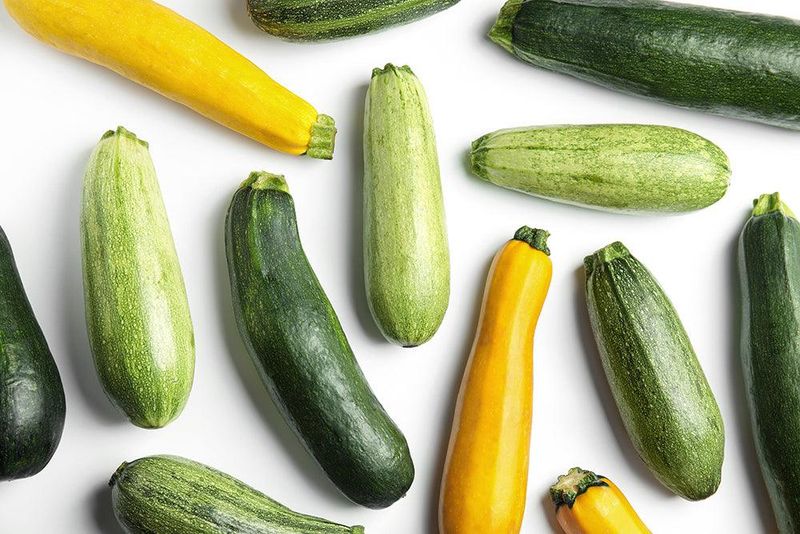
Known as courgette on this side of the Channel, zucchini is about 94% water and one of the most adaptable vegetables you can work with. It absorbs flavours brilliantly, which makes it useful in everything from pasta dishes to bakes.
It's also low in calories but provides a useful amount of potassium and vitamin B6.
Spiralise it into courgetti as a lighter pasta alternative, slice it onto a summer barbecue, or grate it into muffin batter for a sneaky hydration boost.
11. Bell Peppers
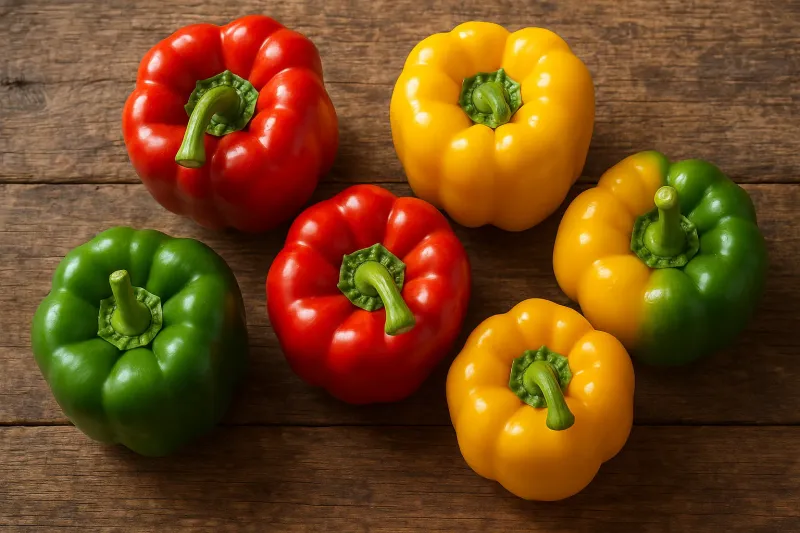
Crunchy, sweet, and satisfyingly bright, bell peppers contain around 92% water and are genuinely one of the most vitamin C-rich foods you can eat – red peppers in particular contain more vitamin C than an orange. That's a fun fact worth dropping at the dinner table.
They're also packed with antioxidants that support immune function.
Slice them raw into strips for dipping, roast them until soft and sweet, or stuff them with rice and herbs for a simple, filling midweek meal.