













Growing fruit and vegetables can be approachable even for beginners, without requiring extensive gardening experience. Many varieties are resilient and can thrive with minimal care, offering satisfying results for first-time gardeners.
Whether you have a small balcony or a larger outdoor space, selecting easy-to-grow plants can make cultivating your own produce achievable. These low-effort fruits and vegetables provide a practical way to enjoy fresh, homegrown ingredients while building confidence in basic gardening skills.
Incorporating them into your routine can encourage healthy eating and a more hands-on connection with your food.
All information is provided for general interest only. Growing conditions, yield, and appearance may vary depending on location and care.
1. Cherry Tomatoes
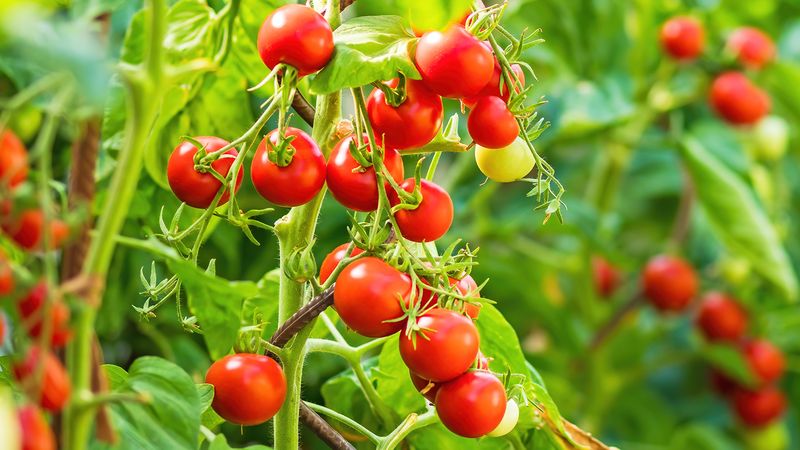
Forget wrestling with giant beefsteak varieties that sulk at the slightest temperature drop. Cherry tomatoes are the scrappy little siblings that just get on with it, pumping out sweet, bite-sized fruits all summer long.
They're happy in pots, hanging baskets, or tucked into a garden bed, and they'll keep producing even when you forget to water them for a day or two. Plus, snacking on sun-warmed tomatoes straight from the vine is one of gardening's purest joys.
2. Radishes
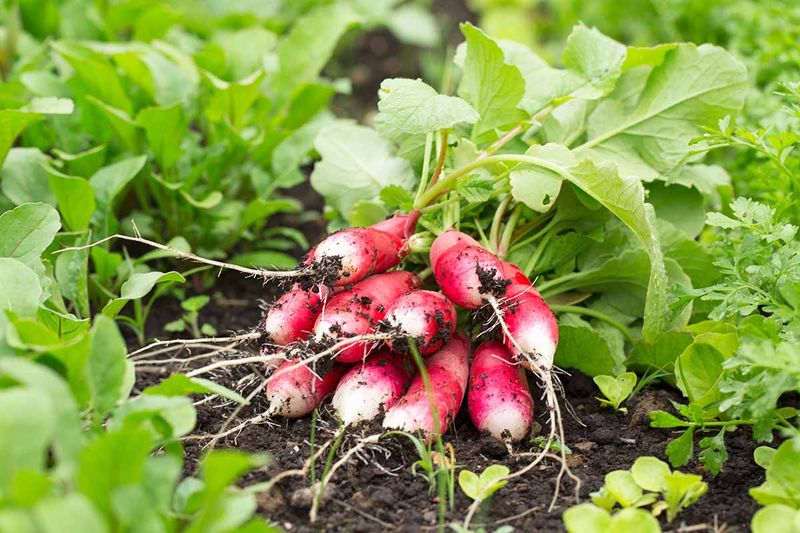
If patience isn't your strong suit, radishes are about to become your new best mates. Ready to pull in as little as three weeks, they're the instant gratification of the vegetable world.
Chuck some seeds in the ground, keep them watered, and before you know it, you'll be crunching into peppery, crisp roots. They thrive in cool weather, so spring and autumn are prime time, and they barely need any space at all.
3. Lettuce
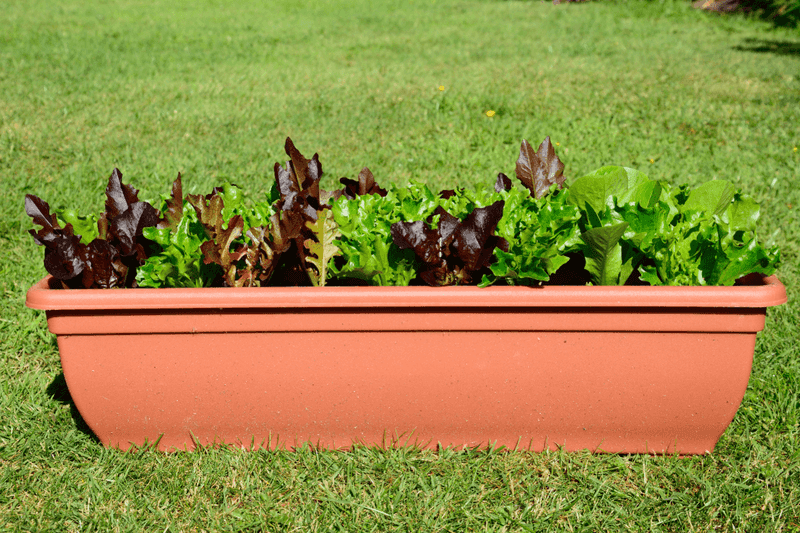
Lettuce grows so quickly you'll wonder why you ever bothered buying those sad, wilted bags from the supermarket. It's perfect for small spaces, thriving in containers or tucked between other plants, and it loves cooler weather.
Snip off outer leaves as you need them, and the plant keeps producing for weeks. Spring and autumn are ideal, but even a shady spot will do the trick when summer gets too toasty.
4. Spinach
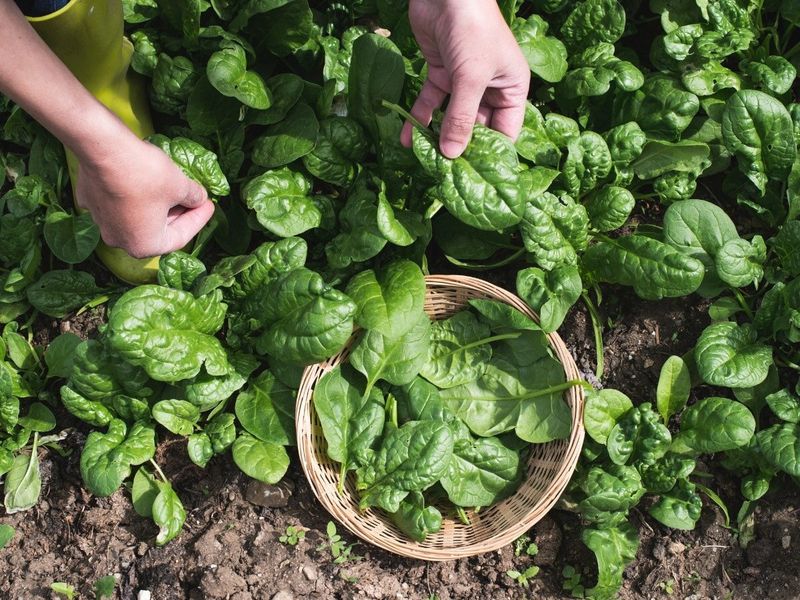
Spinach is the ultimate low-drama leafy green, sprouting up in cooler weather without a fuss. Plant it in early spring or autumn, and you'll be harvesting tender leaves in about 40 days.
It doesn't mind a bit of shade either, making it brilliant for those awkward spots where nothing else seems to thrive. Toss the fresh leaves into salads, wilt them into pasta, or blend them into smoothies for a nutritional boost that tastes worlds better than anything from a bag.
5. Green Beans
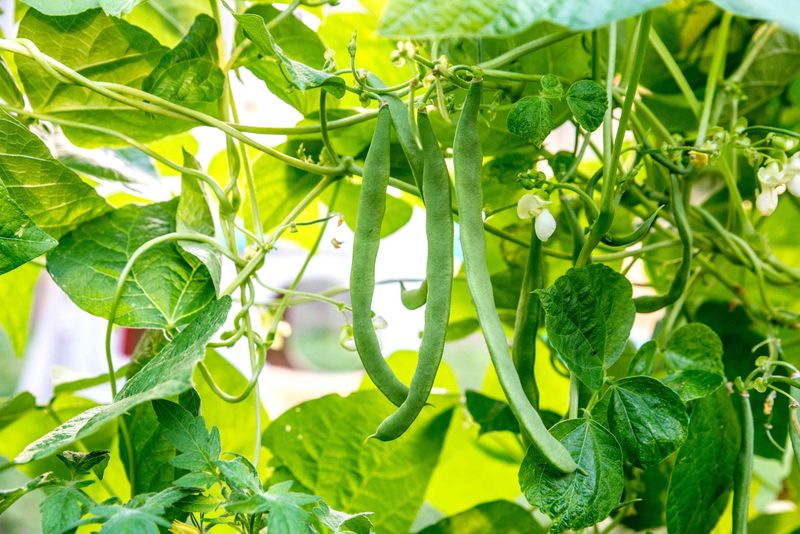
Bush varieties of green beans are ridiculously generous, producing loads of crisp, crunchy pods without demanding a fancy trellis or loads of space. Varieties like Blue Lake or Contender are particularly forgiving, maturing in about two months.
They're brilliant for beginners because they practically grow themselves once established. Just keep them watered during dry spells, and you'll be snapping off fresh beans faster than you can steam them for dinner.
6. Zucchini
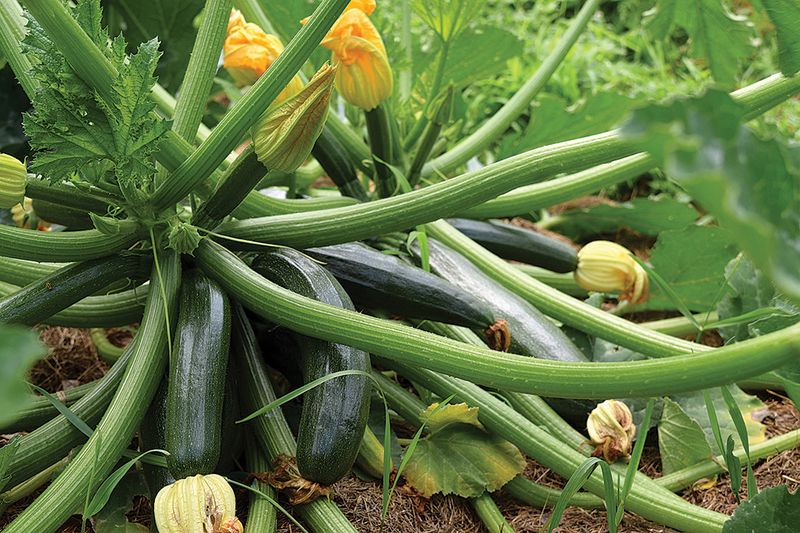
Zucchini plants are legendary for their productivity, often leaving gardeners scrambling to find new recipes for the avalanche of produce. One or two plants will keep most families well-stocked all summer.
They grow fast, love warm weather, and aren't particularly fussy about soil. Just give them plenty of sun and regular watering, and they'll reward you with firm, glossy courgettes that are brilliant grilled, roasted, or spiralized into guilt-free pasta alternatives.
7. Carrots
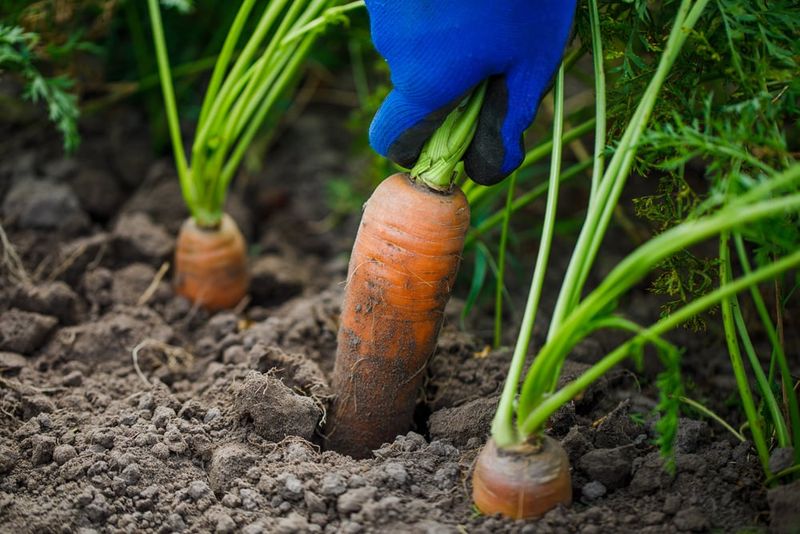
Carrots have a reputation for being tricky, but the secret is simple: loose, well-drained soil. Get that right, and they'll grow happily with minimal interference.
They're perfect for anyone curious about root vegetables but worried about complexity. Sow seeds directly into the ground, thin them out as they sprout, and wait patiently for those sweet, crunchy roots to develop.
Freshly pulled carrots taste incomparably better than shop-bought ones, with a natural sweetness that'll make you wonder why you waited so long.
8. Strawberries
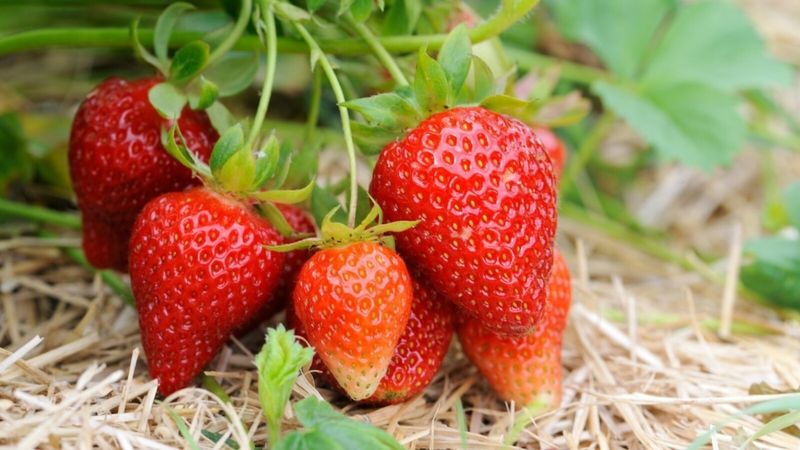
Strawberries bring a touch of summery magic to any garden, producing plump, juicy berries that taste like sunshine. They're surprisingly low-maintenance, thriving in pots, hanging baskets, or dedicated beds.
Once established, they'll keep producing year after year, sending out runners to create new plants. The only real challenge is beating the birds to the ripe fruit, but a bit of netting sorts that out.
Freshly picked strawberries, still warm from the sun, are worth every bit of effort.
9. Cucumbers
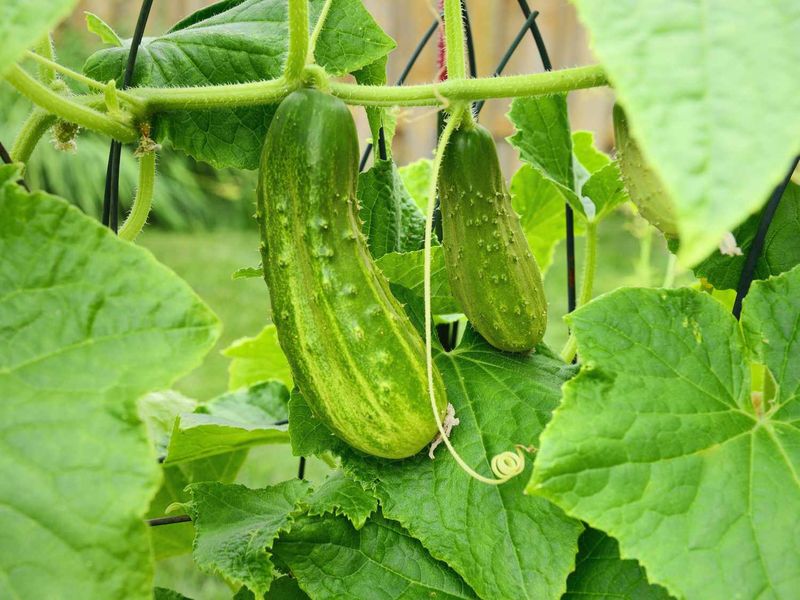
Cucumbers grow at a blistering pace once warm weather arrives, producing abundant fruit with hardly any fuss. They're brilliant for beginners because they're so visibly productive, giving you a real confidence boost.
Bush varieties work well in smaller spaces, while vining types can be trained up trellises to save ground space. Keep them watered during hot spells, and you'll be slicing crisp, refreshing cucumbers into salads all summer long.
10. Bell Peppers
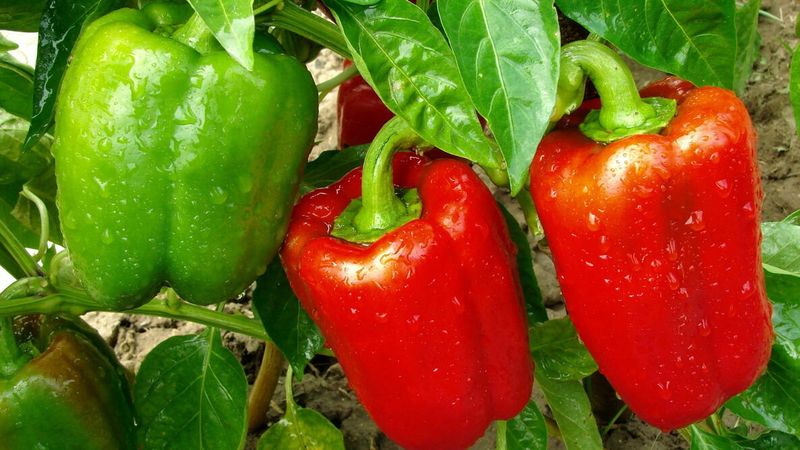
Bell peppers take a bit longer than some crops, but they're wonderfully hands-off once they get going. They adore warm, sunny spots and reward patient gardeners with glossy, sweet peppers in rainbow hues.
Start them indoors or buy young plants to get a head start, then watch as they slowly ripen from green to their final vibrant color. They're brilliant in stir-fries, roasted, or stuffed, and homegrown ones have a depth of flavor that supermarket versions simply can't match.
11. Herbs
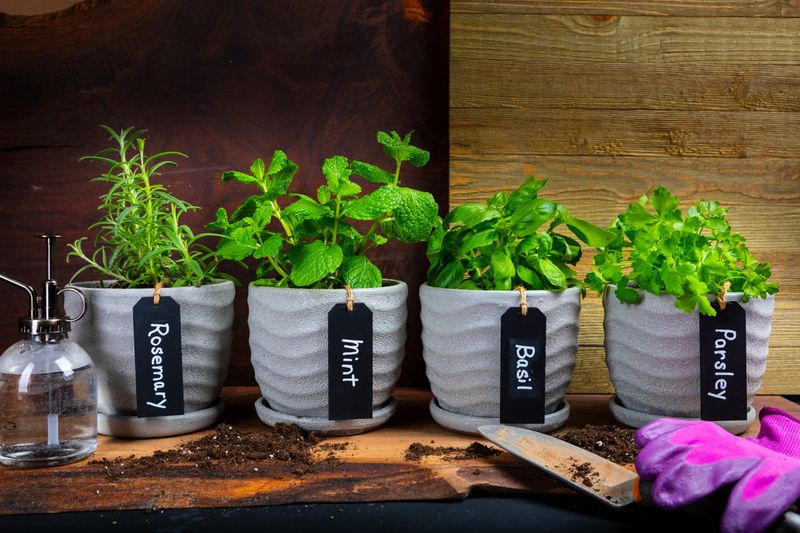
Herbs are the gateway drug to gardening, thriving in pots on windowsills, balconies, or tucked into garden beds. Basil loves warmth and sun, parsley is happy almost anywhere, and mint grows so enthusiastically you'll want to contain it.
Snip off what you need for cooking, and the plants keep producing fresh, fragrant leaves all season. Nothing elevates a meal quite like a handful of freshly picked herbs, and growing them yourself means you'll never run out mid-recipe again.
12. Garlic
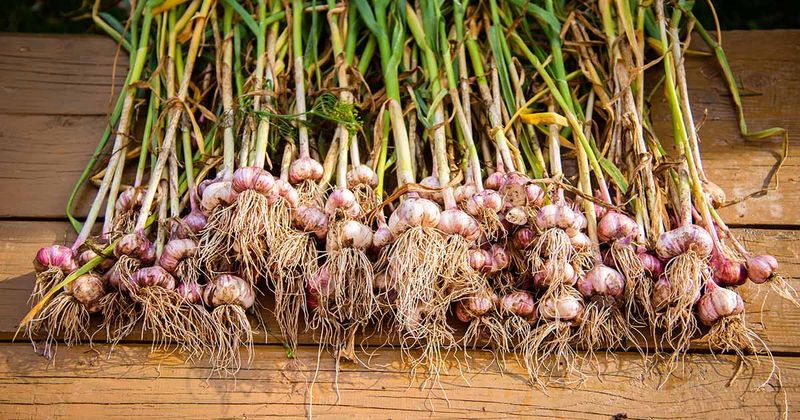
Garlic is brilliantly hands-off, requiring little more than patience and a sunny spot. Plant individual cloves in autumn, and they'll quietly grow through winter, ready to harvest the following summer.
It's one of those crops that practically looks after itself, needing minimal watering or attention. When you finally dig up those plump, aromatic bulbs, you'll feel like a proper gardening wizard.
Homegrown garlic has a punchy, complex flavor that makes shop-bought bulbs taste bland by comparison.
13. Swiss Chard
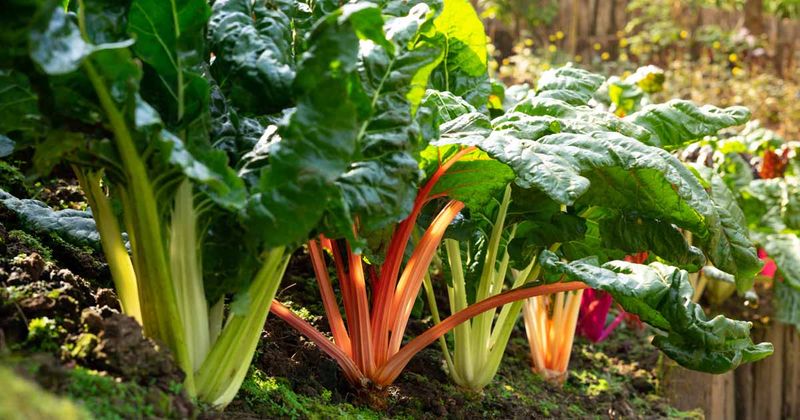
Swiss chard is a showstopper in the garden, with its vibrant stems in rainbow shades and glossy, dark green leaves. It grows quickly, tolerates heat better than spinach, and keeps producing even when you harvest leaves regularly.
It's brilliant for anyone wanting a leafy green that doesn't sulk in warmer weather. The stems and leaves are both edible, adding color and nutrition to stir-fries, soups, or sautés.
Plus, it's pretty enough to tuck into flower beds if space is tight.



