













Ever noticed how your food budget seems to vanish faster than the last biscuit in the tin? You're not alone. The average British household bins nearly £500 worth of perfectly good food every year.
Reducing food waste is one of the simplest ways to cut household costs. Small changes to shopping, storage, and cooking habits can add up to noticeable savings over time.
The tips shared are for general guidance only. Savings and results can vary depending on shopping choices, household needs, and food prices.
1. Embrace Meal Planning
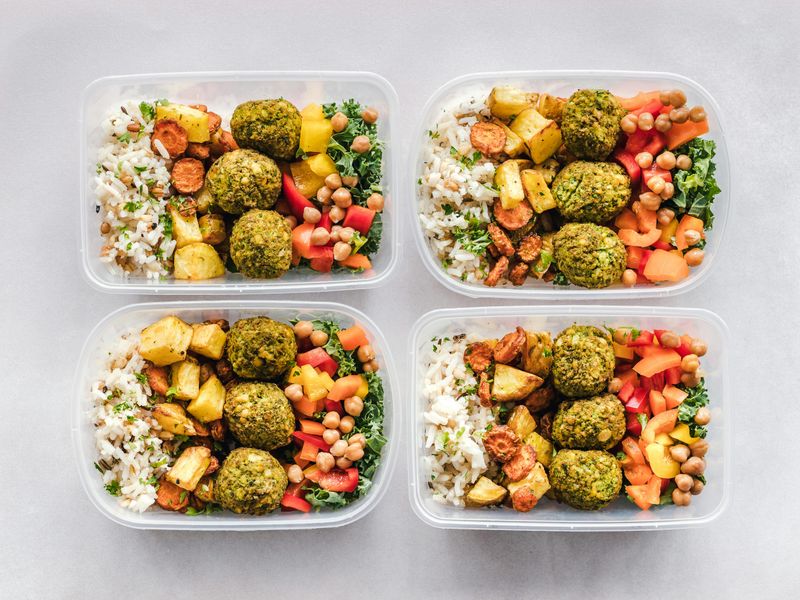
Setting aside time to plan meals for the week helps prevent unnecessary purchases. A clear plan makes it easier to shop with a list and stick to it.
Buying only what is needed reduces waste and helps avoid last-minute trips to the shop. This habit can also make cooking less stressful.
2. Revive Wilting Veg Like Magic
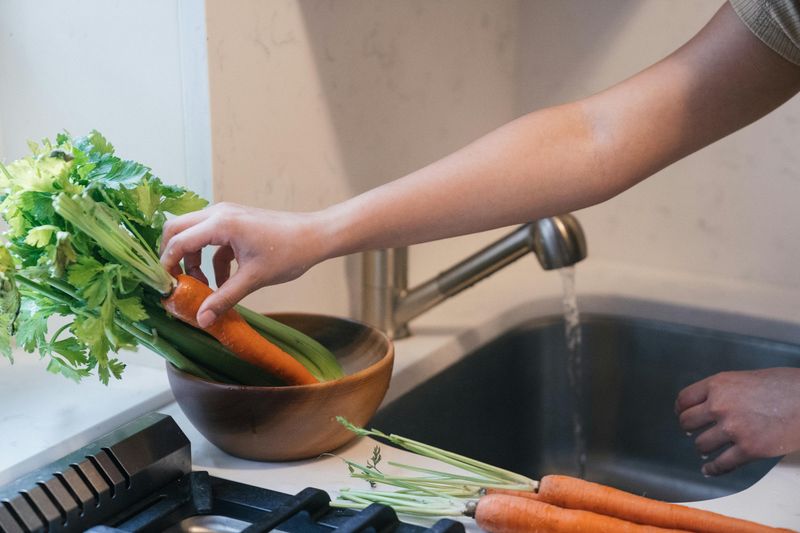
Vegetables that have lost their firmness can often be revived. Carrots or celery, for example, regain crispness when placed in ice water for about half an hour.
Leafy greens that are past their best can be made into pesto, while overripe tomatoes roast well for use in sauces and soups.
3. Turn Scraps Into Liquid Gold
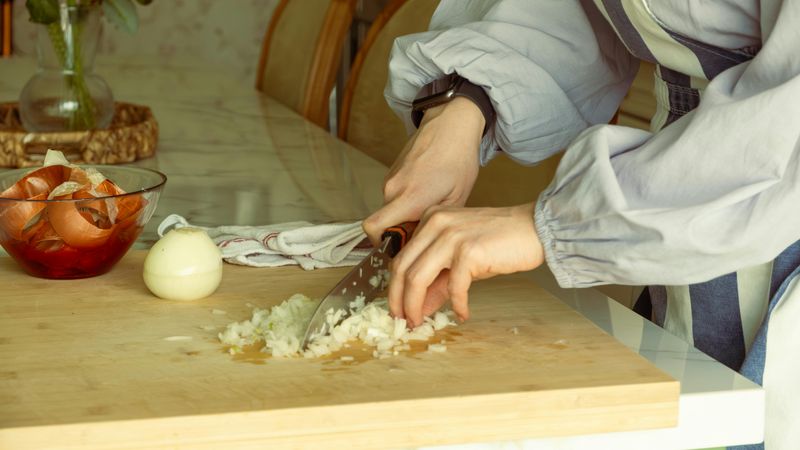
Collecting vegetable trimmings such as onion ends, carrot tops, and herb stems in the freezer creates the base for homemade stock.
When enough has been collected, simmer with water and herbs to create a flavourful base for soups, sauces, and risottos.
4. Befriend Your Breadbin Properly
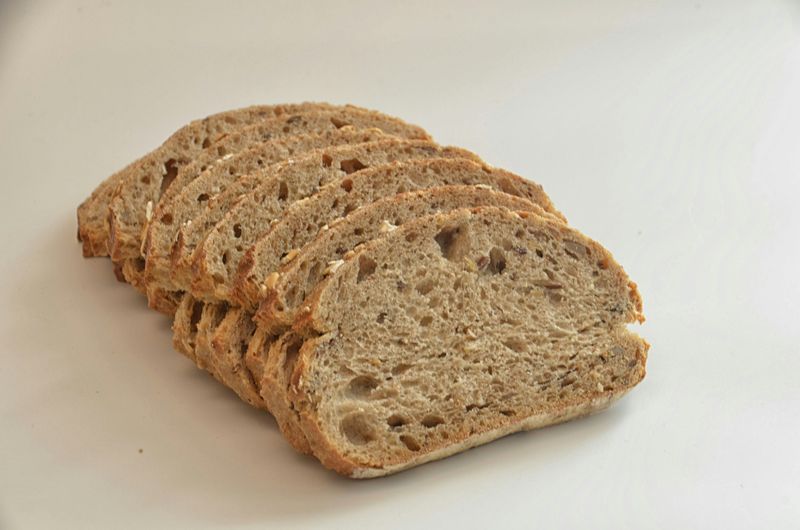
Bread that is starting to go stale can be turned into breadcrumbs and stored in the freezer. These can be used for coatings, stuffings, and toppings.
Slices that are slightly dry can become French toast or be cubed into croutons. Even very old bread can be used in recipes such as bread sauce.
5. Perfect The Portion Control Art

Using a kitchen scale helps measure ingredients accurately. Cooking only what is needed prevents waste and makes more expensive ingredients go further.
Dry rice and pasta expand a lot during cooking, so smaller amounts go further than expected. This can save both food and money over time.
6. Batch Cook Like A Champion
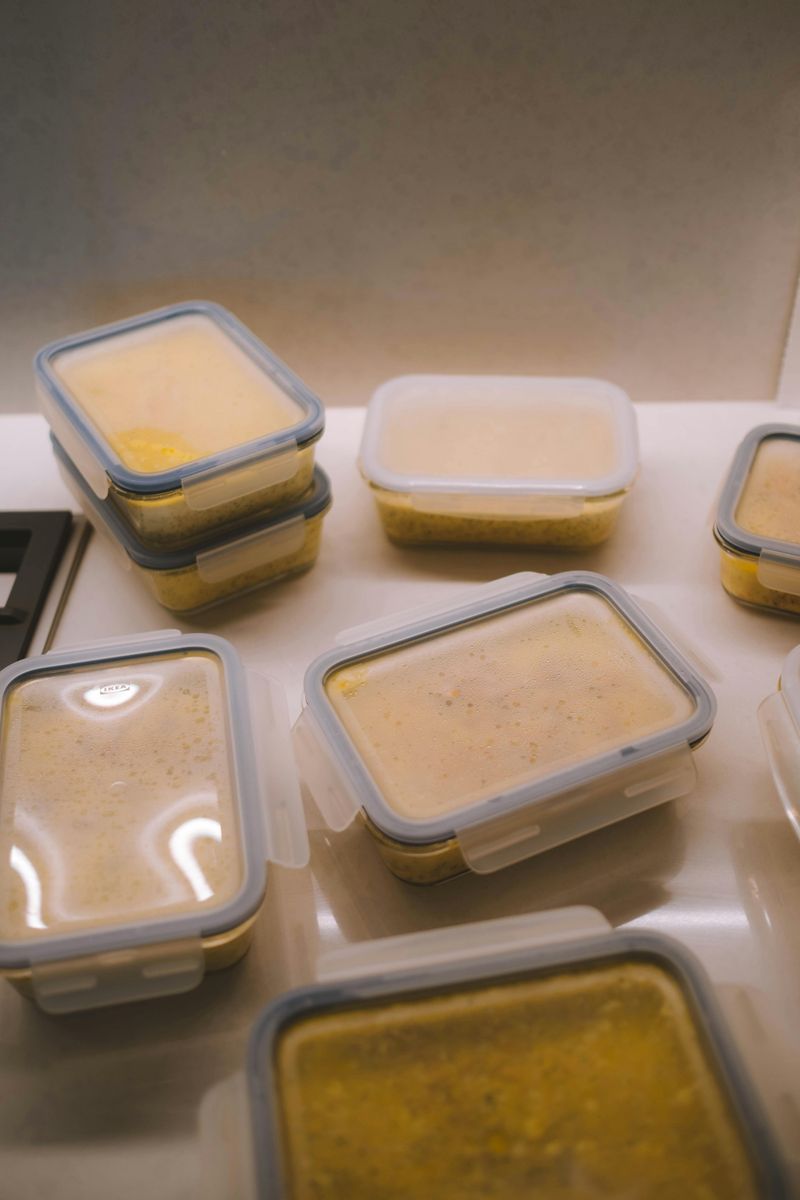
Preparing large quantities of certain dishes and freezing portions provides ready-made meals for busy days. This works well for sauces, soups, and curries.
Batch cooking can reduce energy use by cooking multiple meals at once. It also helps cut back on takeaways by keeping quick homemade options available.
7. Master The Freezer Filing System
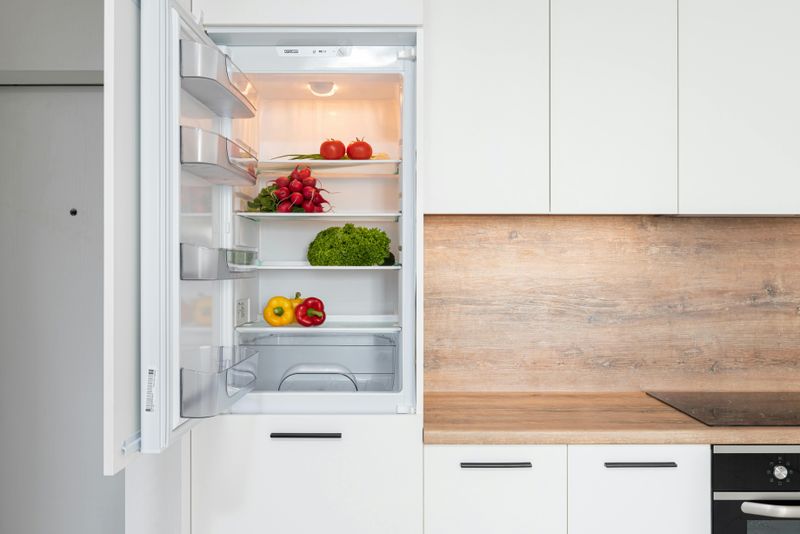
Labelling items with contents and dates makes it easier to keep track of what is stored. Grouping similar foods together saves time when looking for ingredients.
Maintaining a freezer list on paper or a phone helps prevent food from being forgotten. This can reduce waste and make meal preparation more efficient.



