













If your fridge often hides limp carrots or strawberries past their best, you are not alone.
Wasted food affects both household budgets and the environment. A few smart storage habits can help extend the life of your weekly shop and keep ingredients fresh for longer.
These tips are based on common kitchen practices and general food storage advice. How well they work can depend on the type of food, how fresh it is to begin with, and your home storage conditions.
1. Herb Bouquets Last Longer

Fresh herbs can wilt quickly when left in the fridge drawer. Trim the stems and place them upright in a glass with a small amount of water. Cover loosely with a reusable bag and refrigerate.
This method can help keep herbs such as coriander, parsley, and basil fresh for up to two weeks.
2. Bananas Need Space
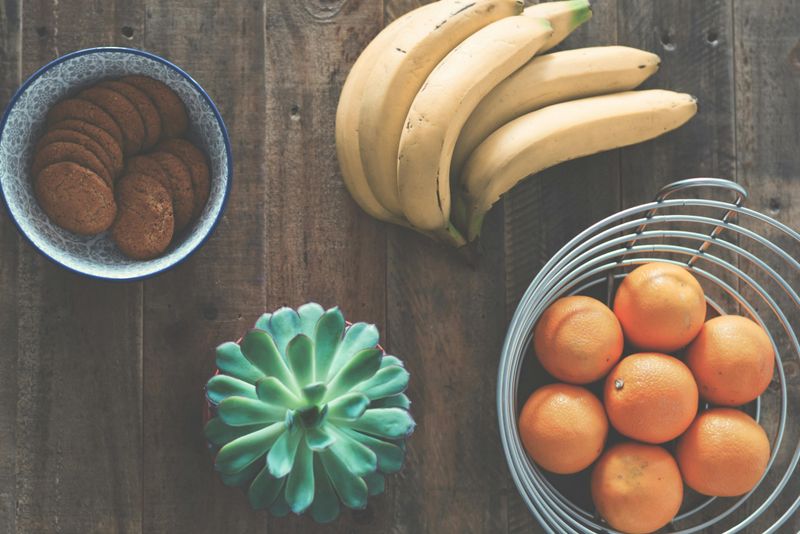
Bananas are, figuratively speaking, ripening bullies. They release ethylene gas that speeds up ripening in nearby fruits and vegetables.
Keep them away from your other produce, especially if you want those apples and avocados to last. Hanging bananas on a dedicated stand also prevents bruising while allowing air circulation around the fruit.
3. Glass Jars Protect Pantry Staples
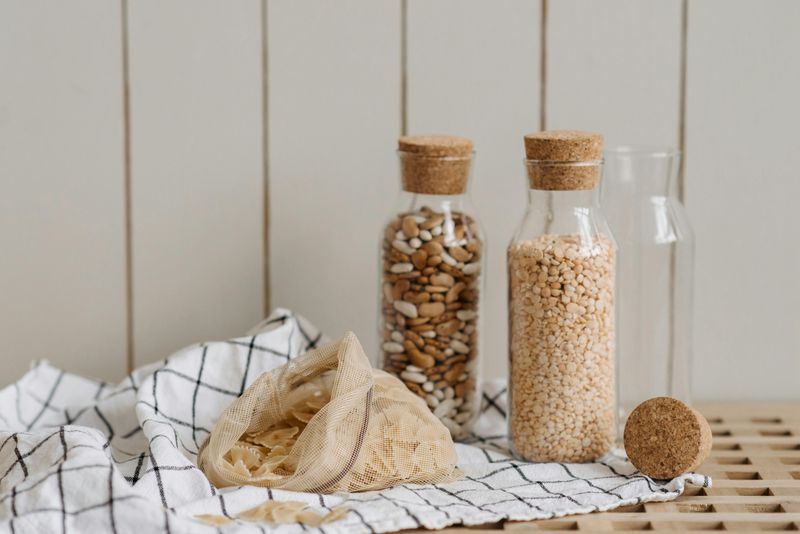
Those supermarket packages do little to keep your dry goods fresh. Transfer pasta, rice, flour and cereals to airtight glass jars as soon as you get home.
Not only will this keep moisture and pests out, but you'll also be able to see exactly what you have at a glance. The sealed environment prevents ingredients from going stale or developing that odd cupboard smell.
4. Keeping Tomatoes Out Of The Fridge
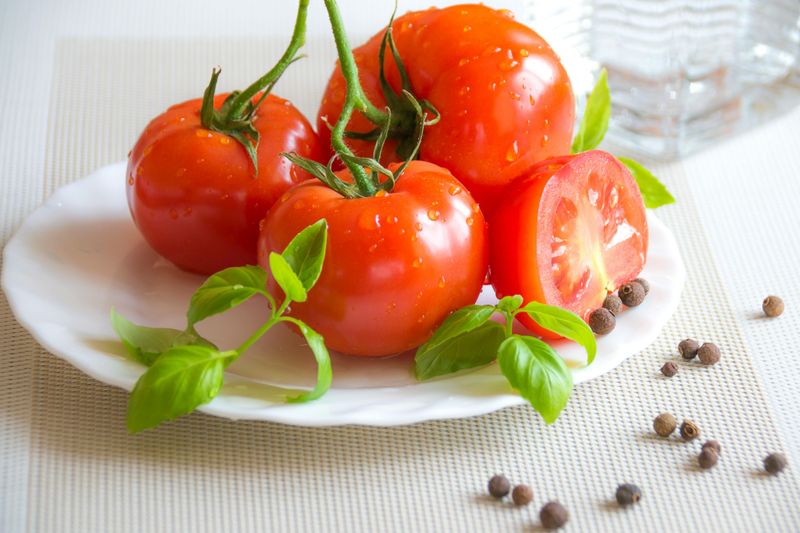
Popping tomatoes in the fridge seems logical but actually ruins their flavour and texture. Cold temperatures halt the ripening process and destroy those complex taste compounds.
Store tomatoes stem-side down on the counter away from direct sunlight. They'll continue developing their full, sweet flavour naturally. Only refrigerate fully ripe tomatoes if you need to extend their life by a few days.
5. Wash Berries Just Before Eating
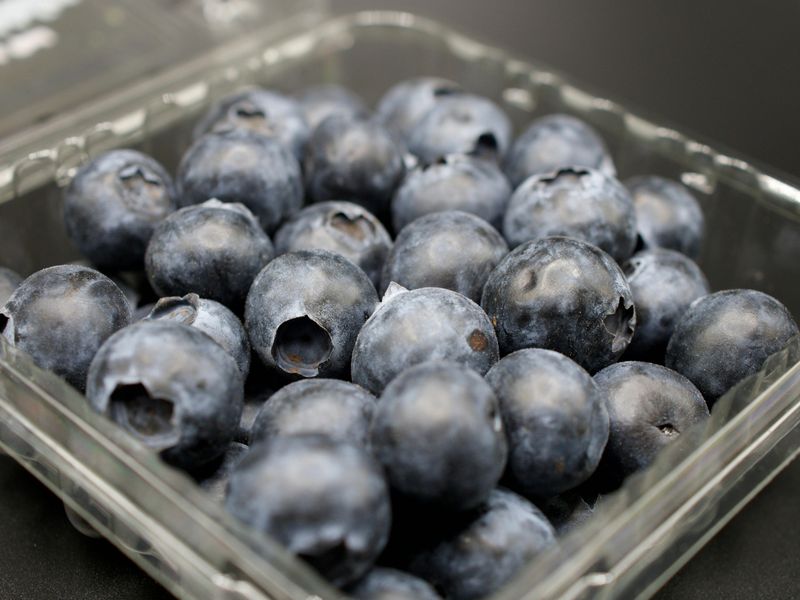
Berries are delicate treasures that deteriorate rapidly once moisture hits their surface. Resist the urge to wash your strawberries, blueberries and raspberries when unpacking groceries.
Store them unwashed in their original ventilated containers lined with paper towels. A quick rinse just before serving prevents the mould that thrives in damp conditions, potentially doubling your berries' shelf life.
6. Date Your Leftovers Clearly
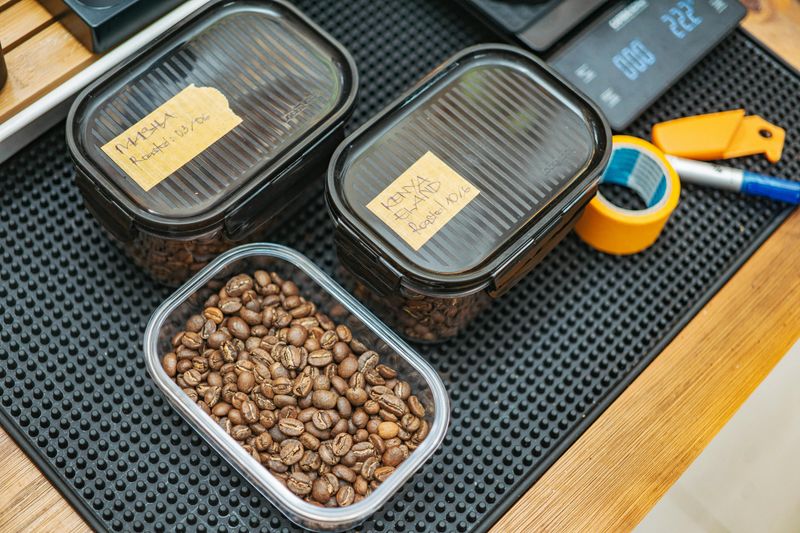
Mystery containers lurking in the back of the fridge waste food and space. Take some time to label containers with contents and date using masking tape and a marker.
This simple habit eliminates the "is this still good?" guessing game. Create a weekly fridge audit where you bring older items forward, ensuring nothing gets forgotten until it's too late to enjoy it.
7. Breathable Wraps For Cheese
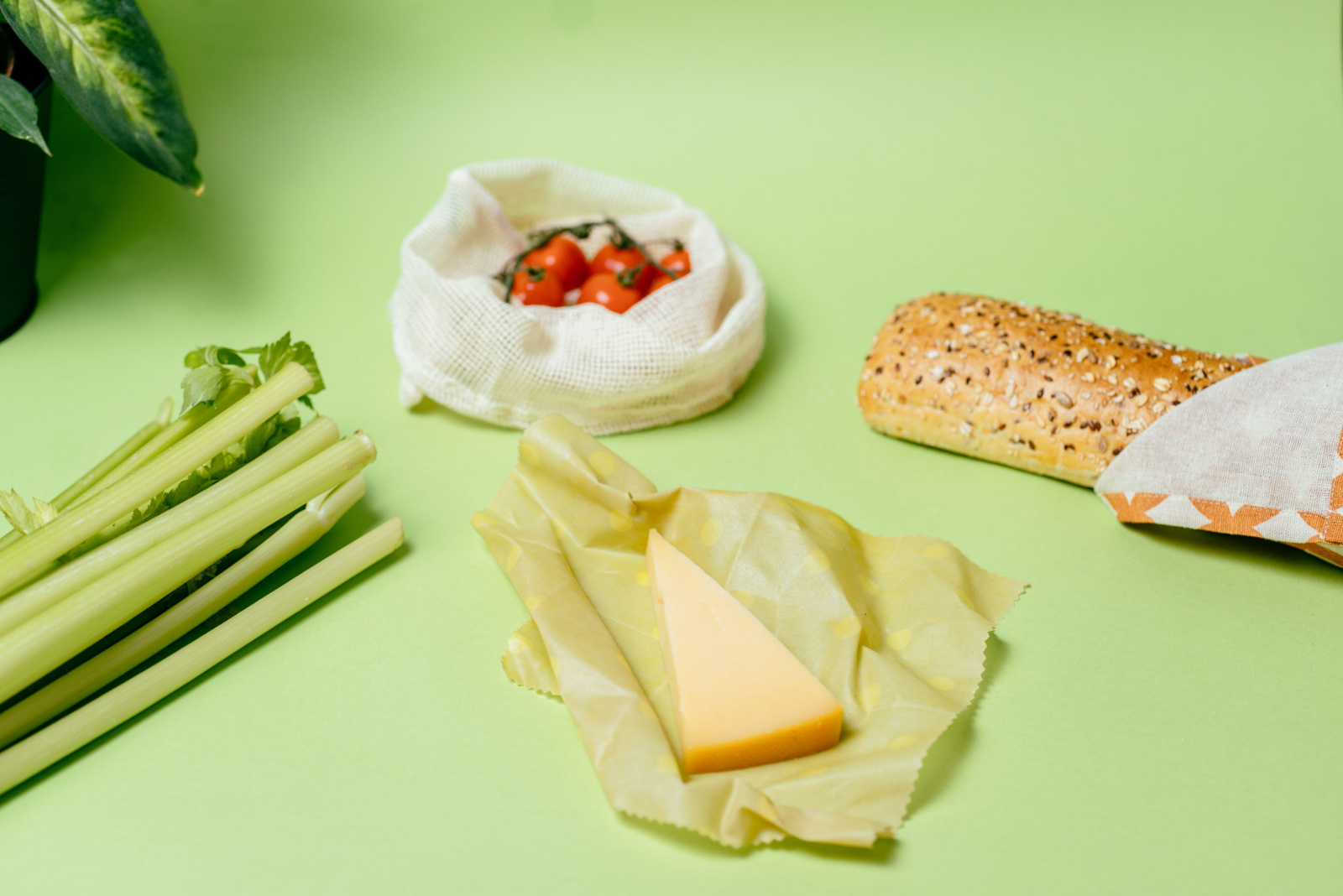
Clingfilm is cheese's enemy, causing it to sweat and develop off flavours. Specialist cheese paper, parchment paper or beeswax wraps allow cheese to breathe while maintaining proper humidity.
Rewrap cheese after each use and store in the warmest part of your fridge (usually the vegetable drawer). This approach preserves both texture and flavour, especially for fine cheeses that deserve proper treatment.
8. Refrigerate Eggs Properly
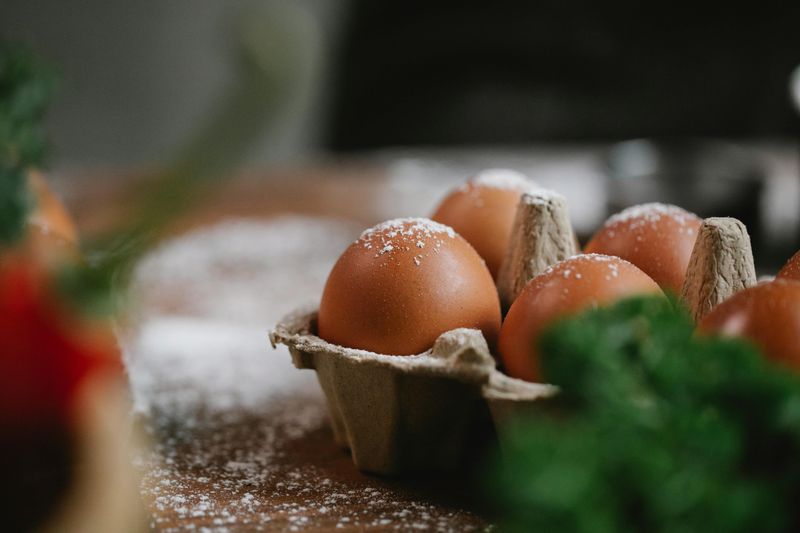
UK eggs benefit from refrigeration despite being sold at room temperature in shops. The temperature fluctuation when bringing them home triggers condensation that can draw bacteria through the shell.
Keep eggs in their original carton rather than using the door compartments. The carton blocks odour absorption from other foods, while the middle shelf provides the most consistent temperature for maximum freshness.
9. Isolate Apples From Other Produce
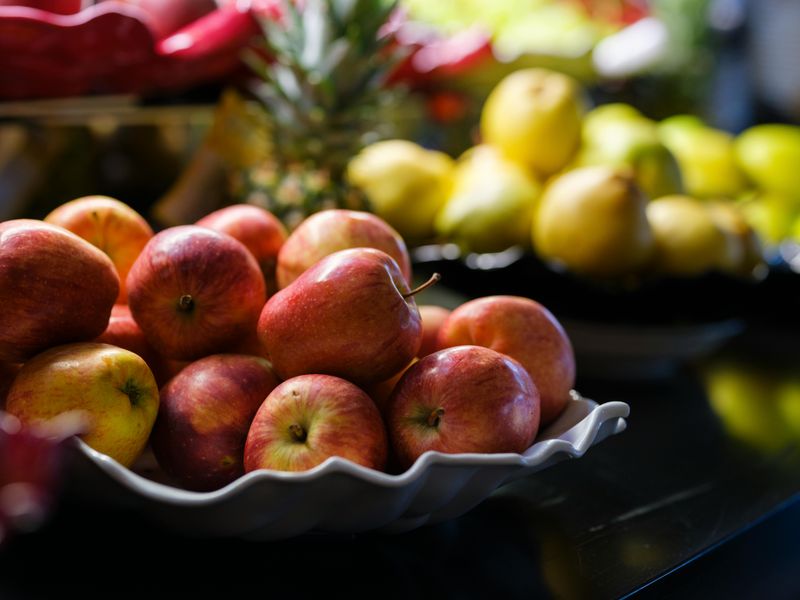
Apples emit significant amounts of ethylene gas that accelerates ripening in nearby fruits and vegetables. Store them separately in a cool spot or in a perforated plastic bag in the fridge.
The old saying "one bad apple spoils the bunch" is quite accurate in this situation. A single bruised apple releases even more ethylene, potentially ruining your entire fruit bowl within days if not removed promptly.
10. Freeze Herbs And Stock In Cubes
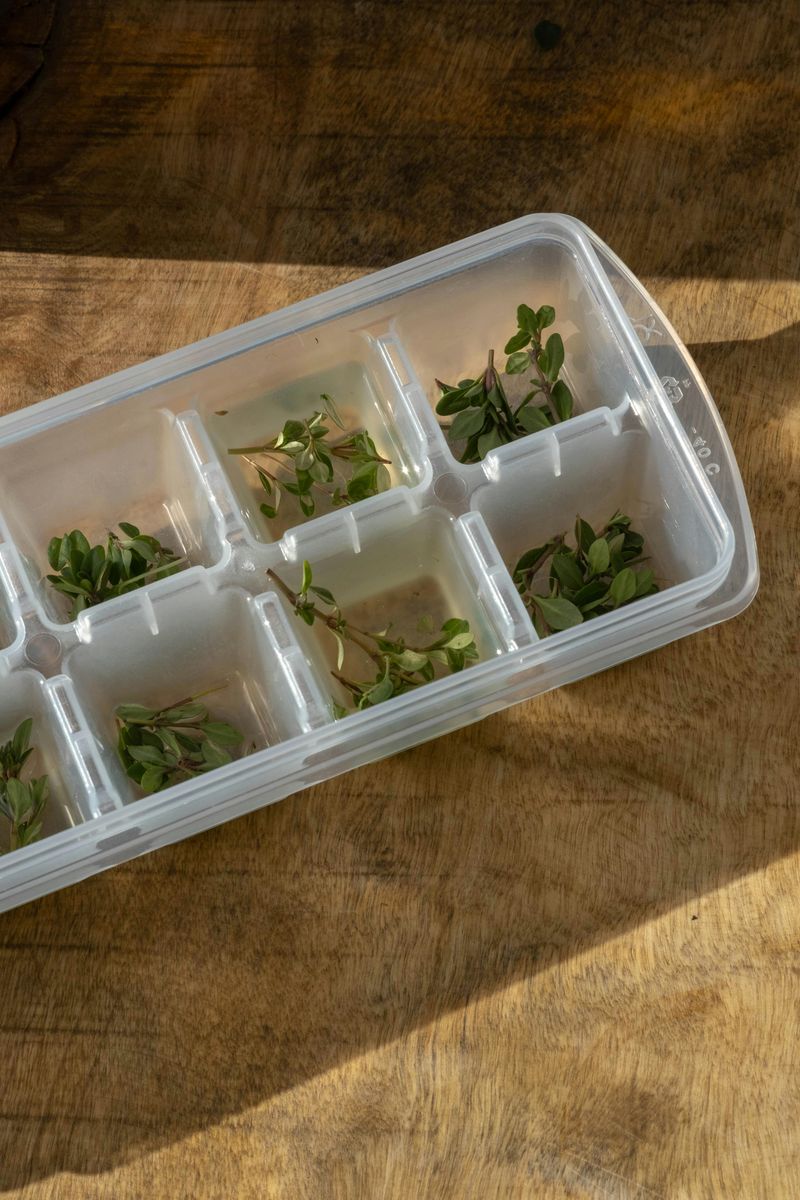
Don't waste those last tablespoons of tomato paste or bunch of fresh herbs. Fill ice cube trays with chopped herbs covered in olive oil or leftover stock, then freeze.
Once solid, transfer to labeled freezer bags for easy access. These flavour bombs can go directly from freezer to pan when cooking, providing instant seasoning without the waste of unused fresh ingredients going slimy in the fridge.
11. Milk Belongs On Interior Shelves
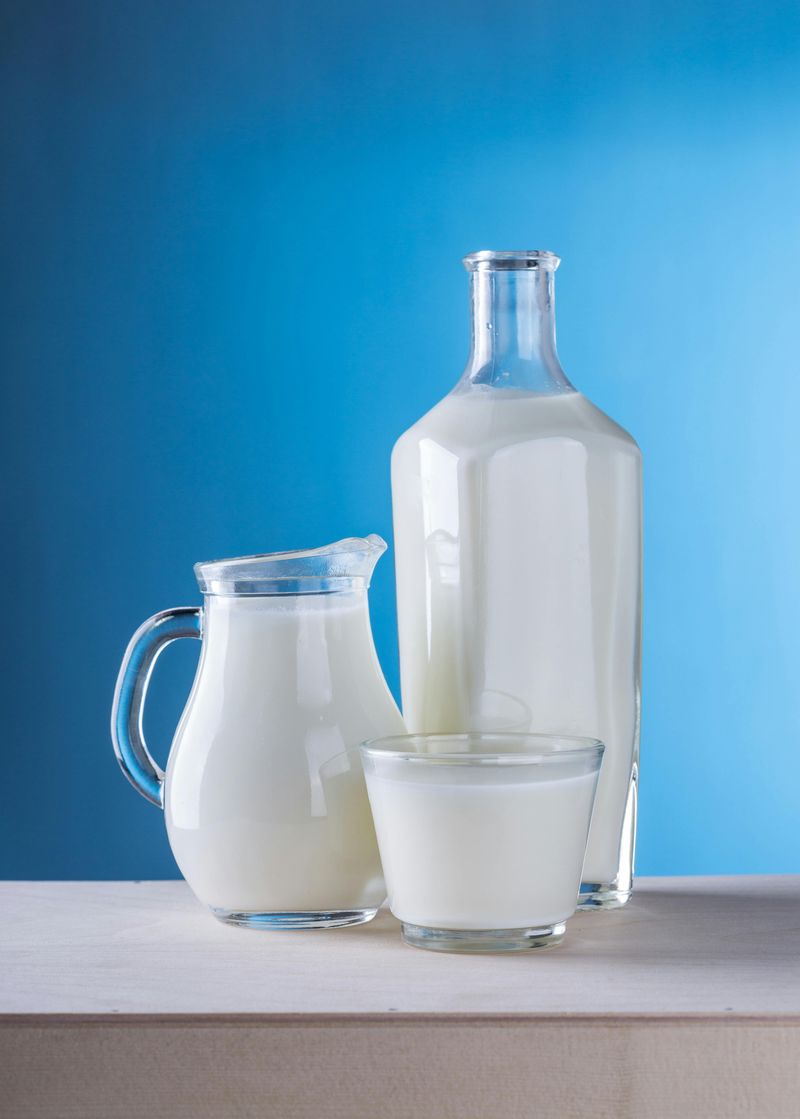
The refrigerator door experiences the most temperature fluctuation in the entire appliance. Each opening exposes door items to warm air, making it the worst place for milk storage.
Place milk on an interior shelf toward the back where temperatures remain most stable. This position can add several days to milk's freshness compared to door storage, even if it's slightly less convenient for pouring.
12. Aluminium Foil Revives Celery
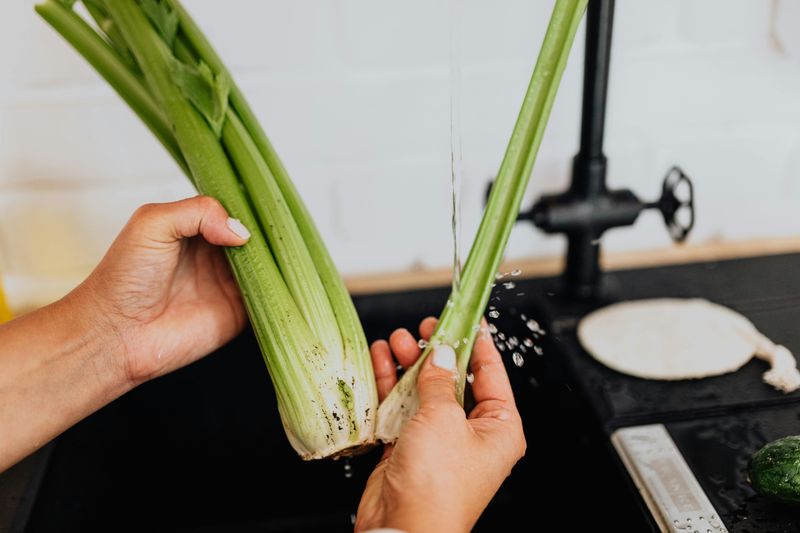
Plastic bags trap ethylene gas around celery, causing it to go limp and stringy rapidly. Aluminium foil creates the perfect microclimate for celery storage, allowing just enough gas exchange while retaining moisture.
Wrap celery stalks tightly in foil and refrigerate. This method keeps celery crisp for weeks rather than days, ensuring you'll always have crunchy stalks for soups, stews and snacking.
13. Give Your Fridge Room To Breathe

Overstuffed fridges block air circulation, creating warm pockets where food spoils faster. Proper cooling requires space between items for cold air to flow freely around everything.
Aim to keep your refrigerator about 75-80% full for optimal efficiency. This balance provides enough thermal mass to maintain stable temperatures while allowing sufficient airflow to cool items evenly, particularly after adding warm leftovers.
14. Potatoes Thrive In Dark Cupboards
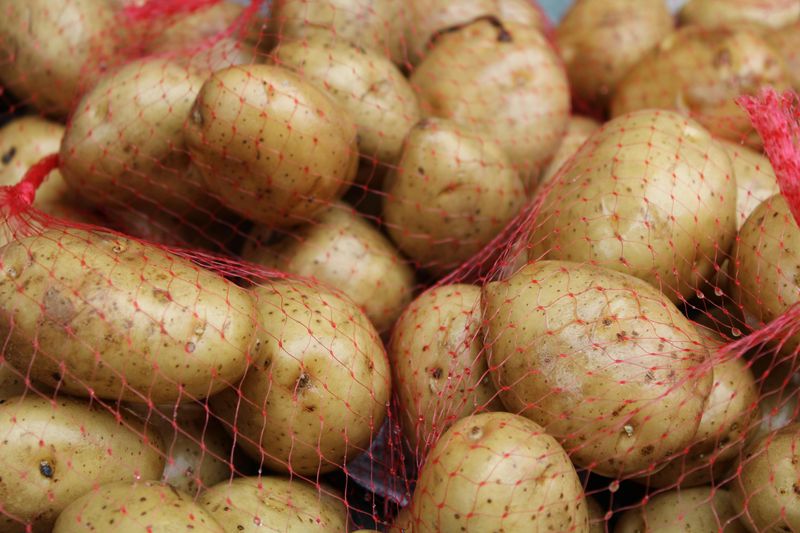
Light exposure causes potatoes to produce solanine, turning them green and potentially toxic. Refrigeration isn't the answer either, cold temperatures convert potato starch to sugar, resulting in oddly sweet spuds that brown too quickly when cooked.
Store potatoes in paper bags (no plastic) in a cool, dark cupboard away from onions. This environment keeps them firm and sprout-free for weeks.



