













Tuscan cooking celebrates simplicity with fresh ingredients and rustic traditions. These authentic meals will transport you to the rolling hills and olive groves of central Italy without leaving your kitchen.
Get ready to discover the hearty, comforting flavours that have made Tuscan food beloved worldwide.
This content is for general information only. Flavours, ingredients, and availability may vary. Always adapt recipes to suit your preferences and dietary needs.
1. Ribollita Tuscan Bread Soup
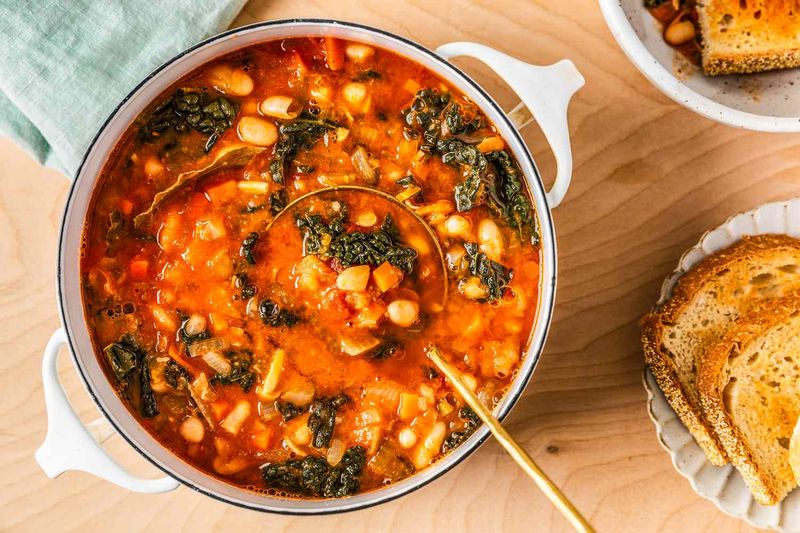
Peasants created this hearty soup centuries ago by reboiling leftover minestrone with stale bread. The name literally means "re-boiled"!
Black kale, cannellini beans, and day-old bread transform into a thick, comforting potage that tastes even better the next day. A drizzle of peppery Tuscan olive oil completes this countryside classic.
2. Pappa Al Pomodoro Tomato And Bread Soup
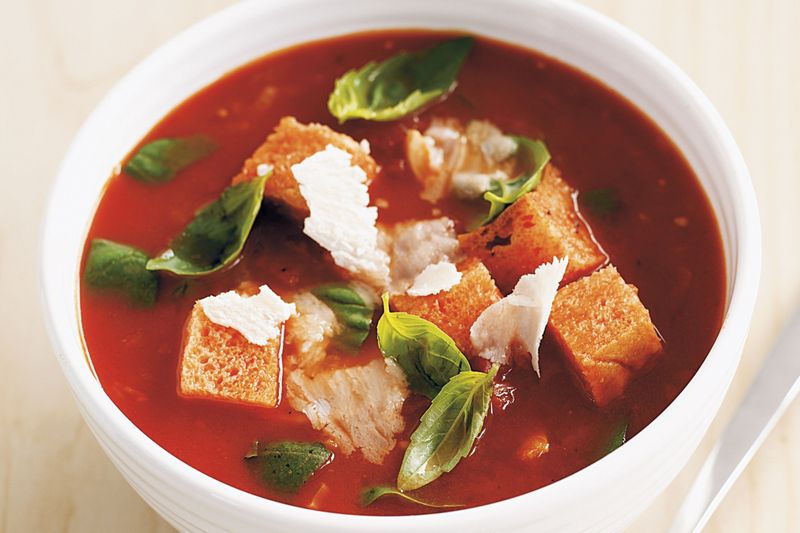
Summer's bounty meets frugal cooking in this velvety soup. When tomatoes overflow Tuscan gardens, this dish prevents waste while delivering incredible flavour.
Stale bread thickens sweet tomatoes into a silky texture that warms the soul. Fresh basil and garlic infuse every spoonful with Mediterranean sunshine, creating a humble yet remarkable meal from simple pantry staples.
3. Bistecca Alla Fiorentina Tuscan-Style Steak
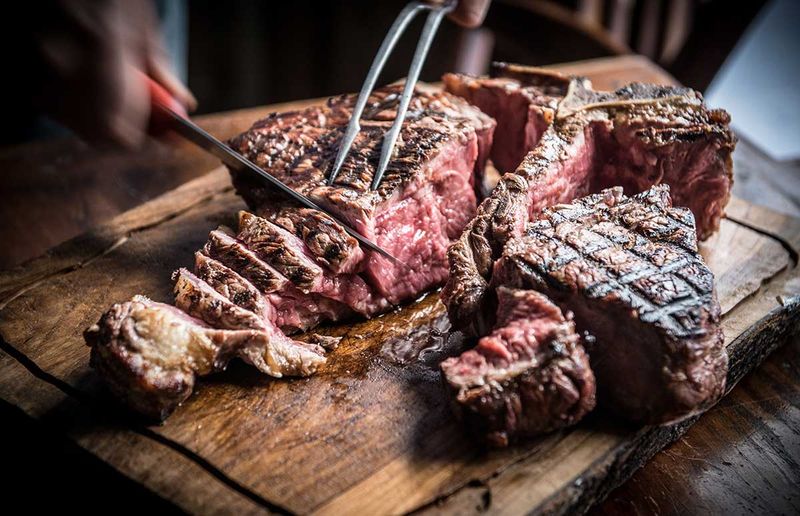
Tuscany's most famous carnivorous delight comes from the prized Chianina cattle. This imposing T-bone steak measures at least 5cm thick and weighs over a kilogram!
Cooked rare over blazing wood coals, the steak receives minimal seasoning - just salt, pepper, and perhaps a squeeze of lemon. The charred exterior gives way to a tender, ruby-red centre that melts in your mouth.
4. Panzanella Tuscan Bread Salad
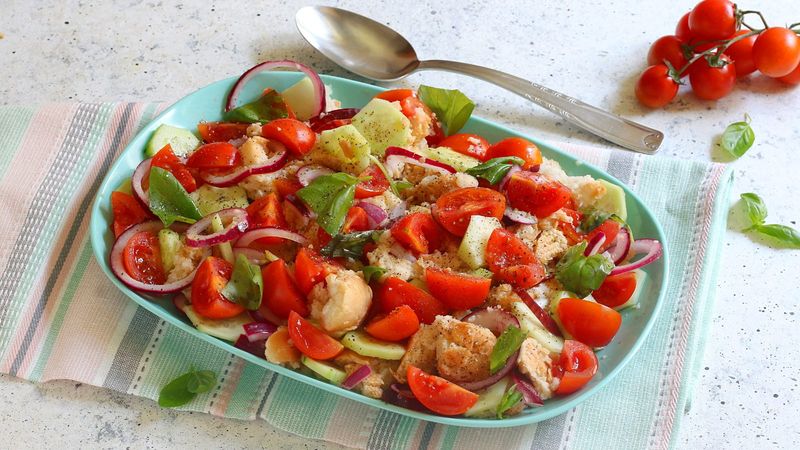
Nothing showcases Tuscan resourcefulness like this summer salad that transforms stale bread into something magnificent. Chunks of crusty bread soak up tomato juices and olive oil, becoming deliciously soft while retaining some texture.
Red onions, cucumbers, and fresh basil add crunch and aroma to this colourful dish. Originally created by farmers needing a quick meal in the fields, it's now beloved throughout Italy.
5. Cacciucco Tuscan Fish Stew
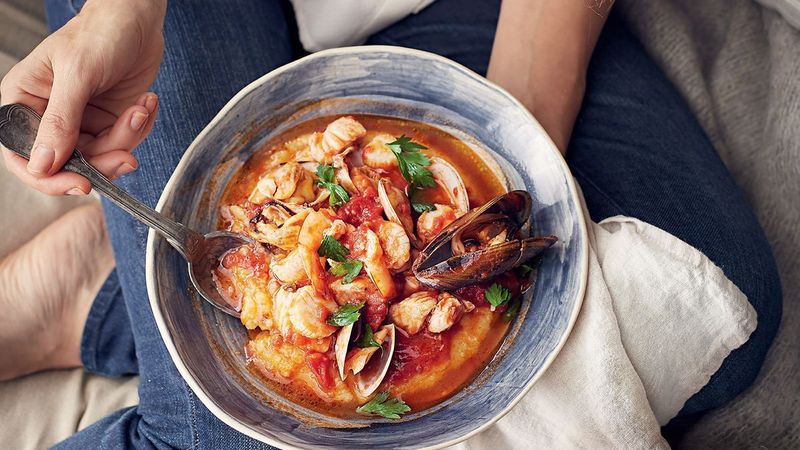
Livorno's fishermen crafted this robust stew using the day's unsold catch—tradition demands at least five different types of seafood for authentic flavour. The five Cs in its name supposedly represent the five fish!
Tomatoes, wine, and chilli create a fragrant broth that bathes squid, shellfish, and various fish. Garlic-rubbed toast at the bottom soaks up the rich, briny goodness of this coastal masterpiece.
6. Crostini Toscani Chicken Liver Pâté
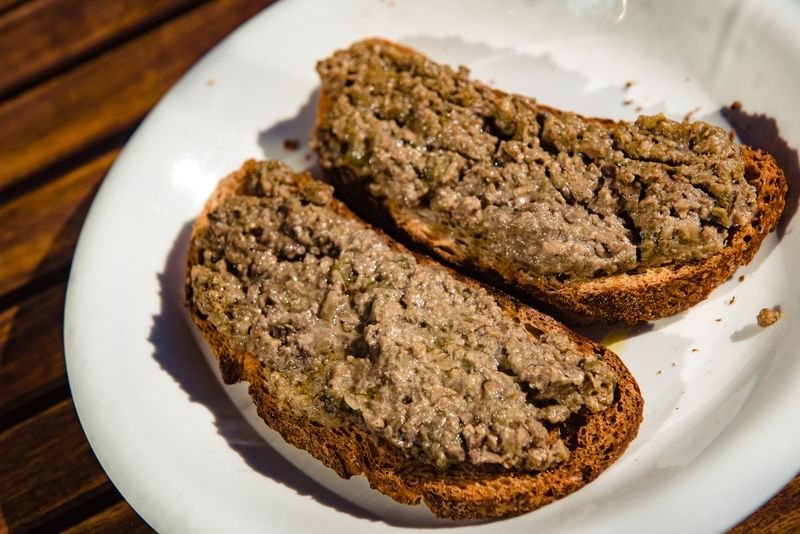
The star of Tuscan antipasti platters begins with chicken livers slowly cooked with sweet vin santo wine. A touch of anchovy adds depth without fishiness - a secret many nonnas keep close!
Spread on toasted bread rounds, this velvety pâté offers rich, earthy flavours that awaken the appetite. Traditionally served at celebrations, these savoury bites now welcome guests at trattorias throughout the region.
7. Castagnaccio Chestnut Flour Cake
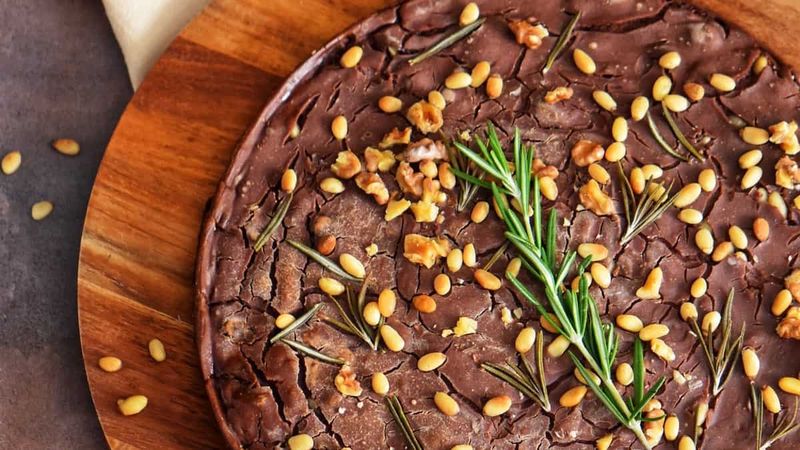
Mountain dwellers created this rustic dessert during times when wheat was scarce but chestnuts abundant. The dense, unleavened cake carries a distinctive earthy sweetness without added sugar - chestnuts provide natural sweetness.
Pine nuts, rosemary, and olive oil create an unusual yet harmonious flavour profile. The crackled top and moist interior offer textural contrast in this ancient treat that sustained generations through harsh winters.
8. Pici All'Aglione Handmade Pasta With Garlic Sauce
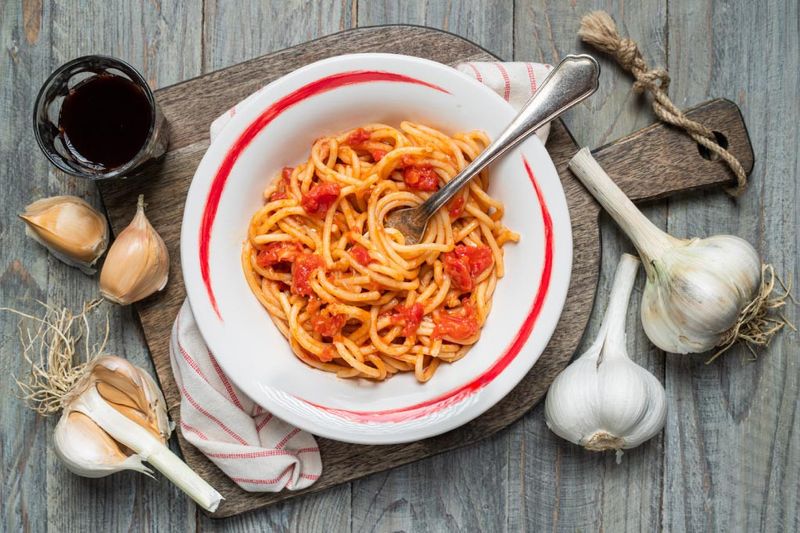
Siena's signature pasta resembles thick, hand-rolled spaghetti made simply from flour and water - no eggs needed! Rolling each strand requires a special technique passed down through generations.
The sauce features an abundance of garlic ("aglione" means "big garlic") simmered gently in olive oil until sweet. Tomatoes and chilli flakes create a rustic coating that clings perfectly to the pasta's rough texture, showcasing Tuscan minimalism.
9. Cantucci Tuscan Almond Biscuits
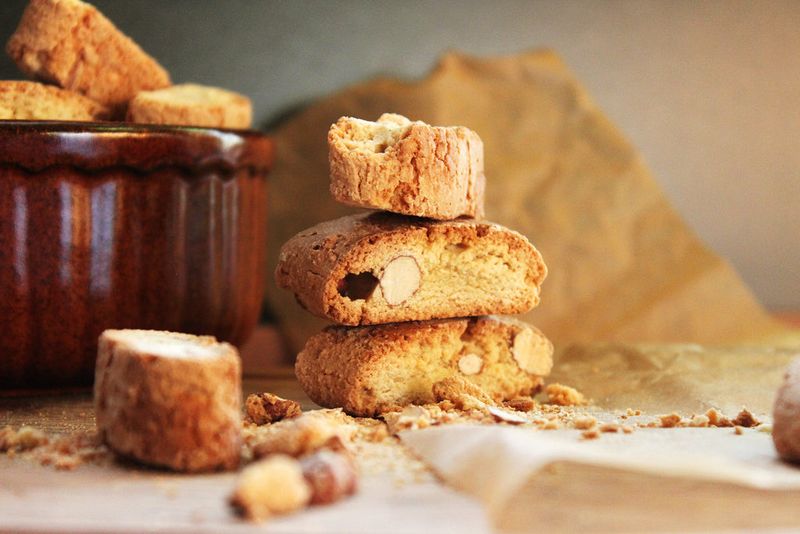
These twice-baked almond biscuits originated in Prato during the 16th century. Their rock-hard texture isn't a mistake - they're designed for dipping!
Whole almonds stud the golden exterior while vanilla and sometimes orange zest add subtle aromatics. Traditionally enjoyed by dipping in Vin Santo dessert wine, which softens the crunchy texture and complements the nutty flavour perfectly. They'll keep for weeks in a tin!



