













Italian cuisine has become a firm favourite in Britain, appearing on high street menus and in home kitchens alike. Dishes like creamy pasta, rich risottos, and tender meat preparations have earned a special place in British dining, blending flavour, comfort, and familiarity.
From hearty lasagne to delicate tiramisu, Italian comfort foods provide a satisfying balance of indulgence and nostalgia. These twelve classics show why Britons continue to enjoy Italian cooking, whether recreating dishes at home or ordering from a local trattoria, highlighting flavours that have become part of everyday life across the UK.
This article is for informational and entertainment purposes only. Flavours, ingredients, and availability may vary by location.
Photos and descriptions are for illustrative purposes and may not exactly represent the dishes served.
1. Spaghetti Carbonara
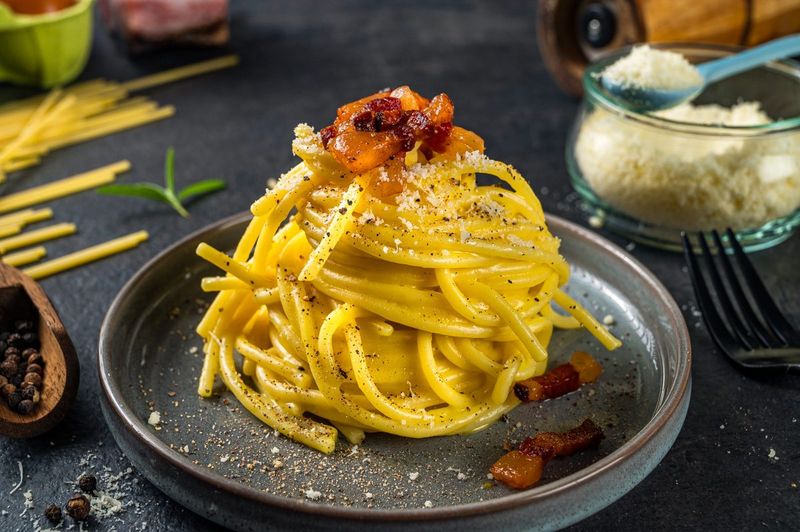
Forget the cream – proper carbonara gets its silky richness from eggs and Pecorino Romano, which is a trick many British home cooks are only just discovering. The sauce clings to every strand of spaghetti like it was made to be there, because it absolutely was.
Guanciale, cured pork cheek, is the traditional choice, though pancetta works brilliantly too. A generous crack of black pepper is non-negotiable.
Once you nail the technique, this Roman classic becomes a weeknight staple you will genuinely look forward to.
2. Lasagne
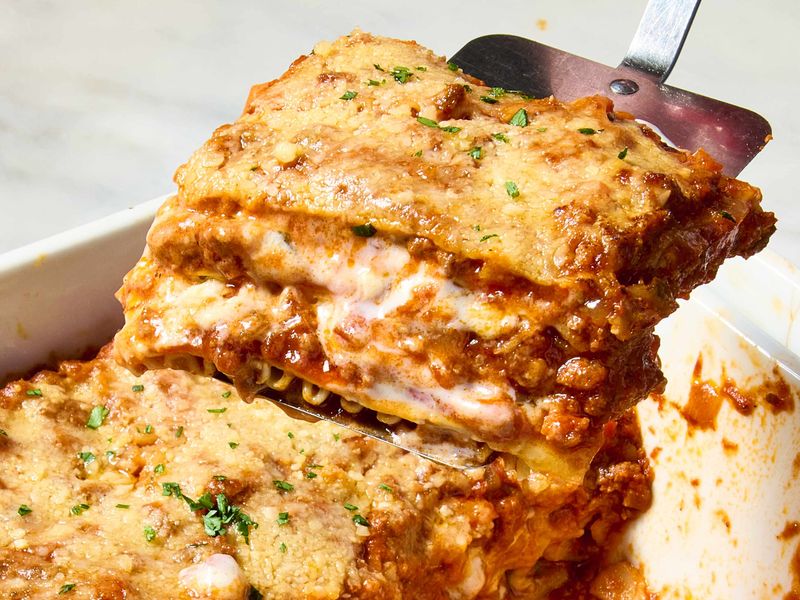
Few things in life are as satisfying as cutting into a properly built lasagne – those layered sheets of pasta, rich ragu, and creamy bechamel all holding together in a glorious stack. It is the kind of dish that makes a kitchen smell absolutely incredible.
Britons have embraced lasagne as a proper weekend bake, and rightly so. Make a big tray on Sunday and you have got lunches sorted for days.
Some families even argue over the corner pieces, which are, objectively, the best bits.
3. Margherita Pizza
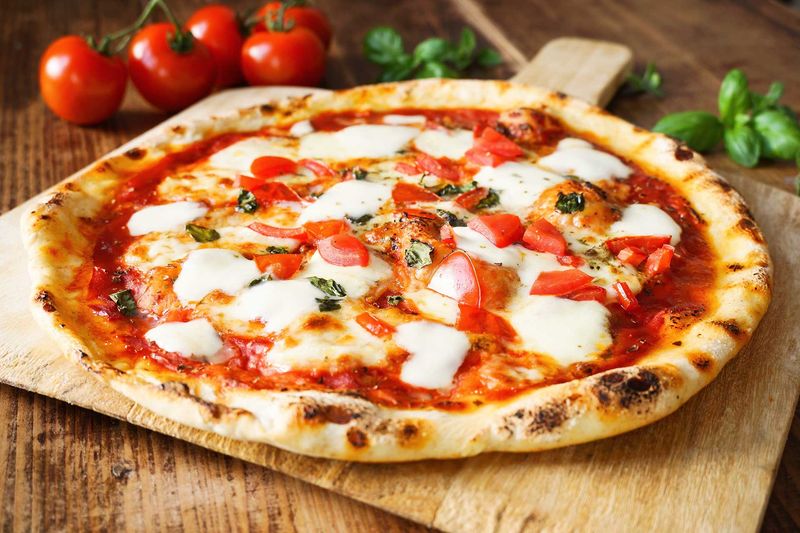
The Margherita is proof that simplicity wins every time. Created in Naples in 1889 and named after Queen Margherita of Savoy, it was designed to reflect the colours of the Italian flag – red tomato, white mozzarella, green basil.
What makes a great Margherita is quality ingredients doing the heavy lifting. A good San Marzano tomato base, fresh fior di latte, and a properly blistered crust from a screaming hot oven – that trio is hard to beat.
Britons order it more than any other pizza variety.
4. Risotto
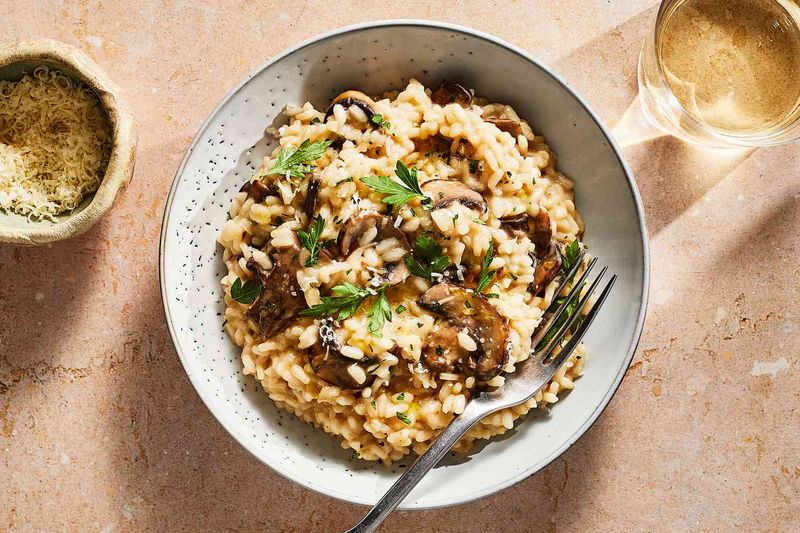
Risotto demands patience, and that is exactly what makes it so rewarding. Standing at the hob, adding ladle after ladle of warm stock to Arborio rice while it slowly transforms into something velvety and rich – it is almost meditative.
Mushroom risotto is the British favourite, though saffron-laced Milanese risotto has its devoted fans too. The final flourish of cold butter stirred in off the heat, a technique called mantecatura, gives it that restaurant-quality creaminess.
Once you know that trick, there is no going back.
5. Gnocchi With Tomato Sauce
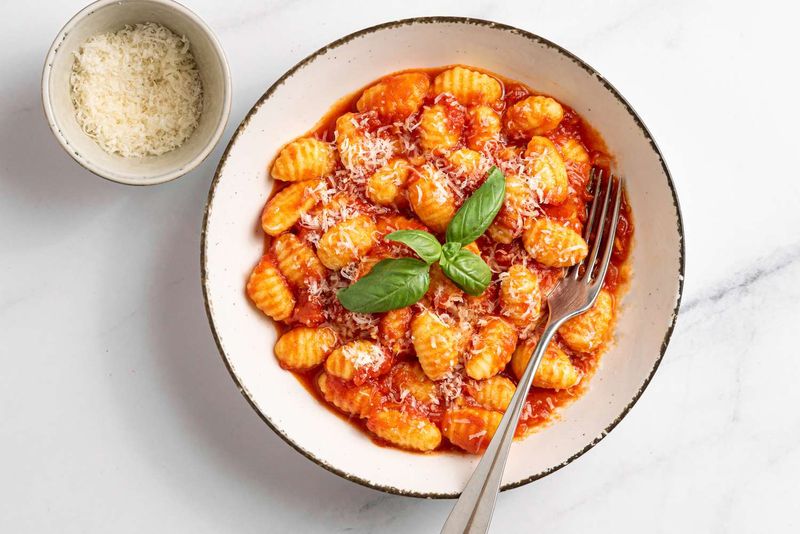
Gnocchi are those wonderfully pillowy little potato dumplings that somehow manage to be both light and deeply comforting at the same time. Paired with a punchy tomato and basil sauce, they are proper cold-weather eating at its finest.
Getting the texture right is the key – too much flour and they turn rubbery, too little and they fall apart. Good gnocchi should be tender with just enough bite.
Shop-bought versions have improved massively, but homemade gnocchi on a rainy Sunday is genuinely hard to top.
6. Osso Buco
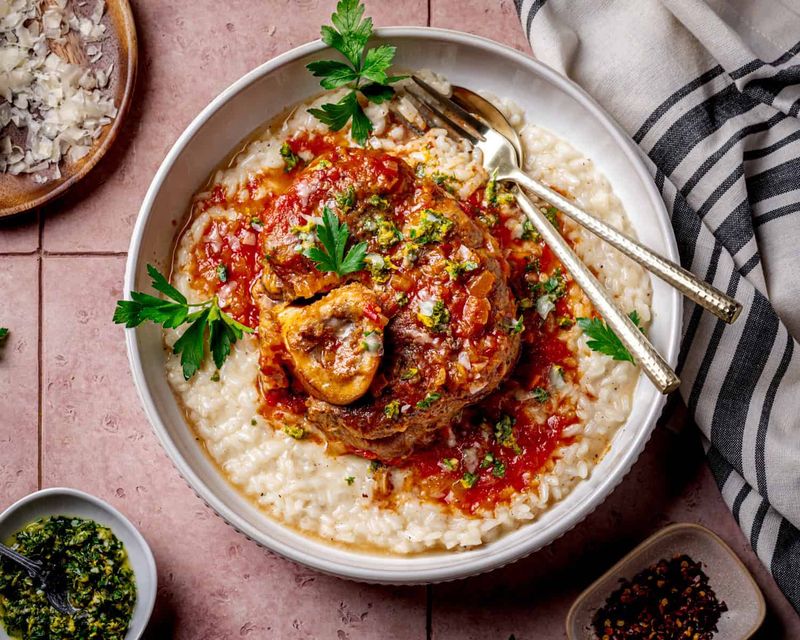
Osso buco translates to "hollow bone," which gives you a clue about the best bit – that rich, gelatinous marrow tucked inside the braised veal shank. Traditionally from Milan, it is slow-cooked until the meat practically falls off the bone.
A sprinkle of gremolata – fresh parsley, lemon zest, and garlic – cuts through the richness beautifully. Served alongside saffron risotto, it is one of those meals that feels genuinely special without requiring cheffy skill.
More British restaurants are putting it on their menus, and it is long overdue.
7. Minestrone Soup
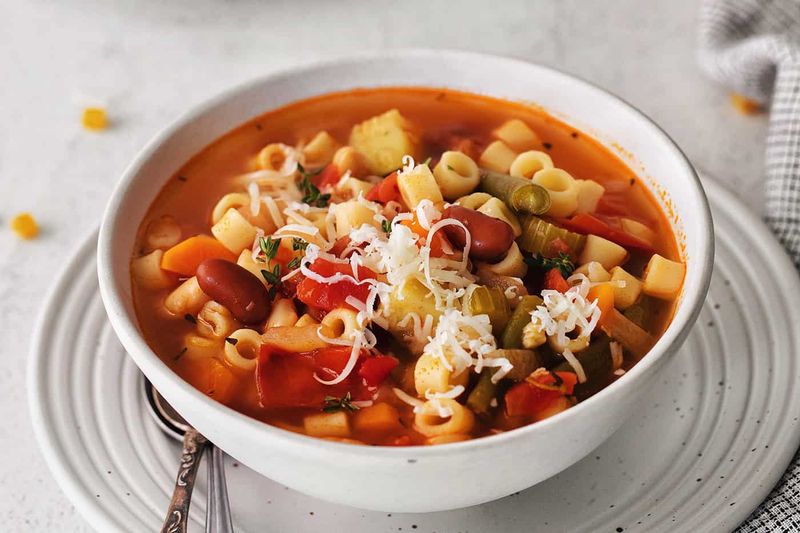
Minestrone is Italy's answer to "use up what is in the fridge," and somehow it always turns out brilliantly. Packed with seasonal vegetables, beans, and pasta or rice, it is a thick, satisfying soup that genuinely fills you up.
Every Italian region – and arguably every Italian grandmother – has their own version, which means there is no single definitive recipe. That flexibility is actually brilliant for British cooks.
Courgettes in summer, squash in autumn, whatever needs using up – minestrone handles it all with style. A drizzle of good olive oil to finish is essential.
8. Fettuccine Alfredo
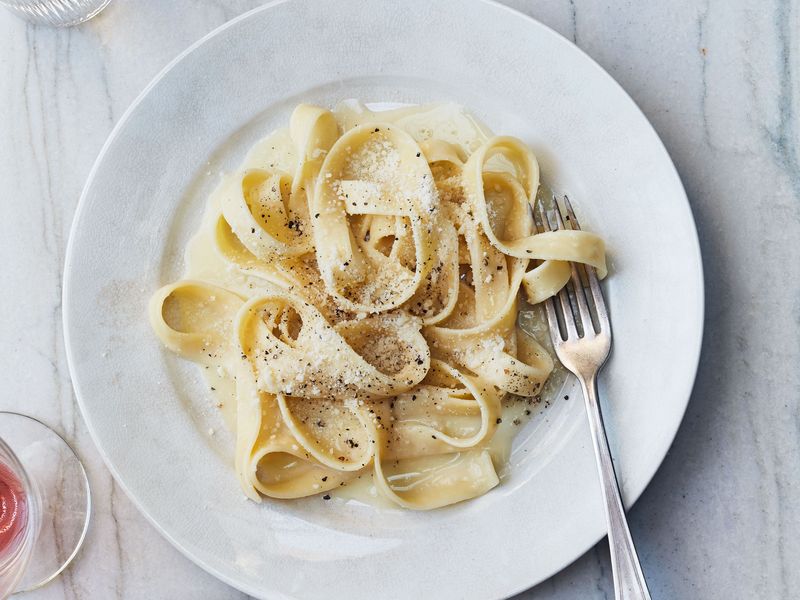
Fettuccine Alfredo started life in a small Roman restaurant in the early 1900s, invented by Alfredo di Lelio for his wife who had lost her appetite after childbirth. He tossed fresh pasta with butter and Parmesan until it became something extraordinary.
The original recipe has just three ingredients – pasta, butter, and Parmigiano Reggiano – yet the result is indulgently creamy without a drop of cream in sight. Britons tend to add cream anyway, and honestly, nobody is judging.
It is comfort food at its most unapologetic.
9. Cannelloni
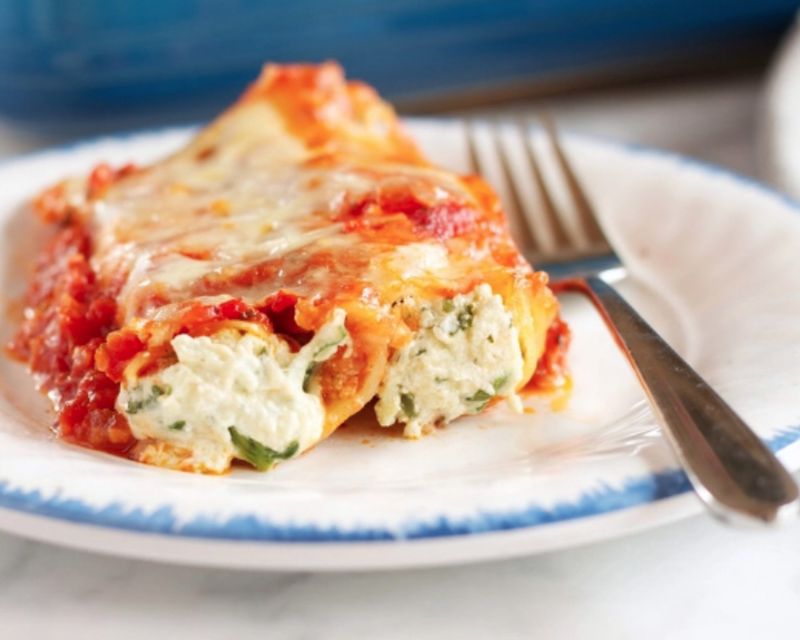
Cannelloni are those sturdy pasta tubes that get stuffed, sauced, and baked until golden and bubbling – essentially lasagne's more dramatic cousin. The spinach and ricotta filling is the most popular version in Britain, offering a satisfying vegetarian option that does not feel like a compromise.
The trick is getting enough sauce over the top so the pasta softens completely during baking. Dry edges are the enemy here.
Cover the dish with foil for the first half of cooking, then uncover to let the cheese do its thing. Leftovers reheat brilliantly too.
10. Bruschetta
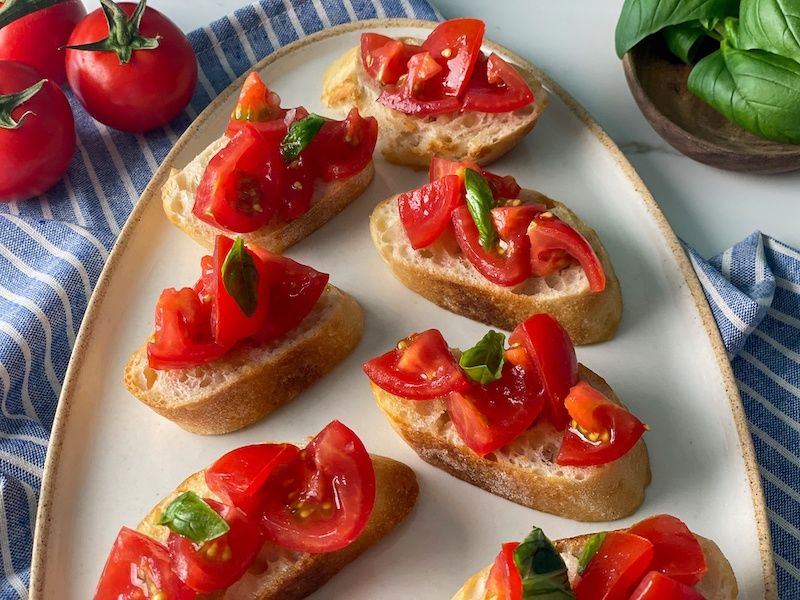
Bruschetta is one of those things that sounds almost too simple – toasted bread, rubbed with garlic, topped with ripe tomatoes and olive oil. Yet somehow, when it is done properly, it is absolutely stunning.
The key word there is "properly."
Good bruschetta relies on brilliant tomatoes, which is why it tastes so much better in Italy during summer. In Britain, cherry tomatoes or vine-ripened varieties work best.
Toast the bread until genuinely crunchy, not just warm, and use the best olive oil you have. That contrast of textures is everything.
11. Tiramisu
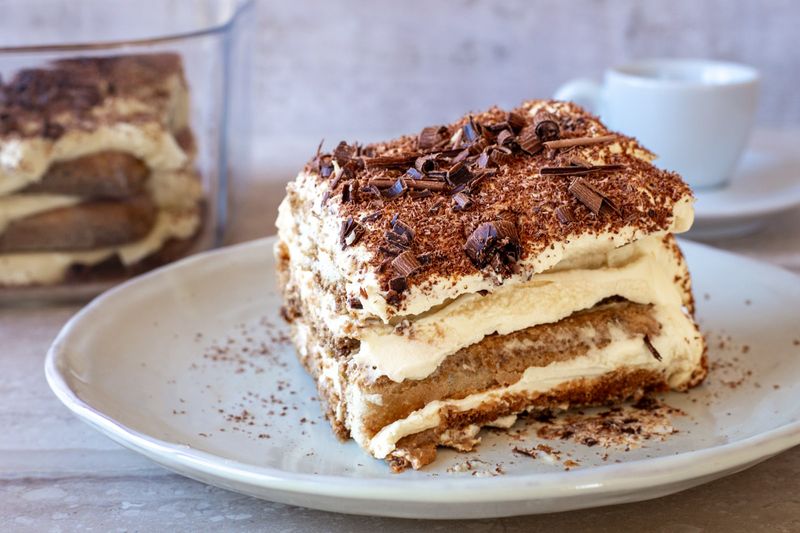
Tiramisu means "lift me up" in Italian, and after one spoonful, you will completely understand why. Layers of espresso-soaked savoiardi biscuits and billowy mascarpone cream, finished with a dusting of dark cocoa – it is the pudding that converted a generation of Britons to Italian desserts.
First created in the Veneto region in the 1960s, tiramisu became a fixture on British restaurant menus throughout the 1980s and never left. Making it at home is far easier than it looks, and the results are always impressive.
It needs at least four hours chilling time – patience is rewarded here.
12. Panna Cotta
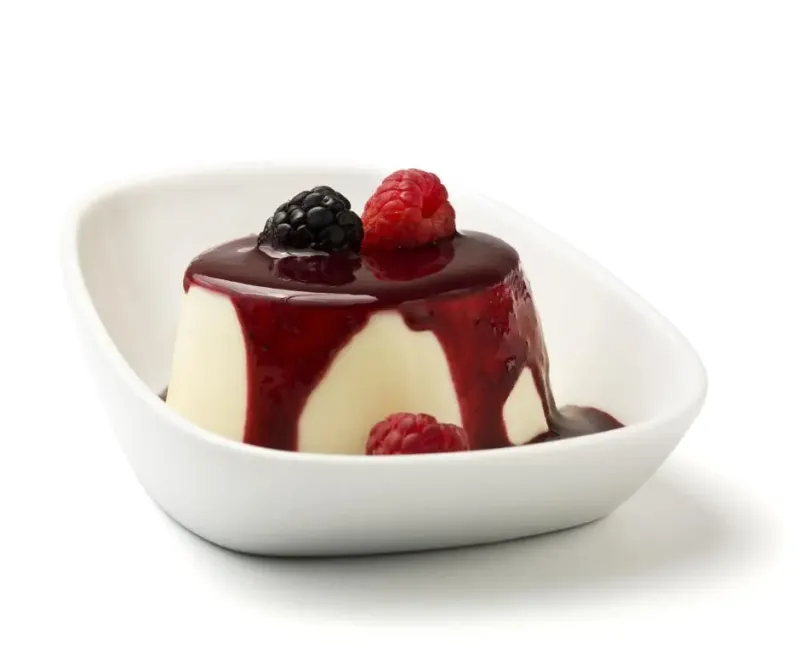
Panna cotta is the dessert that looks like it required serious skill but is actually one of the easiest things you can make. Set cream, a little sugar, and gelatine – that is genuinely it.
The wobble when you plate it is deeply satisfying.
Originating in Piedmont in northern Italy, it pairs beautifully with sharp fruit sauces that cut through the richness – raspberry, passion fruit, or a tangy berry compote all work a treat. British restaurants love it because it can be made ahead and stored in the fridge until needed.
Smart and delicious.



