










Spice blends are the secret behind the complex flavours of Indian cuisine. Each region boasts unique combinations that transform simple ingredients into extraordinary dishes.
Whether you're cooking curry or seasoning vegetables, these aromatic mixtures will take your home cooking to delicious new heights.
This article is for general information only. Spice blends and their uses may vary by region, brand, and personal taste.
1. Garam Masala
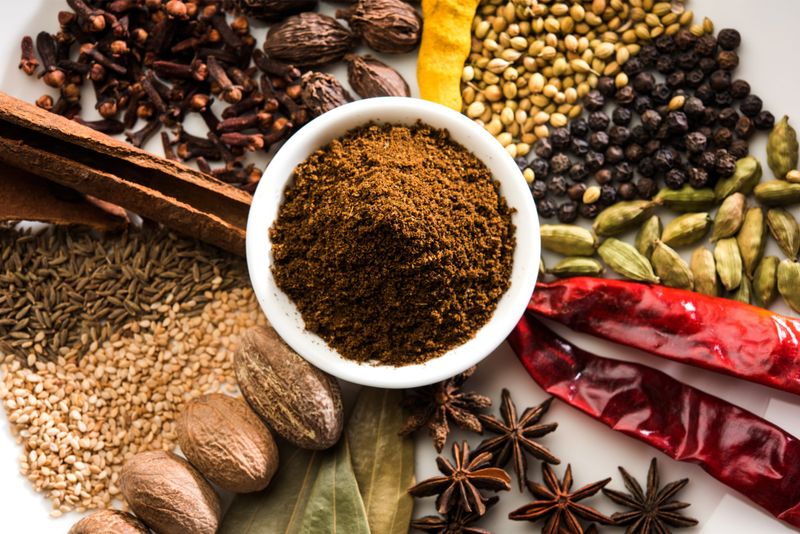
The crown jewel of Indian cooking warms dishes without adding heat. A fragrant mix of cinnamon, cardamom, cloves, cumin, and coriander toasted to perfection.
Add it at the end of cooking to preserve its aromatic qualities. Northern regions prefer it sweeter while southern versions include more peppercorns.
2. Tandoori Masala
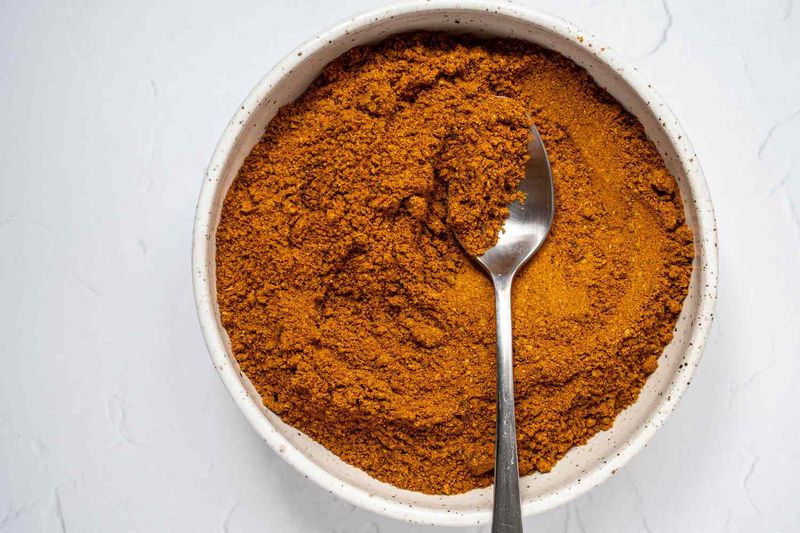
Vibrant red and smoky, this blend creates the signature flavour of clay oven dishes. Paprika, cayenne, and fenugreek give it that distinctive colour and taste.
Originally developed for marinating meats cooked in tandoor ovens, it now flavours everything from roasted vegetables to grilled paneer. The yogurt-spice combination tenderizes beautifully.
3. Chaat Masala
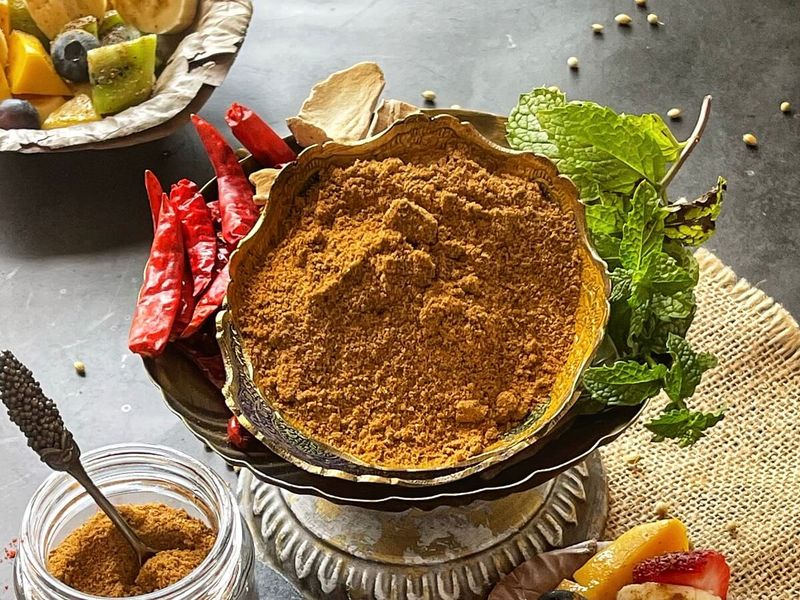
Tangy, salty and slightly funky from black salt (kala namak), this sprinkle-on blend transforms fresh fruits and street snacks into craveable treats. Mango dusted with chaat masala is a summer revelation!
Amchoor (dried mango powder) provides the signature sourness while cumin adds earthiness. A pinch livens up everything from popcorn to cocktails.
4. Sambhar Masala
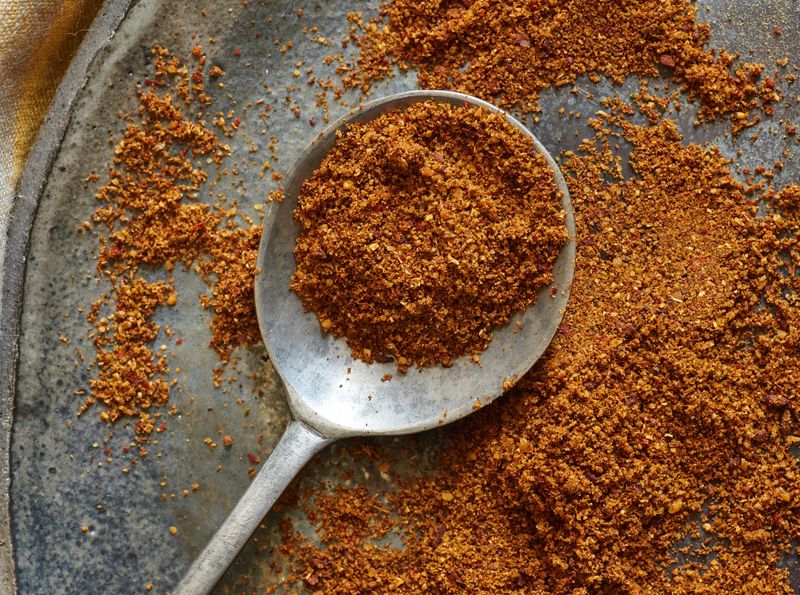
Essential for South Indian lentil stews, this blend balances sour tamarind with warming spices. The secret ingredient is often roasted fenugreek, which adds a maple-like complexity.
Regional variations abound - Tamil Nadu versions include more coriander while Karnataka styles feature more red chillies. Traditionally ground on stone slabs called ammi kallu for the best texture.
5. Biryani Masala
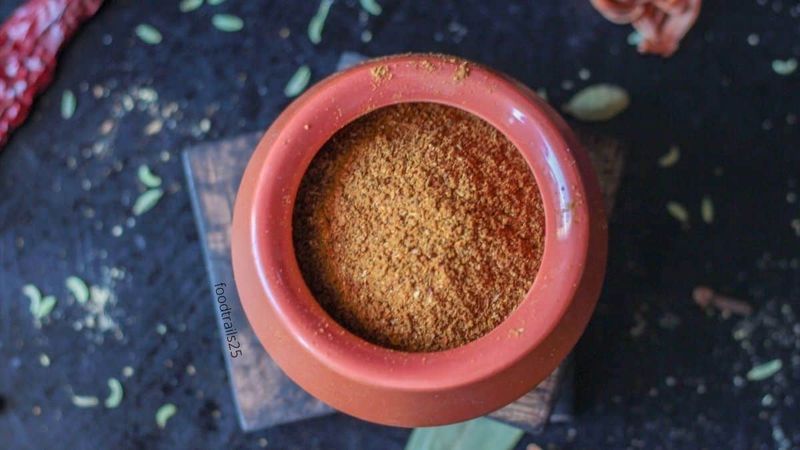
Floral, aromatic and complex, this regal blend transforms rice and meat into celebratory feasts. Rose petals and kewra (screwpine) essence give Hyderabadi versions their distinctive perfumed quality.
Every family guards their recipe fiercely. The spices are often simmered in ghee before use, releasing their essential oils for maximum flavour impact.
6. Madras Curry Powder
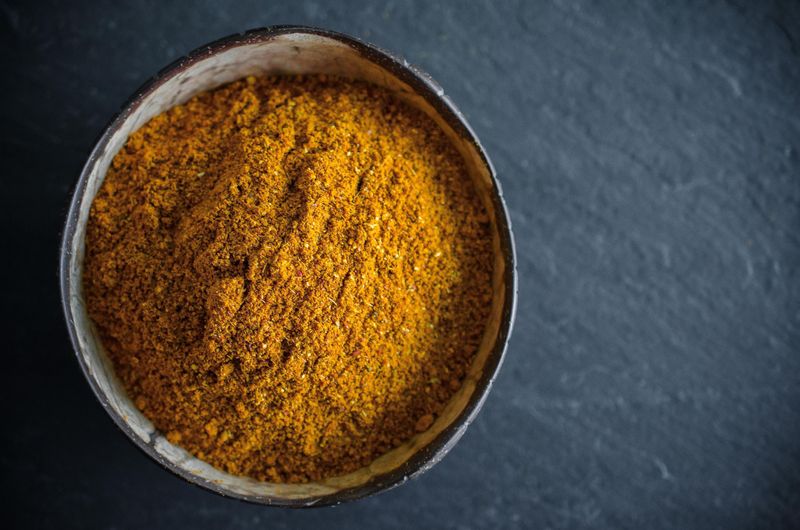
Hotter and more vibrant than standard curry powder, this South Indian-inspired blend packs serious punch. Developed during British colonial rule in Chennai (formerly Madras), it features more chillies and fewer sweet spices.
The characteristic red hue comes from abundant Kashmiri chillies. Unlike many Indian masalas, it often includes a touch of mustard powder for subtle pungency.
7. Vindaloo Masala
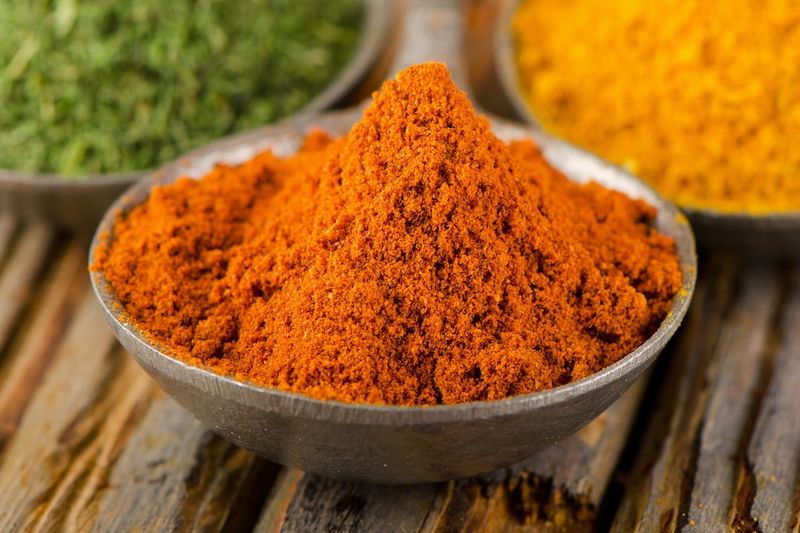
Portuguese influence meets Goan spice traditions in this fiery, tangy blend. Vinegar-preserved spices (vin d'alhos) inspired its name and distinctive sour-hot character.
Traditional versions include whole Kashmiri chillies, mustard seeds, and vinegar. Despite its fearsome reputation, authentic vindaloo isn't just about heat - it's the complex tanginess that makes it special.
8. Kitchen King Masala
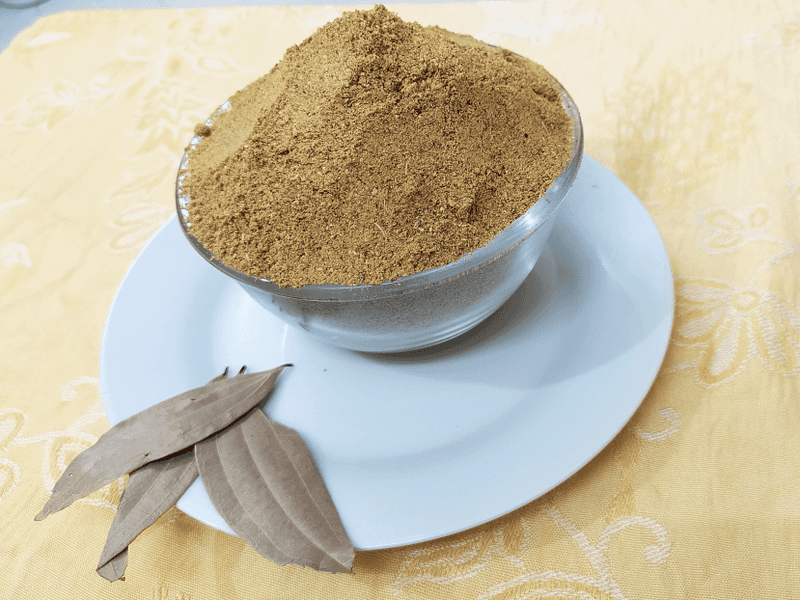
The versatile monarch of everyday cooking adds savoury depth to almost anything. Developed in the 1980s as an all-purpose blend, it contains a balanced mix of sweet, savoury and umami elements.
Dried fenugreek leaves (kasuri methi) give it a distinctive aroma. Sprinkle it on scrambled eggs, roasted potatoes, or even popcorn for an instant flavour upgrade.
9. Rasam Powder
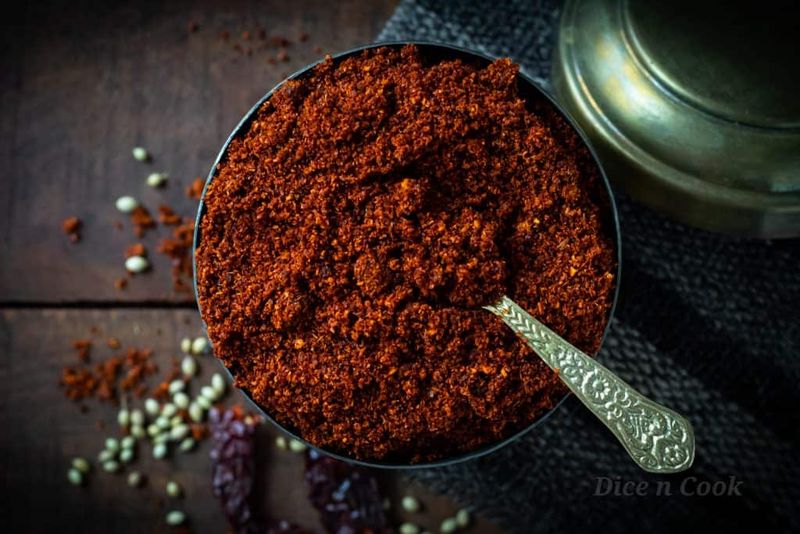
Light, peppery and citrusy, this South Indian blend creates soul-warming broths. Black pepper dominates while curry leaves add aromatic complexity.
Often prepared fresh rather than stored, the spices are dry-roasted until fragrant before grinding. During monsoon season, rasam becomes medicinal - the pepper and cumin combination is believed to ward off colds.