













Winter meals often lean toward comfort foods, yet colder months also highlight the importance of supporting the immune system through nutrition. Seasonal vegetables offer valuable vitamins, minerals, and antioxidants that help maintain everyday wellness.
February provides plenty of options that work well in soups, roasts, and hearty side dishes. Choosing a variety of colourful vegetables helps create balanced, satisfying meals that feel both nourishing and enjoyable.
This content is provided for general health awareness only and is not intended as medical or dietary advice. Nutritional needs vary between individuals, and consulting a qualified healthcare professional is recommended for personalised guidance.
1. Broccoli
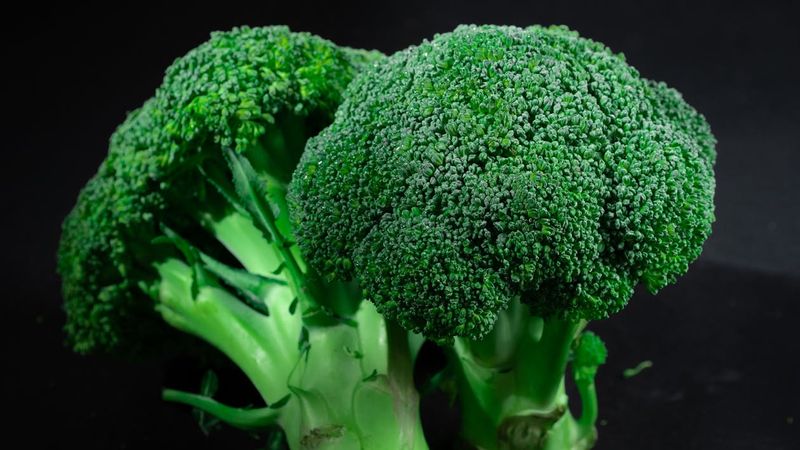
Few vegetables work harder in winter kitchens than broccoli. A single cup provides more than the recommended daily intake of vitamin C, which supports normal immune function.
It also contains sulforaphane, a plant compound studied for its protective properties. Light steaming helps retain nutrients, while roasting adds a satisfying crisp edge.
Even simple seasoning can turn it into a reliable, easy side dish.
2. Brussels Sprouts

These mini cabbages might have a bad reputation, but they're absolutely brilliant for your health. Brussels sprouts are loaded with vitamin K and antioxidants that help your body fight inflammation.
Roasting them brings out their natural sweetness and creates crispy outer leaves that are utterly delicious. Try tossing them with balsamic vinegar and honey for a caramelised finish that transforms these humble vegetables into something special.
3. Carrots
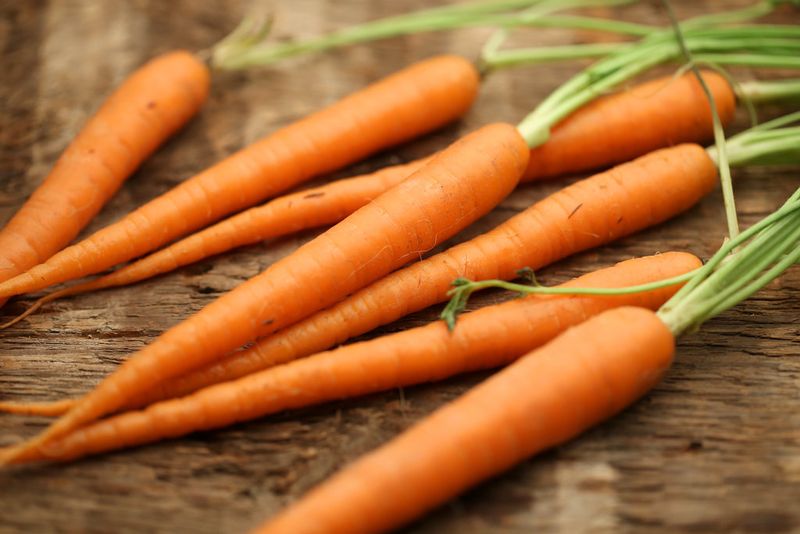
Bright and naturally sweet, carrots bring more to the table than just crunch. Beta-carotene gives them their colour, and the body converts it into vitamin A to support immune and skin health.
Raw slices make a convenient snack, yet gentle cooking can actually improve the absorption of certain nutrients. Roasting enhances their sweetness, while soups benefit from their subtle depth.
Familiar and affordable, they fit easily into everyday meals.
4. Spinach
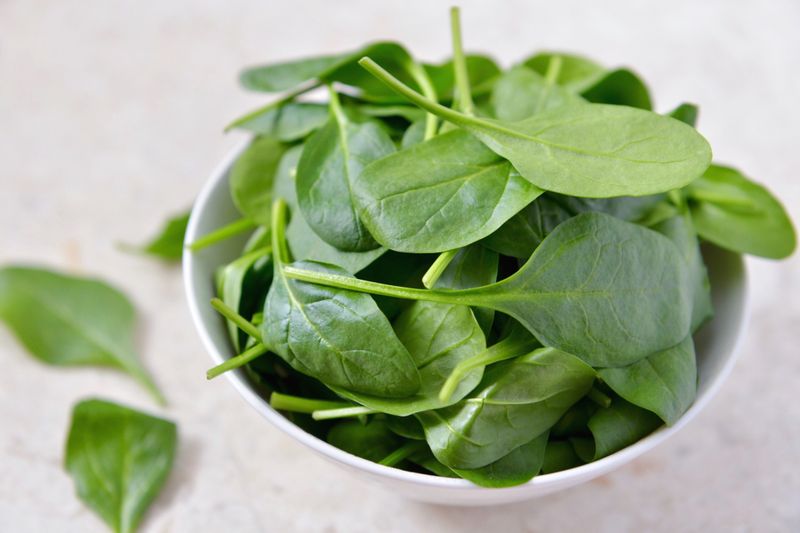
Spinach has a way of sneaking into meals without much fuss, quietly boosting nutrition while blending into familiar dishes. This leafy green provides folate, iron, and vitamins C and E, all working together to support normal immune function.
Cooking causes spinach to shrink dramatically, which makes it easy to add generous handfuls to pasta, curries, or omelettes. Its mild flavour helps it mix smoothly into recipes, often winning over even those who usually avoid greens.
5. Kale
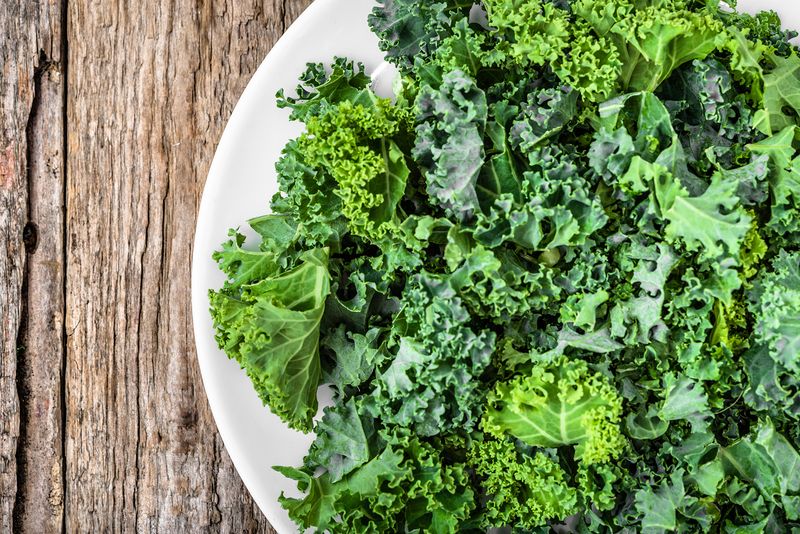
Often called a superfood, kale truly earns that title with its incredible nutrient density. It's bursting with vitamins A, C, and K, plus powerful antioxidants that protect your cells from damage.
Massaging raw kale with a bit of lemon juice and olive oil breaks down its tough fibres, making it perfect for salads. Alternatively, bake kale chips for a crispy, guilt-free snack that rivals any packet of crisps.
6. Red Peppers
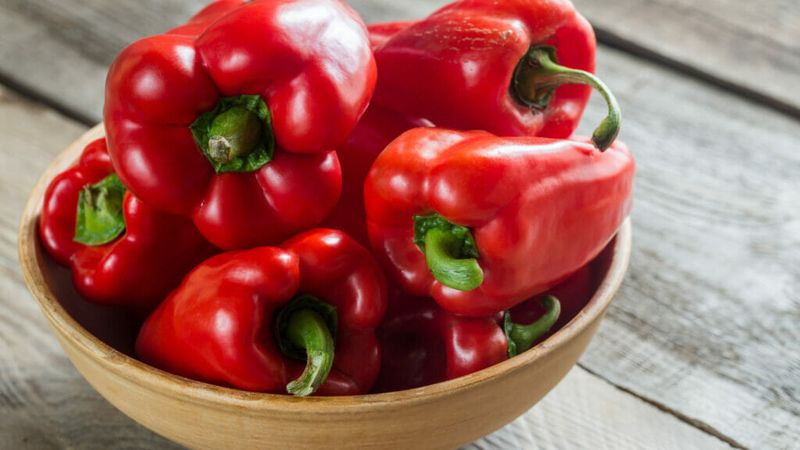
Red peppers stand out for both colour and nutrient value. Gram for gram, they often contain more vitamin C than oranges, making them a strong addition to winter dishes.
Their sweetness develops further when roasted, though they also work well sliced raw into salads or wraps. Carotenoids contribute to their vibrant colour and offer antioxidant support.
Keeping a few on hand makes adding extra nutrients to meals effortless.
7. Sweet Potatoes

Comfort food can still carry nutritional value, and sweet potatoes are a good example. Rich in beta-carotene and vitamin C, they support normal immune function while offering natural sweetness.
Baking brings out their soft texture, whereas roasting cubes creates lightly crisp edges. Their creamy consistency makes them ideal for mashing or blending into soups.
Balanced flavour and versatility help them earn a regular place in colder-month cooking.
8. Garlic
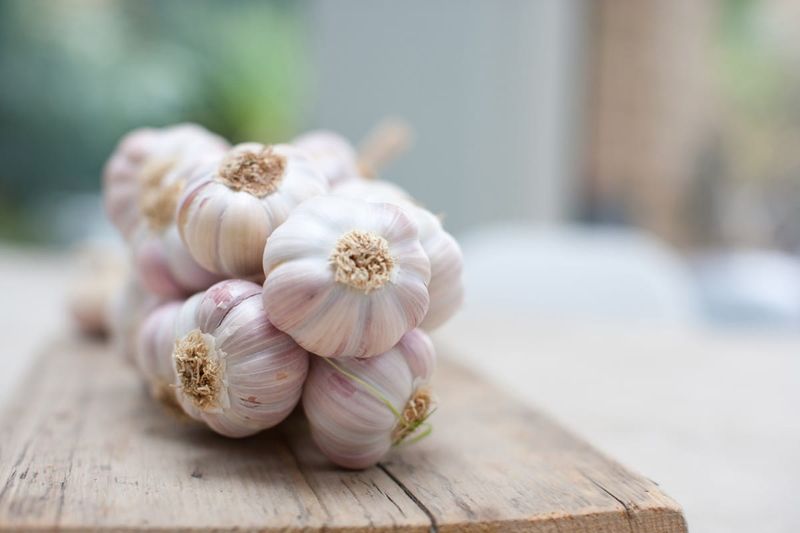
Crushing or chopping garlic releases allicin, a compound linked to its characteristic aroma and studied antimicrobial properties. Many traditional cuisines rely on it not only for flavour but also for its potential health-supporting qualities.
Allowing chopped cloves to rest briefly before cooking may help preserve some of these compounds. Gentle sautéing keeps the taste mellow rather than bitter.
Even small amounts can add depth to everyday dishes.
9. Leeks
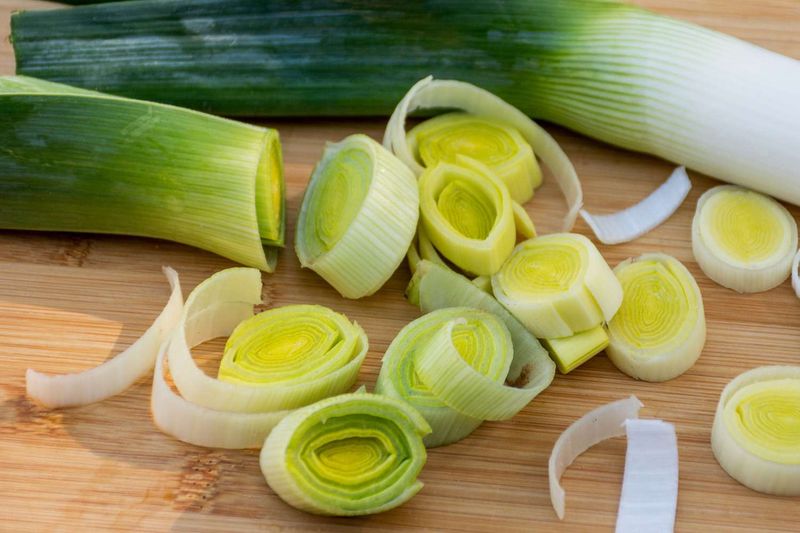
Often overlooked in favour of onions, leeks deserve more attention for their mild flavour and impressive health benefits. They're packed with vitamins A and K, plus prebiotics that feed the good bacteria in your gut.
Your gut health directly affects your immune system, making leeks a clever choice. Slice them thinly and add to soups, stir-fries, or quiches for a subtle, sweet onion flavour that's never overpowering.
10. Cabbage
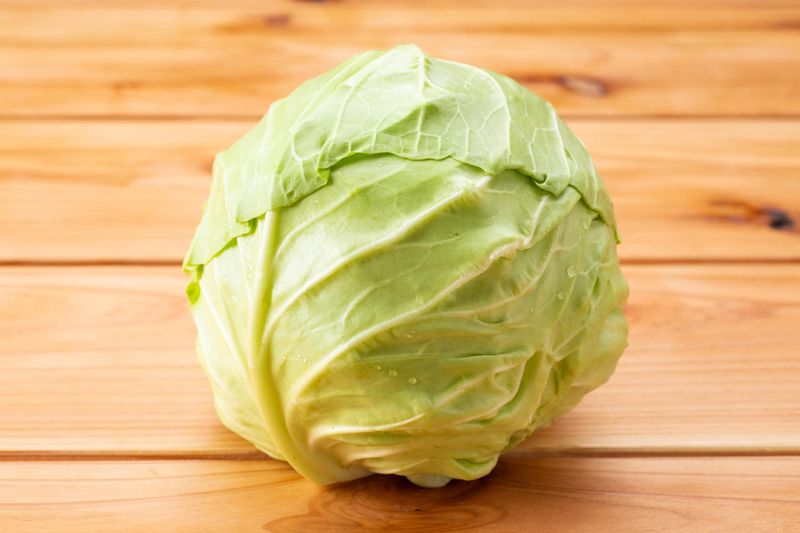
Reliable and budget-friendly, cabbage performs well throughout colder months thanks to its long storage life. It provides vitamin C and contains glucosinolates, plant compounds that researchers continue to study for their potential health roles.
Fermented versions such as sauerkraut introduce beneficial bacteria that support gut health. Shredded raw, braised slowly, or stir-fried quickly, it adapts easily to different cooking styles.
Few vegetables offer this level of flexibility at such an accessible price.



