













Sauces are the unsung heroes of cuisine, transforming ordinary dishes into extraordinary culinary experiences. From silky French classics to fiery North African pastes, these flavour-packed concoctions have fascinating histories and unique ingredients.
Let's explore these iconic sauces that have left their mark on dinner tables worldwide.
This list is for general information only. Recipes, flavours, and availability of sauces may differ depending on region and ingredients used.
1. Béchamel (France)
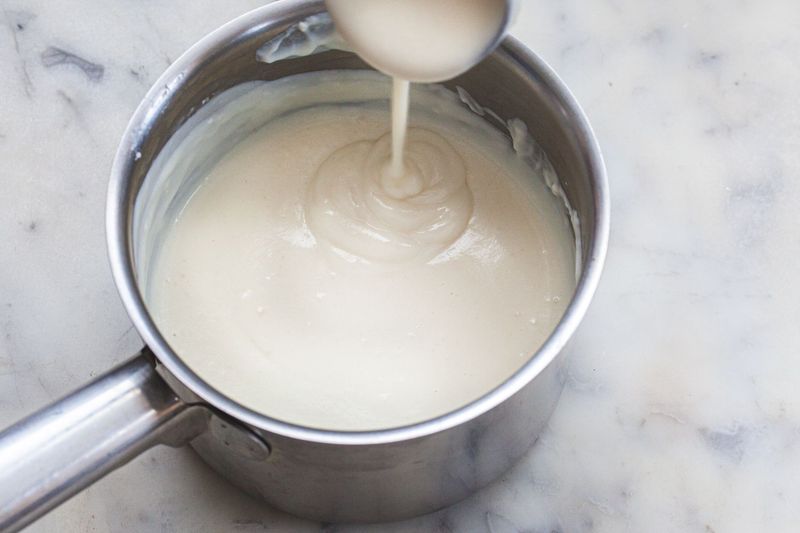
The mother of all French sauces, dating back to the 17th century. Named after Louis de Béchamel, a steward to King Louis XIV, though Italian chefs claim they invented it first!
This velvety white sauce combines butter, flour and milk into a creamy base for countless dishes. Essential for proper lasagne, croque monsieur, and traditional Greek moussaka.
2. Pesto (Italy)
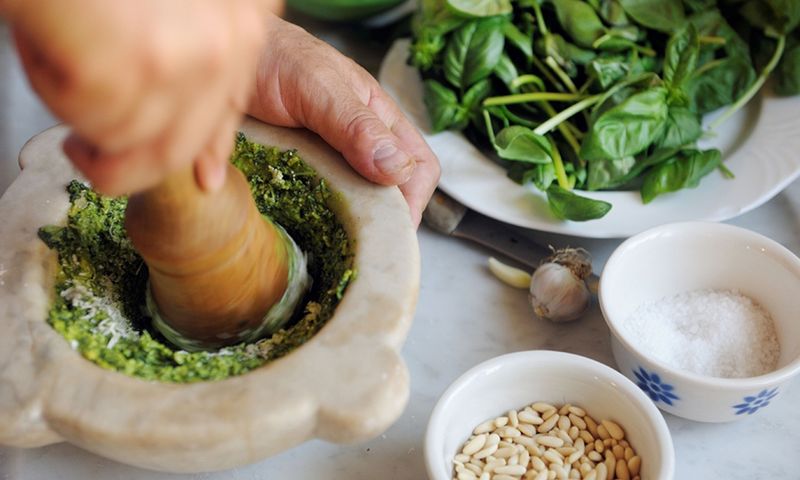
Bright green and bursting with flavour, authentic pesto originated in Genoa during the 16th century. Locals would pound basil, pine nuts, garlic, Parmesan and olive oil with a mortar and pestle (hence the name "pesto" – to pound).
Regional variations exist throughout Italy, using different herbs and nuts. The best pesto uses young Genovese basil leaves picked before flowering.
3. Salsa Roja (Mexico)
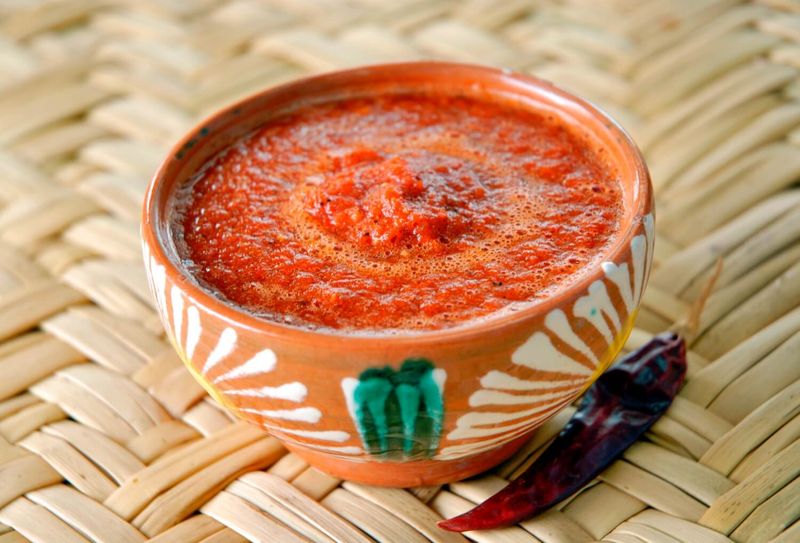
Vibrant and versatile, this Mexican red sauce predates European arrival to the Americas. Indigenous peoples created early versions using native tomatoes, chillies and herbs ground on volcanic stone tools called molcajetes.
Modern salsa roja typically combines roasted tomatoes, onions, garlic and chillies. Every family has their own recipe, varying in heat from mild to eye-wateringly spicy, depending on the chillies used.
4. Soy Sauce (China/Japan)
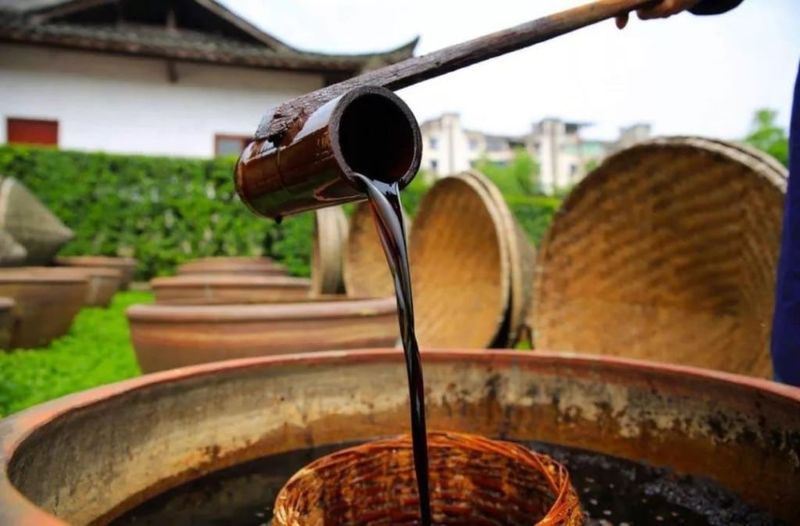
Ancient condiment with over 2,200 years of history! Originally created in China as a way to stretch salt supplies, soy sauce spread throughout East Asia, evolving unique regional varieties.
Traditional brewing takes months, fermenting soybeans, wheat, salt and koji mould. Japanese shoyu tends to be sweeter and thinner than Chinese varieties. Premium artisanal versions can age for years, developing complex flavours like fine wine.
5. Chimichurri (Argentina)
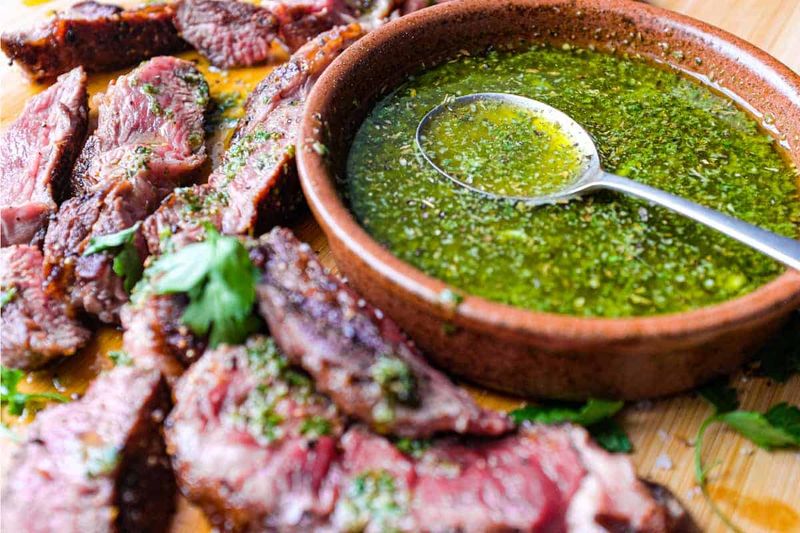
Tangy, herbaceous and utterly addictive on grilled meats. Legend claims the name comes from "Jimmy McCurry", a British meat trader who created it, though Argentinians rightfully dispute this tale!
Fresh parsley, oregano, garlic and vinegar give this uncooked sauce its distinctive punch. Gauchos (Argentine cowboys) carried chimichurri ingredients during cattle drives, mixing fresh batches to enliven their campfire-cooked steaks.
6. Tahini (Middle East)
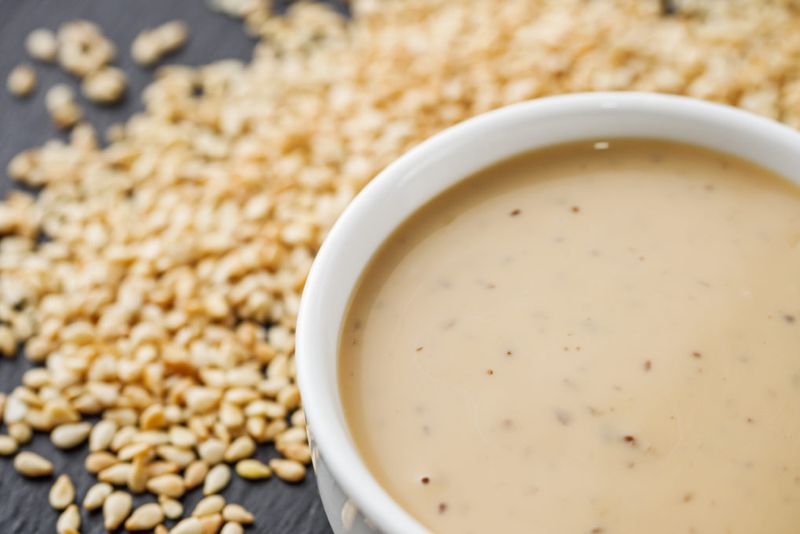
Smooth, nutty and surprisingly ancient – tahini appears in recipes dating back 4,000 years! This Middle Eastern staple is simply toasted sesame seeds ground into a creamy paste.
Beyond being hummus's essential ingredient, tahini stars in countless dishes from halva to baba ganoush. Quality varies dramatically – the best comes from Ethiopian sesame seeds, stone-ground to preserve their naturally sweet, complex flavour.
7. Curry Sauce (India/UK)
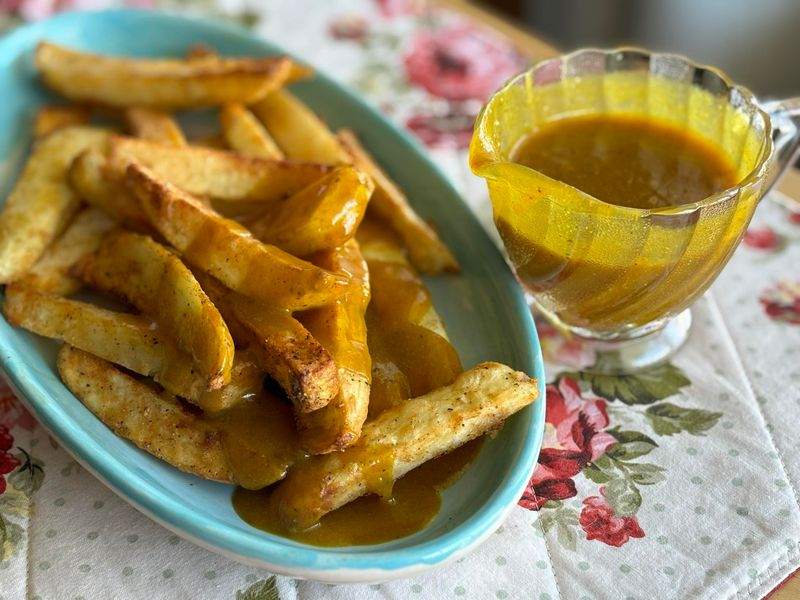
Not actually Indian! The British concept of "curry sauce" emerged during colonial rule as a simplified adaptation of complex Indian gravy dishes.
This Anglo-Indian creation typically contains onions, curry powder, flour and stock. Chip shop curry sauce became a British takeaway classic in the 1970s. Meanwhile, authentic Indian cuisine features countless regional gravies with distinct spice profiles, rarely using pre-mixed "curry powder".
8. Teriyaki (Japan)
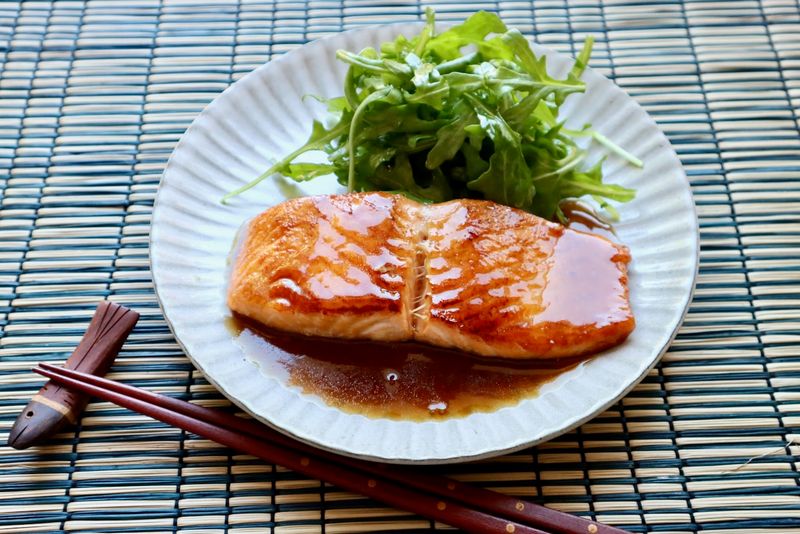
Glossy, sweet-savoury perfection created through an ancient Japanese cooking technique. The name itself describes the method – "teri" (shine) and "yaki" (grilled) – referring to the lacquered appearance.
Traditional teriyaki combines just four ingredients: soy sauce, mirin, sake and sugar. American versions often add garlic, ginger and thickeners. In Japan, it's primarily used for fish, while Western adaptations commonly feature chicken.
9. Harissa (North Africa)
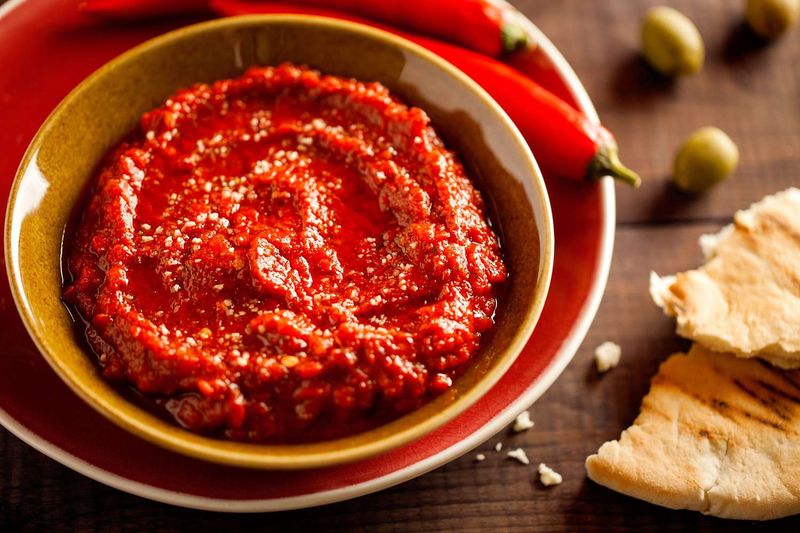
Fiery red paste that's been adding heat to North African dishes for centuries. Tunisian cooks claim it as their national condiment, though Morocco and Algeria have their own beloved versions.
Roasted red peppers, chillies, garlic, olive oil and aromatic spices create its complex flavour profile. Traditionally, ingredients were ground by hand and preserved in clay pots with olive oil. Modern harissa might include ingredients like rose petals or preserved lemons.
10. Hollandaise (France)
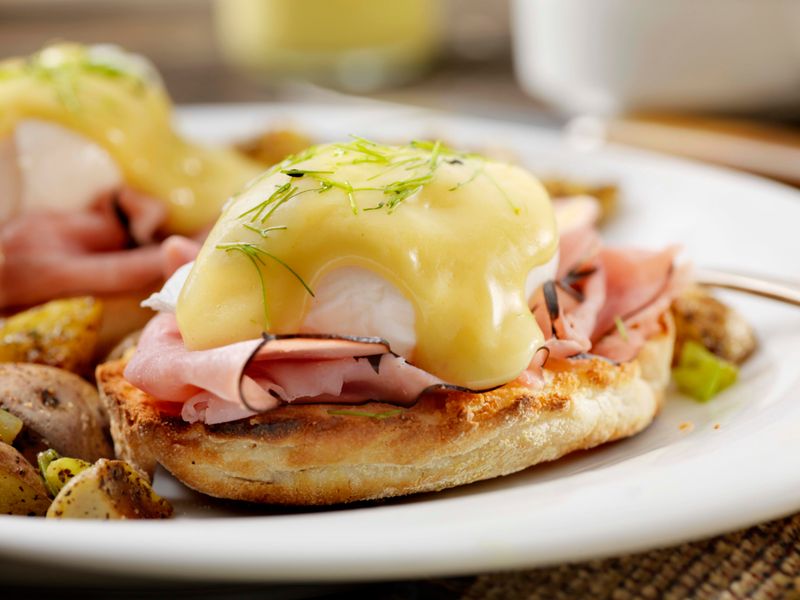
Luxuriously rich and notoriously temperamental to prepare. Despite its name suggesting Dutch origins, Hollandaise is quintessentially French, first appearing in culinary texts around 1651.
Made by slowly whisking clarified butter into egg yolks with lemon juice, creating a velvety emulsion. The trickiest of the five "mother sauces" in French cuisine, it's famous for breaking (separating) if not handled with care. The cornerstone of Eggs Benedict.



