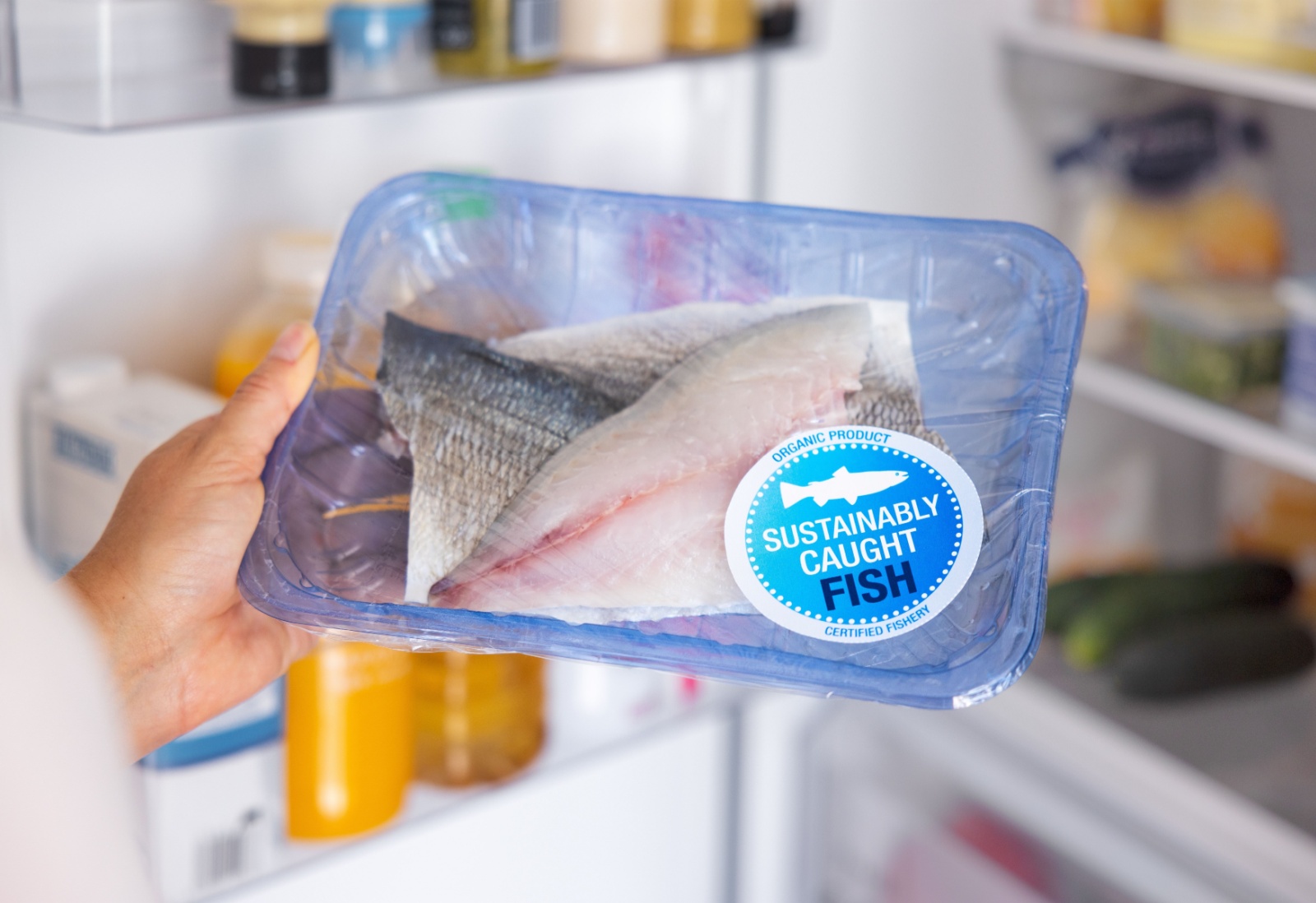










Keeping fish and meat fresh in the fridge isn’t just about taste: it’s also about safety. Storing them the right way means you’ll get the best flavour, avoid waste, and reduce the risk of food-borne illness. A few simple habits can make all the difference to how long your food lasts and how good it is when you cook it.
These tips are based on what’s worked well for us in our kitchens over the years, combined with widely accepted food safety guidance.
Know Your Fridge’s Coldest Spot
Most fridges have slightly different temperatures in different areas. Fish and meat should go in the coldest part: usually the bottom shelf, right at the back.
This keeps them at a consistent temperature and away from warm air that rushes in when you open the door. For extra accuracy, you can pop a fridge thermometer in there and aim for 0–4°C.
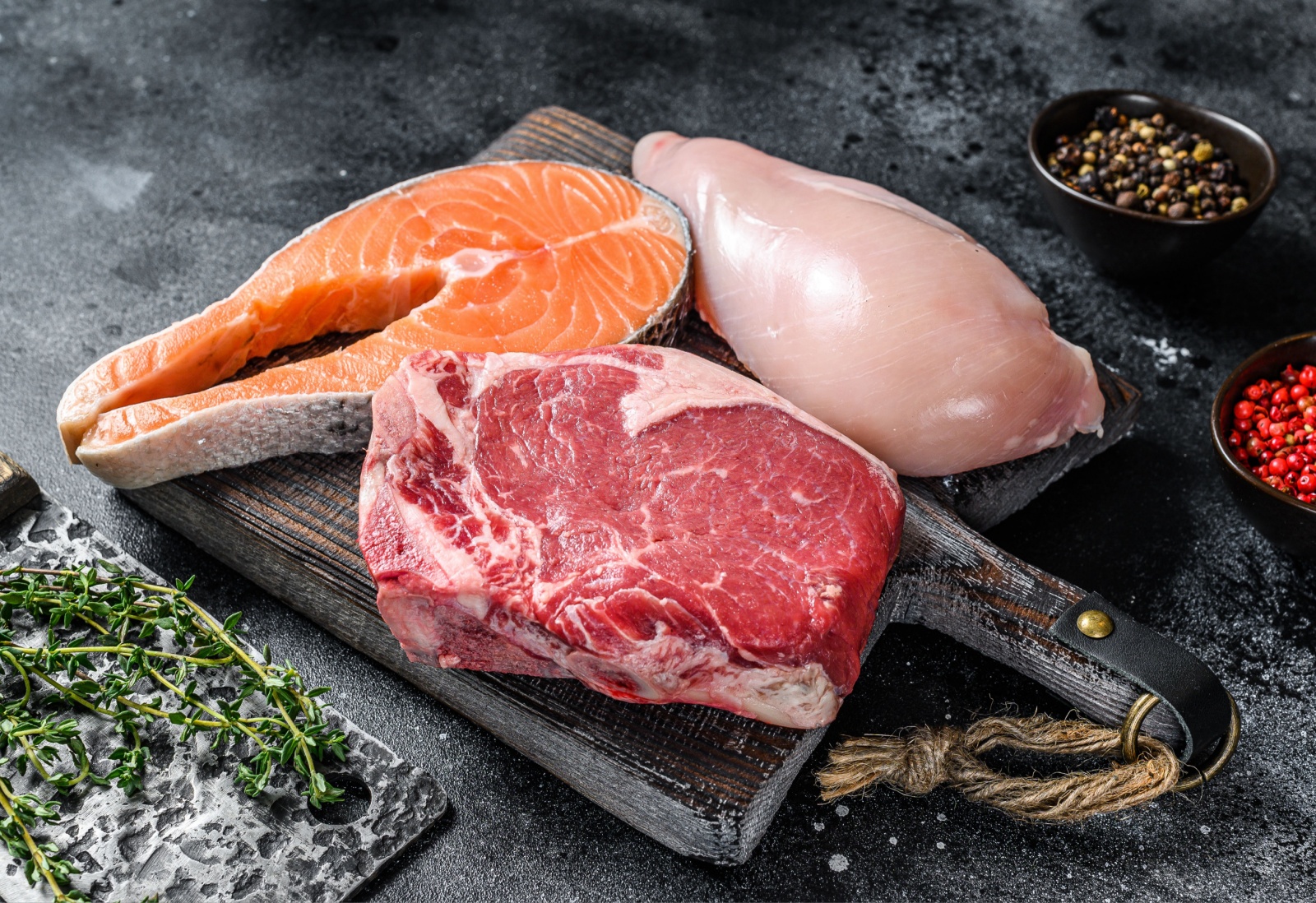
Keep Raw Separate From Ready-To-Eat
One golden rule: raw meat or fish should never be stored above cooked food, dairy, or produce. If juices drip down, they can contaminate whatever’s underneath.
Use a clean, sealed container or wrap them securely in cling film to avoid leaks. Not only does this keep things safe, it also helps prevent smells from drifting into other foods.
Use Within The Right Timeframe
Fresh fish is best eaten within one to two days of buying: any longer and the texture and flavour start to go downhill.
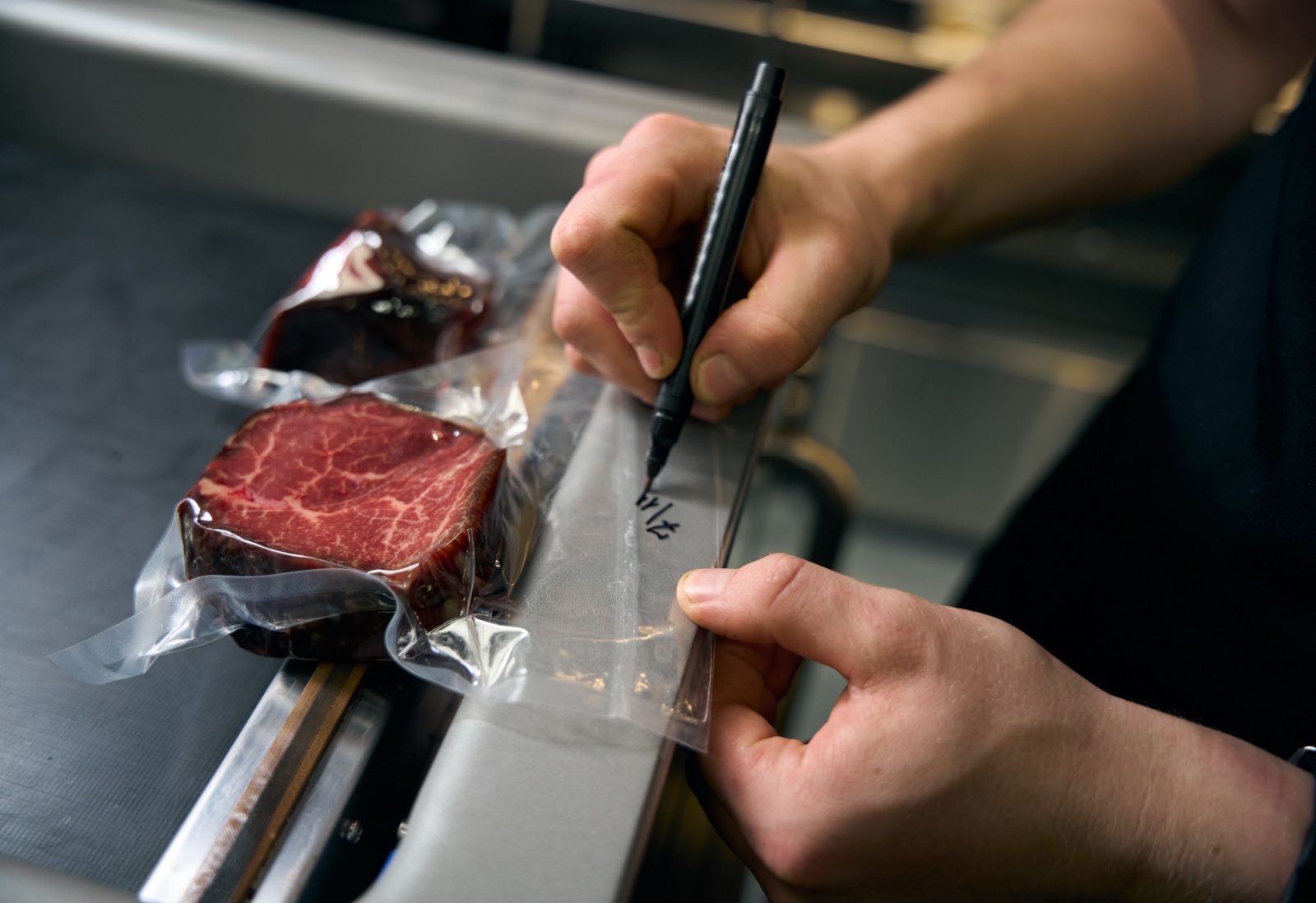
Most raw meats will last three to five days in the fridge, depending on the cut and packaging. If you’re not going to use them in time, freezing is your best friend. Just label with the date so you remember when you put it away.
Don’t Rely Solely On “Use By” Dates
While “use by” dates are important, storage conditions can affect how long fish and meat actually stay fresh. If something smells off, feels slimy, or looks discoloured, it’s best to bin it. Trusting your senses is just as important as reading the packaging.
The Pay-Off Of Proper Storage
Getting into the habit of storing fish and meat properly means fewer trips to the shop, less waste, and safer, better-tasting meals. It’s a small effort that pays off every time you open the fridge and find your ingredients ready to go.