













A well organised storecupboard supports flexible meal planning and reduces reliance on last minute shopping. Keeping a reliable selection of dry goods, tinned items, and long life ingredients makes it easier to prepare a wide range of meals with minimal preparation.
Thoughtful stocking also helps improve consistency in cooking and supports better use of fresh ingredients already at home. Understanding which staples offer the most versatility provides a practical foundation for everyday home cooking.
All information is provided for general information only. Taste, appearance, and availability may vary.
Photos are for illustrative purposes only.
Core Dry Goods And Grains
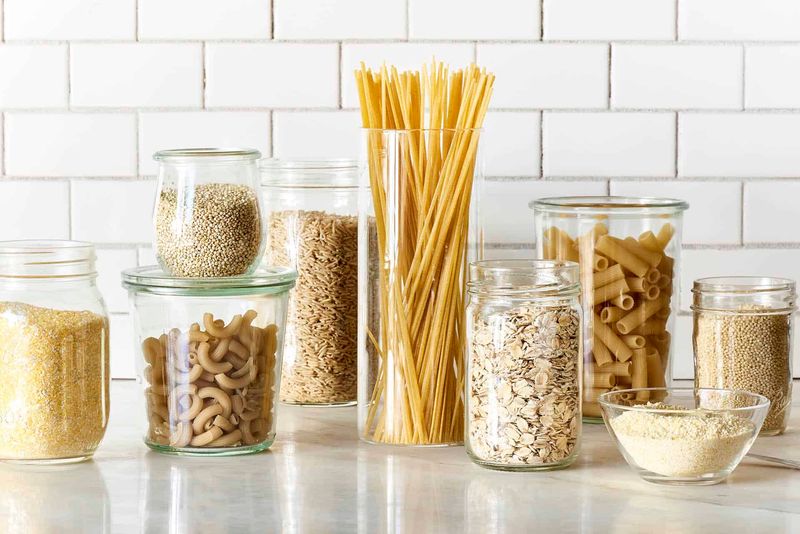
Grains are the backbone of countless meals, from a simple bowl of rice to a hearty pasta bake. Stock up on a variety like basmati, brown rice, and a couple of pasta shapes – spaghetti and penne cover most bases.
Couscous cooks in minutes and quinoa adds a protein boost when you need it.
These ingredients are brilliant because they last ages and can stretch a meal when you're feeding a crowd. Plus, they soak up flavours beautifully, making them the perfect canvas for whatever sauce or seasoning you've got knocking about.
Tinned And Jarred Essentials
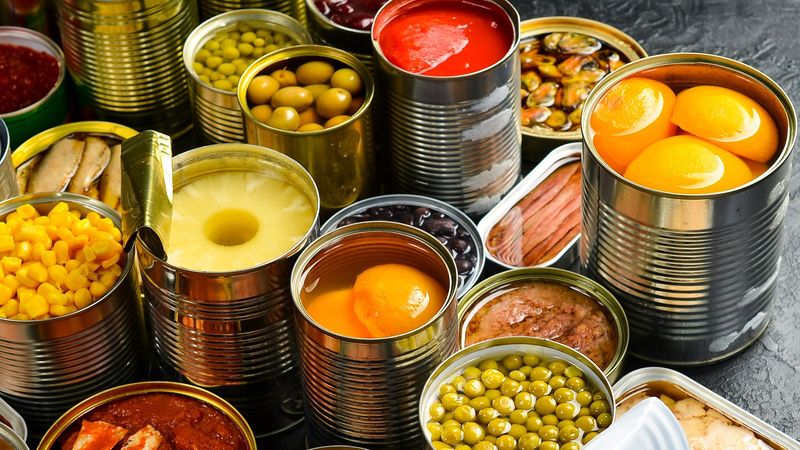
Tins and jars are absolute lifesavers when you need a quick meal but haven't been to the shops. Chopped tomatoes, chickpeas, kidney beans, and sweetcorn are endlessly versatile – think curries, stews, soups, and salads.
Tinned fish like tuna or mackerel can be turned into a sandwich filling or stirred through pasta in seconds.
The beauty of these is they sit happily in your cupboard for months. They also mean you've always got a protein or veg option ready to go, no matter how bare the fridge gets.
Oils, Vinegars, And Condiments
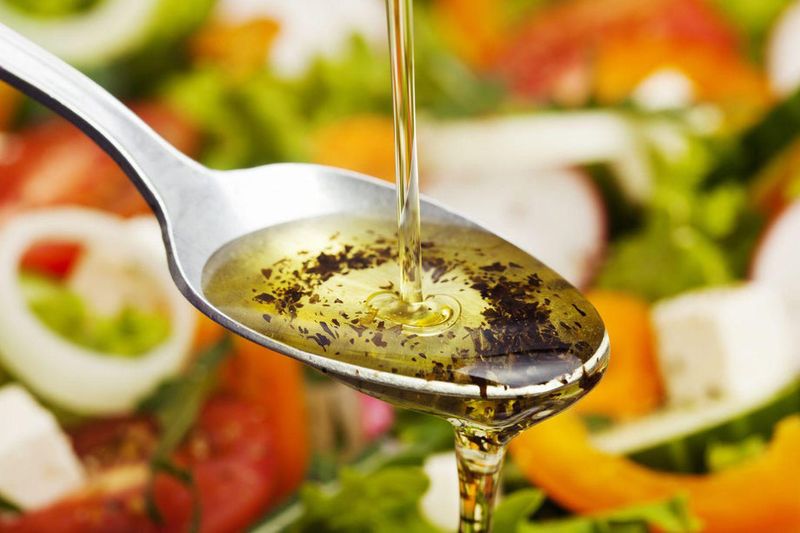
Good quality olive oil is non-negotiable for dressings and gentle cooking, whilst a neutral oil like sunflower or rapeseed handles higher heat without a fuss.
Vinegars – balsamic, red or white wine, and apple cider – bring brightness and balance to dishes, cutting through richness beautifully.
Don't forget the condiments: mustard, ketchup, soy sauce, and a decent hot sauce can transform even the plainest meal. These flavour boosters take up minimal space but punch well above their weight when it comes to adding character to your cooking.
Herbs, Spices, And Seasonings
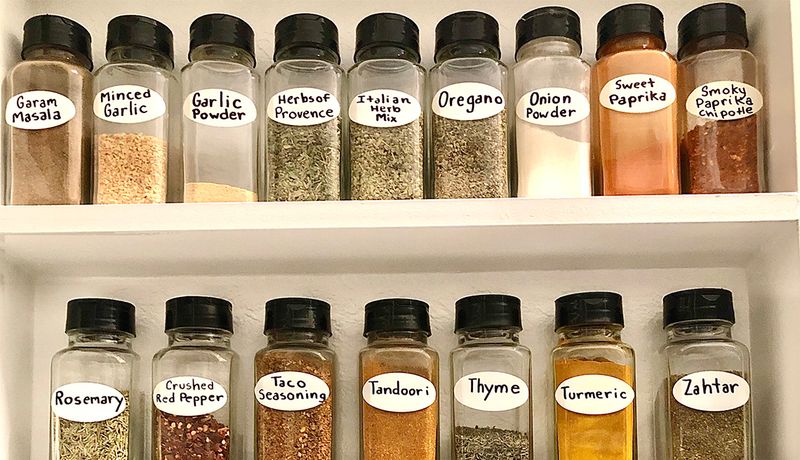
Spices are where the magic happens – they can transport a simple dish from dull to delicious with just a pinch. Keep basics like cumin, paprika, turmeric, chilli flakes, and cinnamon close at hand.
Dried herbs such as oregano, thyme, basil, and rosemary are brilliant standbys when fresh isn't an option.
Salt and black pepper are obvious must-haves, but consider adding garlic granules and onion powder too. A well-stocked spice rack means you can experiment with flavours from around the world without needing a massive shopping trip.
Baking Basics And Sweet Staples
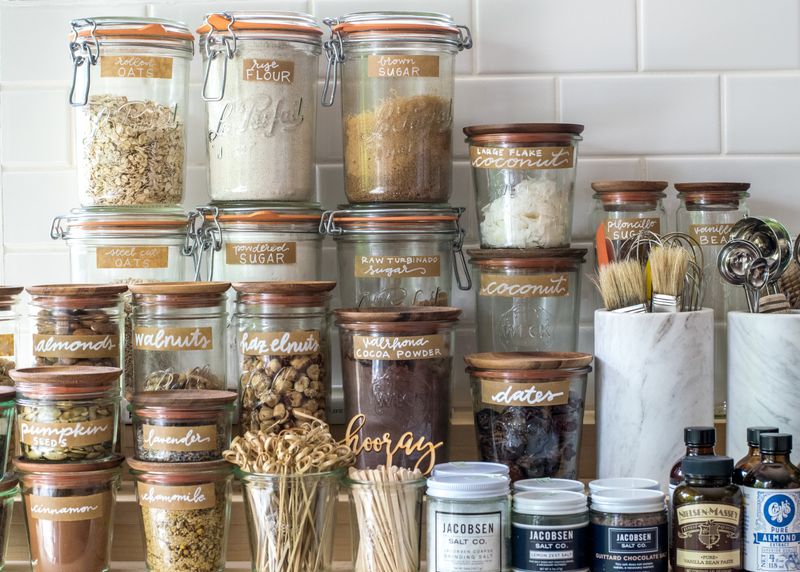
Even if you're not a keen baker, having plain and self-raising flour, caster and brown sugar, and baking powder means you can knock up pancakes, scones, or a quick cake when the mood strikes.
Cocoa powder and vanilla extract add depth and warmth to sweet treats without much effort.
Honey, golden syrup, and jam are handy for breakfast spreads, sweetening porridge, or glazing roasted veg. These staples don't just cover puddings – they're surprisingly useful in savoury cooking too, adding subtle sweetness and balance to sauces and marinades.
Long Life Proteins And Alternatives
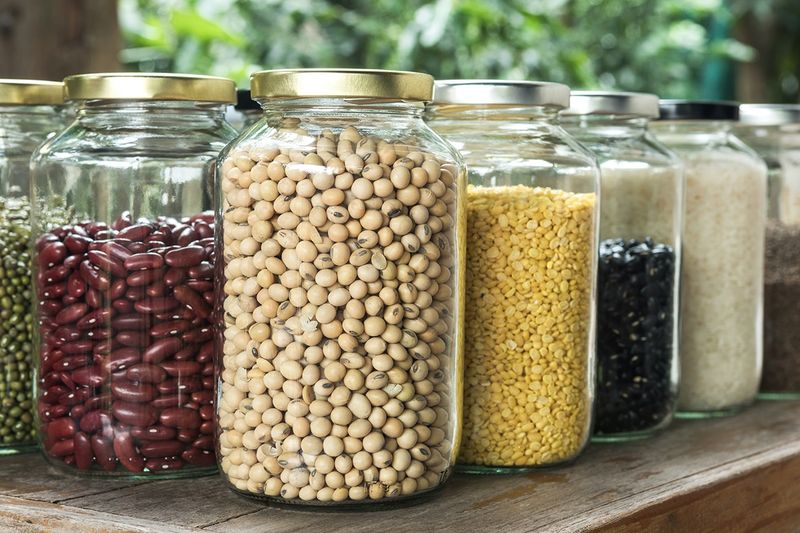
Keeping long-life proteins on hand ensures you've always got something substantial to build a meal around. Tinned beans and lentils are brilliant plant-based options that work in everything from salads to soups.
Dried lentils and chickpeas are even cheaper and just need a bit of forward planning.
Tinned fish – mackerel, sardines, or salmon – offers omega-rich protein that's ready in moments. Nut butters like peanut or almond butter also count as protein sources and double up as spreads, smoothie additions, or sauce bases for Asian-inspired dishes.
Storage And Organisation Tips
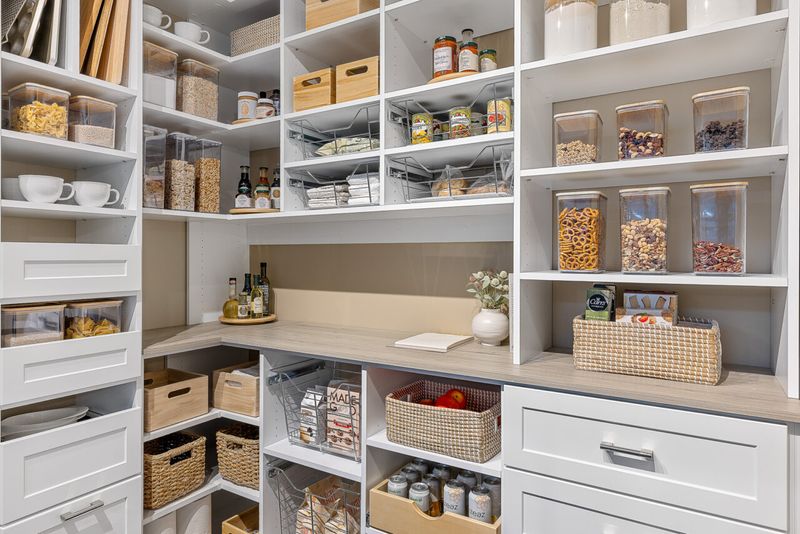
Proper storage keeps your ingredients fresh and makes finding things a doddle. Invest in airtight containers for opened packets of grains, pasta, and flour – they keep pests out and stop things going stale.
Clear containers are especially handy because you can see at a glance what needs topping up.
Group similar items together: all your baking bits in one spot, spices in another, tins somewhere accessible. Label everything with the name and date if you're feeling keen.
A tidy storecupboard saves time, reduces waste, and makes cooking far less stressful.
Rotation And Expiry Management
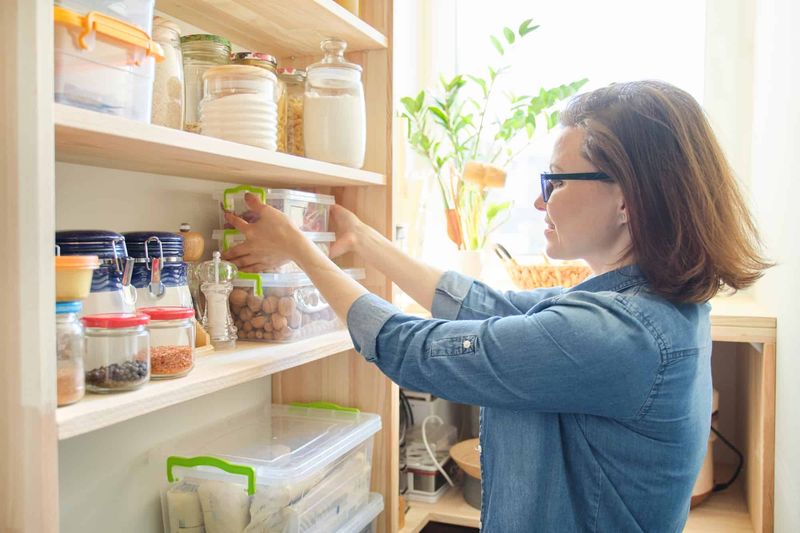
Nobody wants to discover a tin of chickpeas that expired two years ago lurking at the back of the cupboard. Get into the habit of moving older items to the front when you restock, so you use them first.
Check dates every few months and make a plan to use up anything approaching its best before.
Most dried goods and tins last well beyond their dates if stored properly, but it's still worth keeping an eye on things. A quick monthly audit prevents waste and ensures you're always cooking with ingredients at their best.
Building Flexibility For Meal Planning
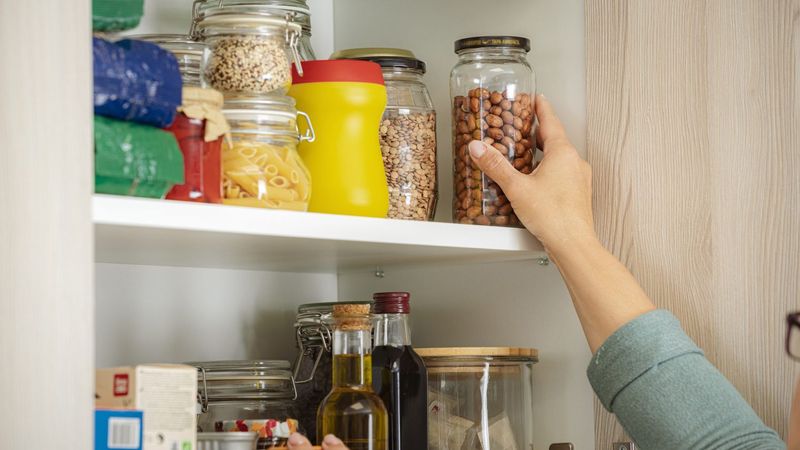
A balanced storecupboard gives you the freedom to throw together meals without rigid recipes or last-minute dashes to the shops.
When you've got grains, proteins, tins, and seasonings sorted, you can adapt to whatever fresh ingredients come your way – or work around what you've already got in.
This flexibility is brilliant for busy weeks or when budgets are tight. You're not locked into specific meal plans, and you can easily swap ingredients based on what's available.
It takes the stress out of cooking and puts creativity back on the menu.



