













There’s something deeply satisfying about picking your own basil for pasta or snipping fresh chives for scrambled eggs, even if they’re growing in a pot the size of a cereal bowl. A small balcony can suddenly feel like valuable growing space once you realise it could hold cherry tomatoes, chillies or even a pot of strawberries. City living doesn’t mean giving up on homegrown food.
Starting a balcony fruit, veg or herb garden is less about square footage and more about smart decisions. Light, containers, compost and crop selection matter far more than how big the space looks on paper.
With the right setup, even a slim railing can turn into a productive growing zone. And once you spot the first edible leaves or tiny forming fruits, that “small” balcony starts feeling like a proper kitchen garden.
Growing conditions vary by climate and building regulations. Check sunlight exposure and safety guidelines before installing containers or rail planters.
1. Assess Your Sunlight
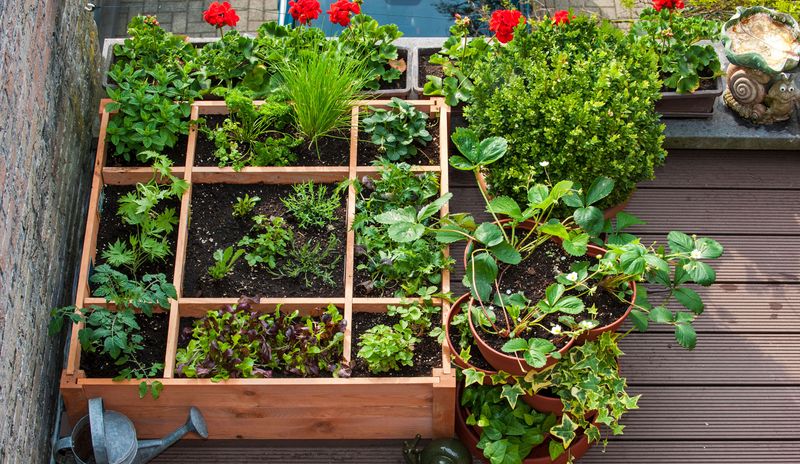
Before buying a single vegetable plant or herb seedling, spend a week noticing how the light behaves on your balcony at different times of day. Check where direct sun hits, where it turns into bright shade, and which corners stay dim because of nearby buildings or trees.
That quick little light check tells you what edible crops will genuinely thrive. Sun-loving food plants like tomatoes and peppers need the brightest spots, while leafy greens and certain herbs can manage well in gentler light.
Once you’ve mapped it, choosing what to grow for your kitchen feels much easier and far less like guesswork.
2. Choose The Right Containers
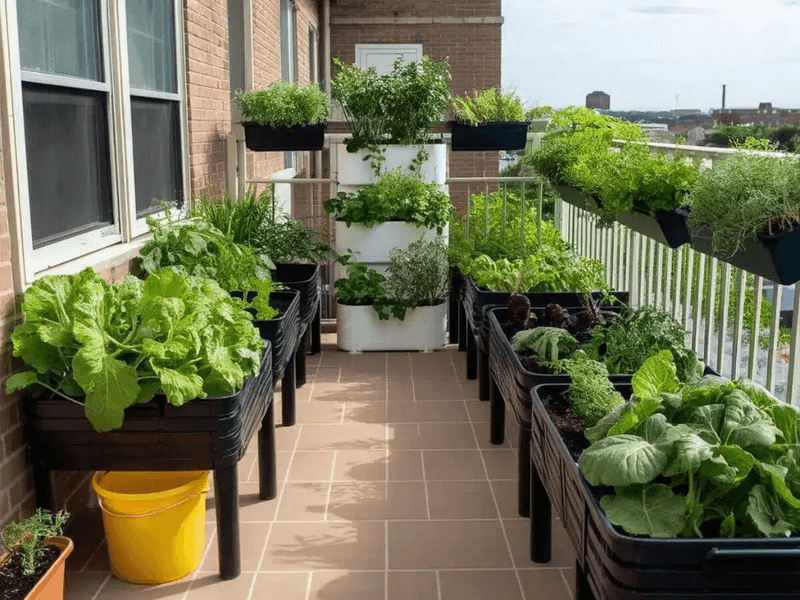
Plastic pots stay lightweight and help retain moisture, making them practical for growing vegetables and herbs in small spaces. Fabric grow bags offer excellent drainage and air flow, though they dry out faster during warm spells.
Terracotta looks classic but weighs more and requires frequent watering, especially for thirsty crops. Match container depth to the crop: herbs manage in smaller pots, while tomatoes and peppers need at least 30 centimetres of depth.
Self-watering planters can be especially helpful when growing fruiting plants that need consistent moisture.
3. Use High-Quality Potting Compost
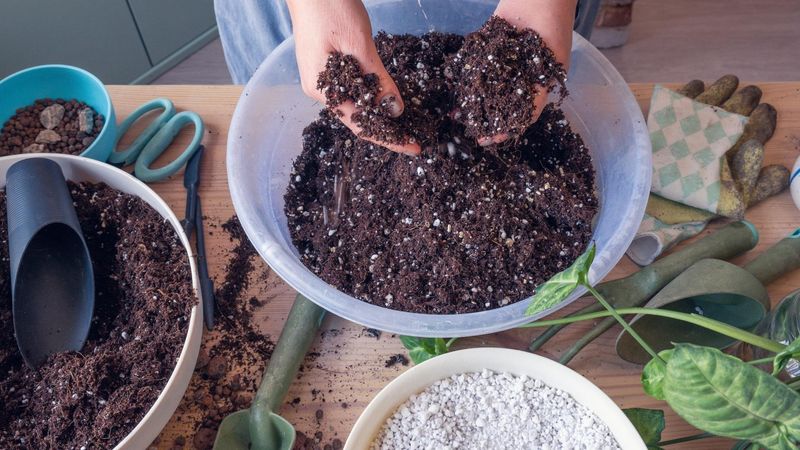
Garden soil compacts in containers and restricts root growth, which isn’t ideal for vegetables or herbs. Good-quality potting compost stays light and airy, giving roots space to spread and access oxygen.
Choose compost formulated for edible crops, ideally peat-free and enriched with nutrients. If you’re growing Mediterranean herbs like rosemary or thyme, mix in perlite for better drainage.
Healthy roots mean better harvests, so this is one area worth getting right.
4. Check Weight Limits And Drainage
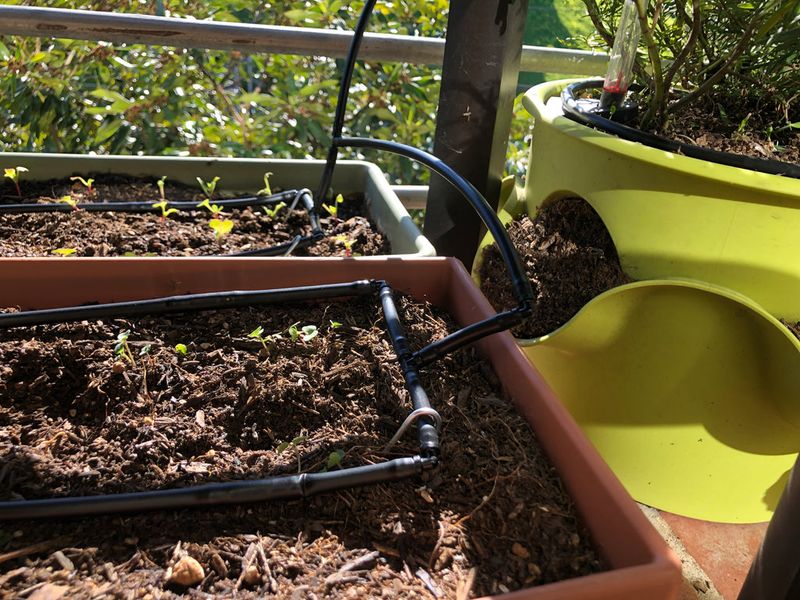
Your balcony has weight restrictions set by building regulations, and containers filled with damp compost and vegetable plants get heavy fast. Contact your landlord or building management to confirm load limits before filling pots with soil, water and food crops.
Proper drainage prevents water seeping onto neighbours below and keeps roots healthy. Always use containers with drainage holes, and place trays underneath to catch excess water.
Position heavier pots of fruiting plants near walls or structural supports where weight is distributed more safely.
5. Grow Plants Suited To Your Climate
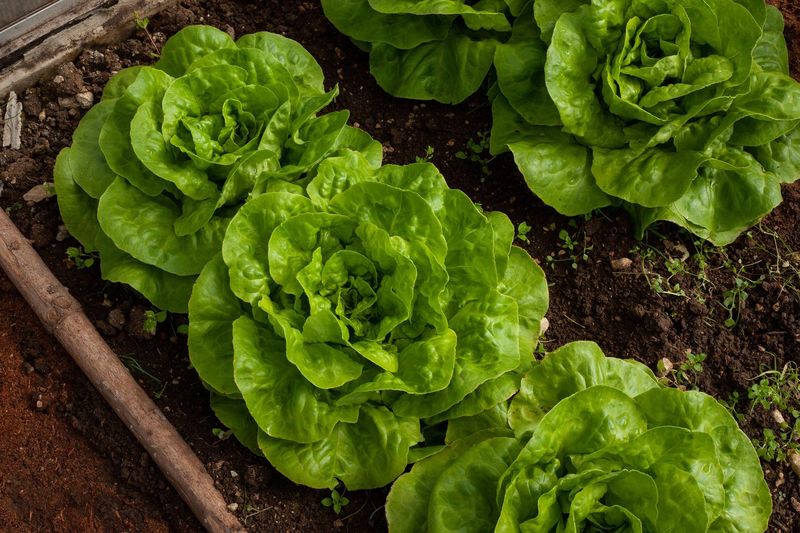
Balconies can feel warmer, windier or cooler than ground-level gardens depending on their position. Choose vegetables, fruits and herbs that naturally cope with your local weather instead of constantly battling the elements.
Hardy salad leaves and certain herbs handle British conditions well, while tender crops like chillies may need protection when temperatures dip. Check plant tags or seed packets for temperature guidance before planting.
The closer your crops match the climate, the easier your growing season will be.
6. Start With Easy-Care Herbs
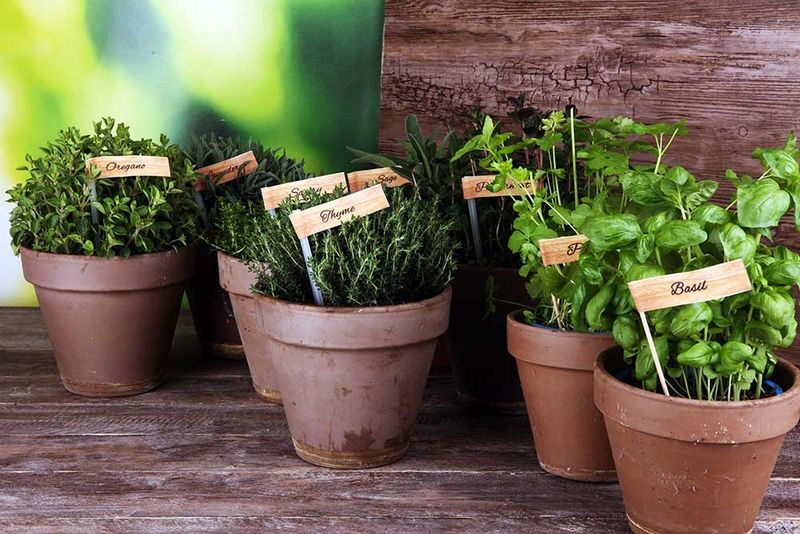
Herbs are often the easiest way to begin growing edible plants on a balcony. Basil, mint, parsley and chives grow quickly and reward you with usable leaves within weeks.
They’re forgiving if you miss a watering or two, making them perfect for beginners. Regular harvesting encourages bushier growth and keeps flavours strong.
Keep mint in its own pot unless you want it spreading enthusiastically into nearby containers.
7. Consider Vertical Gardening
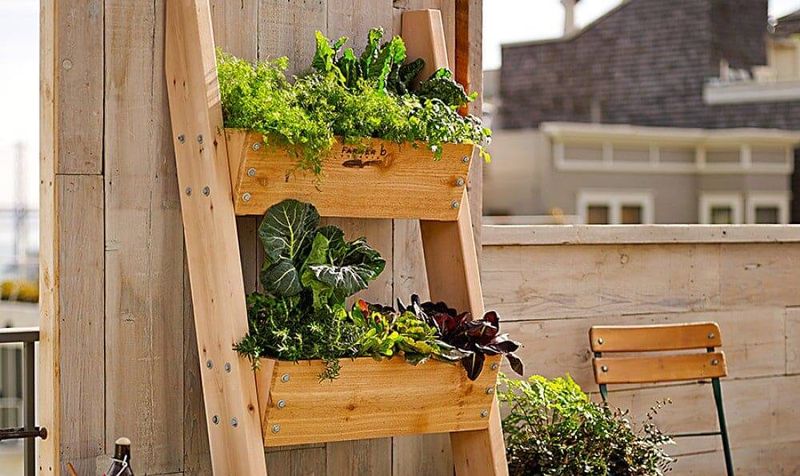
If floor space is limited, grow upwards with edible crops. Wall-mounted planters and hanging baskets allow you to grow strawberries, tumbling tomatoes or trailing herbs without crowding the balcony floor.
Climbing beans, peas and cucumbers can grow up trellises, turning vertical space into productive food-growing territory.
Stackable planters also let you grow multiple salad greens in a surprisingly small footprint.
8. Use Rail Planters Safely
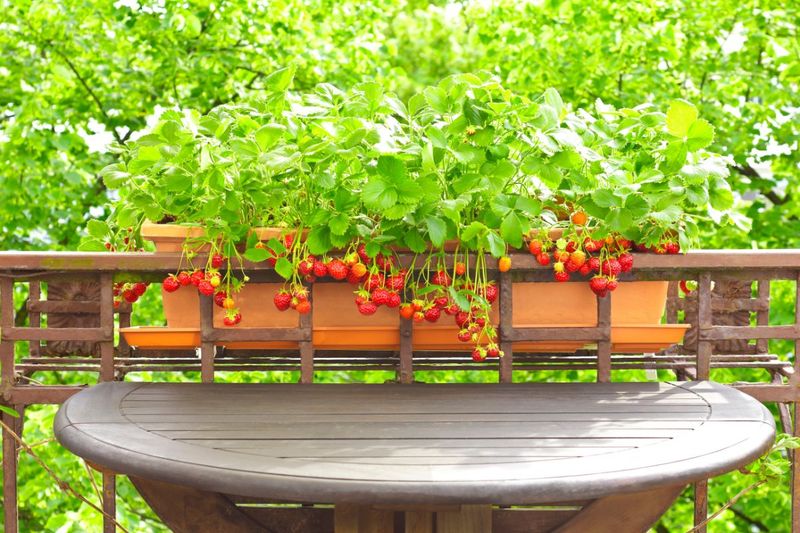
Rail planters can be ideal for growing compact herbs and salad leaves, but safety must come first. Ensure brackets fit securely and can handle the weight of wet compost and mature plants.
Avoid placing planters on the outside of railings where they could fall. Check fittings regularly, especially after heavy rain or strong winds.
Always confirm building rules before attaching anything permanently.
9. Water Consistently But Carefully
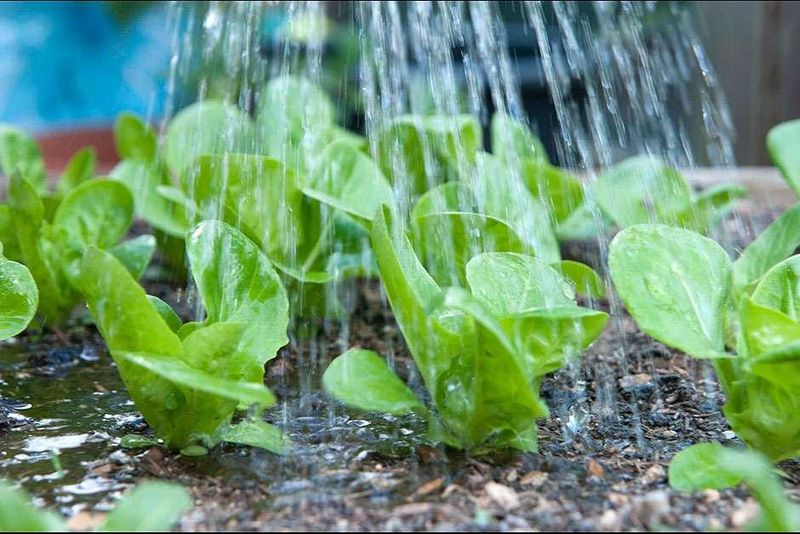
Vegetables and fruit grown in containers dry out faster than those planted in the ground. Check compost daily during warm weather by feeling the top few centimetres.
Water thoroughly so moisture reaches the roots rather than just dampening the surface. Morning watering helps reduce moisture loss during the day.
Empty any saucers after watering so roots don’t sit in stagnant water.
10. Add Compact Fruit And Veg Varieties
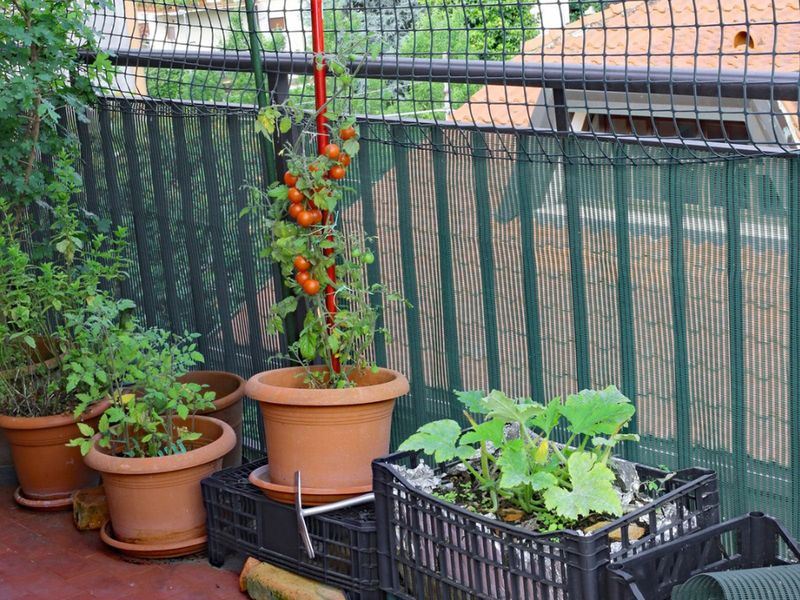
Many seed companies offer compact varieties designed specifically for container growing. Dwarf tomatoes, mini peppers and patio cucumbers produce generous harvests without taking over your balcony.
Strawberries thrive in hanging baskets, while blueberries can grow successfully in pots with the right compost.
Quick-growing salad leaves are ideal for shallow containers and can be sown regularly for continuous picking.
11. Feed Plants Regularly
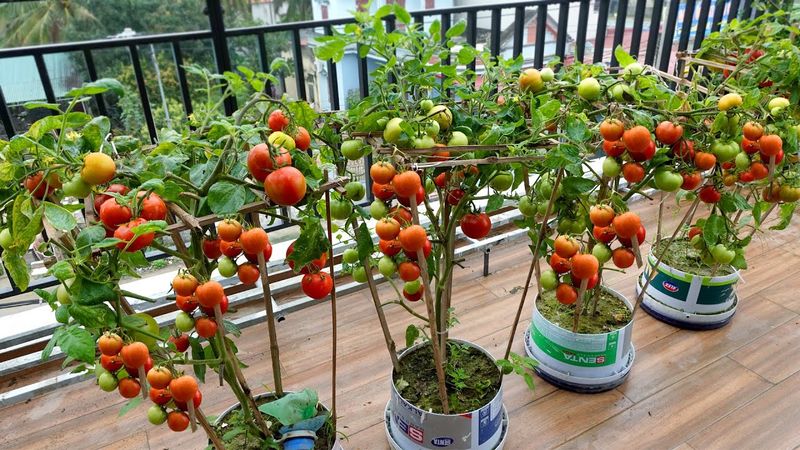
Nutrients wash out of containers faster than in traditional garden beds, especially when growing food crops. Regular feeding supports healthy growth and better yields.
Liquid fertiliser applied every couple of weeks works well for most balcony-grown vegetables. Slow-release feed mixed into compost provides steady nourishment over time.
Tomatoes and peppers typically need more feeding than leafy herbs, especially once they start fruiting.
12. Protect Plants From Wind
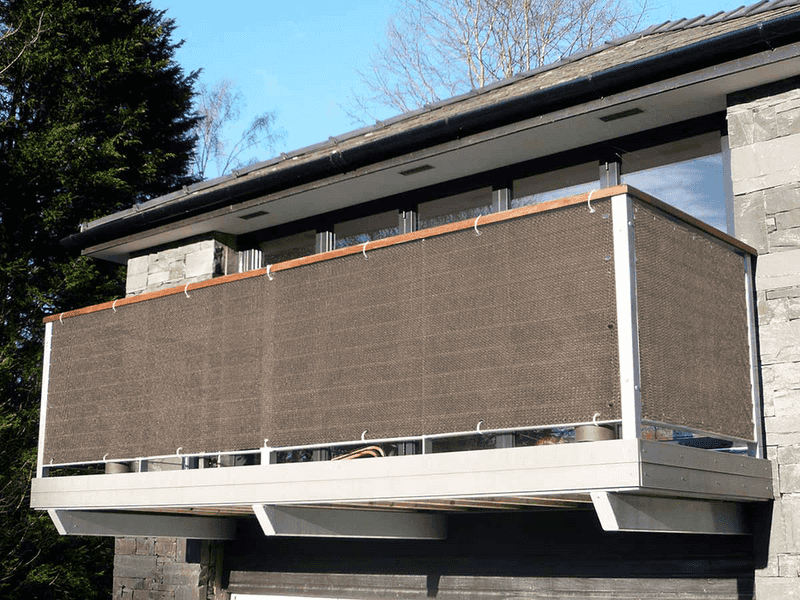
Balconies are often more exposed than ground gardens, and strong winds can damage tender vegetable stems. Observe how wind moves across your space before placing delicate crops in exposed areas.
Screens or trellis panels can reduce gusts while still allowing airflow. Group pots together so taller plants help shelter smaller herbs and greens.
Stake fruiting plants securely and move vulnerable containers closer to walls if stormy weather is forecast.



