













There’s something wonderfully cosy about the smell of chestnuts roasting in the oven - it instantly brings a touch of winter magic to the kitchen. Whether you’re preparing them for a quiet evening snack or a festive gathering, this simple tradition never loses its charm.
Once you’ve learned how easy it is to get that perfectly sweet, nutty flavour at home, you might find yourself roasting them long after the holidays are over.
This article offers general cooking guidance for home preparation. Always handle hot trays and shells with care, and ensure chestnuts are properly cooked before eating to enjoy them safely.
How Roasting Chestnuts Became A Seasonal Tradition
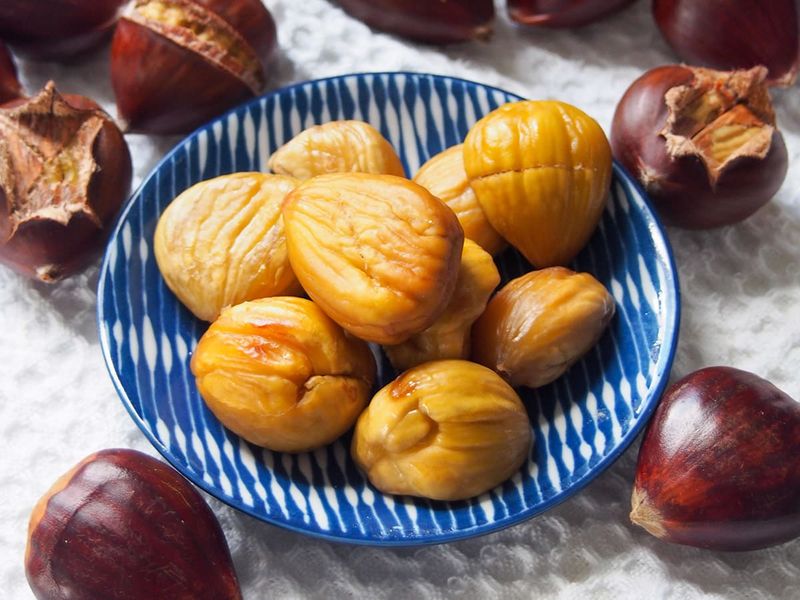
Chestnuts have warmed hearts and homes for generations, particularly during the colder months when families gathered around fires. Street vendors in Victorian England popularised roasted chestnuts as a winter treat, filling city streets with their irresistible smell.
The famous song 'Chestnuts Roasting on an Open Fire' cemented their place in holiday culture. Today, roasting chestnuts connects us to this rich history whilst creating new memories.
The tradition persists because chestnuts offer comfort, nostalgia, and a taste that perfectly captures the spirit of the season.
Preparing Your Chestnuts For Roasting
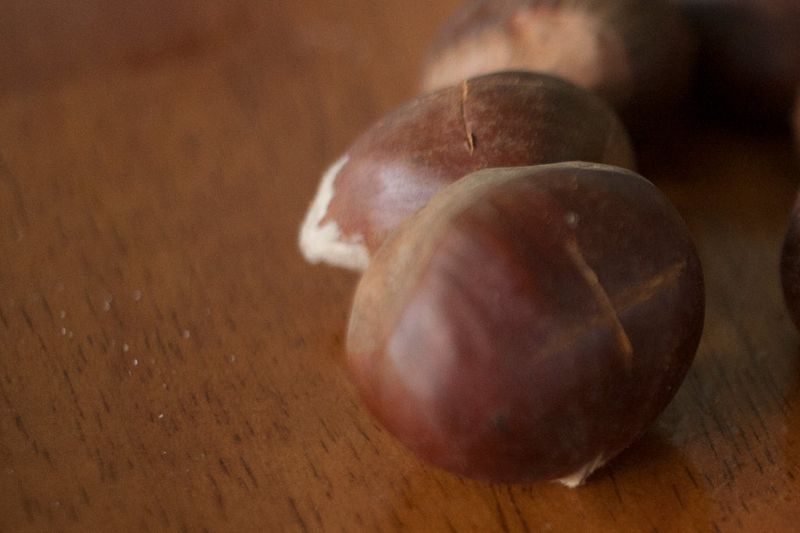
Before roasting, you'll need to score each chestnut to prevent them from exploding in the oven. Using a sharp knife, carefully cut an X shape into the flat side of each nut, making sure the cut goes through the shell.
This step allows steam to escape during roasting and makes peeling much easier later. Some people soak chestnuts in water for 15 minutes beforehand to add moisture.
Always inspect your chestnuts first and discard any that feel light or have holes, as these are likely spoiled inside.
The Best Temperature For Roasting Chestnuts
Setting your oven to the right temperature ensures chestnuts cook evenly without burning. Preheat your oven to 200°C (400°F) for optimal results that create tender insides with slightly crispy shells.
A temperature that's too high will burn the outside before the inside cooks properly. Too low, and your chestnuts will dry out rather than roast beautifully.
Fan-assisted ovens may require a slightly lower temperature, around 180°C. Always allow your oven to fully preheat before adding the chestnuts for consistent cooking.
How Long To Roast Chestnuts For Perfect Results
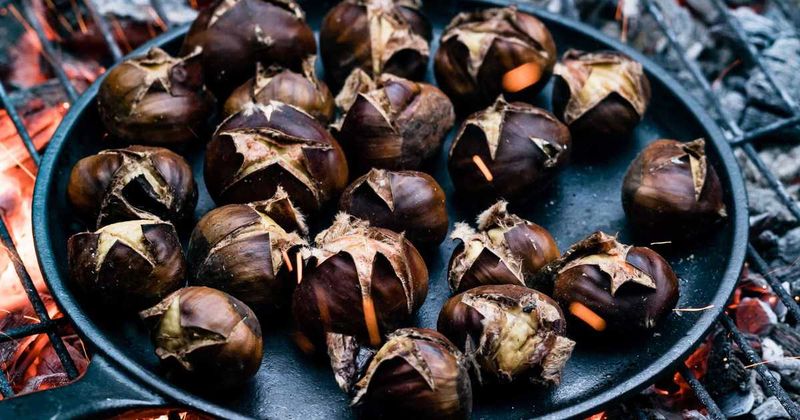
Timing is everything when roasting chestnuts to achieve that perfect texture. Place your scored chestnuts on a baking tray and roast for 20 to 25 minutes, shaking the tray halfway through for even cooking.
You'll know they're ready when the shells have curled back at the cuts and the insides are tender. The aroma will be wonderfully nutty and sweet, filling your kitchen.
Larger chestnuts may need an extra five minutes, whilst smaller ones might finish sooner. Check by testing one chestnut before removing the entire batch.
How To Peel And Serve Roasted Chestnuts
Peeling chestnuts whilst they're still warm makes the job much easier, as the shells separate more readily from the flesh. Wrap them in a clean tea towel for a few minutes to steam, which loosens the shells further.
Peel away both the hard outer shell and the papery inner skin to reveal the golden nut inside. Some stubborn bits may cling on, but that's perfectly normal.
Serve them immediately whilst warm for the best flavour and texture, perhaps with a sprinkle of sea salt for added taste.



