Once the decorations come down and the leftovers finally disappear, many kitchens are left feeling cluttered, chaotic, and slightly overwhelming.
Half-used jars, forgotten tins, mismatched storage tubs, and overflowing cupboards can quietly build up over the festive rush, making everyday cooking feel harder than it needs to be.
A simple reset helps restore calm, saves time during busy weekdays, and makes it easier to see what you already have before reaching for the shopping list.
Small changes – from clearing surfaces to reorganising shelves – can quickly turn a tired space back into a kitchen that feels organised, welcoming, and ready for the year ahead.
All information is provided for general interest only.
Cleaning methods, products, and results may vary depending on surfaces, appliances, and personal preferences.
Photos are for illustrative purposes only.
Clearing Out Expired And Unused Items
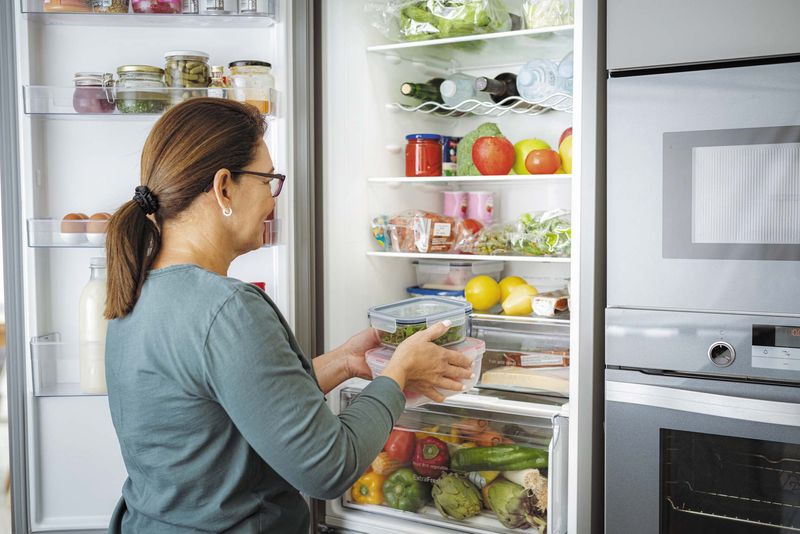
Start by pulling everything out of your cupboards and fridge – yes, even that jar of pickles from 2019.
Check dates ruthlessly and bin anything that's past its prime or looks dodgy.
You'll be amazed how much space you've been wasting on things you'll never actually eat.
Festive leftovers are the worst culprits, so be honest about whether you'll really use that third pot of cranberry sauce.
Once you've cleared the deadwood, wipe down shelves before putting the keepers back.
A fresh start means only keeping what you'll genuinely use, not what you feel guilty throwing away.
Reorganising Cupboards And Fridge Space
Now that you've ditched the clutter, it's time to make your storage actually work for you.
Group similar items together – baking stuff in one spot, tins in another, spices where you can see them.
Pop everyday essentials at eye level so you're not doing yoga moves every time you need pasta.
Use clear containers for dry goods like rice and flour; they keep things fresher and you'll spot when you're running low.
In the fridge, give veg the crisper drawer and keep raw meat on the bottom shelf to avoid any nasty drips.
A bit of logic now saves loads of faff later.
Planning Simple Meals For The First Few Weeks
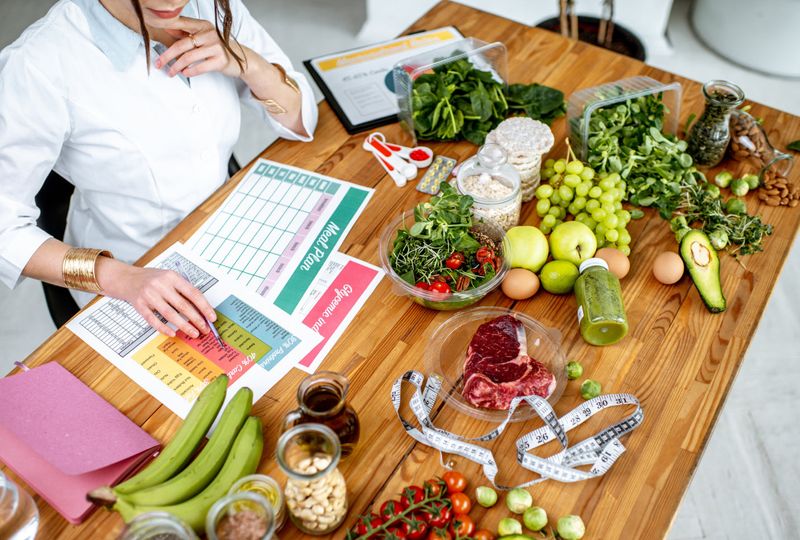
After weeks of rich food, your body and brain need a break from complicated cooking.
Sketch out a rough meal plan focusing on easy, wholesome dishes that don't require a million ingredients.
Think one-pot wonders, hearty soups, or sheet pan dinners that practically cook themselves.
Planning ahead means you'll actually use what's in your cupboards instead of panic-ordering takeaway at 7pm.
Keep it flexible – you're not writing a contract, just giving yourself a framework.
Simple meals mean less stress, fewer dishes, and more time to remember what your sofa looks like.
Restocking Everyday Essentials Sensibly
With your cupboards sorted, take stock of what basics you're actually missing.
Make a proper list before you shop so you're not randomly grabbing things or buying duplicates.
Focus on staples you use regularly – oil, pasta, rice, tinned tomatoes, eggs – rather than fancy ingredients that'll sit there gathering dust.
Buy sensible quantities; you don't need a year's supply of chickpeas just because they're on offer.
This isn't about filling every gap immediately, just making sure you've got enough to cook without drama.
Smart restocking means spending less and wasting nothing.
Reducing Food Waste After The Holidays
Leftover turkey sandwiches can only take you so far before you're ready to scream.
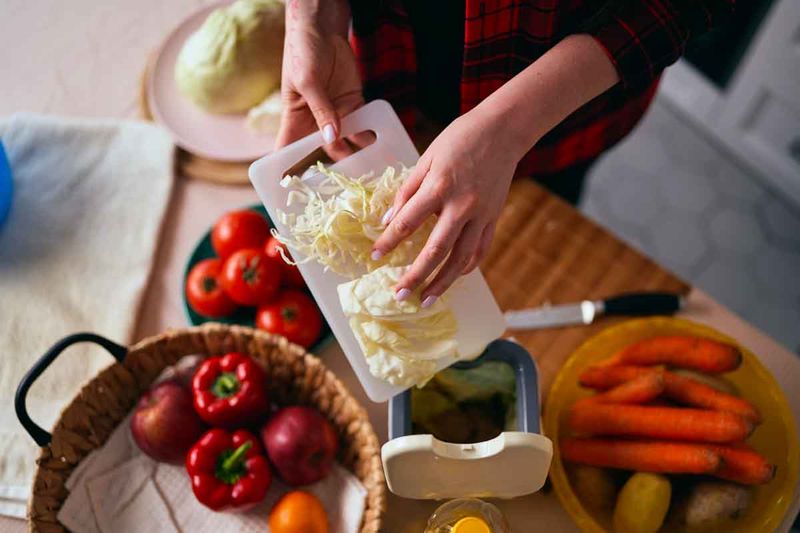
Get creative with what remains – blend wilting veg into soups, freeze extra portions for lazy days, or turn stale bread into croutons.
Check what needs eating first and plan meals around it rather than letting things moulder at the back of the fridge.
Composting scraps is brilliant if you've got a garden, and it beats chucking everything in the bin.
Small habits like storing food properly and rotating stock make a massive difference.
Less waste means more money in your pocket and a clearer conscience.
Creating A More Practical Weekly Shopping Routine
Ditch the chaotic supermarket dash and build a routine that actually fits your life.
Pick a regular shopping day, ideally after you've checked what needs using up and planned a few meals.
Stick to a list to avoid impulse buys and those sneaky "treats" that add up fast.
Consider online delivery if traipsing round the shops feels like torture, or do a quick midweek top-up for fresh bits.
A solid routine means you're never caught short or drowning in random ingredients.
It takes the guesswork out of dinner and keeps your kitchen running smoothly all year long.