











There’s something truly magical about a perfectly puffed Yorkshire pudding, crispy on the outside and soft in the middle. Whether it’s accompanying a classic Sunday roast or enjoyed with a rich gravy, mastering this British favourite is easier than you might think.
With a few simple tricks and the right technique, you can make Yorkshire puddings that steal the show every time.
This article is for general informational purposes only. Cooking results may vary depending on the type of ingredients and equipment used. Always check your Yorkshire pudding for a crisp, golden finish to ensure it's fully cooked.
The Importance Of The Right Batter Consistency
Getting your batter texture spot-on is absolutely essential for success. The mixture should resemble single cream, flowing smoothly without being too thick or watery.
Many bakers make the mistake of creating batter that's either lumpy or overly runny. Aim for a silky consistency that coats the back of a spoon gently.
Allow your batter to rest for at least thirty minutes before cooking. This resting period lets the flour fully hydrate and creates a lighter, airier final product that rises beautifully in the oven.
Why The Oven Temperature Makes All The Difference
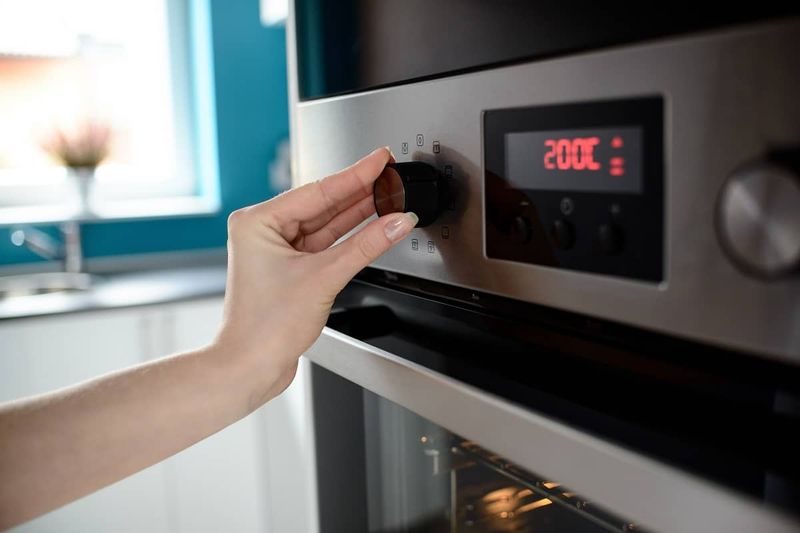
Temperature control separates spectacular Yorkshire puddings from disappointing failures. Your oven must be screaming hot, typically around 220°C, before the batter even touches the tin.
Preheating isn't optional here. A properly heated oven creates the instant sizzle needed for dramatic rising. Cold or lukewarm environments simply won't produce those towering, crispy sides everyone loves.
Never open the oven door during the first twenty minutes of cooking. Temperature drops cause puddings to deflate immediately, ruining all your careful preparation and effort.
Tips For Perfectly Puffed Yorkshire Puddings
Achieving maximum puff requires strategic pouring technique. Fill each tin compartment only halfway, giving the batter plenty of room to climb and expand during baking.
Room temperature eggs work better than cold ones straight from the fridge. Warmer ingredients blend more easily and react faster to the oven's intense heat, promoting better rise.
Once baked, serve immediately for maximum impact. Yorkshire puddings begin deflating as they cool, so timing your meal properly ensures guests experience them at their absolute peak of golden, puffy perfection.
The Best Fats To Use For Crispy Results
Traditional beef dripping delivers unmatched flavour and creates wonderfully crispy exteriors. This classic fat has a high smoke point, making it ideal for the extreme temperatures required.
Vegetable oil or sunflower oil serve as excellent alternatives for those preferring plant-based options. These oils also handle high heat brilliantly whilst producing impressively crunchy results.
Whatever fat you choose, ensure it's smoking hot before adding batter. The sizzle when batter hits fat is your signal that conditions are perfect for creating those coveted crispy, golden edges.
How To Avoid Common Yorkshire Pudding Mistakes
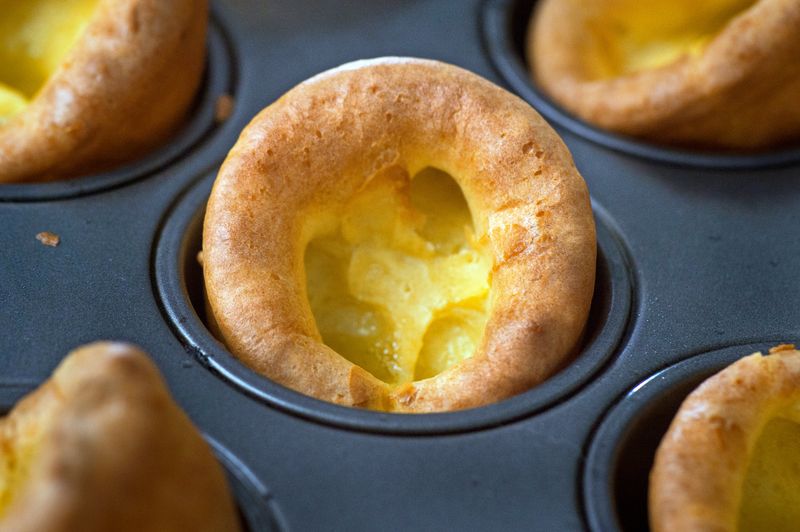
Opening the oven door too early ranks as the number one mistake home cooks make. Resist temptation and keep that door firmly closed for at least twenty minutes.
Overfilling tins prevents proper rising and creates heavy, doughy centres instead of light, airy puddings. Remember that less batter actually produces more impressive height and better texture.
Using cold ingredients straight from the refrigerator slows down the cooking process significantly. Always bring eggs and milk to room temperature beforehand for optimal results every time.