













Getting veal just right can be tricky, but when it’s tender, juicy, and full of flavour, it’s worth every bit of effort. The secret isn’t in fancy equipment or hard-to-find ingredients, it’s in how you treat the meat from start to finish. Once you know the right techniques, you’ll never have to settle for dry or chewy veal again.
This article is for general informational purposes only and not a substitute for professional medical or dietary advice. If you have specific dietary restrictions, health conditions, or concerns about consuming veal or other meats, consult a qualified healthcare provider or nutritionist for guidance.
1. Choose The Right Cut
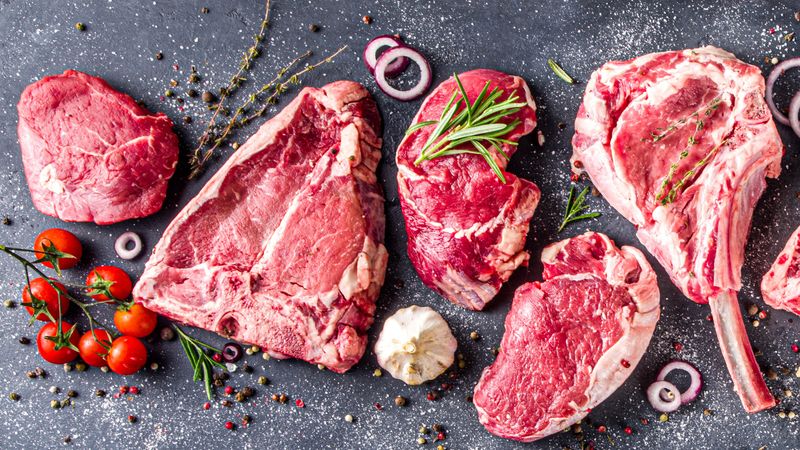
Not all veal cuts cook the same way, so picking the right one matters tremendously. Tender cuts like loin chops and rib chops work brilliantly for quick cooking methods.
Meanwhile, shoulder and shank cuts contain more connective tissue that breaks down beautifully with slow cooking. Match your cut to your cooking method for outstanding results every time you prepare this delicate meat.
2. Bring It To Room Temperature
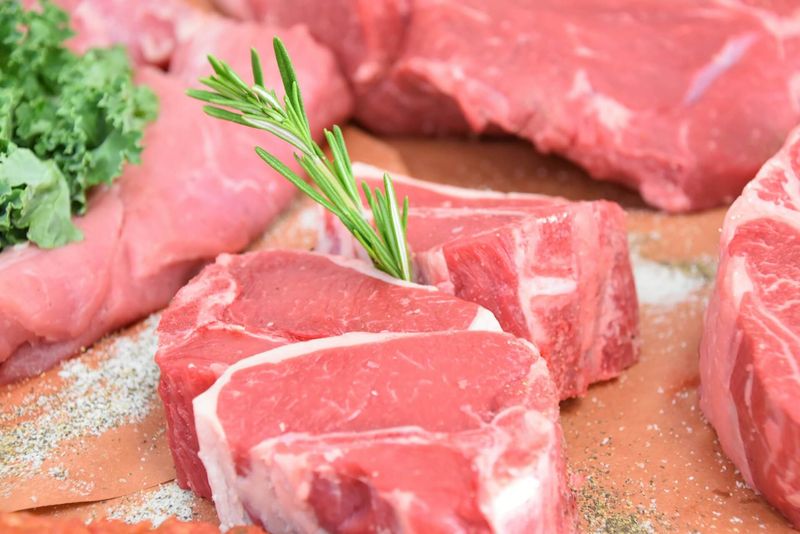
Cold meat straight from the fridge cooks unevenly, creating tough edges and raw centres. Allow your veal to sit out for about thirty minutes before cooking begins.
Room temperature meat cooks more uniformly throughout, ensuring even doneness from edge to centre. This simple patience pays off with consistently tender results that showcase the meat's natural delicate texture perfectly.
3. Tenderise Gently If Needed
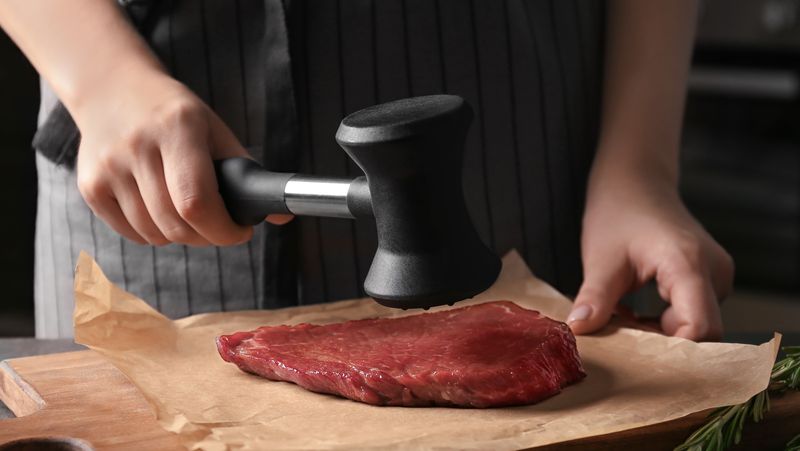
Thicker veal cutlets benefit from gentle pounding to break down fibres without destroying the meat's structure. Place your cutlet between plastic wrap or parchment paper first.
Use a meat mallet to tap lightly and evenly across the surface, working from the centre outward. Avoid aggressive pounding that tears the meat apart, keeping the texture intact whilst improving tenderness considerably.
4. Season Simply But Well
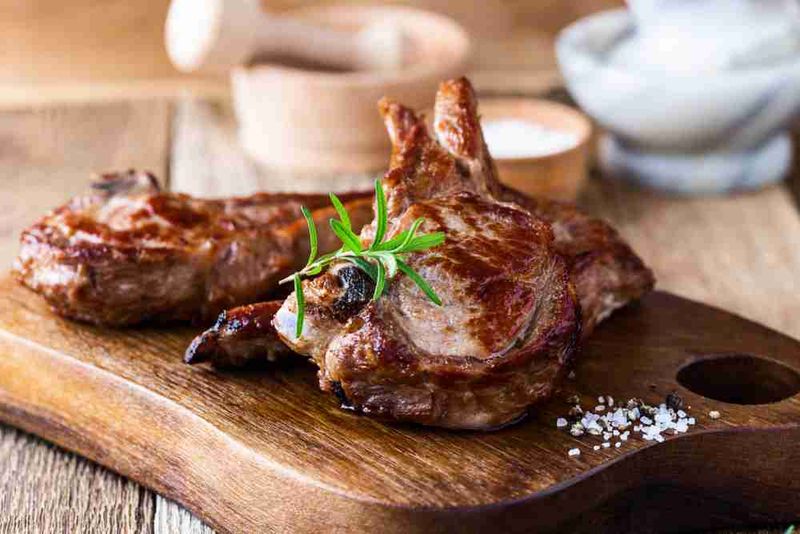
Veal's mild flavour shines when you don't overwhelm it with heavy spices or complicated marinades. Salt and freshly ground pepper form the perfect foundation for this meat.
Fresh herbs like thyme, rosemary, or sage complement veal beautifully without masking its delicate taste. Season generously just before cooking to avoid drawing out moisture that leads to dryness during the cooking process.
5. Cook Low And Slow Or Quick And Hot
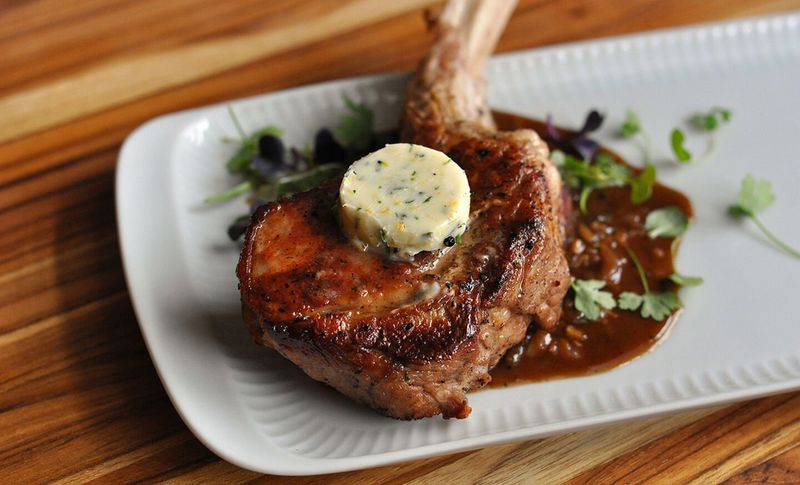
Veal responds best to extremes rather than medium heat, which dries it out quickly. Tender cuts need high heat for just a few minutes per side to develop a crust whilst staying juicy inside.
Tougher cuts require low, gentle heat over extended periods to break down collagen into silky tenderness. Choose your temperature based on the cut you've selected for foolproof results.
6. Add Moisture During Cooking
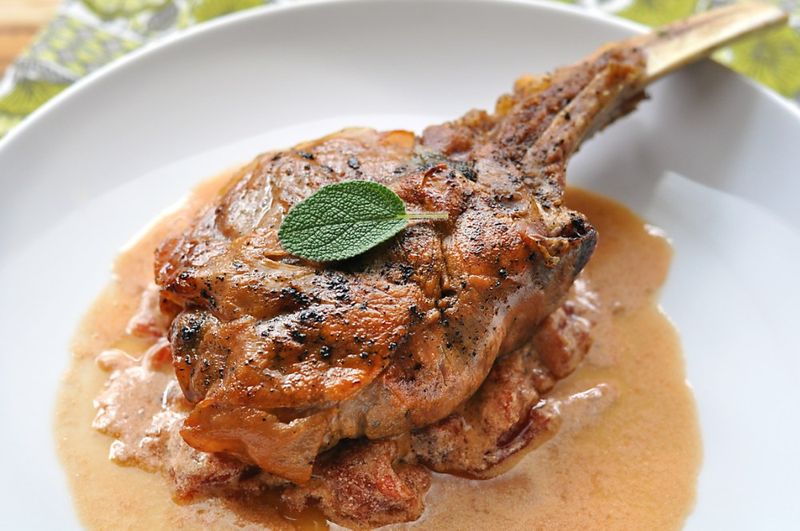
Keeping veal moist during cooking prevents the dreaded dry, chewy texture that ruins this delicate meat. Add stock, white wine, or even water to your pan when braising or roasting.
For pan-cooked cutlets, baste frequently with butter or pan juices to maintain moisture on the surface. This extra liquid creates steam that keeps the meat tender whilst building incredible flavour throughout.
7. Rest Before Serving
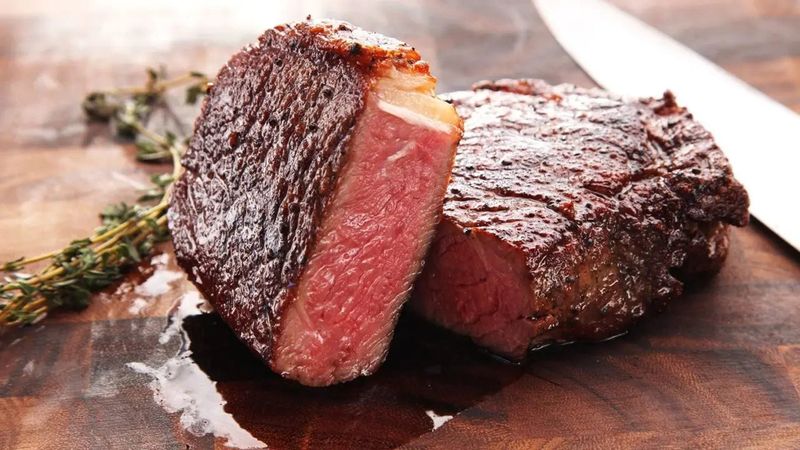
Cutting into veal immediately after cooking releases all those precious juices onto your cutting board instead of staying in the meat. Let it rest for five to ten minutes depending on thickness.
During this resting period, juices redistribute throughout the meat, ensuring every bite stays moist and flavourful. Cover loosely with foil to retain warmth whilst the fibres relax completely.



