There’s something wonderfully nostalgic about the rich, crumbly sweetness of traditional Scottish tablet, especially when the kitchen fills with that warm, caramel-like aroma.
Making it at home feels like stepping into a small piece of Scottish food history, with simple ingredients turning into something surprisingly special.
A little patience and a steady hand make all the difference, and the result is a treat that’s perfect for sharing or gifting.
Keep reading to learn how to recreate this classic confection in your own kitchen with confidence.
All information is provided for general interest only. Taste, texture, and results may vary depending on ingredients, equipment, and technique.
Prepare The Tin And Line With Baking Paper
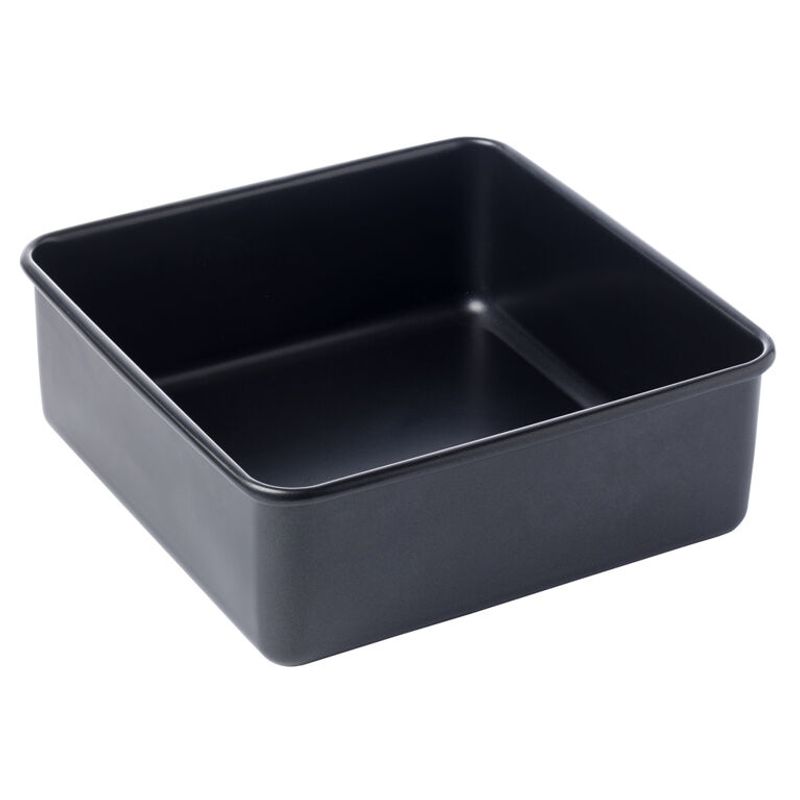
Getting your tin ready beforehand saves you from a sticky disaster later.
Choose a square or rectangular tin that's roughly 20cm across, then cut baking paper to fit snugly inside.
Press the paper firmly into all corners so there are no gaps.
A well-prepared tin means your tablet will lift out cleanly once it's set, making cutting much easier.
Measure And Weigh All Ingredients Carefully
Precision matters enormously when making tablet because even small variations affect the final texture.
You'll need granulated sugar, butter, full-fat milk, and condensed milk weighed to the exact gram.
Use digital kitchen scales for accuracy rather than guessing with cups.
Having everything measured out before you start cooking prevents rushed mistakes when things get hot.
Melt The Butter, Sugar, And Milk Over Gentle Heat
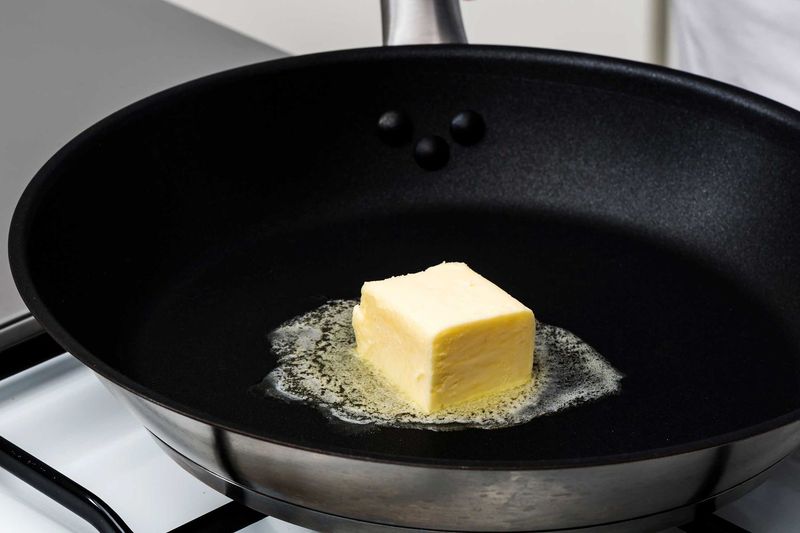
Patience at this stage prevents burnt sugar and ensures smooth melting.
Place your heavy-based saucepan on the lowest heat setting, then add the butter, sugar, and milk together.
Watch carefully as the butter softens and begins combining with the other ingredients.
Rushing with high heat creates grainy tablet, so keep things slow and steady for the best results.
Stir Continuously Until The Sugar Fully Dissolves
This step requires your full attention and a strong arm.
Use a wooden spoon to stir the mixture constantly, scraping the bottom to prevent sticking.
You'll feel the grittiness of sugar crystals gradually disappear as they dissolve completely.
Test by rubbing a small amount between your fingers - it should feel completely smooth before moving to the next stage.
Bring The Mixture To A Steady Boil
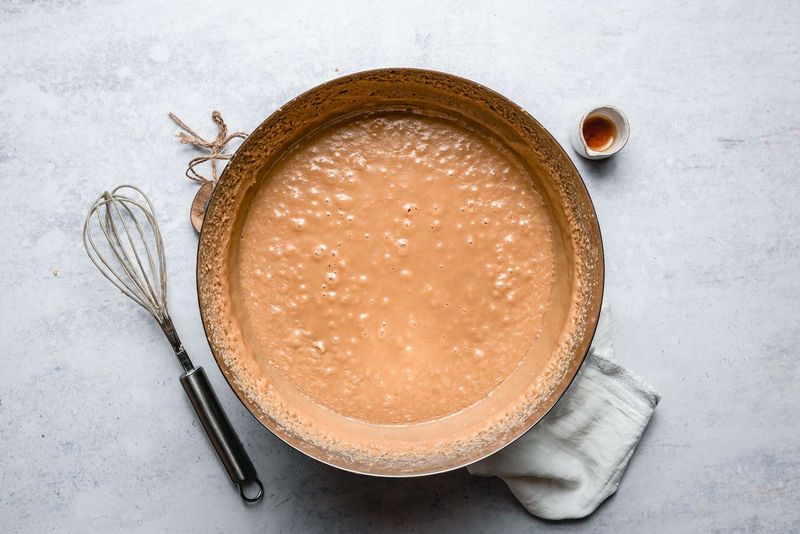
Once the sugar has dissolved entirely, increase the heat to medium-high.
The mixture will start bubbling more vigorously, transforming from a gentle simmer to a proper rolling boil.
Keep stirring regularly to prevent catching on the bottom.
This boiling stage develops the characteristic caramel flavour that makes tablet so irresistible and different from ordinary fudge.
Simmer Until Thick And Fudge-Like In Texture
Lower the heat slightly and continue cooking for about 15-20 minutes, stirring frequently.
The mixture will gradually thicken and turn a gorgeous golden caramel colour.
Test readiness by dropping a tiny amount into cold water - it should form a soft ball.
Your mixture needs to reach approximately 116°C on a sugar thermometer for perfect tablet consistency.
Beat Until The Mixture Loses Its Gloss And Starts To Set
Remove the pan from heat and beat vigorously with your wooden spoon for several minutes.
You'll notice the mixture changing from glossy to matte as tiny sugar crystals form.
This beating creates tablet's signature grainy texture that distinguishes it from smooth fudge.
Stop when it thickens noticeably and becomes harder to stir—timing is crucial here.
Pour Into The Tin, Cool Fully, And Cut Into Pieces
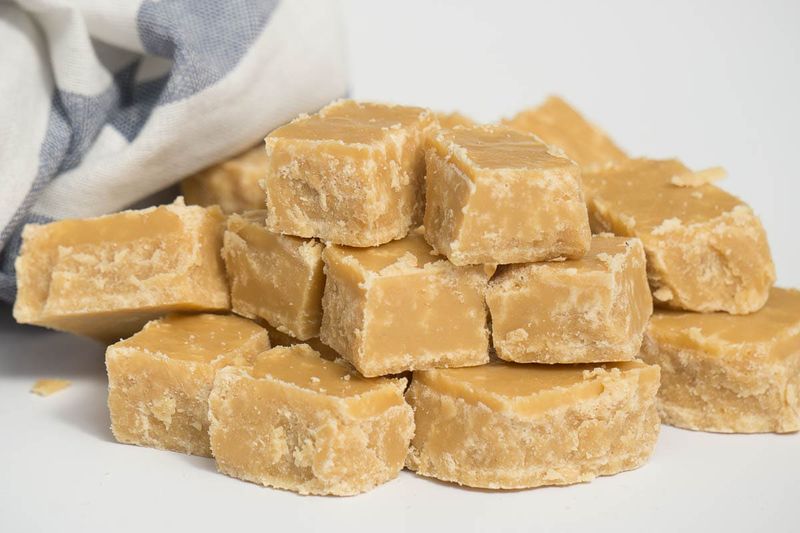
Work quickly to pour the thick mixture into your prepared tin before it sets in the pan.
Spread it evenly with a spatula, then leave it completely undisturbed for several hours.
Once fully cooled and firm, lift out using the paper edges and cut into small squares with a sharp knife.
Store your homemade tablet in an airtight container.