










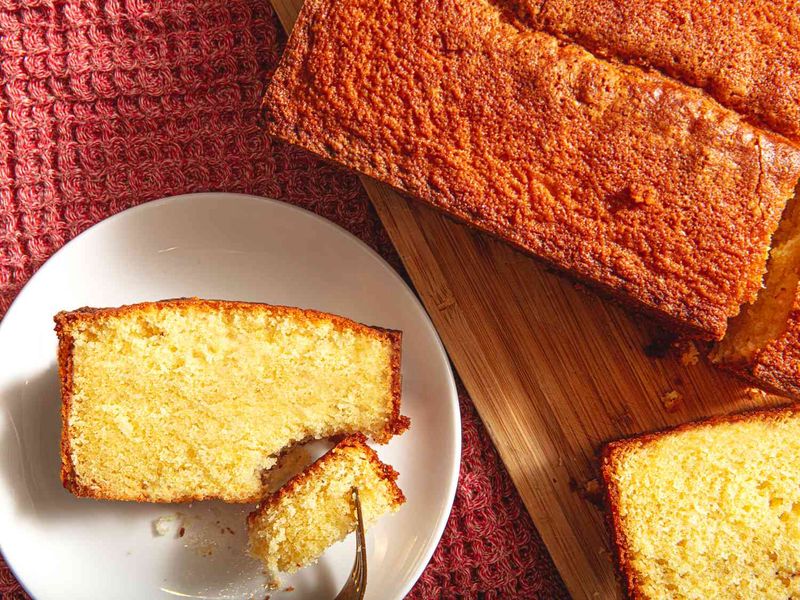
Perfectly moist cake has a light crumb, gentle spring, and that satisfying melt-in-the-mouth finish – yet achieving it can feel oddly unpredictable. Even when measurements are spot on, the way the batter is handled plays a bigger role than many home bakers realise.
Overmixing quietly tightens the structure of the cake, pushing it towards dryness rather than softness. With a few simple technique tweaks, it becomes much easier to keep cakes tender, airy, and consistently enjoyable.
This article is for general informational purposes only and is not intended as professional baking or dietary advice. Results may vary depending on ingredients, equipment, and individual technique. Photos are for illustrative purposes only.
Why Overmixing Dries Out Cake Batter
Overmixing isn't just a minor mistake – it fundamentally changes what happens inside your batter at a molecular level.
When you beat the mixture too vigorously or for too long, the proteins in flour start forming long gluten chains that tighten up as they bake. This creates a tough, chewy structure rather than the soft, delicate crumb you're after.
Those gluten networks squeeze out moisture, leaving you with a dry, rubbery cake that nobody wants a second slice of. The fix is surprisingly simple: stop mixing the moment you no longer see streaks of flour in the bowl.
How Gluten Development Changes Cake Texture
Gluten gets a bad rap these days, but in baking, it's all about balance – you want just enough, not too much.
Flour contains two proteins, glutenin and gliadin, which form elastic gluten strands when mixed with liquid and agitated. In bread, this elasticity is brilliant; in cakes, it's your nemesis.
The more you mix, the stronger and tighter those strands become, turning your tender cake into something closer to a sponge doorstop.
Gentle folding motions help keep gluten development minimal, preserving that melt-in-your-mouth texture everyone loves.
The Right Way To Combine Wet And Dry Ingredients
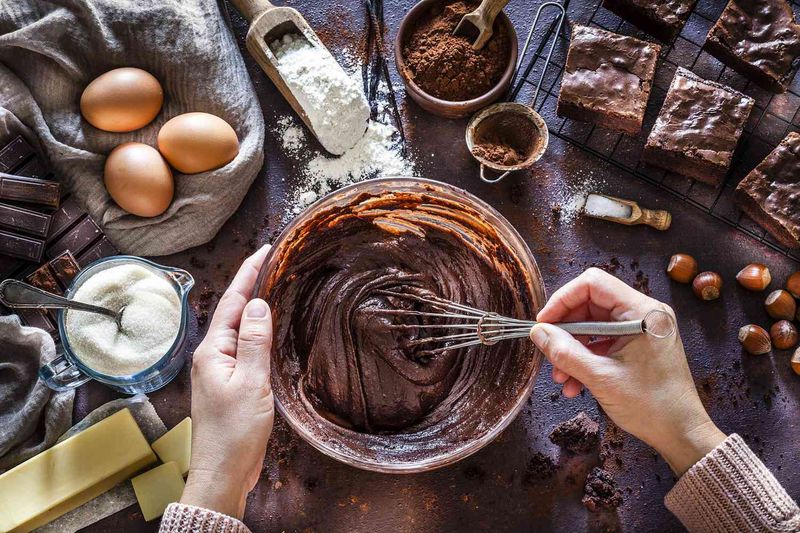
Forget everything you know about vigorous whisking – combining wet and dry ingredients for cake requires a gentler touch entirely.
Start by whisking your dry ingredients together in one bowl and your wet ingredients in another. When it's time to unite them, pour the wet into the dry and use a spatula or wooden spoon to fold gently, scraping from the bottom and turning the mixture over in slow, deliberate motions.
Stop as soon as the flour disappears; a few tiny lumps are perfectly fine and will bake out beautifully.
Mixing Speeds That Keep Batter Light And Airy
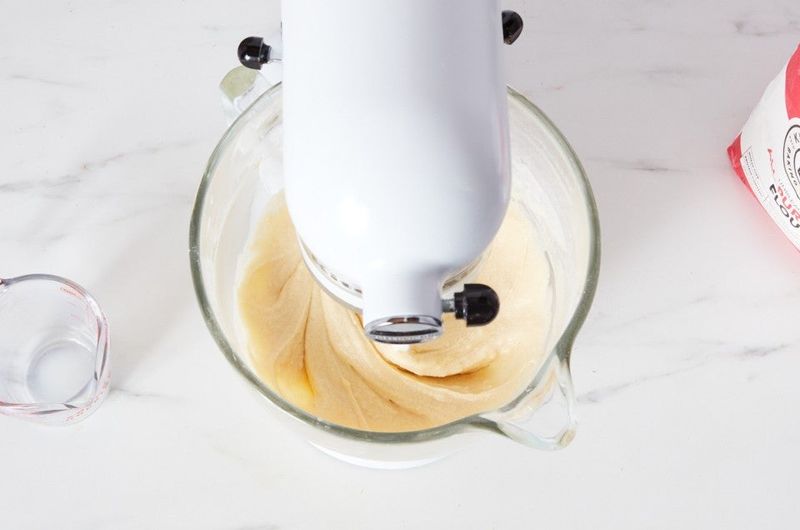
If you're using an electric mixer, speed control becomes your best friend in the battle against dense cakes.
Creaming butter and sugar together? Go ahead and use medium to medium-high speed to incorporate air.
But once you add flour, drop down to the lowest setting immediately, mixing only until the ingredients are barely combined.
High speeds at this stage pummel the batter, developing gluten faster than you can say 'kitchen disaster'. Many bakers even switch to hand mixing once the flour goes in, giving them complete control over texture.
How To Tell When Batter Is Just Mixed Enough
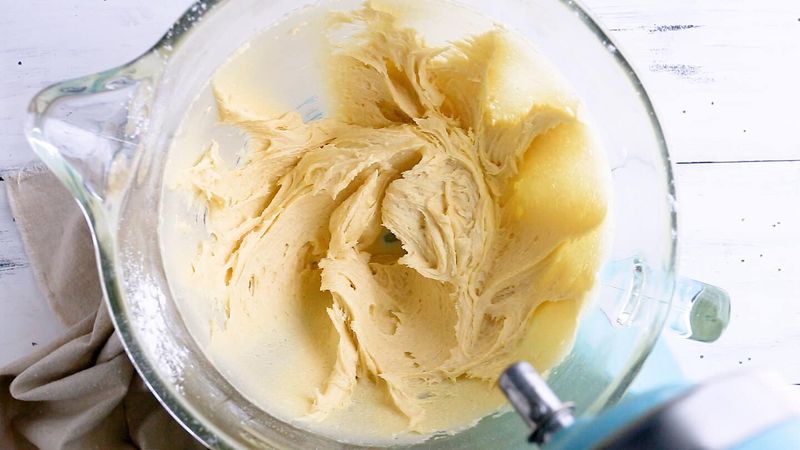
Knowing when to stop mixing is more art than science, but there are clear visual cues to watch for.
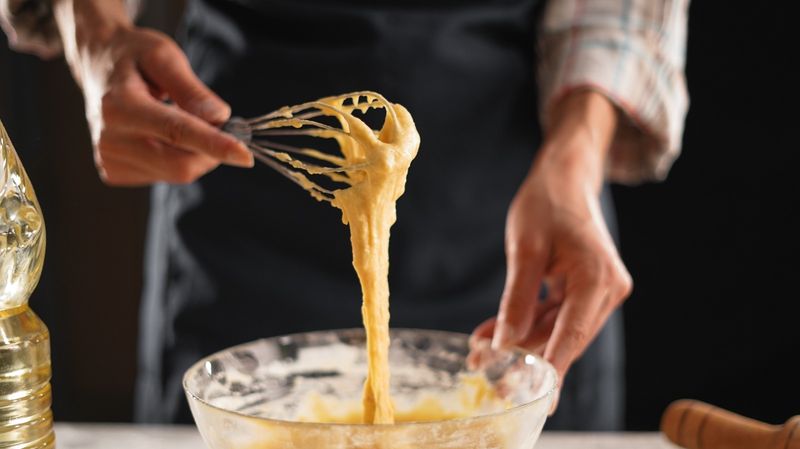
Your batter should look slightly lumpy and uneven, with no visible streaks of flour running through it. The colour should be uniform, and the consistency should be thick but pourable, not stiff or elastic.
If you lift your spatula and the batter falls in ribbons rather than clumps, you're spot on. Trust your instincts – the moment it looks 'good enough' is exactly when you should stop, not when it looks perfect.
Why Room Temperature Ingredients Matter More Than You Think
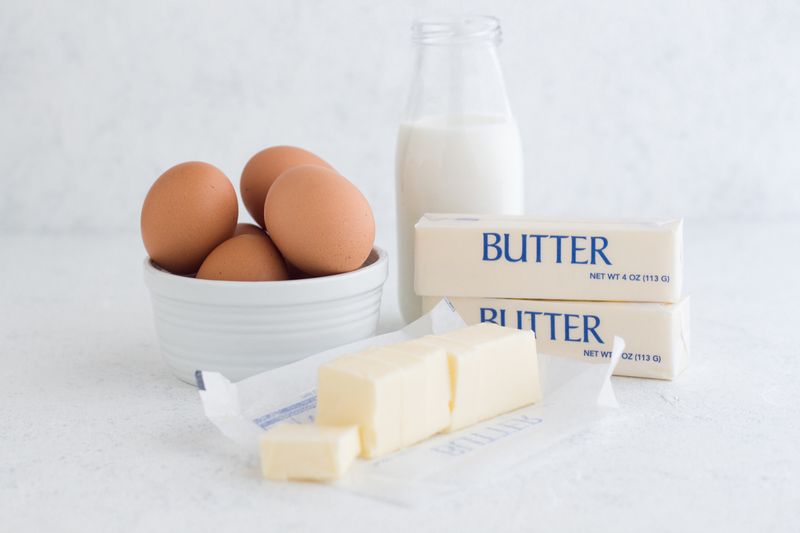
Cold ingredients straight from the fridge might seem harmless, but they're actually sabotaging your mixing efforts before you even begin.
When butter, eggs, and milk are at room temperature (around 20-22°C), they blend together smoothly and quickly, requiring minimal mixing time. Cold ingredients, however, resist combining, forcing you to mix longer and harder to achieve a uniform batter – hello, gluten overdevelopment.
Plan ahead and set your ingredients out 30-60 minutes before baking; your cake will thank you with superior moisture and texture.
Tools That Help Prevent Overworking The Batter
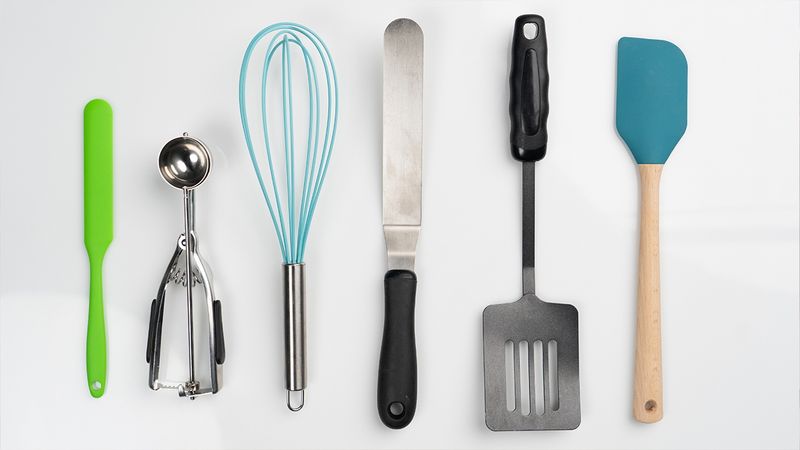
Sometimes the secret to better baking isn't technique – it's having the right kit in your arsenal.
A wide, flexible silicone spatula lets you fold batter efficiently with fewer strokes, whilst a balloon whisk works brilliantly for combining dry ingredients without clumps. Ditch the electric mixer entirely if you're nervous about overmixing; hand mixing gives you complete control and a better feel for the batter's texture.
Some bakers swear by Danish dough whisks for cake batter, as they cut through ingredients without creating excessive gluten development.
Common Mixing Mistakes That Lead To Dense Cakes
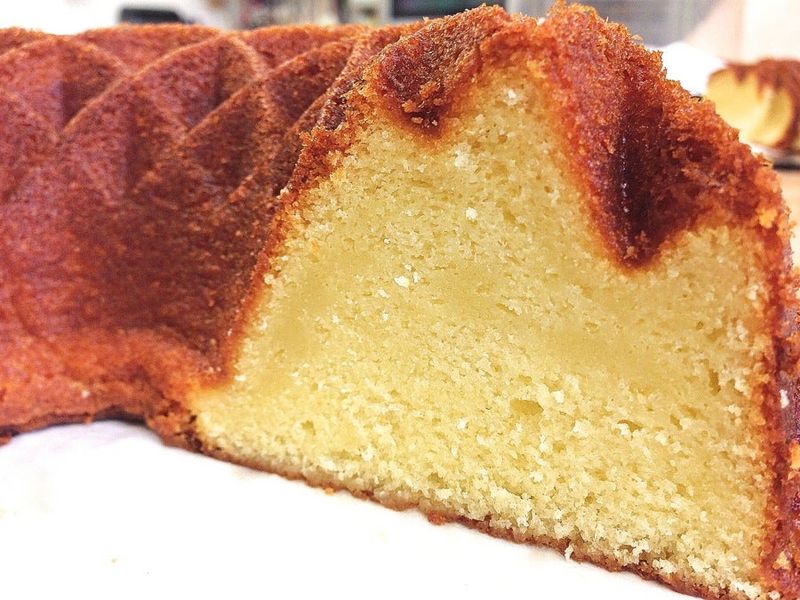
Even experienced bakers fall into mixing traps that seem harmless but wreak havoc on texture.
One classic blunder is adding all the flour at once instead of in batches, which requires aggressive mixing to incorporate. Another is scraping the bowl too frequently whilst the mixer runs, which extends mixing time unnecessarily.
Some bakers also make the mistake of mixing until the batter looks completely smooth and glossy – that polished appearance actually signals you've gone too far. Embrace the slightly rough, rustic look of properly mixed batter instead.