













Strong knife skills support efficiency, consistency, and safety in everyday cooking. Using the correct grip, cutting technique, and knife type can help improve control and reduce unnecessary strain during food preparation.
Over time, small adjustments in posture, blade handling, and workspace setup can make routine tasks feel more manageable and predictable. Understanding these fundamentals helps build confidence and supports better results across a wide range of home cooking tasks.
All information is provided for general information only. Always follow appropriate safety practices when handling sharp tools and kitchen equipment.
Techniques may vary based on experience and equipment used. Photos are for illustrative purposes only.
1. Choosing The Right Knife For Each Task
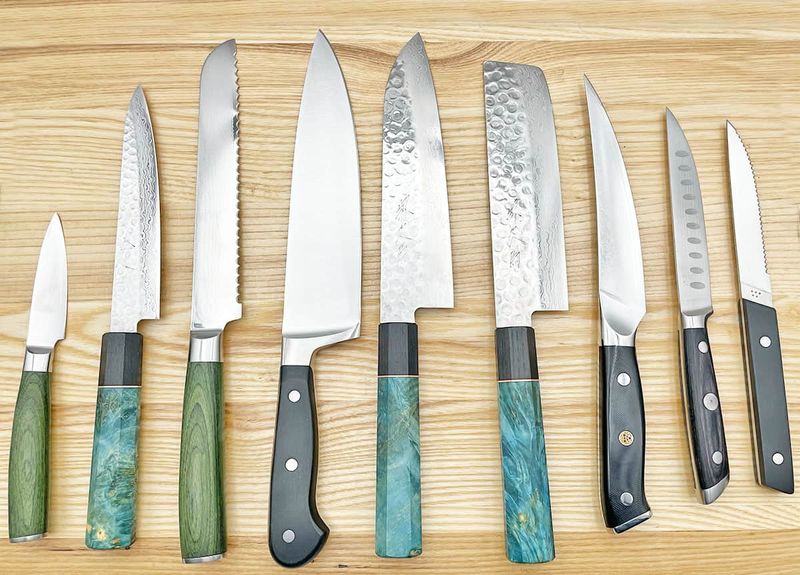
A chef's knife isn't just a big blade that looks impressive – it's genuinely your kitchen workhorse for chopping veg, slicing meat, and handling most daily prep.
Paring knives, on the other hand, excel at delicate jobs like peeling apples or deveining prawns where precision matters more than power.
Serrated knives tackle crusty bread and soft tomatoes without squashing them into mush. Matching the blade to the job means less frustration, cleaner cuts, and honestly, you'll finish prep in half the time while keeping your fingers safer too.
2. Basic Grip And Hand Position
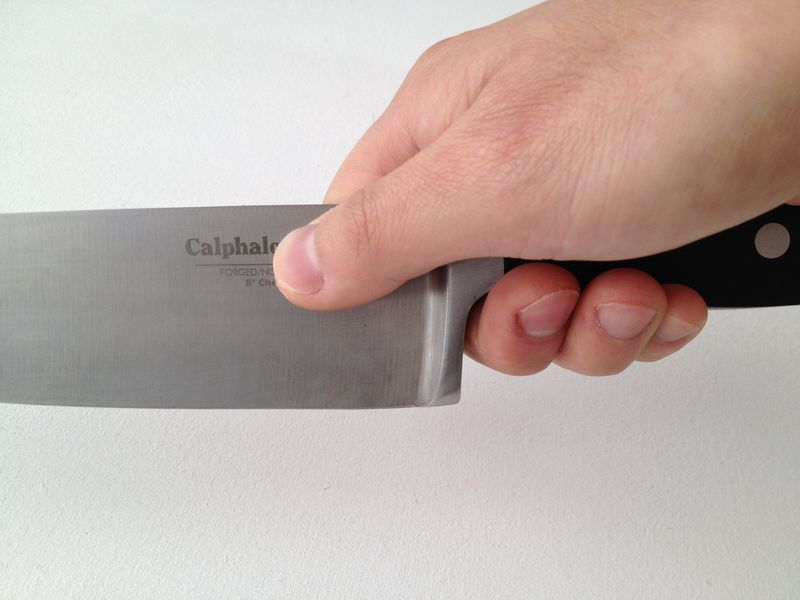
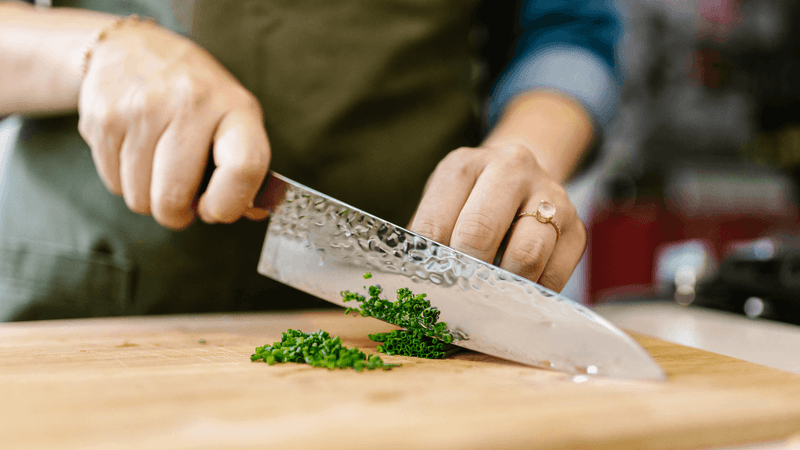
Pinch the blade between your thumb and forefinger just above the handle, then wrap your remaining fingers around the grip. Sounds odd at first, but this "pinch grip" gives you proper control and prevents that awkward wrist strain you get from strangling the handle.
Your non-knife hand forms a claw shape, fingertips tucked safely back while knuckles guide the blade.
It feels a bit daft initially, like patting your head whilst rubbing your belly, but muscle memory kicks in quickly and suddenly you're chopping with confidence.
3. Safe Cutting Techniques
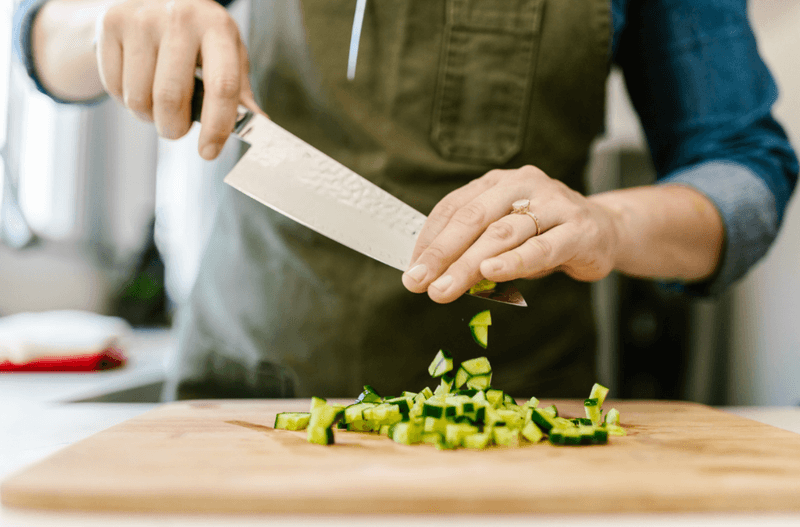
Never rush when you're learning – speed comes naturally once your hands know what they're doing. Keep the knife tip on the board and use a gentle rocking motion rather than lifting the entire blade up and down like you're chopping wood.
Always cut away from your body and keep your eyes on what you're slicing, not the telly or your phone. A sharp blade requires less force, which means fewer slips and accidents.
If something rolls (hello, cherry tomatoes), slice it in half first to create a flat, stable surface before continuing.
4. Understanding Common Cuts
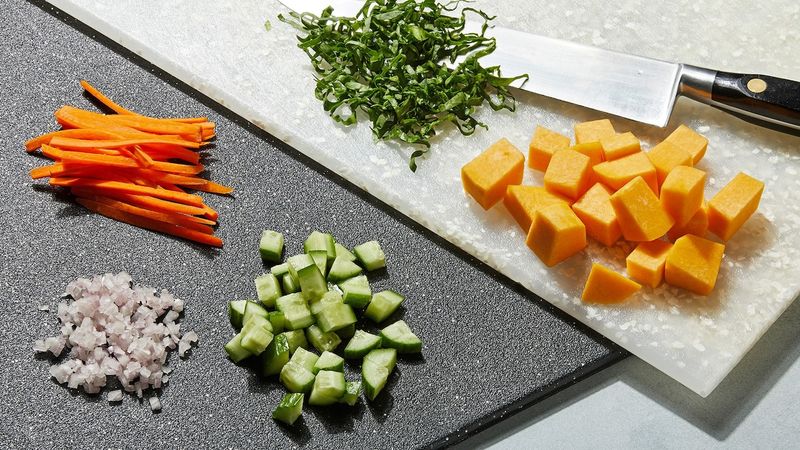
Chopping means rough, irregular pieces – perfectly fine for soups or stews where everything melts together anyway. Dicing creates neat little cubes, brilliant for salads or stir-fries where consistency matters for even cooking.
Julienne strips look fancy but they're just thin matchsticks, ideal for carrots or peppers in Asian dishes. Chiffonade sounds posh but it's simply rolling leafy herbs or greens and slicing them into delicate ribbons.
Learning these basic cuts means recipes actually make sense when they ask for specific prep styles.
5. Maintaining Sharpness And Care
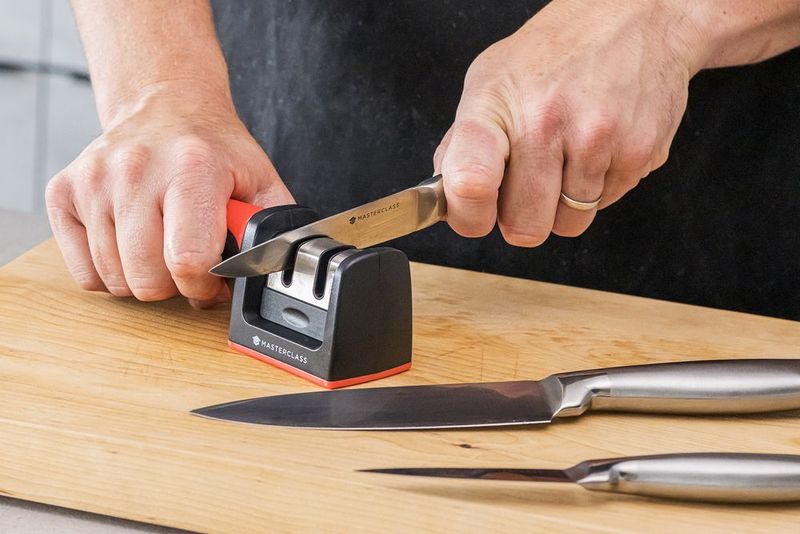
Blunt knives are genuinely more dangerous than sharp ones because they require extra force, which leads to slipping and accidents.
Honing with a steel before each use realigns the blade's edge, whilst proper sharpening (every few months) actually removes metal to create a fresh cutting surface.
Don't chuck knives in the dishwasher or leave them soaking – the harsh detergents and banging about dull the edge and damage the handle. A quick hand wash and immediate dry keeps blades in top form for years.
6. Stability And Chopping Surface Setup
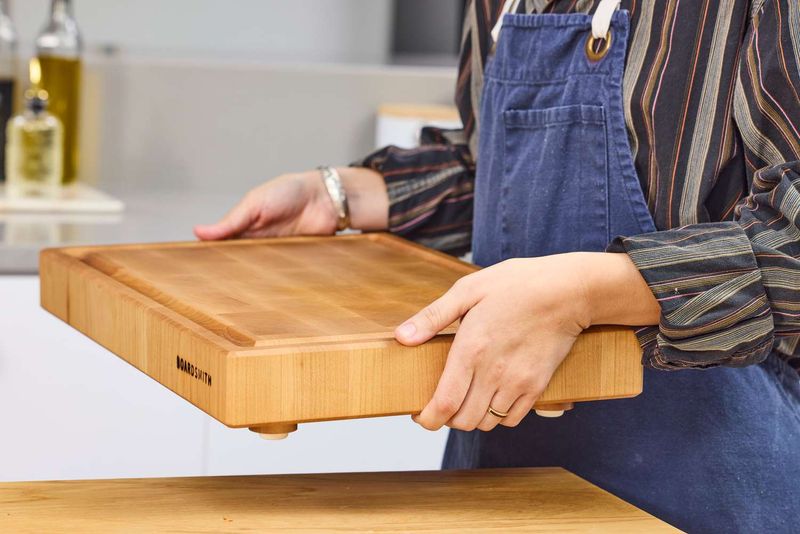
A wobbly cutting board is basically an accident waiting to happen, so stick a damp tea towel underneath to keep everything rock solid. Wooden or plastic boards work brilliantly – just avoid glass or marble, which blunt your blade faster than you can say "julienne".
Position your board at a comfortable height where your elbows bend naturally, not hunched over like you're defusing a bomb. Clear away clutter so you've got proper elbow room and a bowl nearby for scraps keeps your workspace tidy and efficient throughout prep.
7. Speed Versus Accuracy Balance
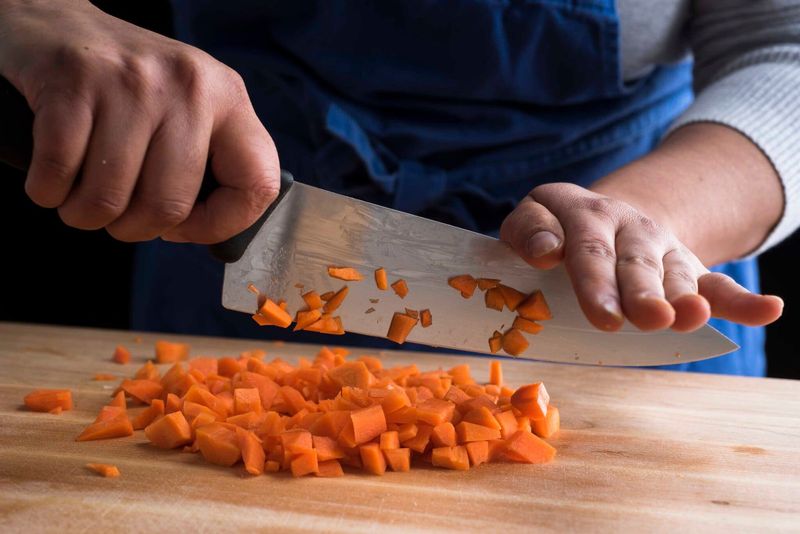
Watching someone dice an onion in ten seconds flat is impressive, but they didn't start there – they spent ages going slowly until their hands learned the rhythm. Focus on making consistent, even cuts first; speed naturally follows once your muscle memory takes over.
Uneven pieces mean some bits overcook whilst others stay crunchy, which isn't ideal unless you fancy surprise textures in your dinner. Take your time, enjoy the process, and before you know it you'll be whizzing through prep without even thinking about it.
8. Cleaning And Storage Practices
Wash your knives immediately after use with warm soapy water and a sponge (not the scouring side, which scratches). Dry them straightaway to prevent rust spots and water damage to wooden handles – leaving them in the drying rack invites disaster when you reach for a mug.
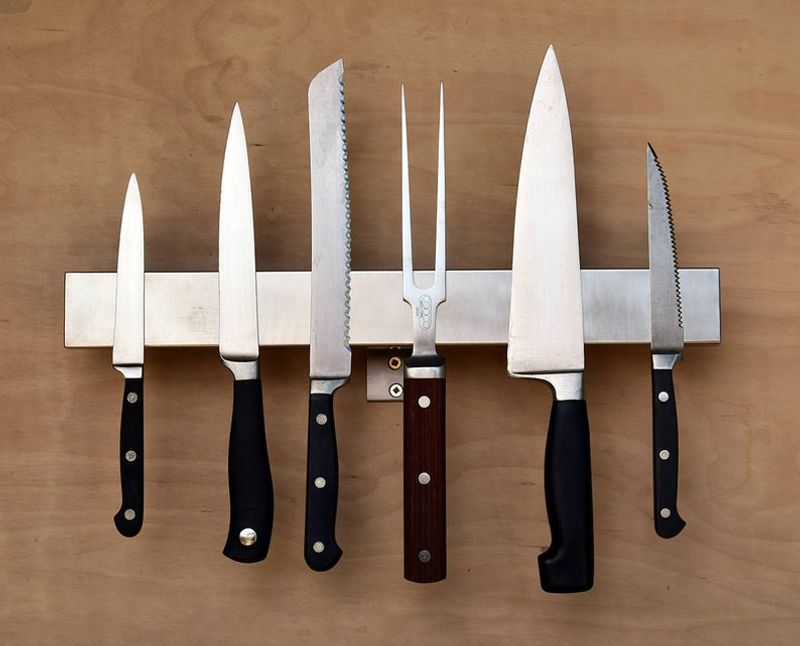
Store blades in a knife block, on a magnetic strip, or with blade guards in a drawer. Tossing them loose with other utensils dulls the edge and creates a dangerous lucky dip situation.
Proper storage keeps knives sharp, safe, and ready whenever you need them.
9. Building Confidence Through Practice
Start with softer veg like courgettes or mushrooms before tackling firm butternut squash or dense root vegetables. Each successful chop builds your confidence and teaches your hands exactly how much pressure and what angle works best.
Set aside ten minutes during meal prep to deliberately practice one specific technique – maybe dicing an onion or julienning carrots.
It feels a bit silly at first, like practising scales on a piano, but repetition transforms awkward movements into smooth, automatic motions that genuinely make cooking more enjoyable.



