











Food prices have climbed sharply across the UK – and many shoppers are finding creative ways to keep eating well without overspending.
The good news is that healthy eating on a budget isn’t about cutting corners, but about making smarter swaps and planning ahead.
From shopping seasonal produce to reducing food waste, Brits are proving that nutritious meals don’t have to come with a hefty price tag.
This article is for general informational purposes only.
Prices, product availability and supermarket offers vary by region and over time – always check local listings and current deals before shopping.
Choosing Own-Brand And Value Ranges
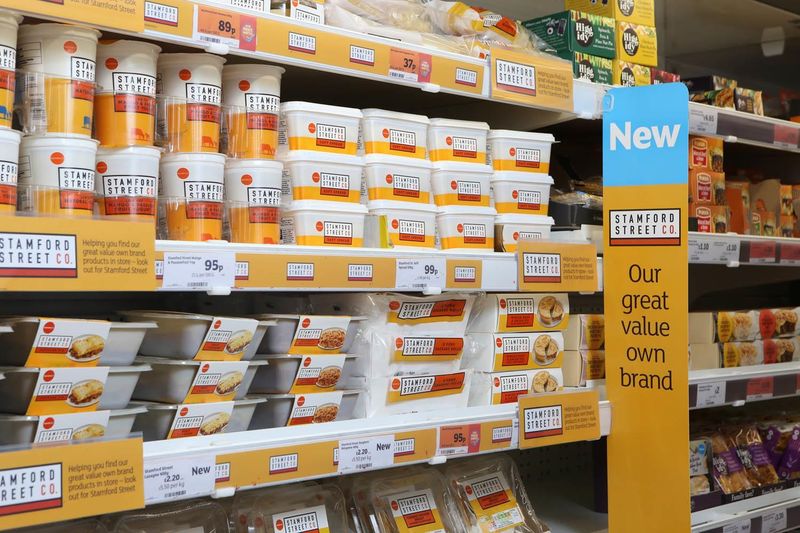
Here's something most people don't realise: supermarkets often use the exact same factories to make their own-brand products as they do for fancy labels.
You're literally getting the same baked beans or pasta, just without paying for the advertising budget.
Tesco Stockwell & Co, Asda Smart Price, and Sainsbury's Stamford Street ranges have all upped their game recently.
The quality is genuinely decent, and you can save anywhere from 30 to 50 percent on your weekly shop just by swapping logos.
Your taste buds honestly won't know the difference, but your bank account definitely will.
Buying Frozen Fruit And Vegetables Instead Of Fresh

Fresh raspberries in January will cost you a small fortune, but frozen ones?
Absolute bargain.
The brilliant thing about frozen produce is that it's picked and frozen at peak ripeness, which means the nutrients are actually locked in better than fresh stuff that's been sitting around for days.
Iceland and Farmfoods do massive bags for under two quid, and they last for months in your freezer.
Frozen spinach, peas, and mixed veg are lifesavers for quick midweek meals.
No waste, no guilt, and your five-a-day sorted without the hefty price tag.
Batch-Cooking And Freezing Meals
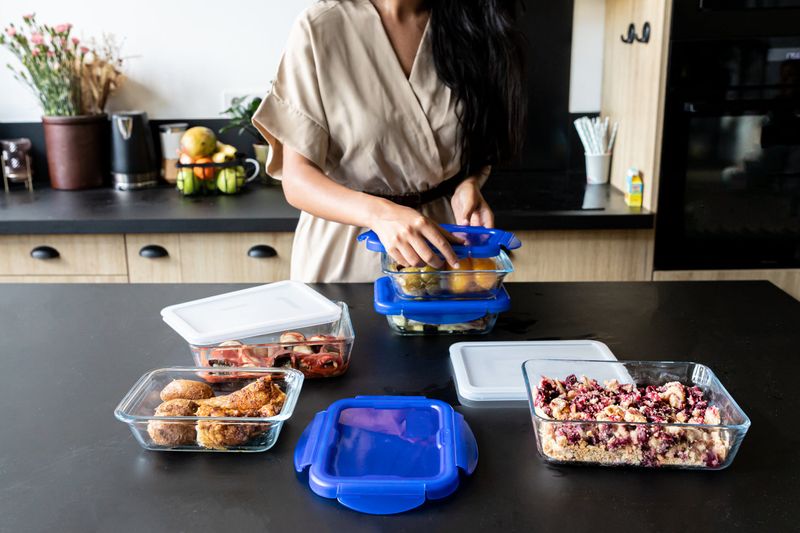
Spending a Sunday afternoon cooking might sound like a faff, but it's honestly one of the smartest moves for your wallet and your waistline.
Making big batches of chilli, curry, or bolognese means you're only heating the oven once and buying ingredients in bulk, which works out loads cheaper per portion.
Pop everything into freezer-safe containers, label them with the date, and you've got your own ready meals without the dodgy additives.
When you're knackered after work, you'll thank yourself for having something wholesome ready to reheat instead of reaching for expensive takeaway menus.
Shopping Late In The Evening For Yellow-Sticker Reductions

Did you know supermarkets reduce prices by up to 75 percent in the final hours before closing?
It's like a treasure hunt, but the prize is half-price salmon or marked-down cottage pie.
Most stores start slapping on yellow stickers around 7pm, though the real bargains appear closer to closing time.
Regulars have worked out their local Tesco or Morrisons reduction schedules down to the minute.
You can snag perfectly good meat, fish, bread, and ready meals that just need eating or freezing that night.
One savvy shopper's bin fodder is another family's Sunday roast at a fraction of the cost.
Swapping Meat For Beans, Lentils And Tinned Fish

Beef mince is lovely, but at current prices it's basically liquid gold.
Beans and lentils, though? Absolute workhorses that cost pennies and pack serious protein.
A tin of chickpeas or kidney beans is usually under 50p and can bulk out any meal brilliantly.
Tinned mackerel and sardines are proper superfoods too, loaded with omega-3 and costing about a quid.
Chuck them in pasta, on toast, or into a salad.
Nutritionists reckon plant-based proteins and oily fish are some of the healthiest swaps you can make, and your purse will be considerably happier as well.
Planning Meals Before Shopping
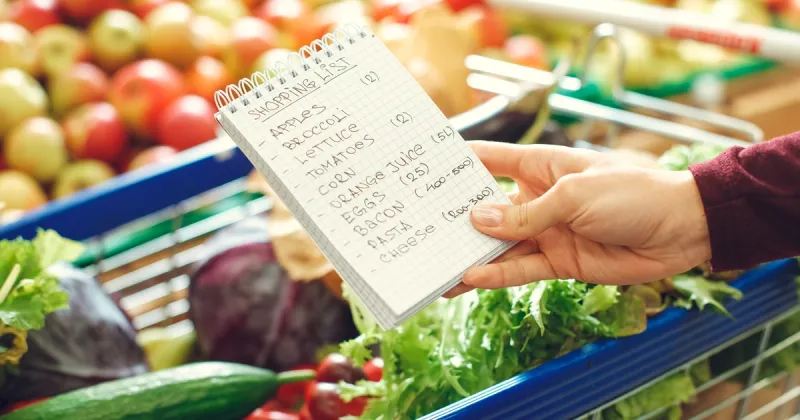
Wandering around the supermarket without a plan is basically financial self-sabotage.
You'll end up with random ingredients that don't go together and a trolley full of stuff you don't actually need.
Taking twenty minutes to plan your week's meals might seem boring, but it stops impulse buys dead in their tracks.
Check what's already lurking in your cupboards first, then build meals around those ingredients and whatever's on offer that week.
Write a proper list and stick to it like your life depends on it.
You'll waste less food, spend less money, and actually know what's for tea every night.
Using Slow Cookers To Stretch Cheaper Cuts

Slow cookers are absolute game-changers for tight budgets.
Those tough, cheaper cuts of meat that usually get ignored – like beef shin, pork shoulder, or chicken thighs – transform into melt-in-your-mouth perfection after several hours of gentle cooking.
The magic happens whilst you're at work or doing literally anything else.
Chuck everything in before you leave the house, and you'll come home to a proper home-cooked meal that cost buttons to make.
The low, steady heat breaks down all the connective tissue, making budget meat taste like something from a fancy restaurant.
Plus, they use less electricity than your oven.
Growing Herbs On The Windowsill
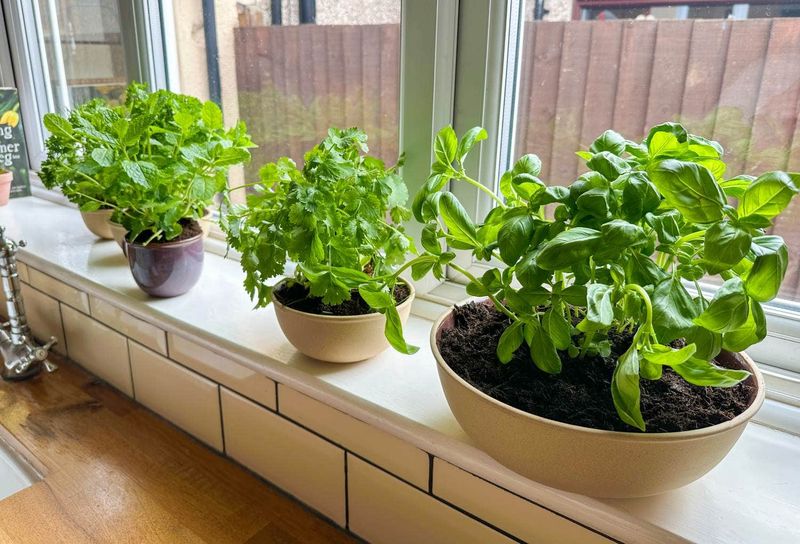
Those little packets of fresh herbs from the supermarket are ridiculously overpriced for what you get, and half of them end up slimy in the bottom of your fridge anyway.
Growing your own on the windowsill costs about two quid for a pot that'll keep producing for months.
Basil, parsley, coriander, and mint are all dead easy to grow, even if you've got the blackest thumb in Britain.
They need minimal fussing – just a sunny spot and a splash of water now and then.
Fresh herbs make even the simplest meals taste restaurant-quality, and you'll feel properly smug about it too.