













Getting carrots to cook evenly at home can feel more challenging than it first appears. Differences in size, moisture, and preparation often lead to mixed results, even when the heat is right.
Reliable frying starts well before the pan or tray is heated, with simple preparation choices shaping how carrots cook and brown. Paying attention to these early steps helps create a more consistent texture and finish, whatever cooking method you prefer.
All information is provided for general interest only. Taste, appearance, and availability may vary. Photos are for illustrative purposes only.
Preparation Shapes Texture Before Cooking Even Begins
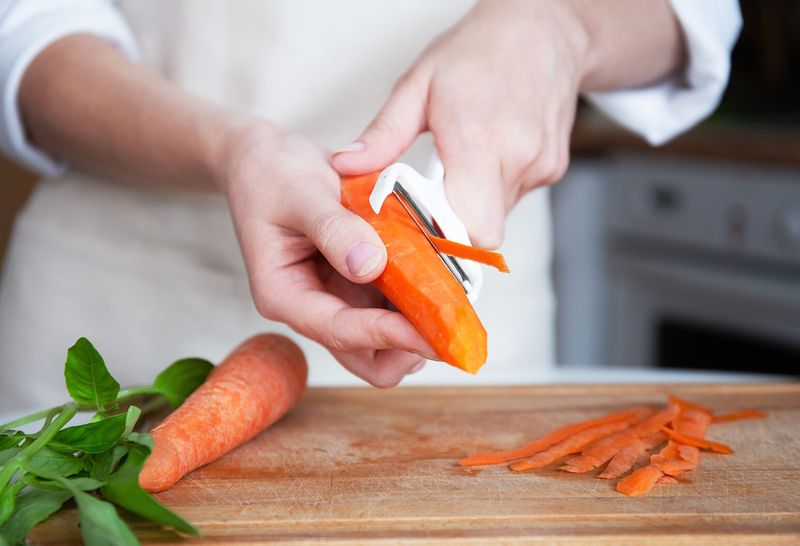
Before you even think about firing up the stove, the way you handle your carrots sets the stage for success. Peeling removes the tough outer layer that can cook at a different rate than the tender flesh beneath.
Trimming both ends ensures you're working with consistent material from top to bottom.
Washing and drying your carrots properly also matters more than you'd think. Excess moisture can cause splattering in hot oil and prevent that lovely golden crust from forming.
A quick pat with a tea towel does wonders for getting them fry-ready and primed for even browning.
Timing And Heat Matter Just As Much As Knife Work
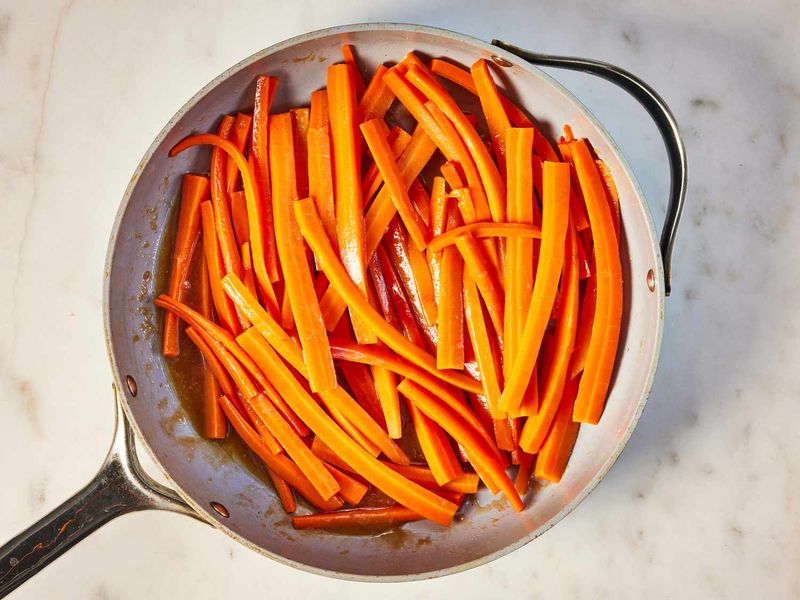
You can slice your carrots to absolute perfection, but if your pan's not hot enough, you're in for a soggy disappointment. Medium-high heat is the sweet spot where carrots sizzle without scorching, giving them time to cook through while developing that crispy exterior.
Timing your flips is equally crucial. Let them sit undisturbed for a few minutes so they caramelise properly before tossing.
Constant stirring prevents browning and leaves you with pale, sad fries instead of the golden beauties you deserve from all that careful prep work.
The Overlooked Steps That Help Carrot Fries Cook At The Same Pace
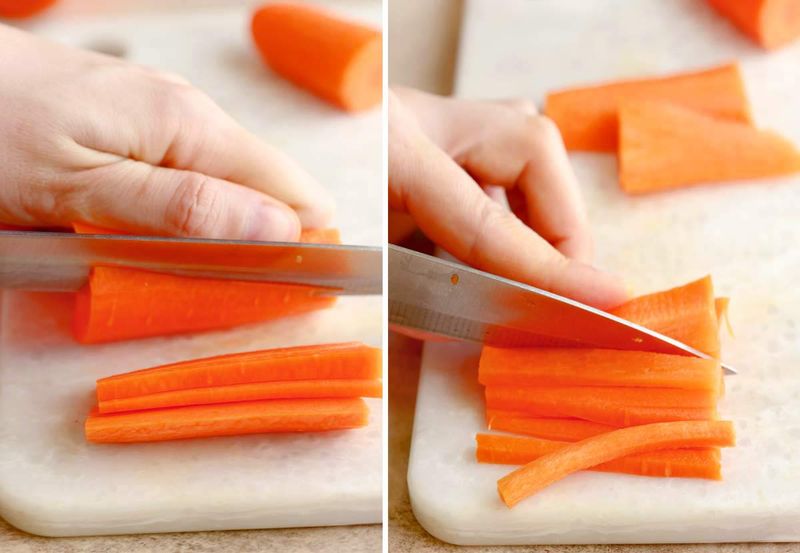
Sorting your carrots by thickness might sound a bit obsessive, but it's a game changer. Thicker pieces take longer to cook through, so grouping similar sizes means everything finishes at the same time.
No more pulling out half-raw batons alongside burnt matchsticks.
Another sneaky trick? Cut your carrots to a uniform length as well as width.
Longer pieces can cook differently at the ends compared to the middle. Keeping them around two to three inches long ensures heat distributes evenly from end to end, giving you reliable results every single time.
Small Kitchen Habits Lead To More Consistent Results
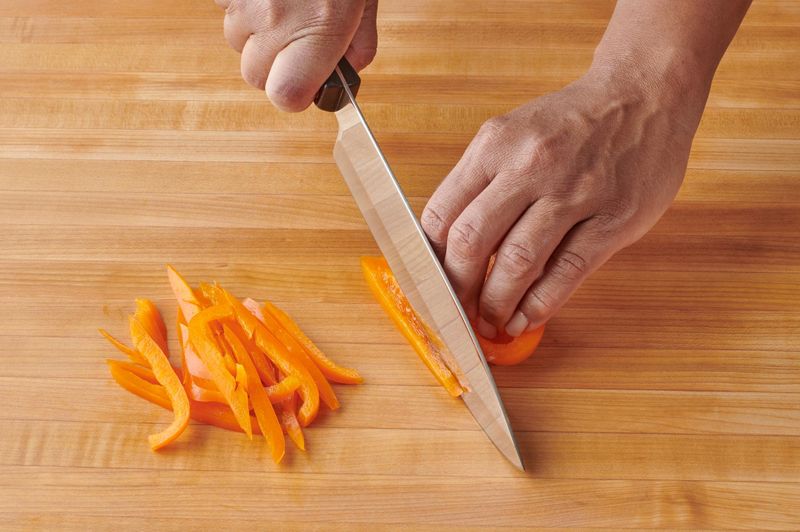
Using a sharp knife isn't just about safety, though that's important too. A dull blade crushes and tears the carrot fibres, creating ragged edges that cook unevenly and release too much moisture.
Sharp cuts mean clean surfaces that fry up beautifully crisp.
Keeping your cutting board stable with a damp cloth underneath prevents slipping and helps you maintain consistent pressure. When your workspace isn't sliding about, your cuts stay uniform.
These tiny habits stack up, turning chaotic frying sessions into predictable, delicious outcomes that make you look like a proper kitchen wizard.
What Helps Carrot Fries Brown Without Drying Out
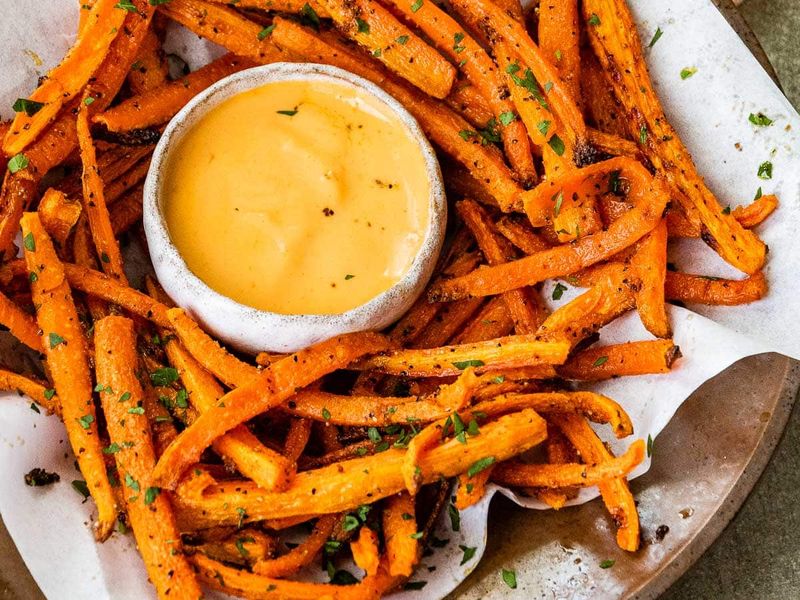
A light coating of oil before frying does double duty: it promotes even browning and keeps the inside tender while the outside crisps up. Too much oil makes them greasy, too little leaves them dry and leathery.
Just enough to coat each piece is the magic formula.
Adding a pinch of salt early on draws out a bit of moisture, which paradoxically helps them crisp better. The salt also seasons from the inside out, making every bite flavourful rather than just the surface.
It's a small step that makes a massive difference to the final result.
Even Cooking Starts Long Before The Tray Goes In
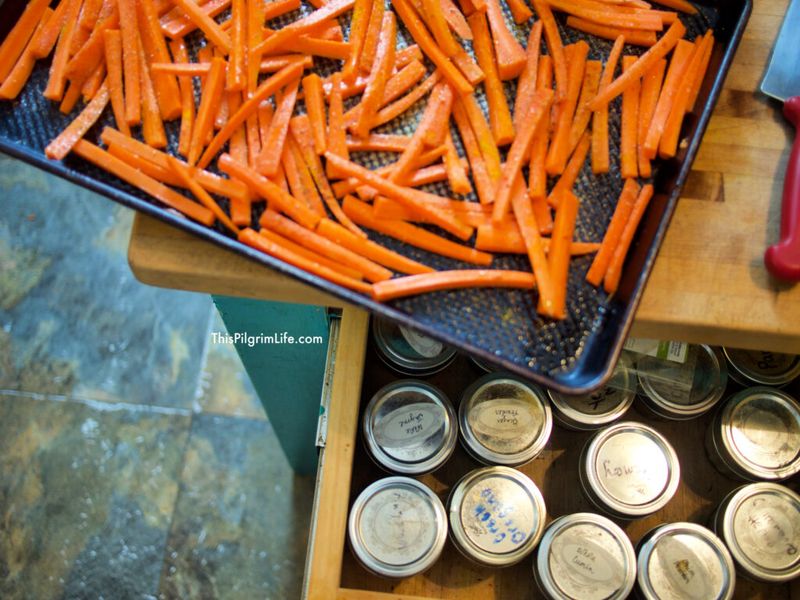
Room temperature carrots cook more evenly than ones straight from the fridge. Cold vegetables lower the pan temperature too quickly, leading to uneven frying and that dreaded pale, steamed texture.
Letting them sit out for fifteen minutes makes a noticeable difference.
Spreading your carrots in a single layer without overcrowding is absolutely essential. Packed too tightly, they steam instead of fry, and you lose that crispy edge.
Give them space to breathe, and they'll reward you with golden, evenly cooked perfection that's worth the extra patience and planning.
The Simple Adjustments That Make Carrot Fries More Reliable
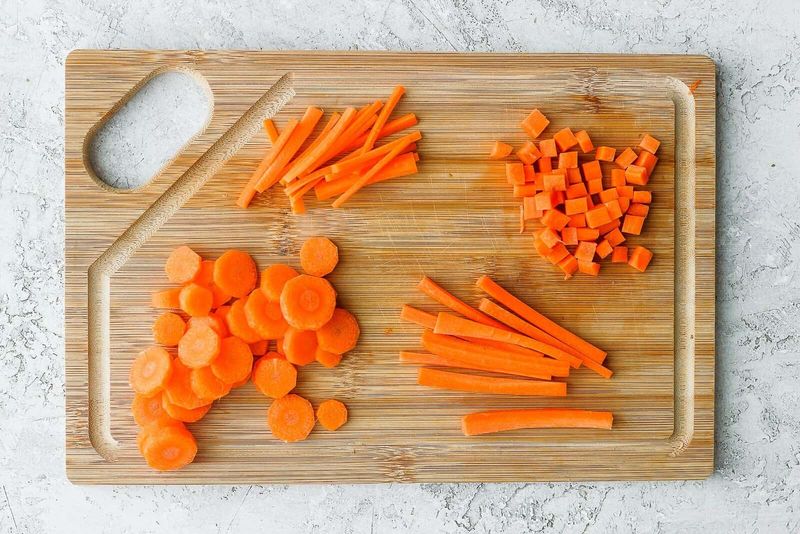
Choosing the right cut for your cooking method changes everything. Julienne strips work brilliantly for quick pan frying, while thicker batonnet cuts hold up better for longer roasting.
Matching your cut to your technique ensures consistent results instead of guesswork.
Finally, don't underestimate the power of a test piece. Fry one carrot stick first to check your heat and timing before committing the whole batch.
This tiny adjustment saves entire trays from ruin and lets you tweak things on the fly, turning you into a carrot-frying legend in your own kitchen.



