













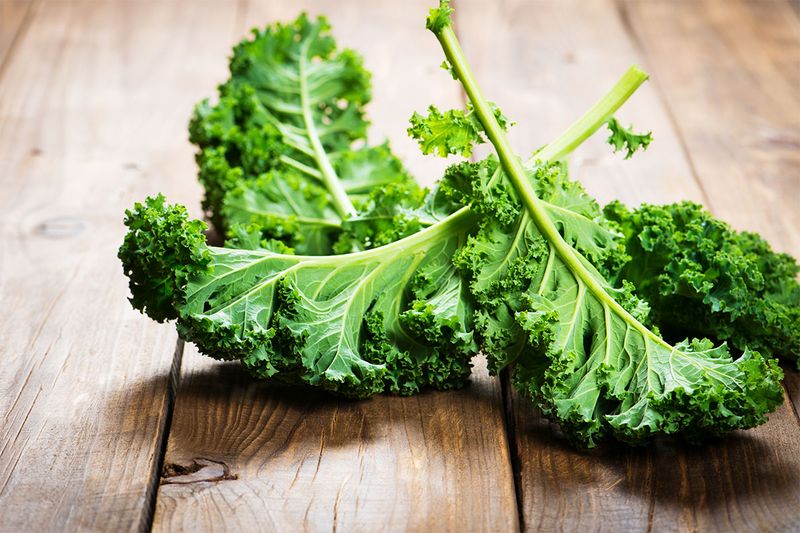
Kale has quietly worked its way from niche health food into everyday kitchens, popping up in smoothies, salads, and even crisps. It’s one of those greens people either swear by or side-eye suspiciously, usually because of its bold flavour and reputation for being very worthy.
What makes it genuinely interesting is how much it can influence everyday wellbeing when it becomes part of a regular routine. Stick around and you’ll see why this leafy staple keeps earning its place on the plate.
All information is provided for general interest only and should not be treated as medical advice. Individual responses to foods can vary, especially for people with existing health conditions or dietary restrictions. Always consult a qualified healthcare professional before making significant dietary changes.
1. Supports Immune Function
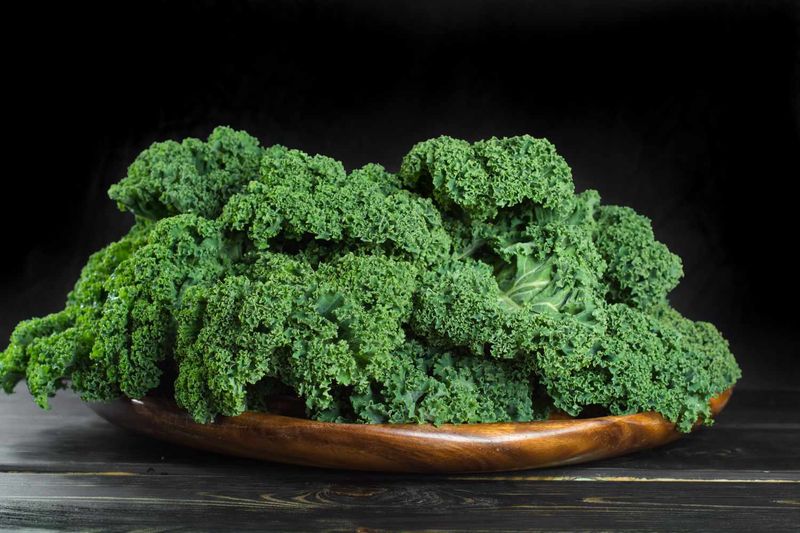
Your body's defence system relies heavily on nutrients like vitamin C, and kale delivers a helpful amount in every serving. Vitamin C supports normal immune function and helps the body maintain healthy cells during everyday wear and tear.
Regularly adding kale to meals can contribute to steady nutritional support rather than quick fixes. It’s one of those simple habits that quietly strengthens overall resilience over time.
A leafy boost on the plate often feels like a small win for everyday wellbeing.
2. Boosts Vitamin K Intake
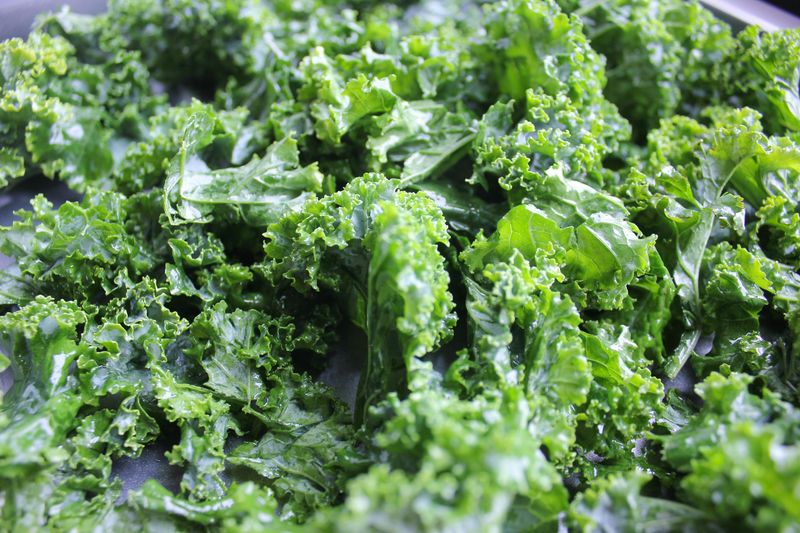
Few foods match kale's vitamin K content—a single serving contains over 600% of what you need daily. This often-overlooked nutrient plays a crucial role in blood clotting and proper wound healing.
Without adequate vitamin K, even minor cuts could become problematic. Eating kale regularly ensures your body has plenty in reserve, supporting everything from bruise recovery to surgical healing.
3. Supports Bone Health
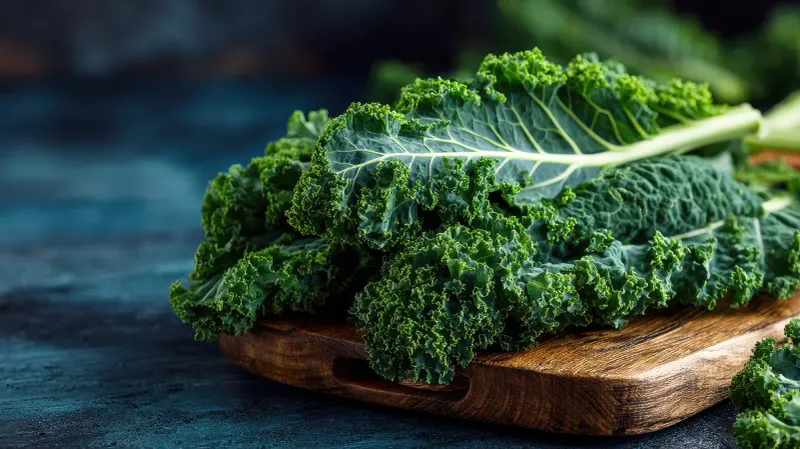
Strong bones need a mix of nutrients, and kale brings vitamin K, magnesium, and small amounts of calcium to the table. These nutrients support normal bone maintenance and help the body use minerals efficiently.
Including kale regularly adds variety and balance to a bone-friendly eating pattern. It fits naturally alongside other calcium-rich foods rather than replacing them.
Over time, small consistent choices like this quietly support long-term skeletal health.
4. Aids Digestive Health

Fibre is kale's secret weapon for keeping your digestive system running smoothly. Each serving contains both soluble and insoluble fibre, which promote regular bowel movements and feed beneficial gut bacteria.
A healthy gut microbiome influences everything from mood to immunity. By eating kale daily, you're giving those helpful microbes exactly what they need to thrive and multiply.
5. Provides Antioxidant Protection

Free radicals damage cells constantly, accelerating ageing and increasing disease risk. Kale combats this with powerful antioxidants like quercetin and kaempferol, which neutralise harmful molecules before they cause trouble.
These compounds work around the clock to protect your DNA and cellular structures. Think of them as your body's personal security team, patrolling for threats every single day.
6. Supports Eye Health
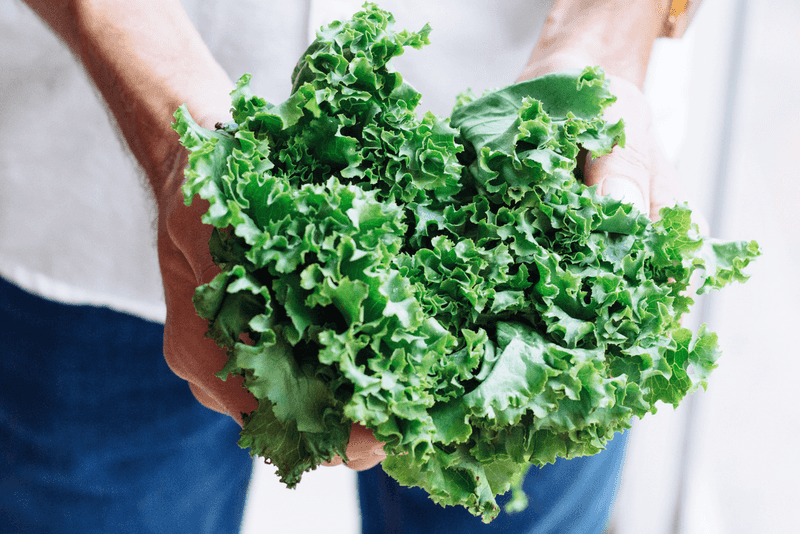
Lutein and zeaxanthin are two carotenoids concentrated in kale that specifically protect your eyes. They filter harmful blue light and reduce oxidative stress in the retina, lowering your risk of macular degeneration.
Many people don't get enough of these nutrients from their diet alone. Adding kale daily ensures your eyes stay sharp and healthy well into your golden years.
7. Supports Heart Health

Cardiovascular disease remains a leading health concern, but kale offers real protection. Its fibre binds to cholesterol in your digestive tract, helping remove it before it enters your bloodstream and clogs arteries.
Potassium in kale also helps regulate blood pressure naturally. Combined with its anti-inflammatory compounds, daily kale consumption creates a heart-friendly environment your cardiovascular system will appreciate.
8. Helps With Weight Management

Calorie-dense foods make weight control difficult, but kale is incredibly low in calories whilst remaining nutrient-rich. You can eat generous portions without worrying about your waistline, feeling satisfied from its fibre content.
The high water content adds volume to meals without adding calories. When you're trying to shed pounds or maintain a healthy weight, kale becomes your reliable ally.
9. Supports Skin Health

Glowing skin starts from within, and kale delivers the vitamins A and C your skin cells need to regenerate and produce collagen. Vitamin C especially helps repair sun damage and reduce fine lines over time.
Beta-carotene in kale converts to vitamin A, supporting cell turnover and keeping your complexion fresh. Regular consumption may even help manage acne by reducing inflammation naturally.
10. Contributes To Healthy Inflammation Balance
Chronic inflammation underlies many modern diseases, from arthritis to heart conditions. Kale contains omega-3 fatty acids and anti-inflammatory compounds that help your body maintain a healthy inflammatory response without overreacting.
Sulforaphane, another compound in kale, activates your body's natural anti-inflammatory pathways. Eating it daily helps keep inflammation in check, protecting your long-term health from the inside out.



