













Cucumbers tend to get treated like a boring salad filler, but they quietly pull their weight when it comes to everyday wellbeing. Crisp, refreshing, and easy to add to almost anything, they bring more to the table than just crunch.
From hydration to gentle nutritional support, there’s a lot going on beneath that pale green skin, and some of it might surprise you once you start paying attention.
This article is for general information only and should not be taken as medical or dietary advice. Nutritional needs vary between individuals, and any changes to diet should be discussed with a qualified healthcare professional.
1. Supports Hydration

Water makes up about 95% of a cucumber, making it one of the most hydrating foods you can eat. Staying properly hydrated helps your body regulate temperature, transport nutrients, and keep your skin looking fresh.
If you struggle to drink enough water throughout the day, munching on cucumbers can help you reach your hydration goals. They're especially great during hot summer months or after a workout when your body needs extra fluids.
2. Low In Calories

Snacking on cucumbers won't wreck your calorie count - a whole cup contains only about 16 calories. This makes them an ideal choice if you're trying to manage your weight without feeling deprived.
You can eat a generous portion and feel satisfied without worrying about overdoing it. Their crunchy texture and mild flavour make them a perfect guilt-free snack any time of day, whether you're at school, work, or relaxing at home.
3. Provides Vitamin K
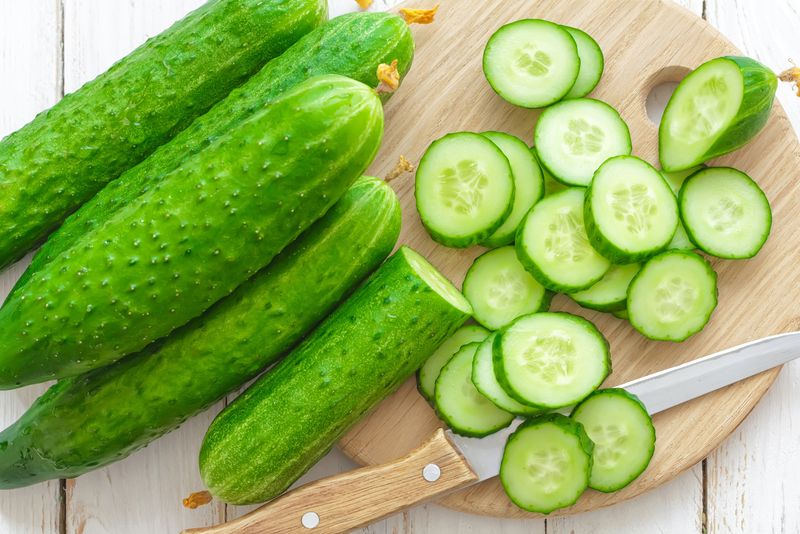
Cucumbers may not be a powerhouse for vitamin K, but they still contribute a small amount that quietly adds up over time. Vitamin K supports normal blood clotting and plays a role in keeping bones functioning as they should, so even modest sources are worth having on your plate.
Tossing cucumber into salads, sandwiches, or wraps is an easy way to sneak in a little extra without thinking about it. It’s one of those background nutrients that doesn’t steal the spotlight but still supports everyday balance.
Pairing cucumbers with other vitamin-rich foods helps create a more rounded and nourishing meal overall.
4. Contains Vitamin C
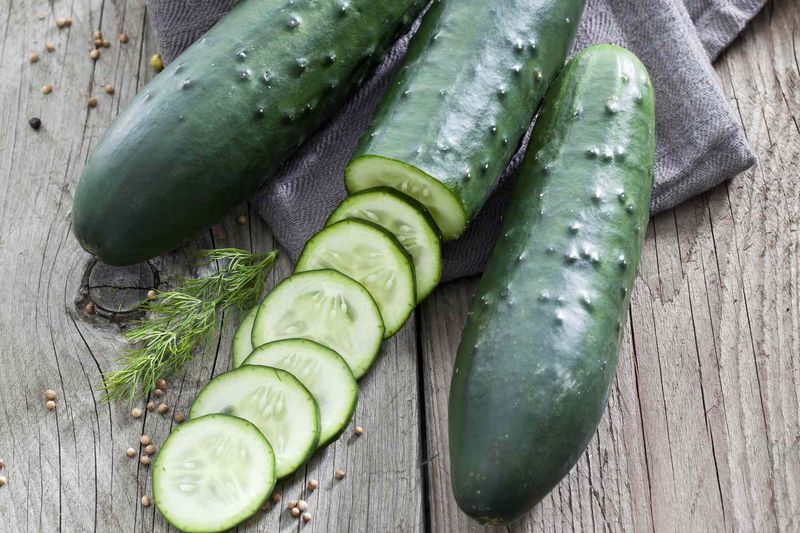
Vitamin C isn't just for oranges - cucumbers contain this important nutrient too. Your immune system relies on vitamin C to function properly, helping you fight off colds and infections more effectively.
This vitamin also supports collagen production, which keeps your skin firm and your wounds healing quickly. Eating cucumbers regularly gives your body a gentle, consistent supply of vitamin C alongside other beneficial nutrients that work together to keep you healthy.
5. Offers Potassium

Potassium helps regulate your heartbeat, supports muscle function, and balances fluids in your body. Cucumbers provide a modest but valuable amount of this essential mineral.
Many people don't get enough potassium from their diets, which can lead to fatigue and muscle cramps. Adding cucumbers to your meals is a simple way to increase your intake naturally, especially when combined with other potassium-rich foods like bananas and sweet potatoes.
6. Supplies Antioxidants

Antioxidants are compounds that protect your cells from damage caused by harmful molecules called free radicals. Cucumbers contain several types of antioxidants, including flavonoids and tannins, which may help reduce inflammation in your body.
Over time, chronic inflammation can contribute to various health problems. By eating cucumbers regularly, you're giving your body natural tools to combat oxidative stress and potentially lower your risk of certain diseases.
7. Aids Digestive Comfort
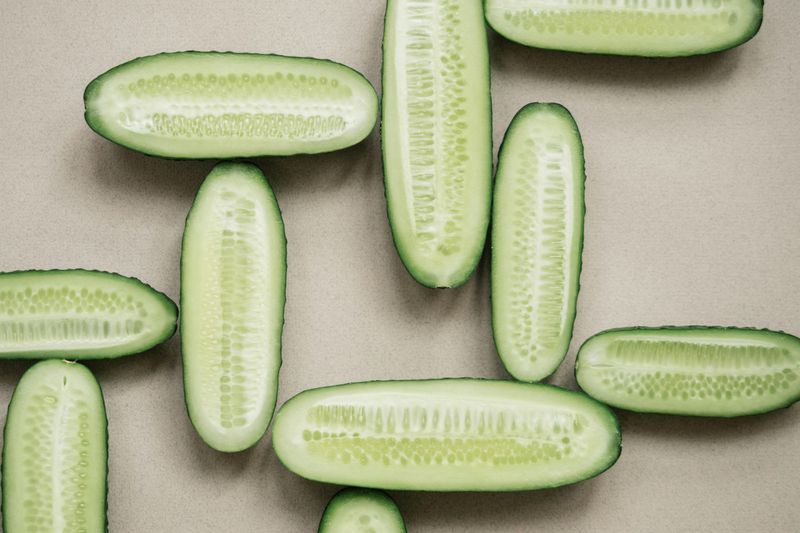
Fibre and water work together in cucumbers to promote smooth digestion and regular bowel movements. The peel, in particular, contains insoluble fibre that helps food move through your digestive tract more efficiently.
If you occasionally experience bloating or constipation, adding more cucumbers to your diet might bring relief. Their high water content also helps soften stools, making them easier to pass and reducing digestive discomfort overall.
8. Contributes To Heart Health

Heart health depends on many factors, including proper hydration, balanced electrolytes, and reduced inflammation - all areas where cucumbers can help. Their potassium content supports healthy blood pressure levels, whilst antioxidants may protect your cardiovascular system from damage.
Though cucumbers alone won't prevent heart disease, they're part of a heart-smart eating pattern when combined with other wholesome foods. Making them a regular part of your diet is a tasty step towards better cardiovascular wellness.



