













If you’ve ever wondered whether your cooking method is secretly undoing your healthy eating efforts, you’re not alone.
Boiling vegetables until they’re soft might be quick, but it can strip away many of their nutrients before they reach your plate.
The way you cook your veg – whether it’s grilling courgettes, steaming carrots, or stir-frying peppers – plays a huge role in how much goodness your body actually gets.
Knowing which methods preserve the most vitamins and minerals can help you make smarter (and tastier) choices in the kitchen.
All information is provided for general interest only and is not a substitute for professional dietary advice.
Nutritional values may vary depending on preparation and portion size.
Photos are for illustrative purposes only.
Why Cooking Method Matters More Than You Think
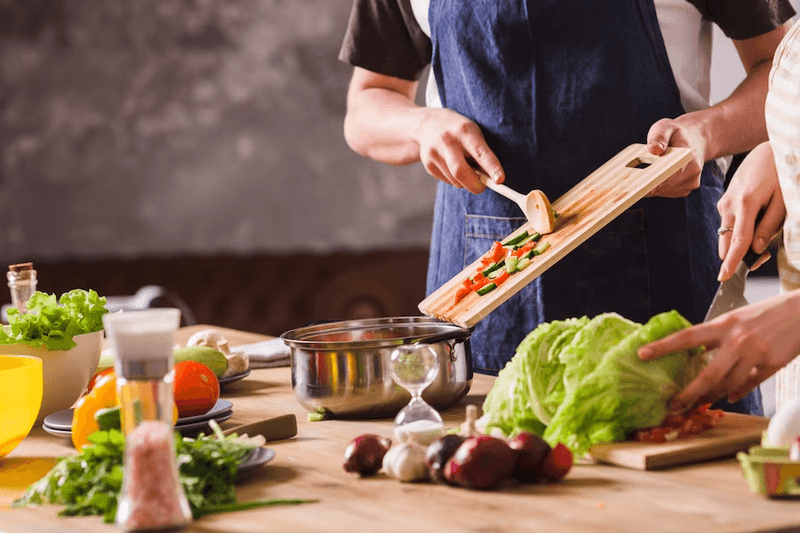
Most of us reckon vegetables are vegetables, right?
Turns out, what happens between the chopping board and your fork matters more than you'd expect.
Different cooking techniques can either lock in those precious vitamins or send them straight down the drain with your washing-up water.
Water-soluble vitamins like C and B are particularly fussy – they'll escape given half a chance.
Heat-sensitive nutrients can break down if you're not careful with temperature and timing.
According to nutritionists, understanding how heat, water, and cooking time affect your veg means you can make smarter choices without overthinking every meal.
It's not about being perfect; it's about knowing which methods work best for everyday cooking.
The Science Behind Nutrient Retention
Here's the thing: vitamins aren't all created equal when it comes to heat.
Some nutrients are absolute drama queens, disappearing the moment things get too hot or wet.
Others are surprisingly tough and can handle a bit of rough treatment.
Fat-soluble vitamins like A, D, E, and K actually become easier for your body to absorb when cooked with a little oil.
Water-soluble ones, though?
They'll leach out into cooking water faster than you can say "five a day."
The trick is matching your cooking method to the vegetable you're preparing.
Shorter cooking times and less water generally mean more nutrients stay put where they belong.
Steaming – Gentle Cooking That Preserves Vitamins
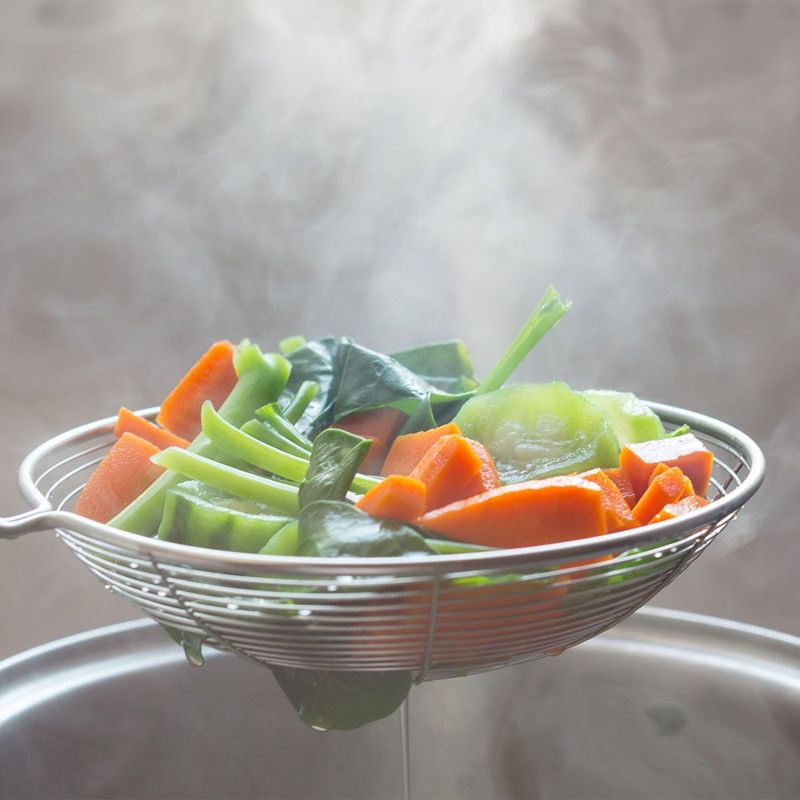
Steaming is basically the gold standard if you're serious about keeping your nutrients intact.
Because your veg sits above the water rather than swimming in it, those water-soluble vitamins don't have anywhere to escape.
The gentle heat does its job without going overboard.
Nutritionists often recommend steaming for things like broccoli, green beans, and cauliflower – vegetables that turn to mush easily.
You'll keep that satisfying crunch and those gorgeous colours without sacrificing the good stuff.
Plus, there's zero need for added fats, which keeps things light if that's what you're after.
Just don't overdo it; soggy veg helps nobody.
Grilling – Adding Flavour Without Losing Nutrition
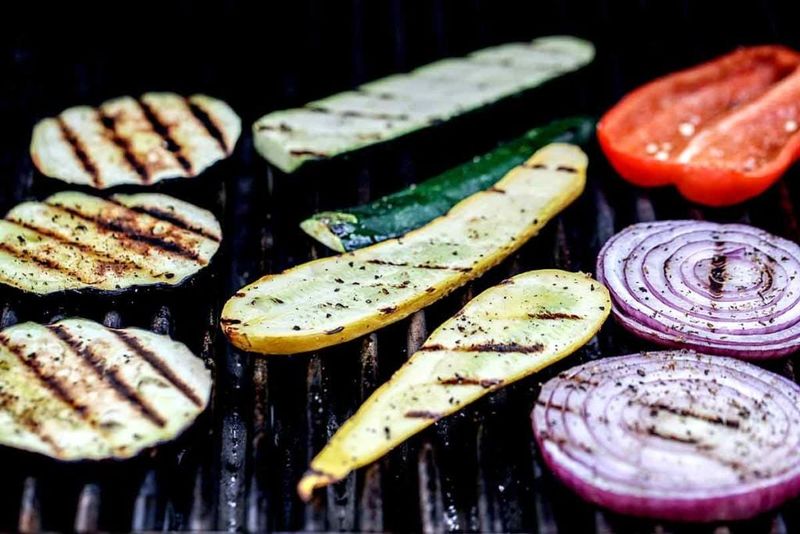
Nothing beats that smoky, slightly charred flavour you get from grilling.
Throwing courgettes, peppers, and aubergines on the barbie adds serious taste without drowning them in oil or butter.
The high heat caramelizes the natural sugars, making even boring veg taste brilliant.
That said, there's a fine line between delicious char and burnt offerings.
Experts reckon keeping the flame moderate and flipping regularly helps avoid creating potentially dodgy compounds from overcooking.
A quick brush with olive oil and some seasoning before grilling works wonders.
Marinating beforehand can add extra protection and flavour.
Balance is key – tasty doesn't have to mean cremated.
Stir-Frying – The Perfect Balance Of Taste And Texture
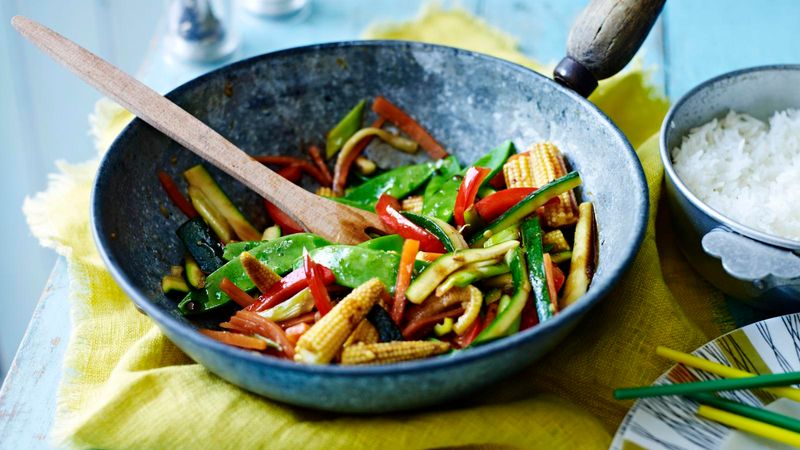
Quick, hot, and over before you know it – that's stir-frying in a nutshell.
This method keeps nutrients locked in because everything happens so fast.
Chuck your veg in a smoking-hot wok with a splash of decent oil, keep things moving, and you're done in minutes.
The rapid cooking preserves texture and colour whilst helping your body absorb fat-soluble vitamins from whatever oil you're using.
Olive, rapeseed, or groundnut oil all work brilliantly.
Doctors often point out that this method combines nutrition with flavour better than most, making it easier to actually enjoy eating your greens.
Fast food in the best possible sense, really.



