











Did it ever happen to you that you're halfway through cooking dinner and suddenly realise you've run out of cumin? Try not to panic. While cumin has a warm, earthy flavour that's hard to beat, there are several swaps that can still bring some depth to your dish.
The suggestions in this article are based on commonly used culinary substitutions. Flavour results may vary depending on recipe type, spice freshness, and personal taste preferences.
1. Ground Coriander Seeds
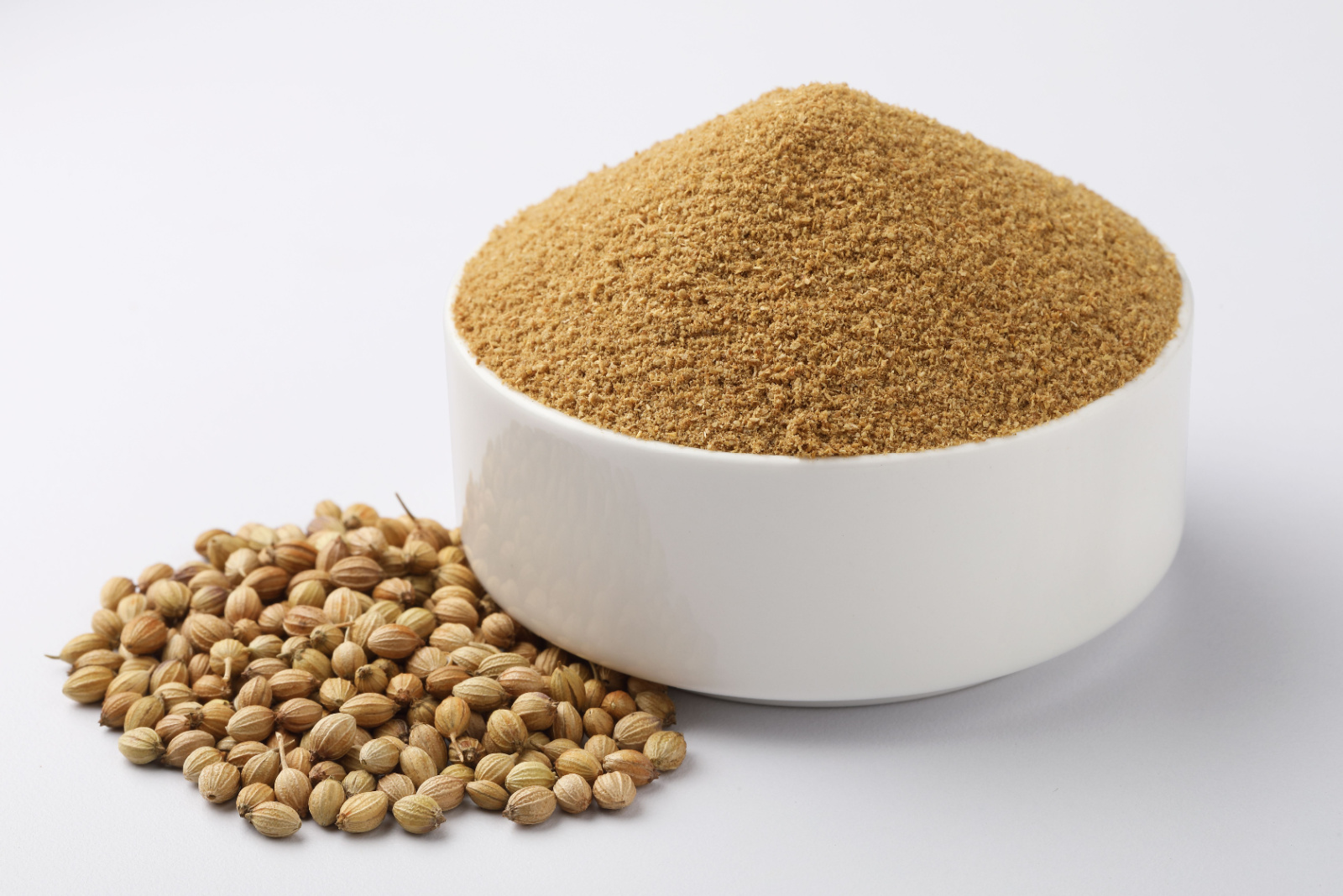
The citrusy cousin of cumin that saves many a curry. Ground coriander carries similar earthy notes but introduces a bright, lemony twist that works brilliantly in Middle Eastern and Indian cuisines.
Simply use it in equal measurements as you would cumin. The flavour profile is milder, so feel free to add a pinch more if your taste buds like it that way.
2. Caraway Seeds

Often mistaken for cumin at first glance, these botanical relatives share more than looks. Caraway brings a similar earthiness but with distinctive anise-like undertones and a slight peppery kick.
For best results, lightly toast and crush these crescent-shaped seeds before adding to your dish. They shine particularly in European recipes and make a cracking stand-in at about ¾ the amount of cumin called for.
3. Garam Masala
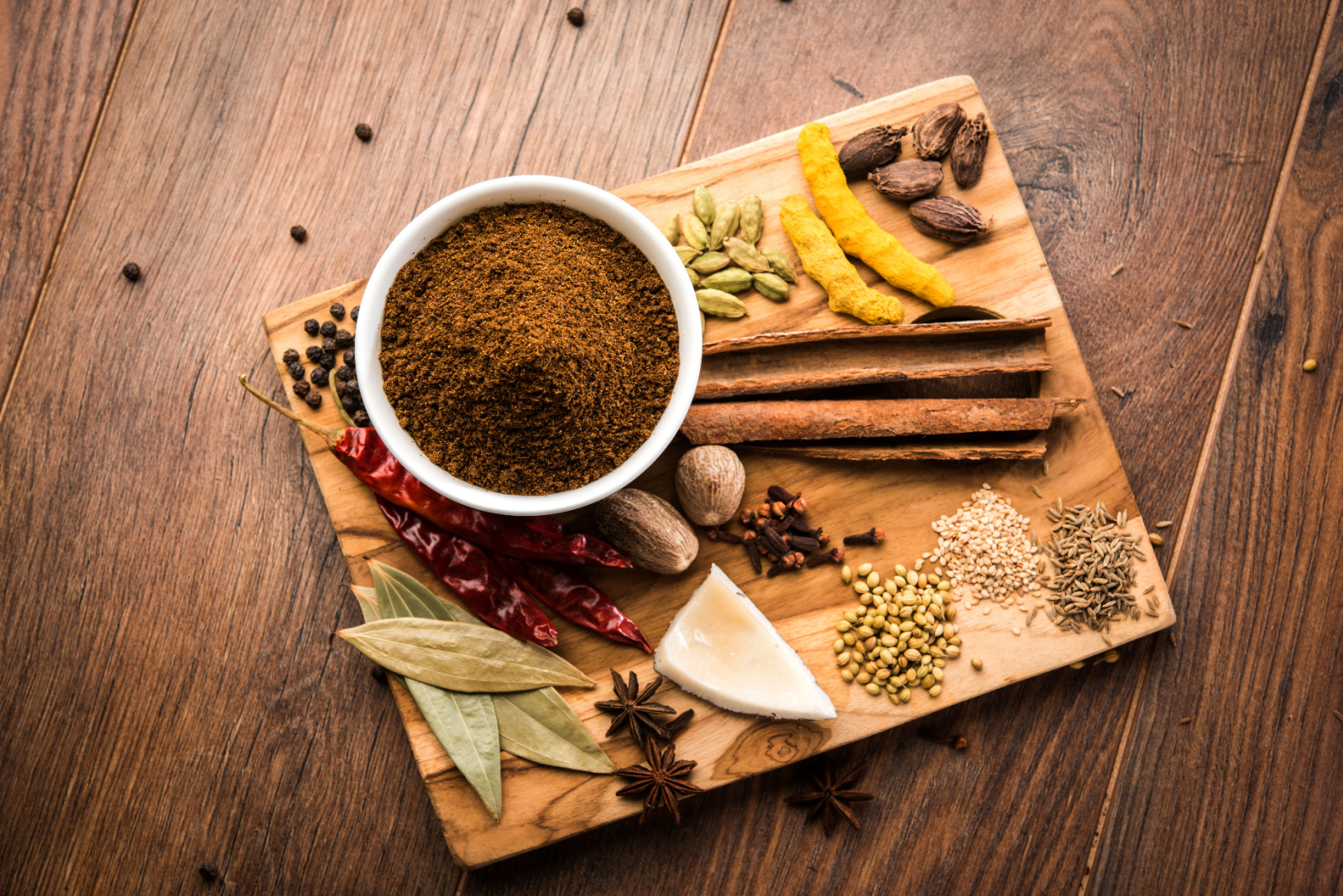
This aromatic Indian spice blend actually contains cumin along with cardamom, cinnamon, cloves and black pepper. The complex symphony of flavours works wonderfully in curries and stews.
Since it's more potent than cumin alone, start with half the amount your recipe requires. The warming spices in garam masala add depth that plain cumin can't match, sometimes a happy accident leads to tastier results.
4. Curry Powder
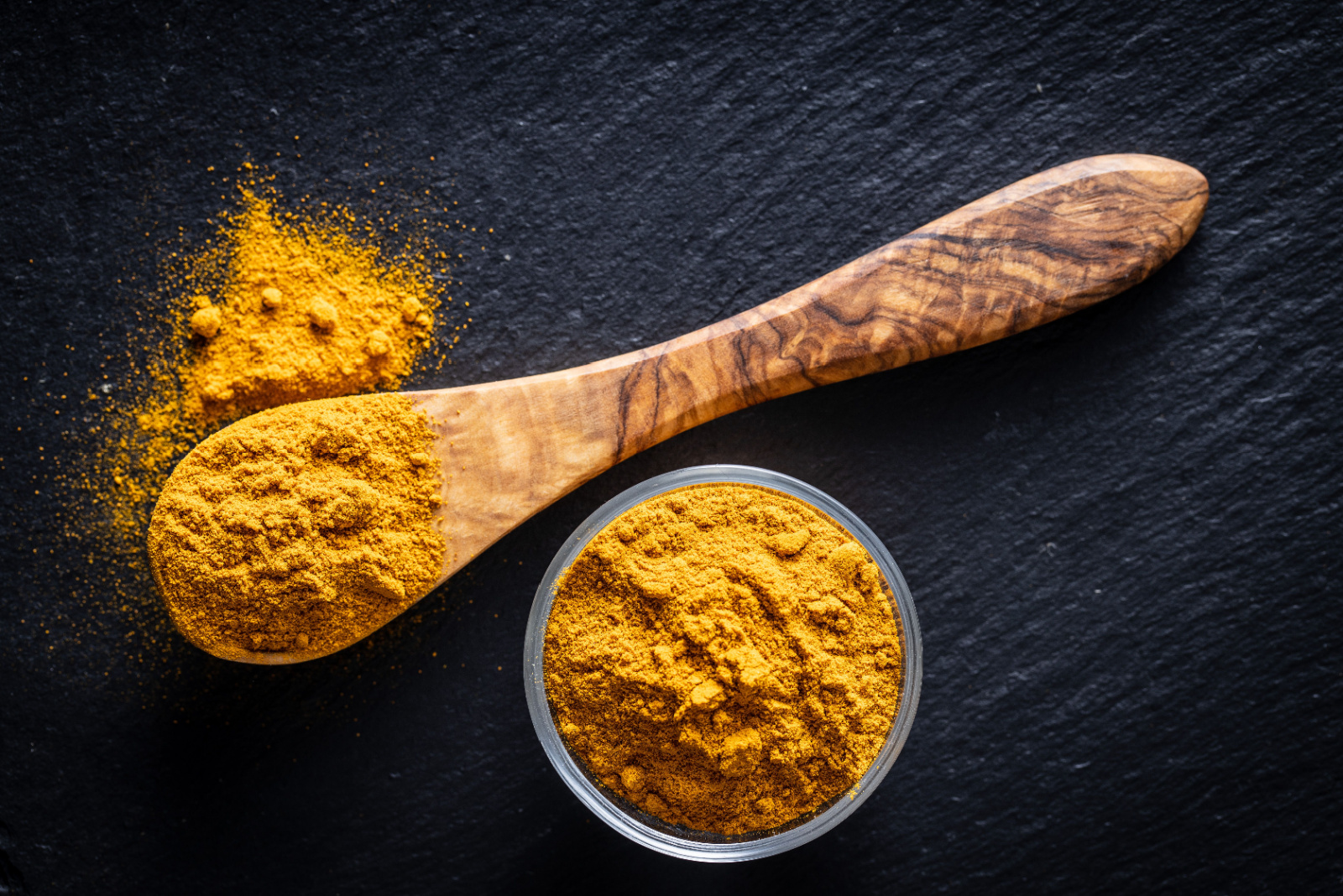
Yellow gold for your culinary emergencies. This British-Indian fusion blend typically includes turmeric, cumin, coriander, and fenugreek, creating a ready-made flavour base.
The turmeric content means it will add colour as well as flavour to your dishes. Start with about half the amount of cumin called for, then adjust according to taste. Works amazingly well in stews, soups and rice dishes.
5. Smoked Paprika
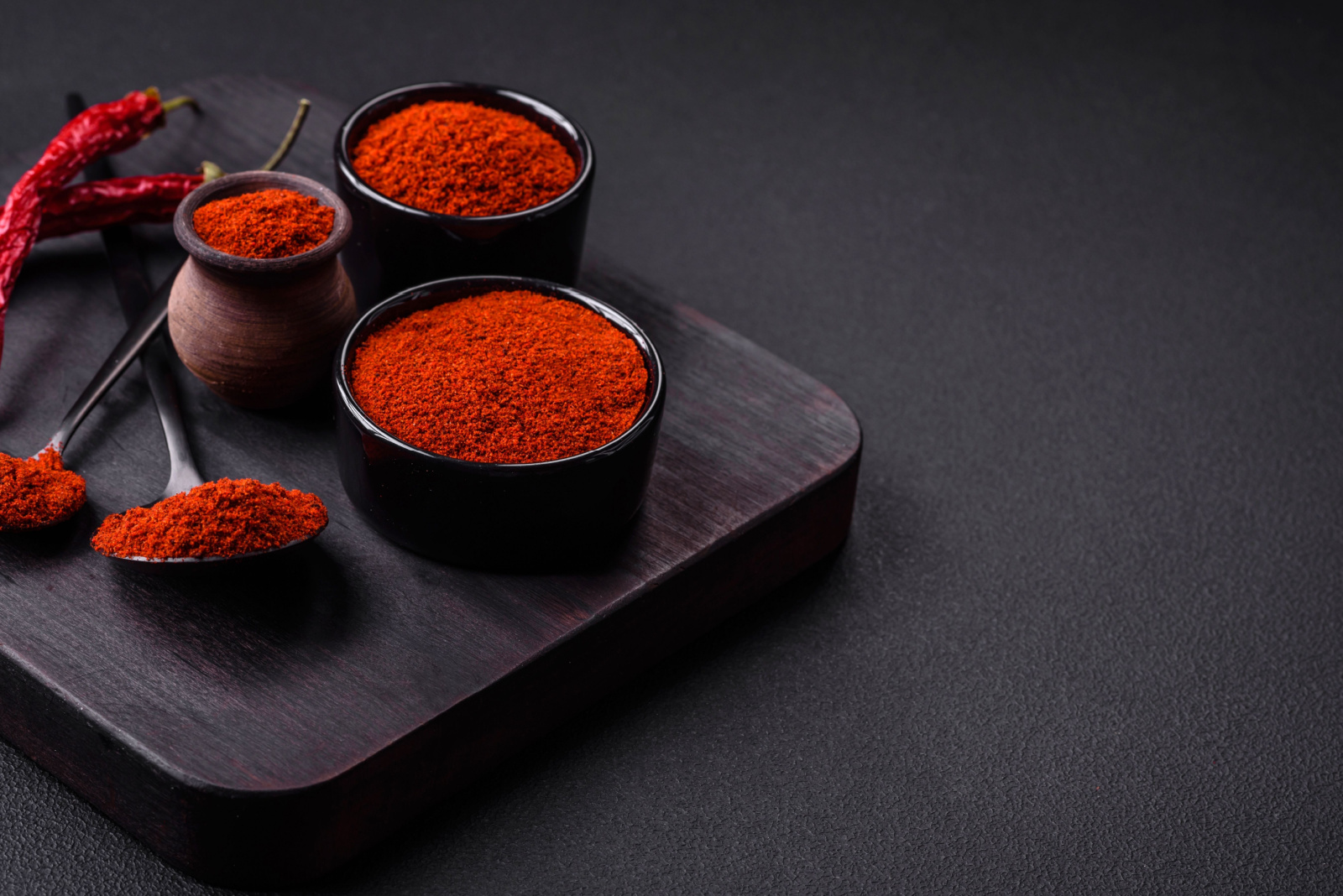
Fancy a Spanish twist? Smoked paprika (pimentón) offers a completely different but equally compelling flavour direction with its rich, smoky character and vibrant red hue.
Though lacking cumin's earthy bitterness, it adds depth to chillies, stews and meat rubs. The sweet-smoky notes can transform your dish in surprisingly delicious ways, sometimes veering off-recipe creates unexpected magic.
6. Chilli Powder Blend
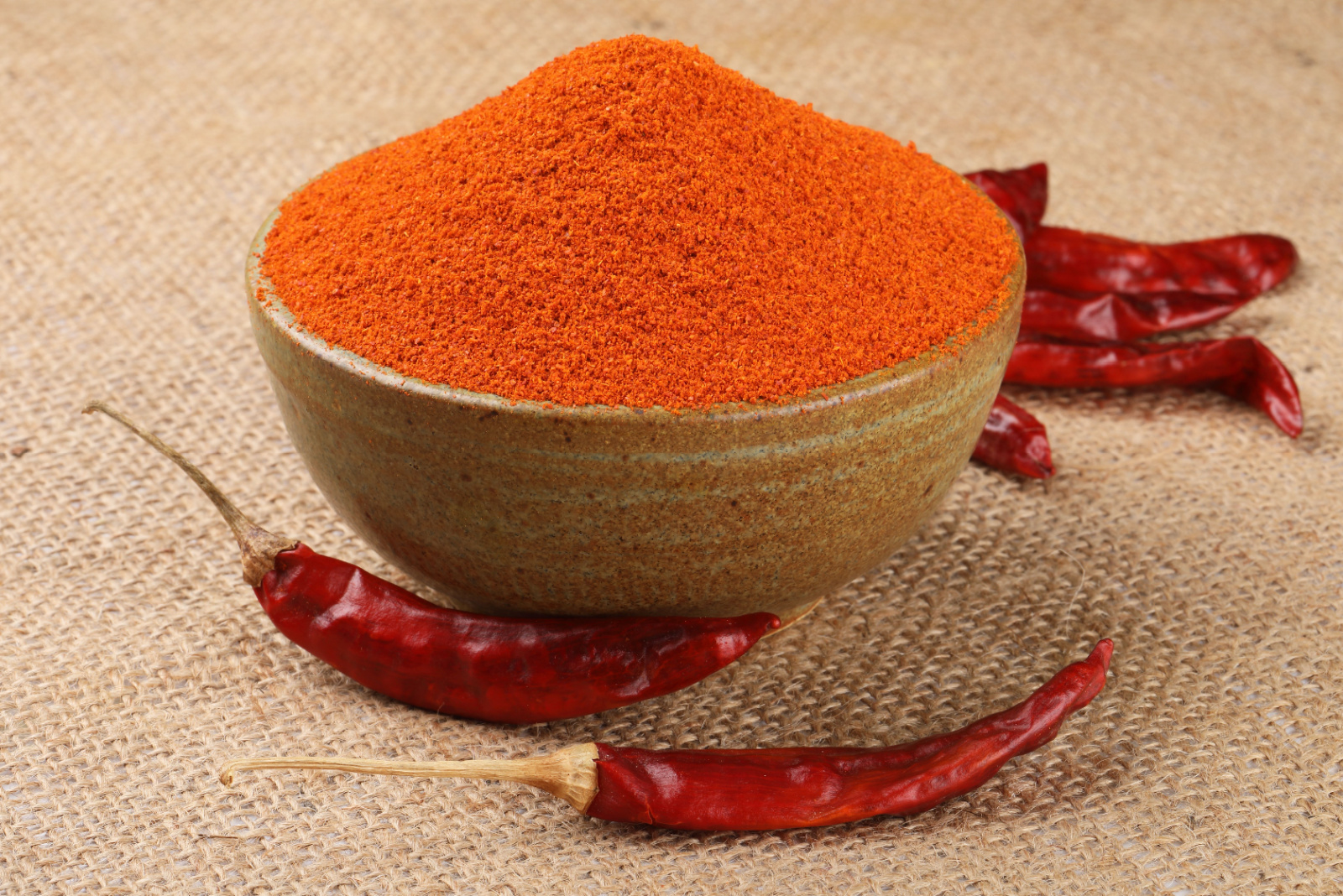
Not to be confused with pure ground chillies. American-style chilli powder typically contains cumin, oregano, garlic powder and various ground chillies, making it a convenient all-in-one substitute.
Great for Mexican and Tex-Mex dishes, this reddish blend brings both flavour and heat. The spice level varies between brands, so start cautiously with about ¾ the amount of cumin called for in your recipe.
7. Fennel Seeds
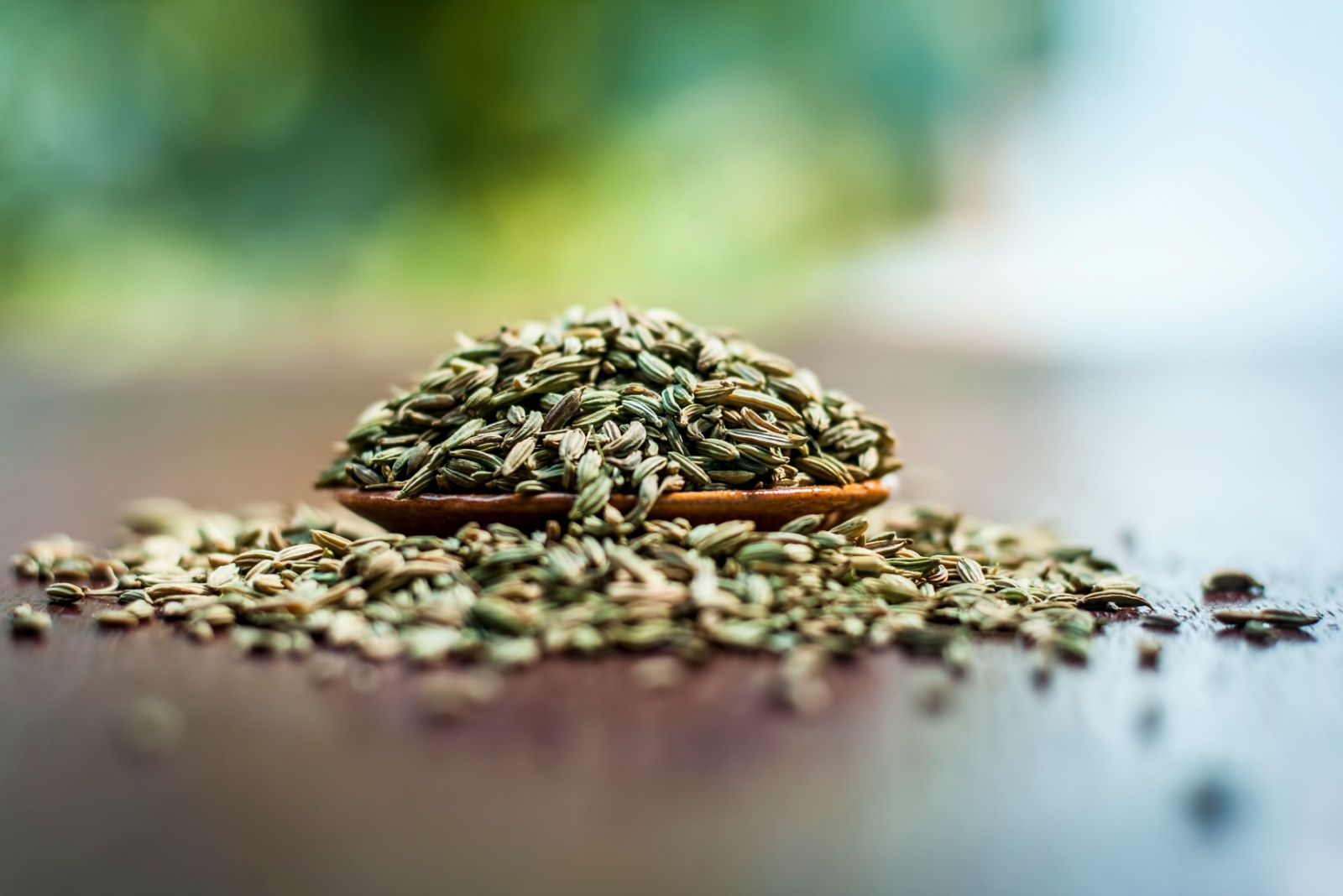
Sweet aniseed notes make fennel seeds a surprising but effective cumin alternative. These pale green seeds bring aromatic complexity to dishes, particularly those with Mediterranean or Middle Eastern roots.
Toast them lightly to mellow the licorice notes before grinding. Use about half the amount your recipe calls for cumin initially. Fennel pairs well with fish and pork dishes where cumin might ordinarily feature.
8. Ground Allspice
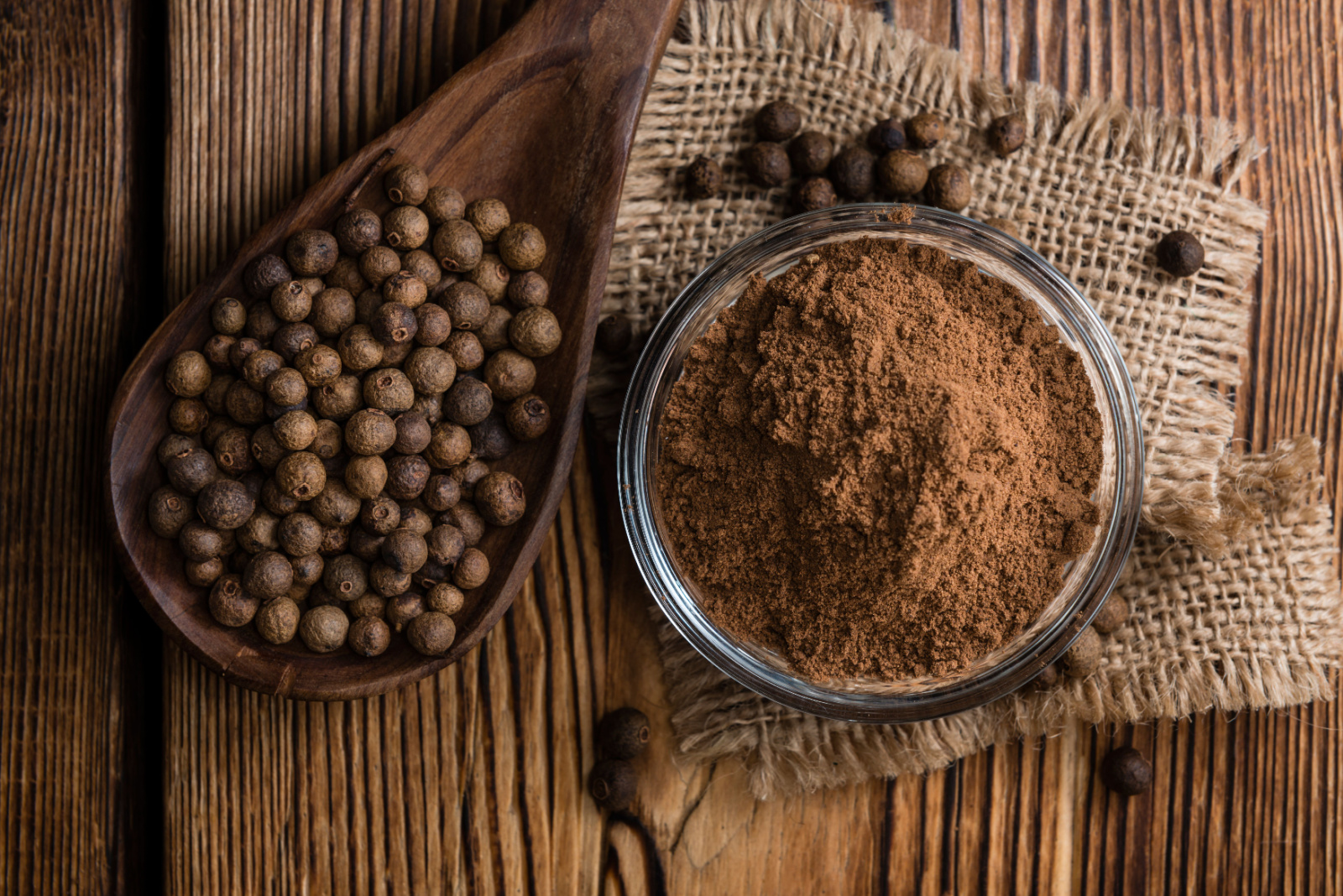
Despite its name, allspice isn't a blend but a single berry that tastes like a mixture of cinnamon, nutmeg and cloves. This Jamaican spice brings warm, sweet notes with subtle peppery undertones.
While not an obvious cumin substitute, it works surprisingly well in Middle Eastern and North African dishes. Its complex character means you should use roughly ⅓ the amount of cumin called for, adjusting to taste.
9. Star Anise
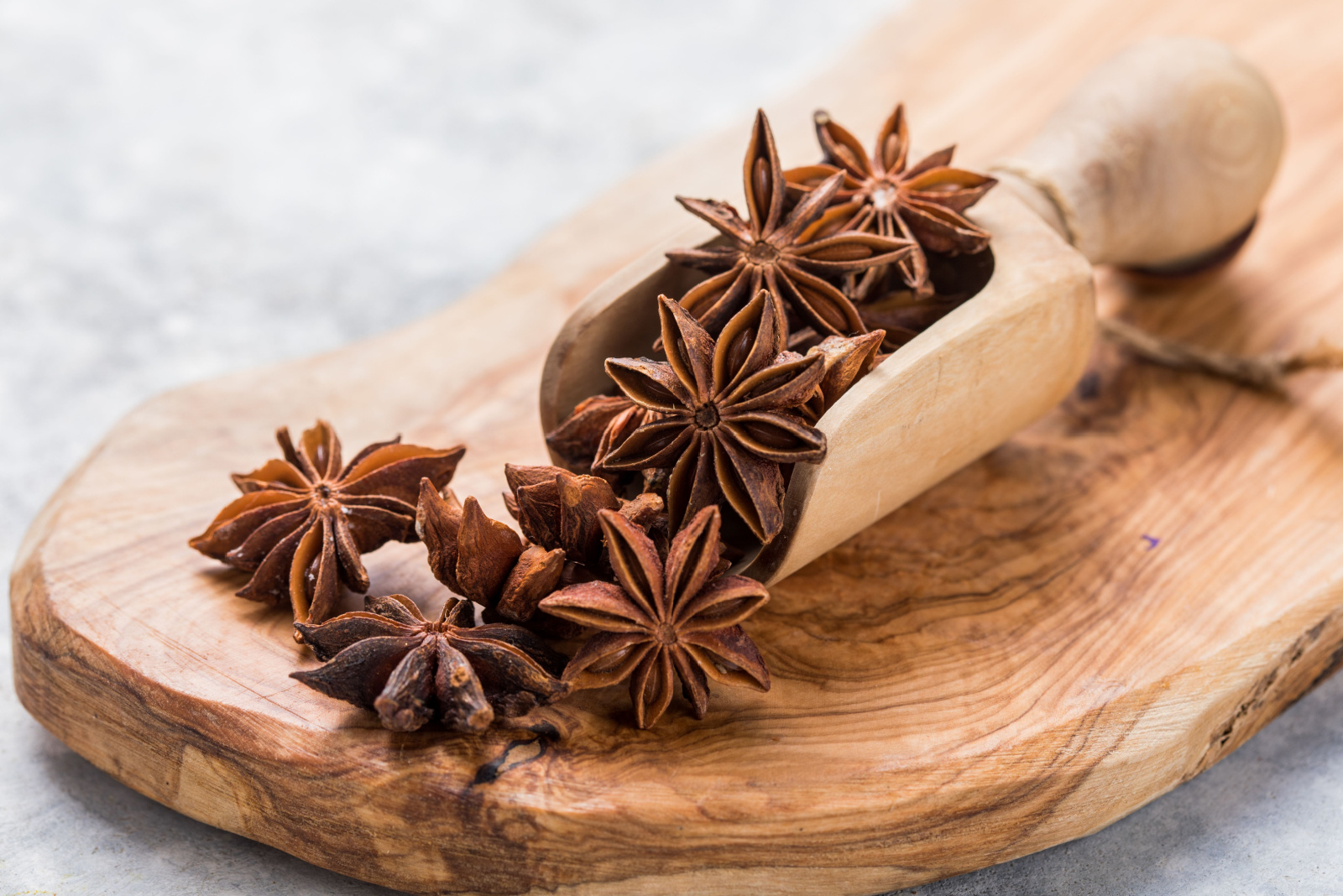
This striking star-shaped spice offers a licorice-like sweetness with deep, complex notes. Though quite different from cumin's earthiness, star anise can work wonderfully in slow-cooked dishes and certain Asian recipes.
Use sparingly: one point of a star equals about ¼ teaspoon of ground cumin. Grind it finely or use whole and remove before serving. The distinctive flavour pairs particularly well with duck and pork dishes.