













Growing fruit and vegetables does not require a large garden or specialist equipment. Balconies, patios, windowsills, and small outdoor spaces can all support productive container growing when the right varieties and pots are used.
From salad leaves and herbs to compact fruit plants, pot growing offers flexibility, easier maintenance, and greater control over soil and watering. For many households, it provides a simple way to enjoy fresher produce while making the most of limited space.
All information is provided for general interest only. Growing results may vary depending on climate, space, soil quality, and care routines.
Local growing conditions and seasonal availability should always be considered. Photos are for illustrative purposes only.
1. Tomatoes
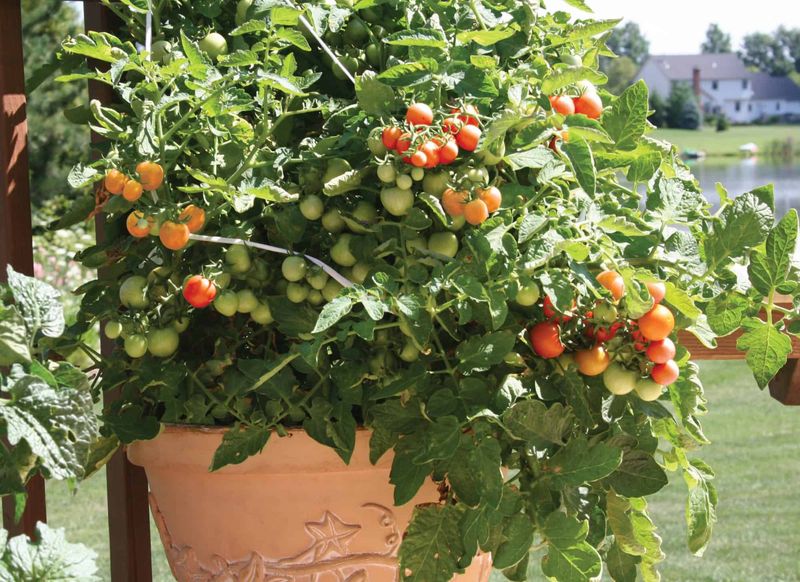
Compact varieties like 'Tumbling Tom Red' or 'Tiny Tim' absolutely thrive in pots, offering you a steady supply of sun-warmed tomatoes without needing a full vegetable patch. These smaller types don't sprawl uncontrollably, making them perfect for balconies or patios where space is at a premium.
Choose a pot at least 30cm deep with good drainage, and position it somewhere that gets six to eight hours of sunlight daily. Feed regularly with tomato fertiliser once flowers appear, and watch those little green globes swell into something truly delicious.
2. Strawberries
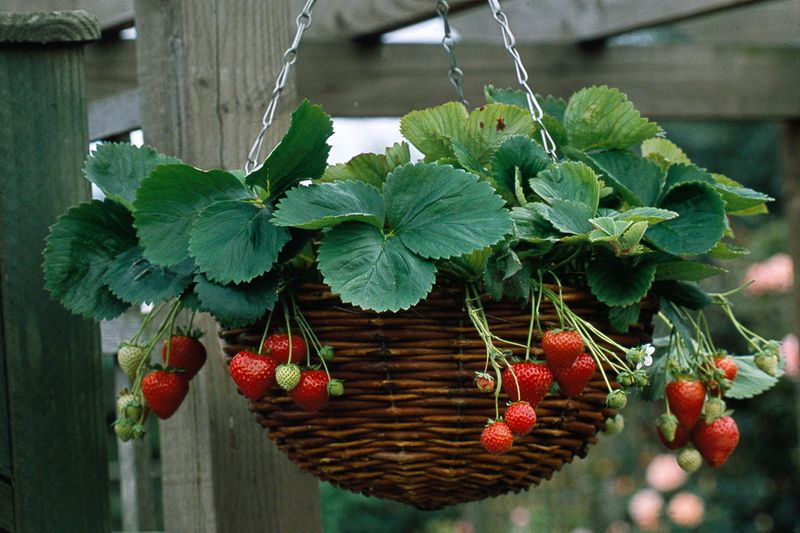
Few things beat plucking a warm strawberry straight from the plant, and the good news is they're brilliant in containers. Hanging baskets, tower pots, or traditional planters all work beautifully, letting those trailing runners cascade over the edges while the fruit dangles temptingly below.
Strawberries prefer slightly acidic soil and consistent moisture, so don't let them dry out completely during fruiting season. They'll reward you with sweet, aromatic berries from late spring through summer, and many varieties will even produce a second flush in autumn.
3. Lettuce
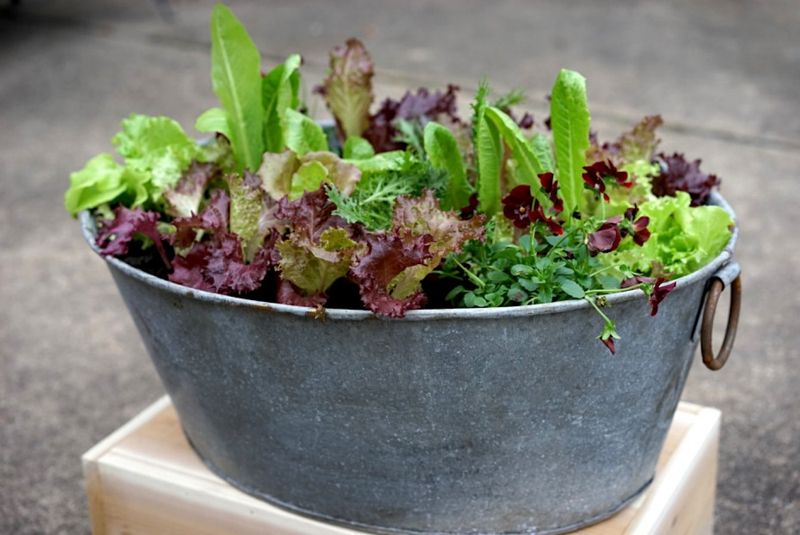
Quick-growing and endlessly versatile, lettuce is one of the easiest leafy greens to cultivate in pots. Varieties like 'Little Gem' or loose-leaf types such as 'Lollo Rosso' give you continuous pickings without needing to harvest the whole plant at once, which stretches your crop over weeks rather than days.
Lettuce prefers cooler conditions and partial shade during hot months, so move your pot accordingly to avoid bolting. A shallow container works fine since roots don't run deep, and you can succession-sow every few weeks for a rolling harvest.
4. Radishes
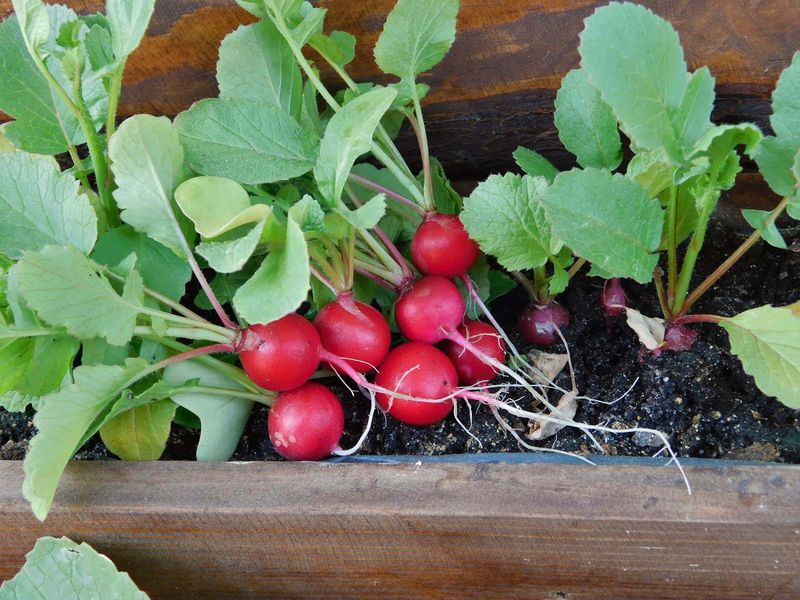
If you're after instant gratification, radishes are your veg. These peppery little roots mature in as little as three weeks, making them ideal for impatient gardeners or anyone keen to see quick results from their container setup.
Sow seeds directly into a pot at least 15cm deep, spacing them a couple of centimetres apart, and keep the soil consistently moist. Radishes don't demand much fuss, but they do appreciate cooler weather, so spring and autumn sowings tend to yield the crunchiest, least bitter roots with that satisfying snap.
5. Chillies
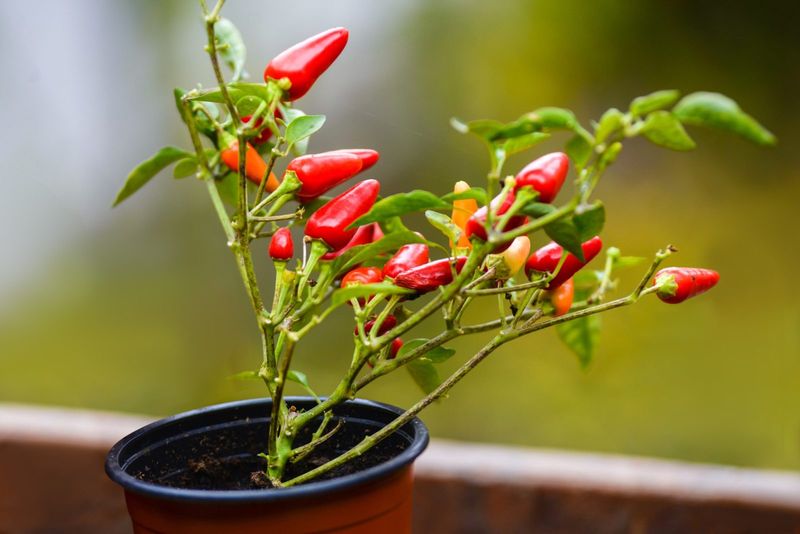
Compact chilli varieties such as 'Apache' or 'Prairie Fire' bring both heat and ornamental appeal to your container garden, with glossy fruits ripening from green through to fiery red. They're surprisingly low-maintenance once established, tolerating occasional neglect better than many other edibles.
Position your chilli pot in the sunniest spot you've got, as warmth and light are essential for fruit development and flavour intensity. Regular feeding with a high-potash fertiliser encourages prolific fruiting, and you can even bring pots indoors over winter to extend the harvest.
6. Herbs (Basil, Parsley, Mint)
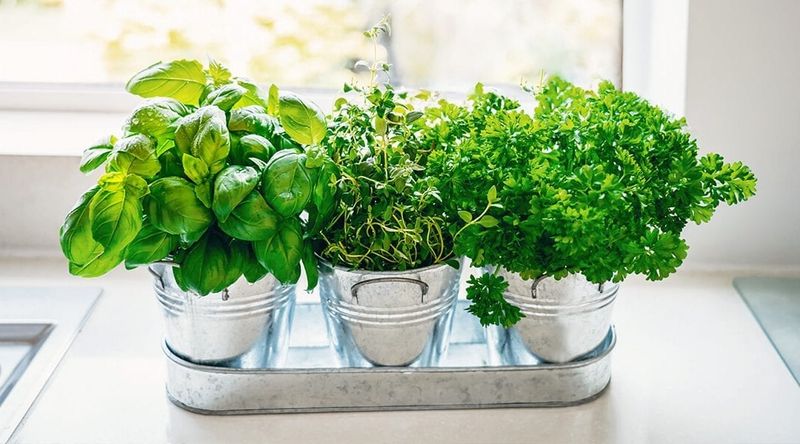
Basil, parsley, and mint are the holy trinity of container herbs, each bringing distinct flavours and aromas to your cooking without demanding much space or effort. Basil loves warmth and sunshine, parsley tolerates shadier spots, and mint… well, mint will grow almost anywhere, often with alarming enthusiasm.
Keep mint confined to its own pot unless you fancy it taking over your entire garden. All three prefer moist but well-drained soil, and regular picking encourages bushier growth, giving you a steady supply of fresh leaves throughout the growing season.
7. Dwarf Blueberries
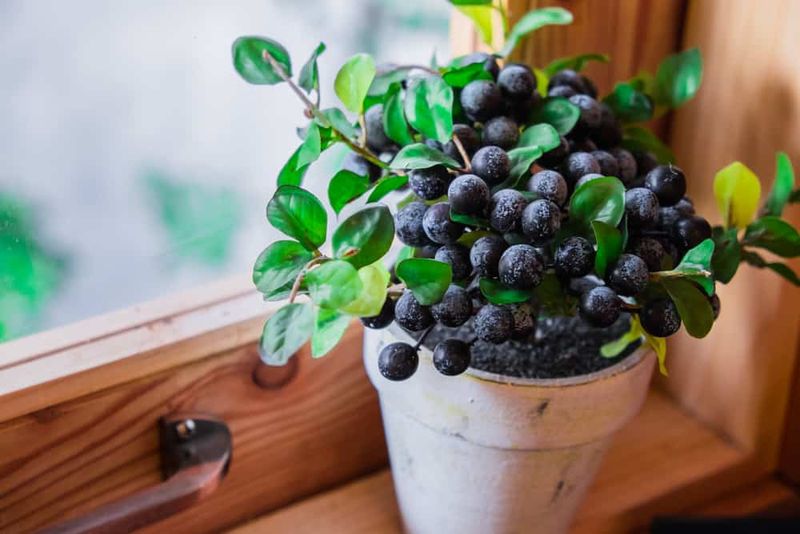
Dwarf blueberry varieties like 'Top Hat' or 'Peach Sorbet' are tailor-made for container growing, reaching just 50cm tall while still producing handfuls of plump, antioxidant-rich berries. They're also rather attractive, with white spring blossoms and fiery autumn foliage adding seasonal interest beyond the fruit itself.
Blueberries are fussy about soil pH, requiring acidic conditions, so use ericaceous compost and rainwater if your tap water's hard. Position them in full sun for the best crop, and consider planting two varieties together to boost pollination and yields.
8. Courgettes (Compact Varieties)
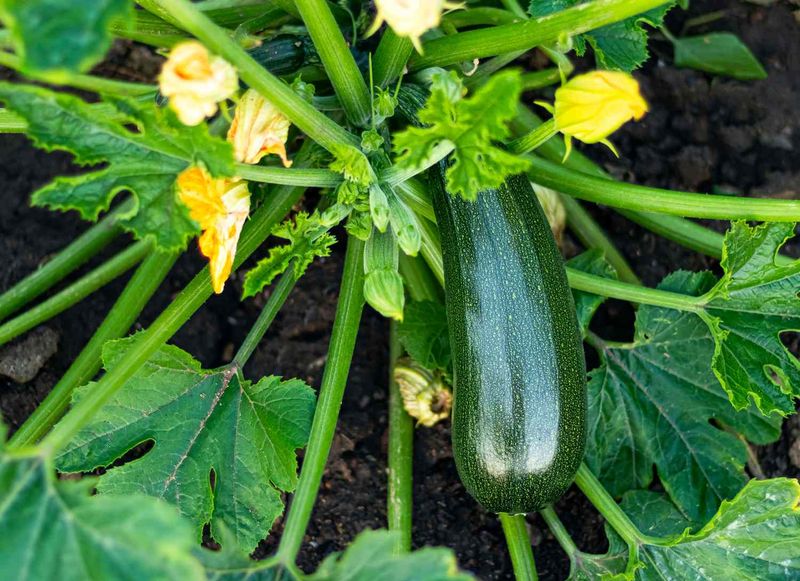
Standard courgettes can sprawl like nobody's business, but compact varieties such as 'Patio Star' or 'Defender' keep things manageable whilst still delivering a generous harvest. These bushy types produce upright rather than trailing, making them ideal for larger pots on patios or balconies.
You'll need a substantial container, at least 45cm wide and deep, filled with rich, moisture-retentive compost. Courgettes are hungry feeders, so weekly liquid feeds during fruiting season keep them productive, and harvesting regularly encourages more flowers and fruits to form throughout summer.
9. Spring Onions
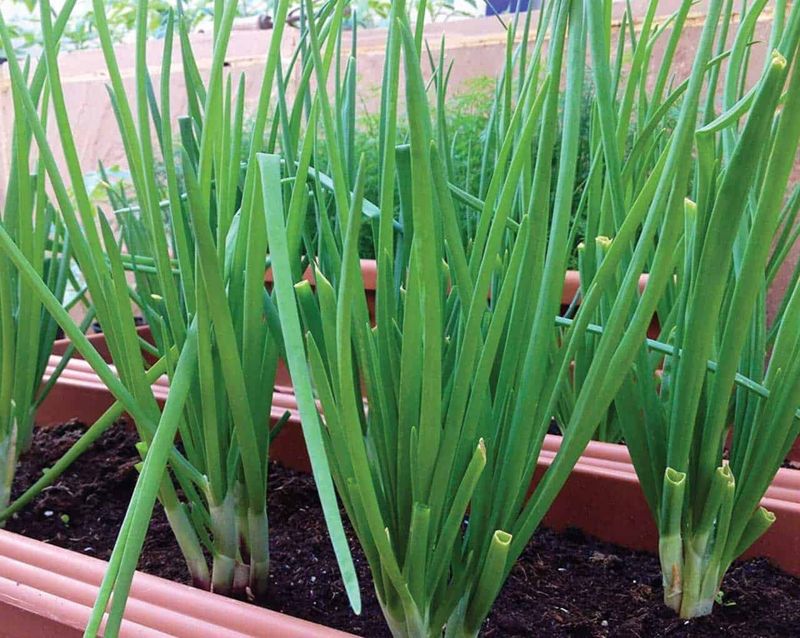
Spring onions are wonderfully undemanding, growing happily in pots as shallow as 15cm and maturing in roughly eight weeks from sowing. Their mild, fresh flavour is perfect for salads, stir-fries, and garnishes, and you can succession-plant every fortnight for a continuous supply.
Sow seeds thickly and thin as needed, or simply harvest young plants as you need them, leaving others to grow on. They tolerate partial shade better than many edibles, making them ideal for less-than-ideal spots, and they rarely suffer from pests or diseases in container setups.
10. Dwarf Citrus Trees
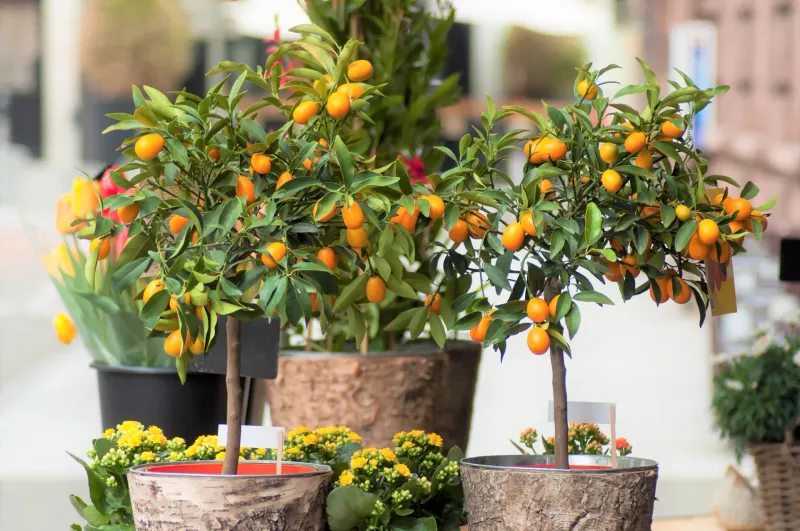
Growing your own lemons, limes, or oranges might sound ambitious, but dwarf citrus varieties like 'Meyer Lemon' or 'Calamondin' are surprisingly accommodating in pots. They stay compact, rarely exceeding a metre or so, whilst still producing fragrant blossoms and glossy, edible fruit that'll make your neighbours envious.
Citrus trees need a sunny, sheltered spot outdoors during warmer months and protection from frost in winter, so plan to bring them inside or into a greenhouse when temperatures drop. Use citrus-specific compost, feed regularly during the growing season, and enjoy the heady scent of those blooms.



