













Sometimes a cast iron skillet feels like it can do absolutely anything. It sears beautifully, keeps heat steady, and makes even simple food taste a bit more rustic and comforting.
But as handy as it is, there are a few foods that really don’t get along with cast iron, whether it’s because of flavour reactions, sticking, or long-term seasoning damage. Knowing what to avoid can save your skillet and make your cooking taste better, too.
This information is for general kitchen guidance only. If you have any dietary or health concerns, especially related to iron intake, it may be worth asking a professional for personalised advice.
1. Tomato Sauces
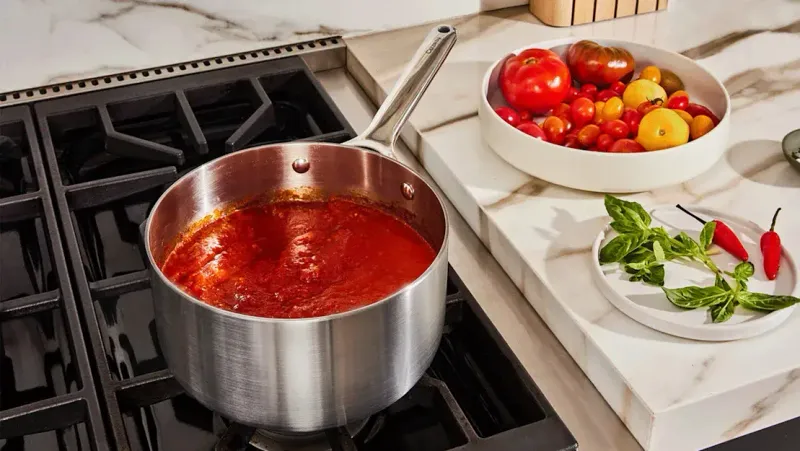
Acidic tomatoes wreak havoc on cast iron seasoning, stripping away the protective layer you've worked hard to build. The reaction between acid and iron can also give your bolognese or marinara an unpleasant metallic taste that ruins the dish.
Stainless steel handles acidity beautifully without any chemical reaction. Your sauce will taste bright and fresh, exactly as intended, whilst your cast iron stays safely stored away for another meal.
2. Vinegar-Based Dishes
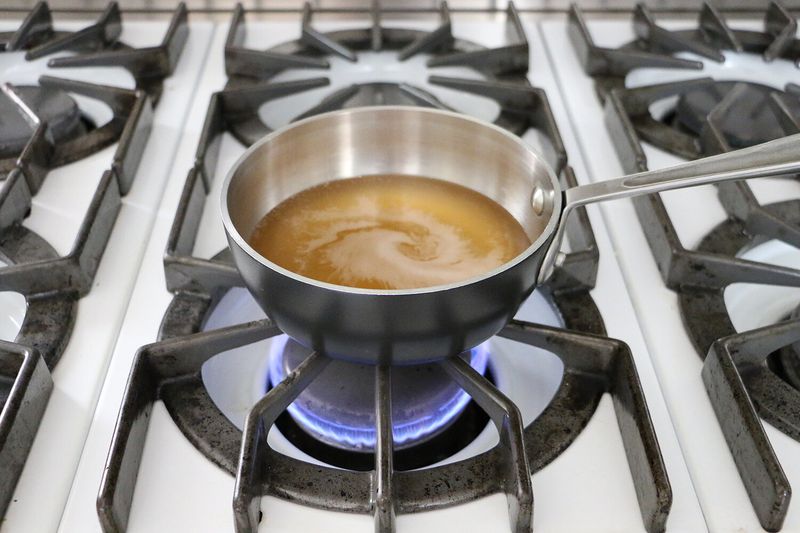
Vinegar is one of the most aggressive acids you'll encounter in cooking. When it meets cast iron, the result is a damaged pan and food that tastes oddly metallic and off-putting.
Braising with vinegar, making pickles, or deglazing with wine vinegar all demand stainless steel. This material won't react, keeping your flavours pure and your cookware in excellent condition for years of reliable service.
3. Lemon Or Citrus Heavy Foods
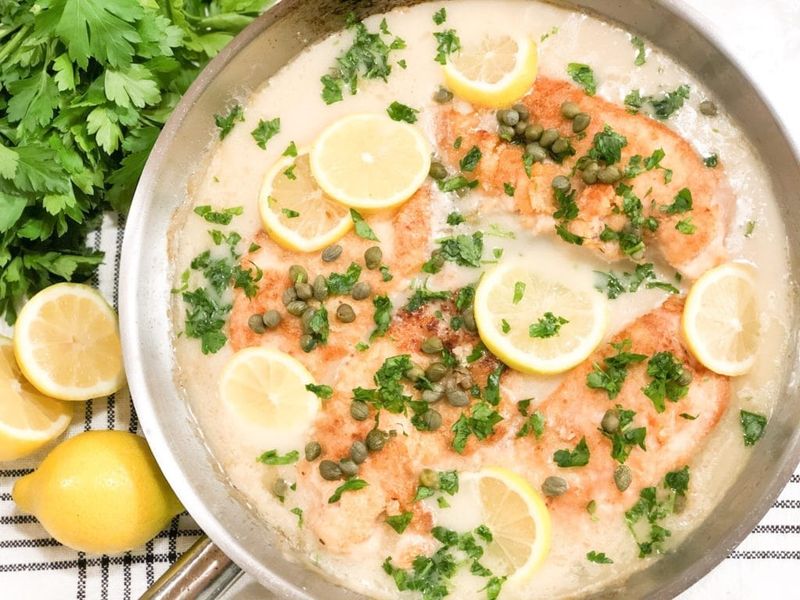
Citrus fruits bring vibrant, zesty flavour to countless dishes, but their high acidity makes them terrible companions for cast iron. The acid eats through seasoning and can leave behind a bitter, metallic aftertaste that overwhelms delicate flavours.
Stainless steel is your best friend here. Whether you're making lemon chicken, ceviche, or orange-glazed salmon, this cookware keeps everything tasting fresh and bright.
4. Fish With Delicate Skin
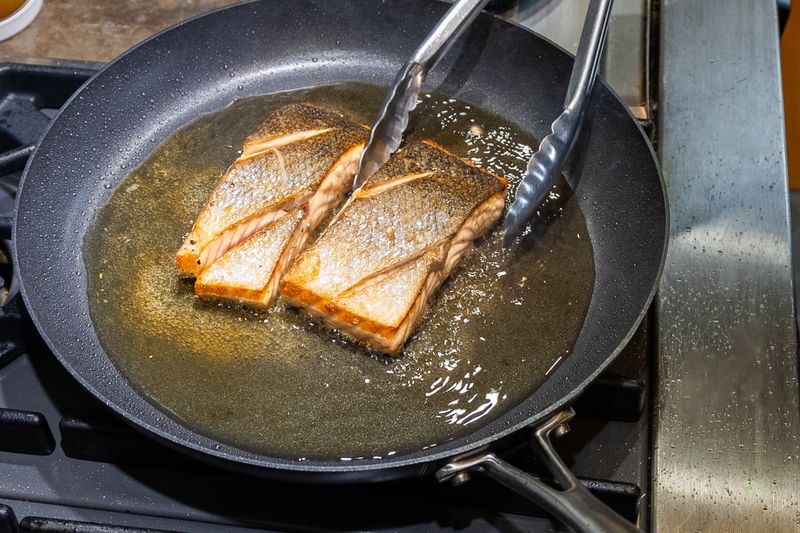
Getting that gorgeous, crispy skin on fish is tricky enough without battling a sticky pan. Cast iron, even when well-seasoned, tends to grab onto delicate fish skin, tearing it apart when you try to flip.
Non-stick pans offer an effortless release, letting you achieve restaurant-quality results at home. Your salmon, sea bass, or trout will slide off beautifully intact, with skin that's golden and crackling.
5. Eggs When Pan Isn't Fully Seasoned
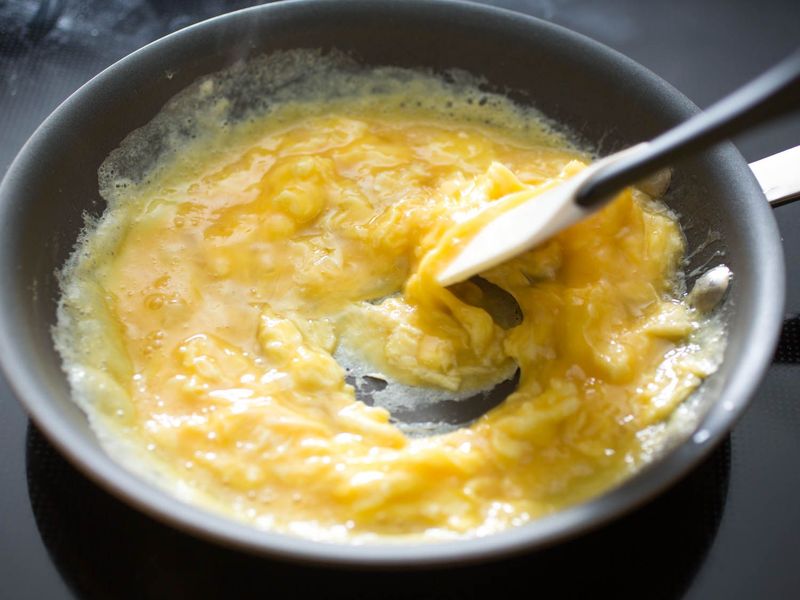
Eggs are notoriously sticky, and an imperfectly seasoned cast iron pan will turn your breakfast into a frustrating scraping session. Proteins bond quickly to any exposed iron, leaving you with a mess instead of a meal.
Non-stick pans make egg cookery foolproof. Scrambled, fried, or omelettes slide out effortlessly, and cleanup takes seconds. Save your cast iron for when its seasoning is absolutely perfect.
6. Cheesy Pasta Bakes
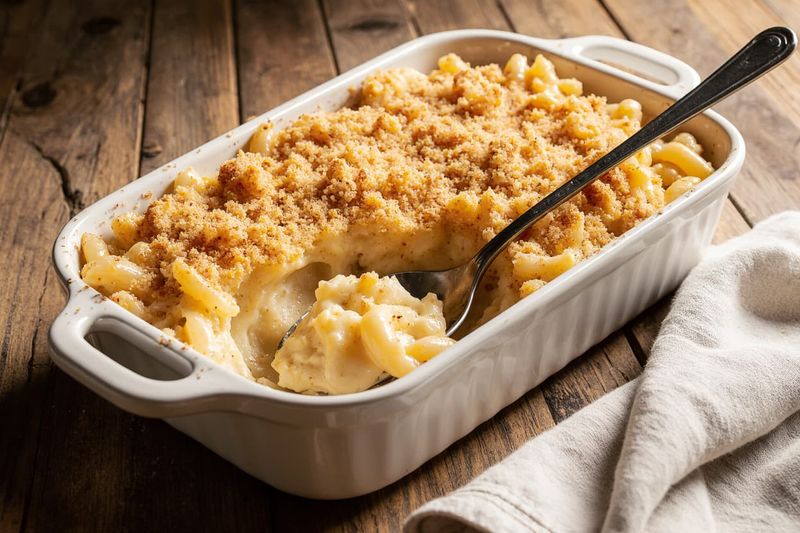
Baked pasta dishes with loads of cheese sound comforting, but cast iron isn't the right vessel. The acidity in tomato-based sauces combined with prolonged cooking time can damage seasoning, whilst cheese loves to weld itself to iron surfaces.
Ceramic baking dishes distribute heat gently and release food easily. Your macaroni cheese or lasagne will bake evenly, and cleanup becomes a simple soak rather than an ordeal.
7. Overnight Marinated Meats
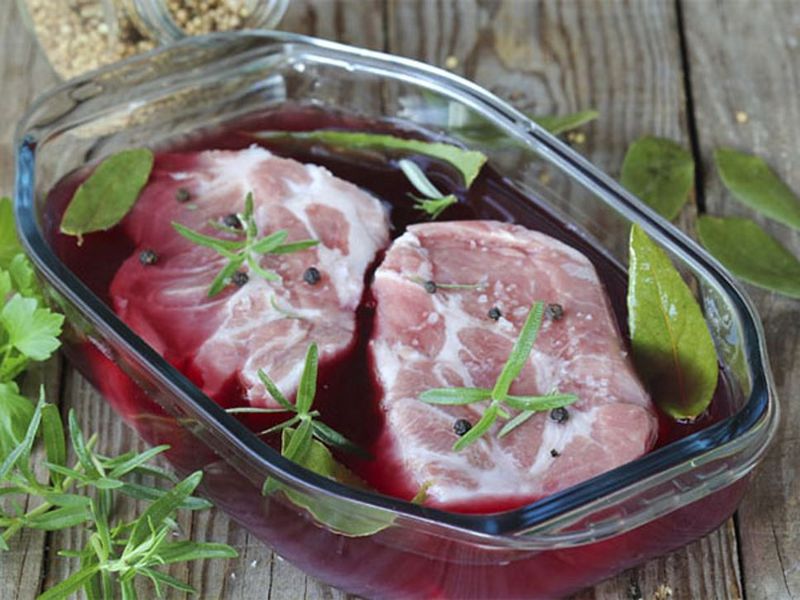
Marinating meat overnight in cast iron is asking for trouble. The acids in marinades - from citrus, vinegar, or yoghurt - will react with the iron over hours, corroding your seasoning and potentially imparting off flavours to your protein.
Glass or stainless steel bowls are chemically inert, meaning your marinade works its magic without any unwanted reactions. Your meat stays flavourful, and your cast iron stays protected.
8. Creamy Risotto
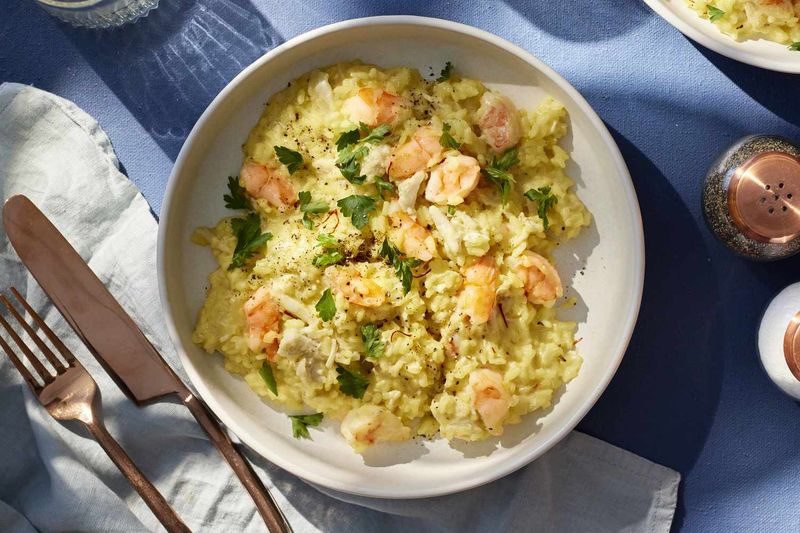
Risotto demands constant stirring and gradual liquid addition, which can wear away at cast iron seasoning over time. The rice can also stick stubbornly to the pan's surface, making the cooking process frustrating rather than meditative.
Stainless steel or enamelled pans offer smooth surfaces that release rice easily. You'll achieve that signature creamy texture without battling stuck-on grains or damaging your beloved cast iron skillet.
9. Yoghurt-Based Curries
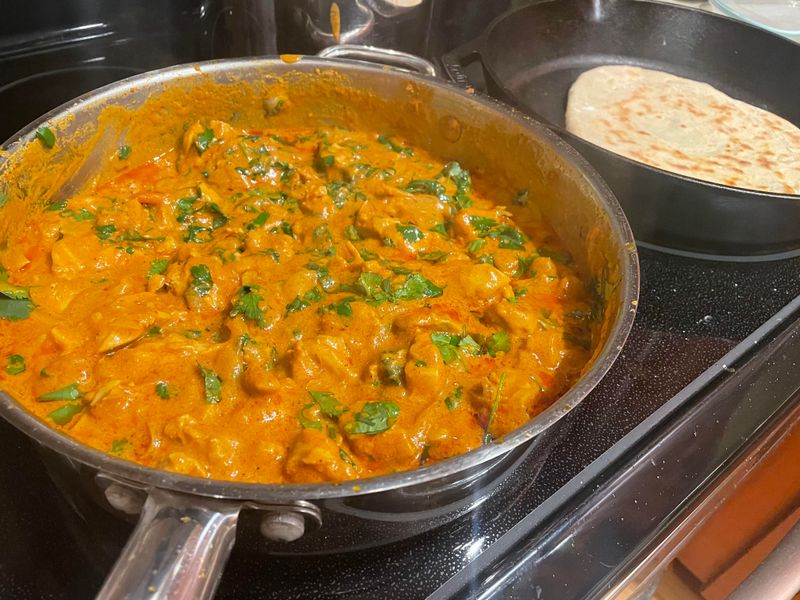
Indian and Middle Eastern cuisines often feature yoghurt-based sauces that bring tangy creaminess to curries and stews. Unfortunately, yoghurt's acidity attacks cast iron seasoning, and prolonged simmering makes the damage worse.
Stainless steel handles acidic dairy without any issues. Your butter chicken, korma, or lamb curry will develop rich, complex flavours whilst your cookware remains completely unaffected by the acidic ingredients.
10. Sticky Dessert Sauces
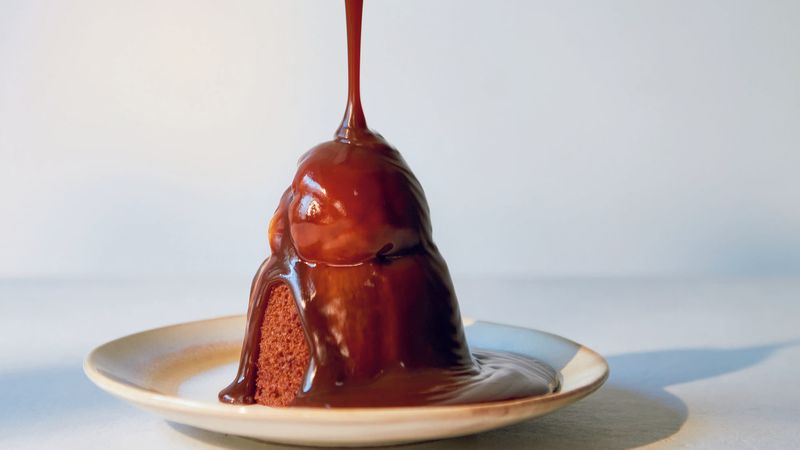
Dessert sauces made with sugar, chocolate, or fruit preserves can cement themselves to cast iron's porous surface. The high sugar content caramelises and bonds stubbornly, creating a cleanup challenge that risks damaging your seasoning.
Non-stick or stainless steel pans release sweet sauces effortlessly. Whether you're making chocolate ganache, berry compote, or toffee sauce, these materials ensure smooth results and easy washing up afterwards.



