









Eating out is one of life’s great joys – a chance to relax, socialise, and tuck into something you didn’t have to cook yourself. But not every dish on the menu is as innocent as it looks.
Some meals are overloaded with salt, sugar, and unhealthy fats, while others sneak in hidden calories that can easily derail your good intentions. By knowing what to watch out for, you can still enjoy your favourite restaurant treats – just without the post-meal guilt.
This article is for general informational purposes only and not a substitute for professional dietary or medical advice. Individual nutritional needs may vary.
Salads Drenched In Dressing

You'd think ordering a salad would be the virtuous choice, wouldn't you? Yet many restaurant salads come swimming in enough dressing to rival a small pond, turning what should be a healthy option into a calorie bomb.
Creamy Caesar or ranch dressings can pack in more fat and calories than the actual ingredients beneath them. Nutritionists often recommend asking for dressing on the side so you can control exactly how much goes on your greens, keeping things lighter without sacrificing flavour.
Deep-Fried Starters

Walk into any British pub and you'll spot them straight away: crispy, golden, and absolutely irresistible. But those deep-fried starters, from breaded mushrooms to battered halloumi, are often soaking up oil like a sponge.
A single portion can contain a day's worth of saturated fat before you've even reached your main course. Opting for grilled or baked alternatives gives you flavour without the grease, leaving room for what really matters on your plate.
Loaded Nachos

Sharing plates sound brilliant in theory, but loaded nachos often end up being a solo mission once that first cheesy chip hits your mouth. The trouble is, one serving can easily clock in at over a thousand calories thanks to layers of cheese, sour cream, and mystery mince.
According to nutritionists, these mountainous platters are better split among three or four people rather than two. If you're craving Tex-Mex, consider ordering a smaller starter portion instead.
Creamy Pasta Dishes

There's something undeniably comforting about a bowl of creamy carbonara or a rich Alfredo, especially on a drizzly Tuesday evening. What most diners don't realise is that restaurant kitchens often use double cream, butter, and mountains of cheese to achieve that silky texture.
A single plate can contain more saturated fat than you should have in two days. Tomato-based sauces like arrabbiata or marinara offer loads of flavour with a fraction of the calories and fat.
All-You-Can-Eat Buffets

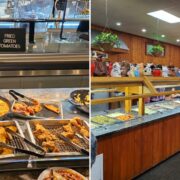
The promise of unlimited food for a fixed price sounds like brilliant value, but buffets are designed to encourage overeating. Studies show that when faced with endless choice, most people consume far more than they would from a standard menu.
Food safety can also be a concern, as dishes often sit out for ages under heat lamps, losing both freshness and nutritional value. If you do visit one, stick to smaller plates and focus on vegetables and lean proteins rather than loading up on fried bits.
Sugary Coffee Drinks

Popping into your local coffee chain for a quick pick-me-up seems harmless enough, but those fancy frappés and caramel lattes are basically desserts in a cup. Some contain more sugar than a can of fizzy drink, plus enough calories to count as a small meal.
Whipped cream, flavoured syrups, and chocolate drizzles all add up faster than you'd think. Switching to a plain latte or Americano with a splash of milk keeps the caffeine hit without the sugar crash later.
Extra-Large Burgers

Burgers have become something of an arms race on the high street, with restaurants competing to build the tallest, meatiest stacks imaginable. While impressive to look at, these beasts often contain multiple patties, rashers of bacon, fried onions, and enough cheese to feed a small family.
One mega burger can easily exceed 1,500 calories before you've touched a single chip. Opting for a single-patty version with plenty of salad keeps things satisfying without the food coma afterwards.
Restaurant Desserts With Hidden Calories

Finishing off with something sweet feels like the natural end to a lovely meal, but restaurant puddings are often far more indulgent than anything you'd make at home. Sticky toffee pudding, chocolate fondants, and cheesecakes can pack in 800 calories or more per slice.
Portion sizes are frequently enormous, and they're loaded with cream, butter, and sugar to maximise flavour. Sharing a dessert or choosing a lighter option like sorbet can satisfy your sweet tooth without overdoing it completely.
Overly Salty Sauces And Marinades

Salt is the secret weapon in most restaurant kitchens, used liberally to enhance flavour and keep you reaching for your drink. Marinades, glazes, and table sauces often contain shocking amounts of sodium, sometimes more than your entire daily recommended intake in a single dish.
Doctors warn that too much salt can contribute to high blood pressure and other health issues over time. Asking for sauces on the side or choosing grilled options with herbs and spices instead can keep flavour high and sodium levels sensible.