













Your gut is home to trillions of bacteria that quietly keep everything running smoothly – from digestion to mood. But some foods can disrupt that balance and leave you feeling sluggish or uncomfortable.
By cutting back on the culprits and choosing options that nourish your microbiome, you can support better digestion and feel more energised day to day.
This content is for general informational purposes only. It is not a substitute for professional medical or dietary advice. Always consult a qualified healthcare provider before making significant changes to your diet. Photos are for illustrative purposes only.
1. Ultra-Processed Ready Meals
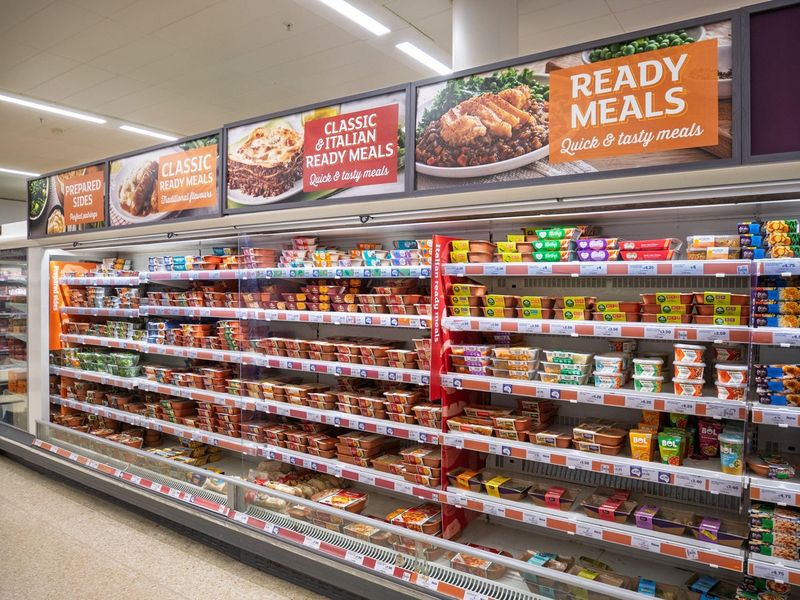
Pop into any Tesco or Sainsbury's and you'll find aisles packed with ready meals promising convenience after a long day. Ultra-processed options often contain additives, preservatives, and emulsifiers that your gut bacteria don't particularly fancy.
These ingredients can disrupt the delicate balance of good bacteria in your digestive system, leading to inflammation and discomfort. Nutritionists suggest swapping these for batch-cooked homemade meals when possible – your gut will thank you for the effort, and your wallet might too.
2. Artificial Sweeteners And Sugar-Free Drinks
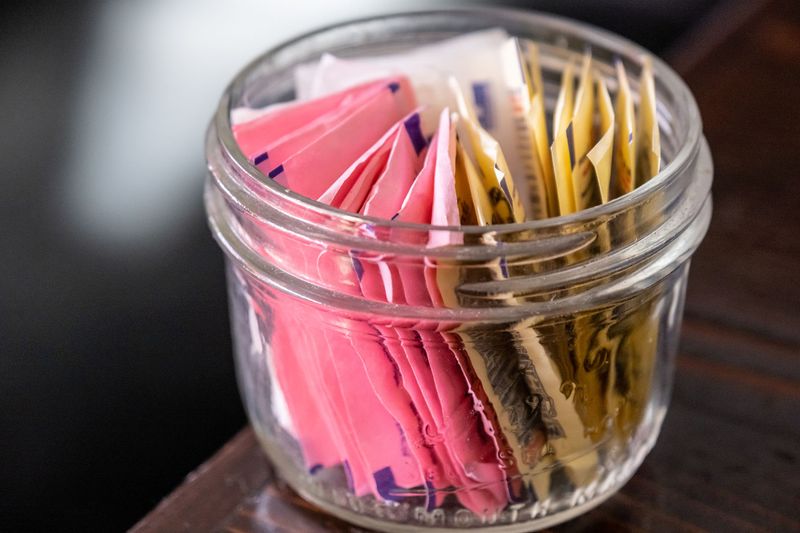
That can of Diet Coke might seem like a guilt-free treat, but artificial sweeteners such as aspartame and sucralose can actually mess with your gut microbiome. Research shows these substitutes may reduce the diversity of beneficial bacteria living in your intestines.
Sugar-free squash and low-calorie fizzy drinks are everywhere on British shelves, but they're not as innocent as they appear. Doctors often recommend limiting these and opting for water with a splash of fresh lemon or lime instead for better digestive health.
3. Fried Foods

There's nothing quite like proper fish and chips on a Friday night, but regularly indulging in deep-fried grub can be rough on your gut. High-fat fried foods take longer to digest and can encourage the growth of harmful bacteria whilst crowding out the good ones.
Greasy takeaways from your local chippy or fried chicken shop might taste brilliant, but they can leave you feeling sluggish and bloated. Nutritionists reckon grilling or baking instead keeps the flavour without upsetting your digestive system as much.
4. Red And Processed Meats

A full English wouldn't be complete without bacon and sausages, but processed meats contain preservatives like nitrates that can harm your gut lining over time. Red meat is harder to digest compared to poultry or fish, which means it hangs about longer in your system.
Deli meats, salami, and even beloved British bangers fall into this category. Experts advise keeping these as occasional treats rather than daily staples, swapping in more plant-based proteins or lean meats to keep your gut bacteria happier and more balanced.
5. Refined Carbohydrates
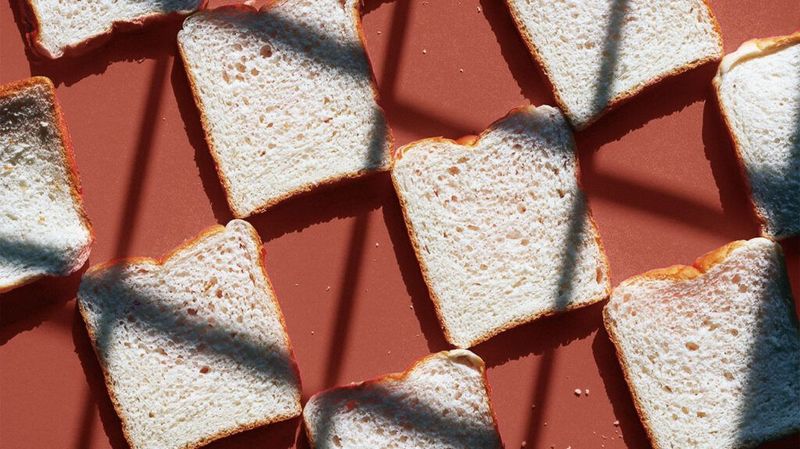
White bread, pasta, and pastries are proper comfort foods, but they're stripped of fibre during processing, which your gut desperately needs. Without enough fibre, harmful bacteria can flourish whilst beneficial ones struggle to survive.
That crusty white baguette or fluffy crumpet might be delicious, but switching to wholemeal or seeded varieties provides the roughage your digestive system craves. Nutritionists point out that refined carbs spike your blood sugar quickly too, which can indirectly affect gut health by promoting inflammation throughout your body.
6. Sugary Breakfast Cereals
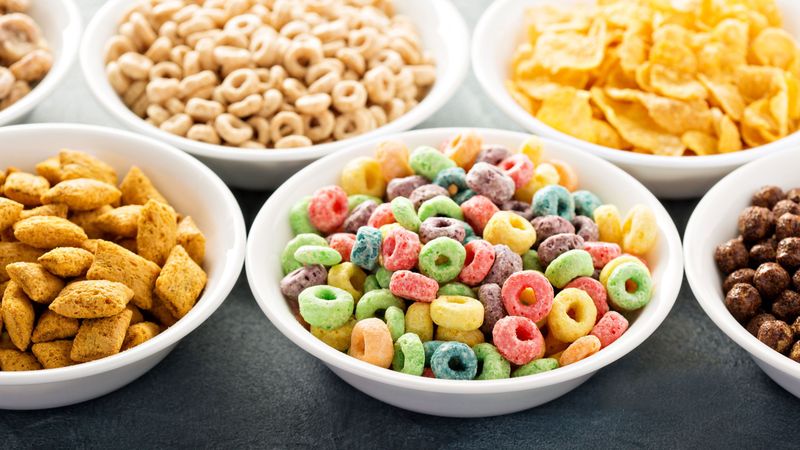
Many classic British cereals – even those marketed as healthy – are absolutely loaded with sugar that feeds bad bacteria in your gut. Starting your day with a bowlful of Frosties or Coco Pops might taste brilliant, but it sets you up for digestive trouble and energy crashes.
Check the labels next time you're at the supermarket; you'll be shocked at how much sugar lurks in seemingly innocent options. Doctors suggest choosing porridge with fresh fruit or low-sugar muesli instead to give your gut a fighting chance each morning.
7. Salty Snacks
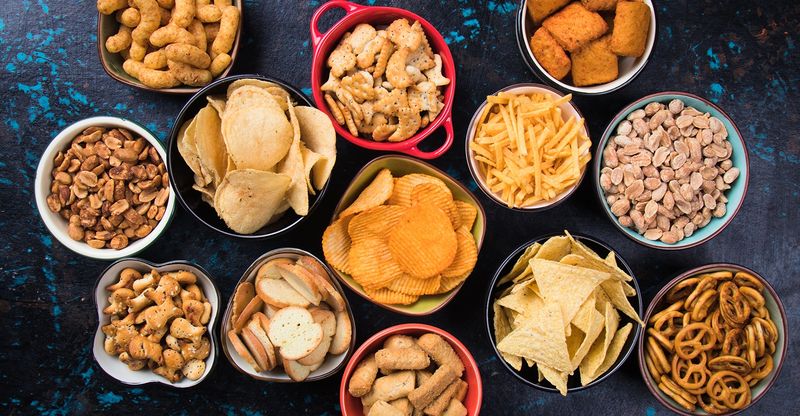
Crisps, salted nuts, and savoury biscuits are proper British staples, perfect for munching whilst watching telly. Excessive salt can alter your gut microbiome by reducing beneficial bacteria and increasing inflammation in your digestive tract.
That multipack of Walkers or bag of Pringles might be tempting, but the high sodium content wreaks havoc on your gut balance over time. Nutritionists recommend swapping to lightly salted or unsalted alternatives, or better yet, crunchy veg with hummus for a gut-friendly snack that still satisfies your cravings.
8. Certain Dairy Alternatives
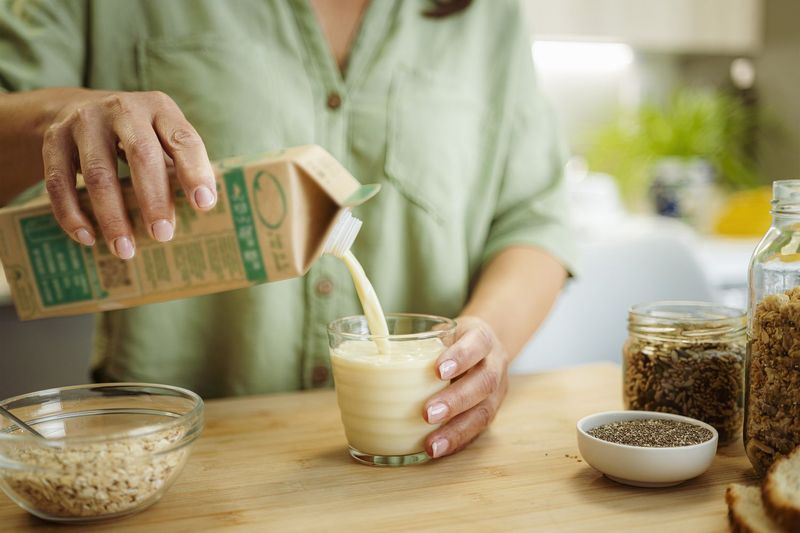
Plant-based milks have exploded in popularity across British supermarkets, but not all are created equal for gut health. Many contain thickeners, emulsifiers, and added sugars that can irritate your digestive system and disrupt your microbiome.
Carrageenan and guar gum, common in cheaper alternatives, have been linked to gut inflammation in some people. Check the ingredients list carefully – simpler is usually better. Nutritionists suggest looking for unsweetened versions with minimal additives, or making your own oat milk at home for the cleanest option that's gentle on your gut.



