













The Isle of Wight offers far more than scenic coastline and bustling summer markets. Its food culture has grown steadily, shaped by local producers, fresh coastal ingredients, and long-standing regional traditions.
From seafood favourites to well-known island specialities, the island showcases British flavours in a distinctly local way.
These ten foods highlight the character and craft behind Isle of Wight cuisine and are well worth seeking out on your next visit.
This content is for general information only. Availability of foods and local products may vary by season and location. Photos are for illustrative purposes only.
1. Black Garlic
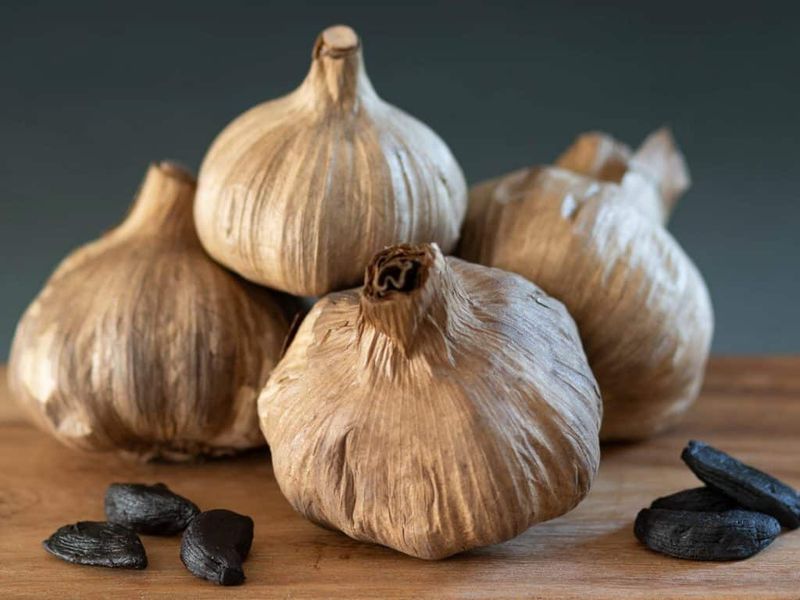
When garlic gets aged for weeks in controlled heat and humidity, something magical happens – it turns jet black and develops a flavour that's sweet, tangy, and almost like balsamic vinegar. The Isle of Wight has become known for producing some of Britain's finest black garlic, with local producers perfecting this ancient Korean technique.
It's brilliant spread on toast, stirred into pasta, or even eaten straight from the bulb. The taste is mellow and complex, without any of that sharp bite you'd expect from regular garlic. Grab a bulb from island farm shops and your cooking will never be quite the same again.
2. Crab On Chips (Ventnor Classic)
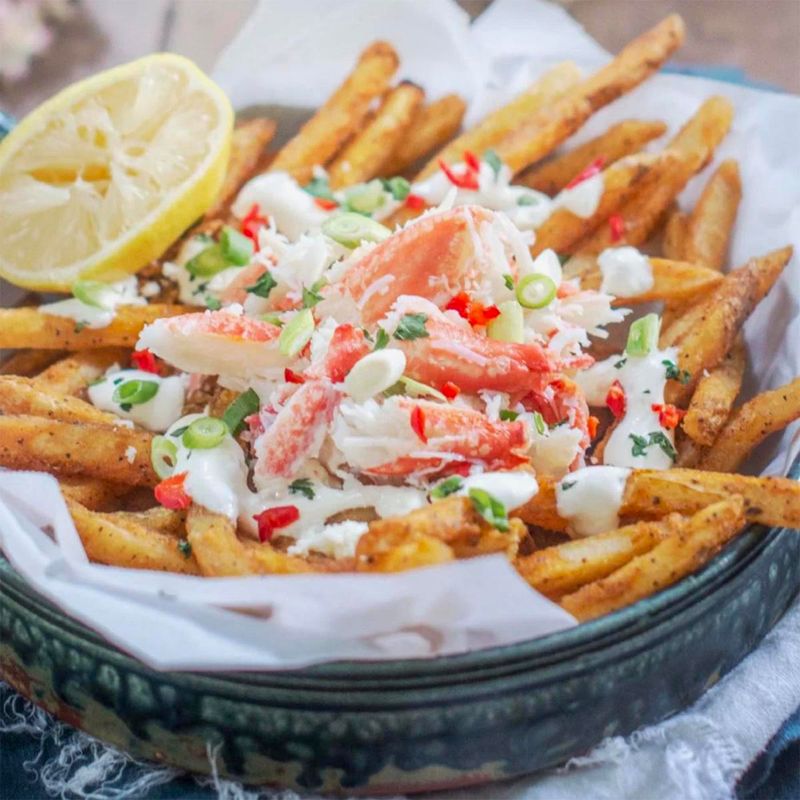
Picture this: crispy chips fresh from the fryer, piled high with sweet, delicate crab meat that was caught just hours earlier. Ventnor, a charming seaside town on the island's southern coast, has turned this simple combination into an absolute legend.
The crab is usually dressed simply – maybe a squeeze of lemon, perhaps a touch of mayo – so the natural sweetness shines through. It's the kind of meal you eat sitting on the seafront, with salt air mixing with vinegar steam. Forget fancy restaurants; this is proper British seaside eating at its absolute finest, and it tastes like summer holidays should.
3. Crab Pasties
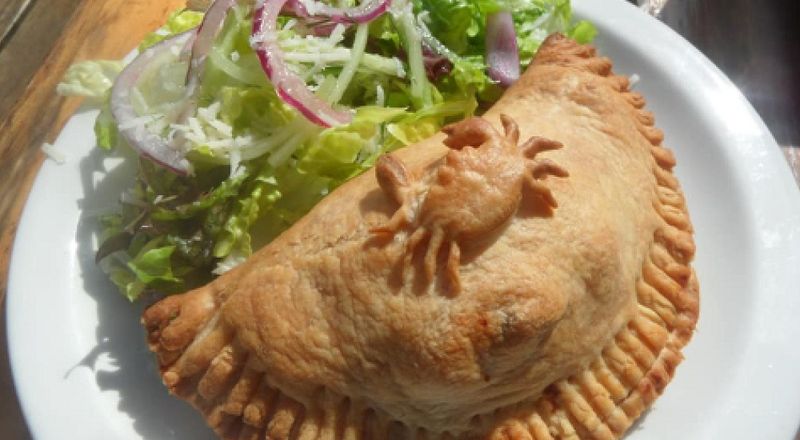
Cornwall might have invented the pasty, but the Isle of Wight has given it a proper coastal makeover. Instead of the traditional beef and veg filling, island bakers stuff their pastry with chunks of locally caught crab, sometimes mixed with a bit of cream, leek, or potato.
The result is buttery, flaky, and packed with that distinctive sweet crab flavour that makes island seafood so special. You'll find them in bakeries across the island, perfect for a beach picnic or a quick lunch between exploring. They're proof that sometimes the best British classics are the ones that break the rules a bit.
4. Gallybagger Cheese Soufflé
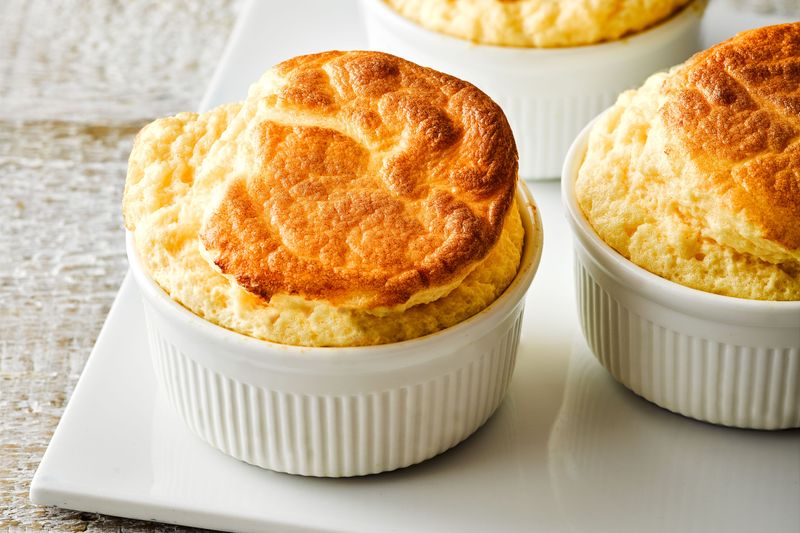
Named after a legendary island scarecrow figure, Gallybagger is a gorgeous cheese made right here on the Isle of Wight – and when it's baked into a soufflé, it's absolutely stunning. The cheese itself is creamy and rich, with a flavour that sits somewhere between Camembert and Brie.
When whipped into a soufflé, it puffs up into something light, airy, and utterly luxurious. You'll find this dish on menus at some of the island's better restaurants, where chefs show off local ingredients with proper skill. It's fancy enough for a special occasion but comforting enough to make you feel right at home.
5. Isle Of Wight Doughnuts
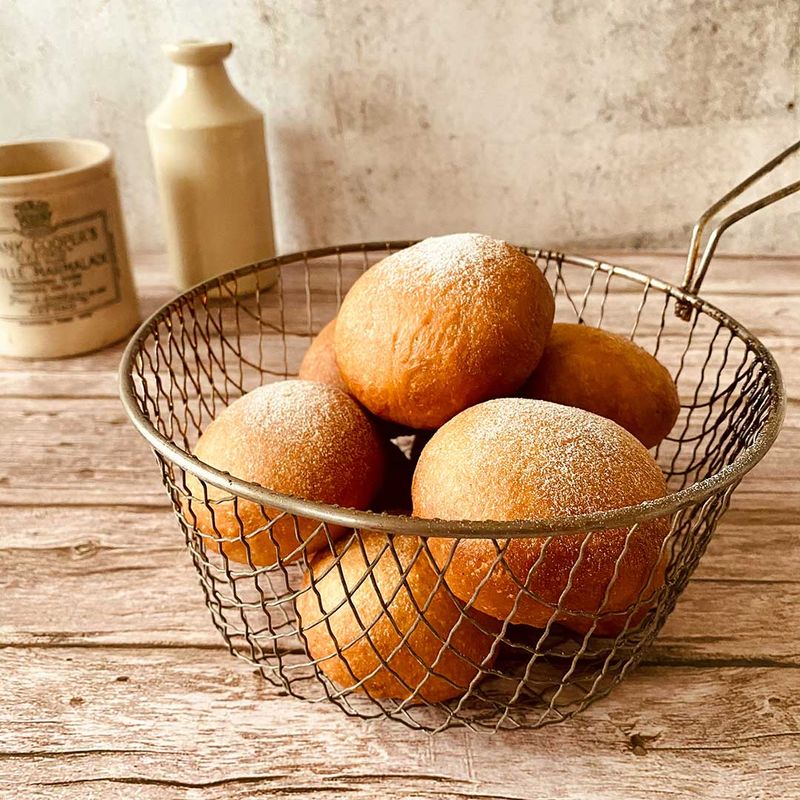
Isle of Wight doughnuts have become a bit of a local favourite, thanks to their soft texture, rich flavour, and the island’s growing number of artisan bakeries putting their own twist on the classic treat.
Often made in small batches and finished with toppings like honeycomb, local fruit jams, or smooth custard, they offer a taste of the island’s sweet side without being overly fussy.
Whether you pick one up from a coastal café or a village bakery, these doughnuts feel distinctly homemade and are a simple but satisfying highlight of the island’s food scene.
6. Isle Of Wight Blue Cheese

Britain's got no shortage of brilliant blue cheeses, but the Isle of Wight produces one that holds its own against Stilton or Roquefort any day. Made by island cheesemakers using milk from local herds, it's got that classic tangy punch you want from a blue, but with a creamy texture that melts on your tongue.
The veining is beautiful – proper blue-green marbling throughout. Crumble it over salads, melt it into sauce, or just eat it with crackers and a bit of chutney. It's won awards and turned up on fancy cheese boards across the country, proving island dairy farmers know their stuff.
7. Isle Of Wight Honey Fudge
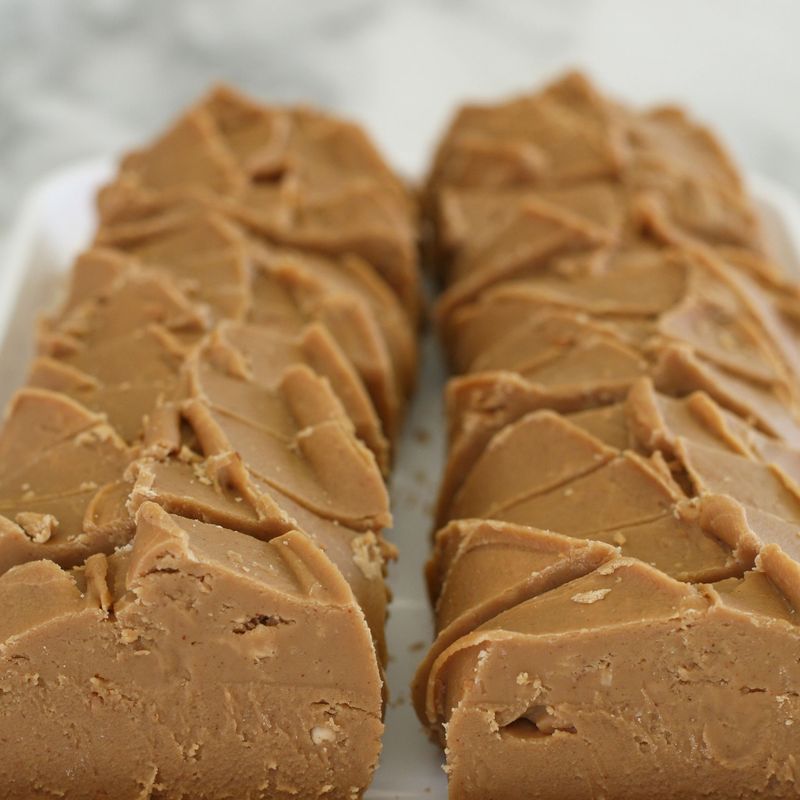
Fudge is a seaside staple across Britain, but island fudge makers have perfected a version that uses local honey instead of just sugar and condensed milk. The honey adds a floral complexity that makes each bite more interesting than your standard Blackpool rock shop fare.
It's smooth, sweet, and just a bit sticky – exactly what proper fudge should be. The golden colour comes from the honey itself, and you can sometimes taste hints of whatever flowers the bees visited that season. Pick up a bag from one of the island's sweet shops and it'll be gone before you reach the ferry home.
8. Isle Of Wight Tomatoes
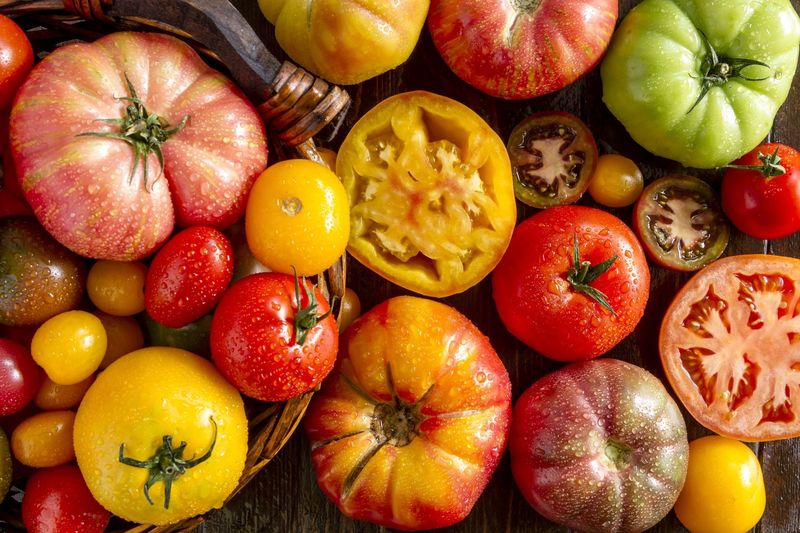
The island's got a long history of growing tomatoes – something about the mild climate and good soil makes them particularly sweet and flavourful. You'll find them in everything from simple salads to fancy restaurant dishes, and the difference between these and supermarket tomatoes is night and day.
Heritage varieties are especially popular, with weird shapes and colours that actually taste like tomatoes used to.
Many island restaurants build entire dishes around them when they're in season, whether roasted, raw, or turned into rich sauces. It's a reminder that British produce, when grown properly, can be absolutely world class.
9. Locally Smoked Fish
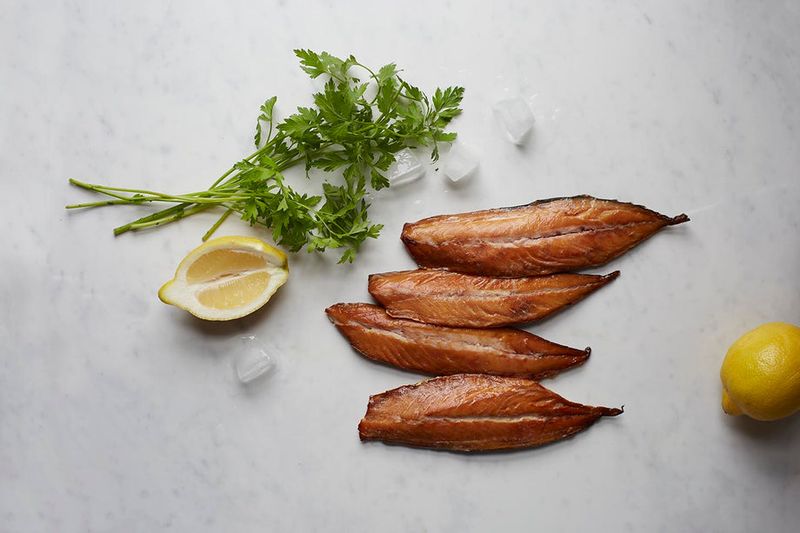
With the sea all around, it makes sense that the Isle of Wight has some brilliant smokehouses turning fresh catches into something special. Mackerel, trout, and salmon get the smoke treatment using traditional methods – oak chips, slow smoking, and proper patience.
The result is fish with a deep, savoury flavour and that gorgeous flaky texture that only comes from quality smoking. You can buy whole fillets from island smokehouses or find them on restaurant menus, often served simply with horseradish cream or in a salad. It's one of those foods that reminds you why British fishing traditions matter so much.
10. Rock Samphire
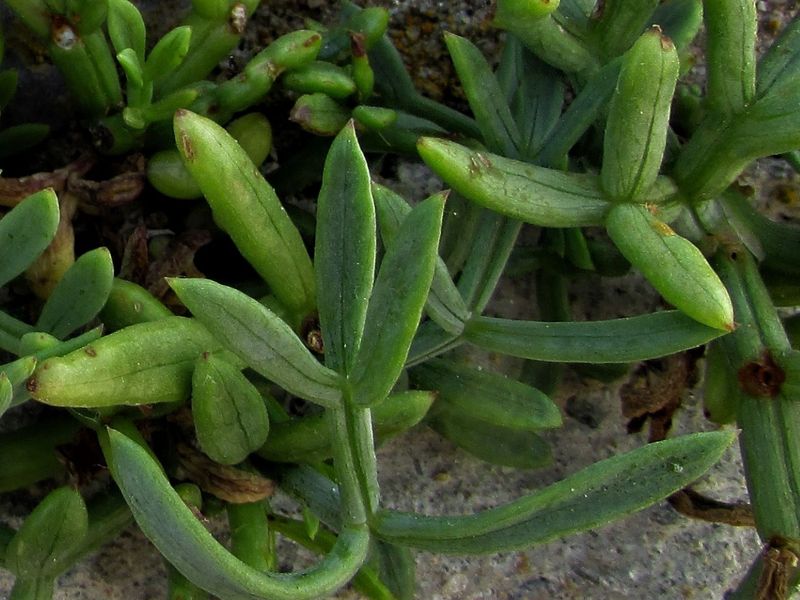
This salty, crunchy coastal plant grows wild on the island's cliffs and beaches, and it's been eaten in Britain for centuries – Shakespeare even mentioned it. Rock samphire tastes like the sea itself, with a crisp texture and a flavour somewhere between asparagus and green beans, but with a distinct briny kick.
Island chefs pickle it, serve it fresh in salads, or lightly steam it as a side dish. Foragers gather it during summer months when it's at its best. It's one of those forgotten British ingredients that's making a proper comeback, reminding us that some of the best food grows right under our noses.



